
Beko dishwasher breakdowns
 Serious malfunctions in Beko dishwashers aren't as common as with models from other manufacturers. However, these appliances do have certain weaknesses that owners may encounter after several years of active use. What are the most common malfunctions in Beko dishwashers? When is it necessary to call a professional, and when can you fix them yourself?
Water does not get into the dishwasher
Sometimes Beko dishwashers stop washing dishes, and the low water indicator lights up on the dashboard. In this situation, first ensure the shut-off valve is open. Then, check for any blockages. It's also important to ensure there's adequate water pressure in the main line.
The further course of action to resolve the problem:
- Turn off the valve and disconnect the hose from the housing. If you have an Aquastop, carefully inspect its sponge. If the swollen absorbent is blocking access to the bin, you will need to replace the element with a new one.
- dismantling the mesh filter, cleaning it if there is debris.
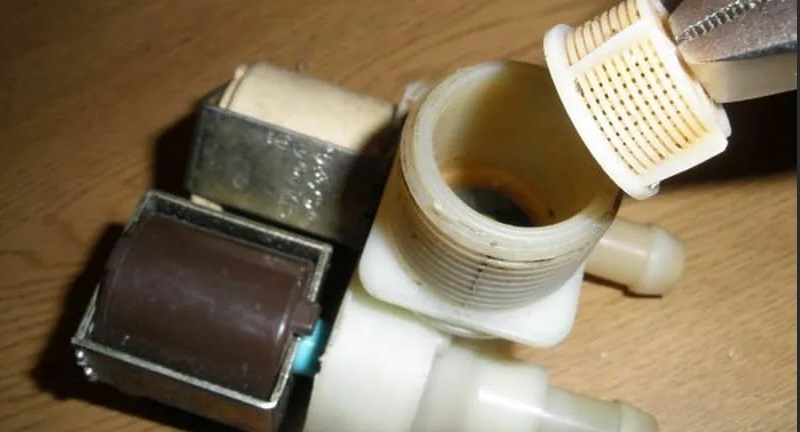
If water is constantly being collected and drained, this indicates a breakdown of the electromagnetic valve or pressure switch (relay). The control module sends commands to the coils, and the membrane parts open slightly for subsequent fluid intake. If the elements are burned out, the valve will only remain in either a closed or open position. To replace it, look inside the unit at the base of the inlet hose; that's where the valve is located.
The pressure switch monitors the water level in the tank. When it fails, the liquid will overflow or not reach the required volume. The sensor is located next to the dishwasher motor in a protective box, from which the hose extends. It should also be checked for blockages, which could affect the accuracy of the relay readings.
The case is leaking
A leak, in most cases, indicates worn drain pump seals. In this case, the dishwasher should be turned upside down and replaced. If a leak is detected from the door, press firmly on it and inspect the seal.
Important! Mechanical damage or wear on the sealing element require urgent replacement. This is quite simple: carefully remove the old seal and insert the new one into the grooves.
When loading dishes into the dishwasher, ensure that large items don't obstruct the door from closing. It's also important not to exceed the maximum number of items. Otherwise, the washing results will be unsatisfactory.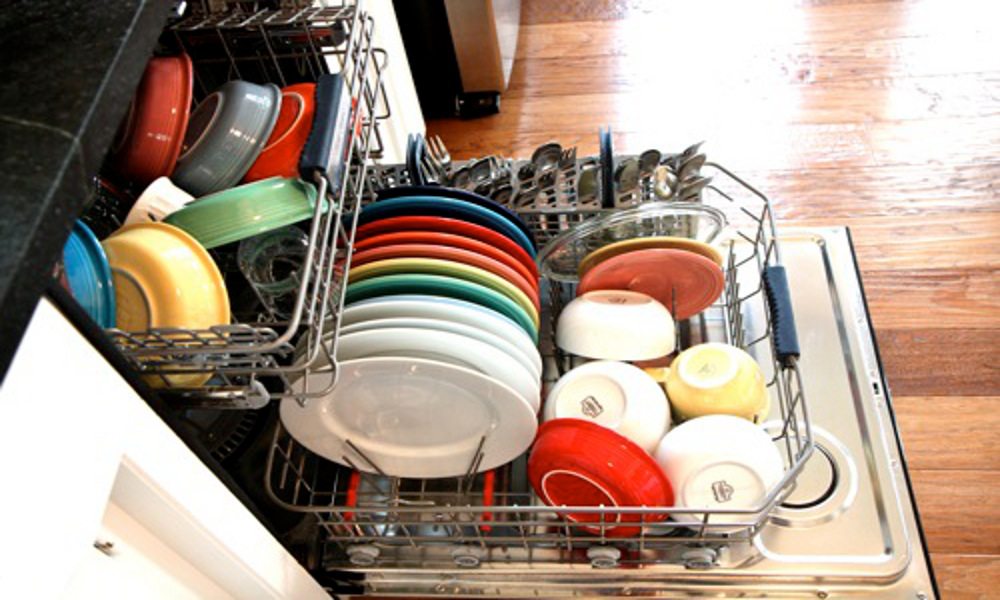
If the door won't close and the machine won't start, the problem may be more serious. It's worth inspecting the locking mechanism, as a faulty one could be the cause of the appliance's malfunction. If it's damaged, the part will need to be replaced; it can't be repaired.
It's also important to check the hose connectors. If they're loose, tighten them firmly. If necessary, remove worn clamps and replace them with new ones.
The waste water remains in the PMM
The compressor (pump) isn't the only source of the problem. A clog is often the cause of a lack of fluid flow. Here's a step-by-step guide for a thorough cleaning.
- open the door of the washing chamber;
- remove the baskets from the compartment;
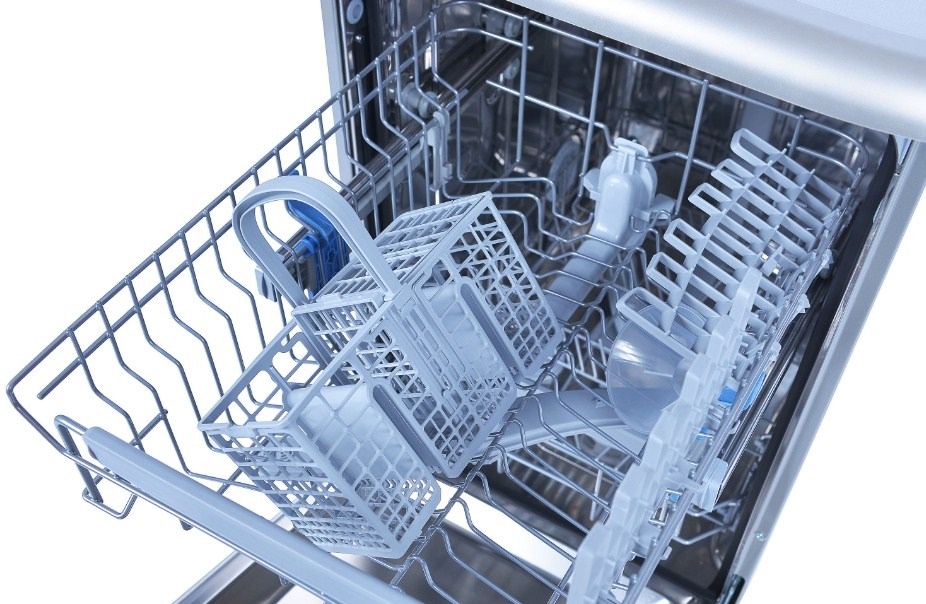
- unscrew the drain filter and rinse it under running water;
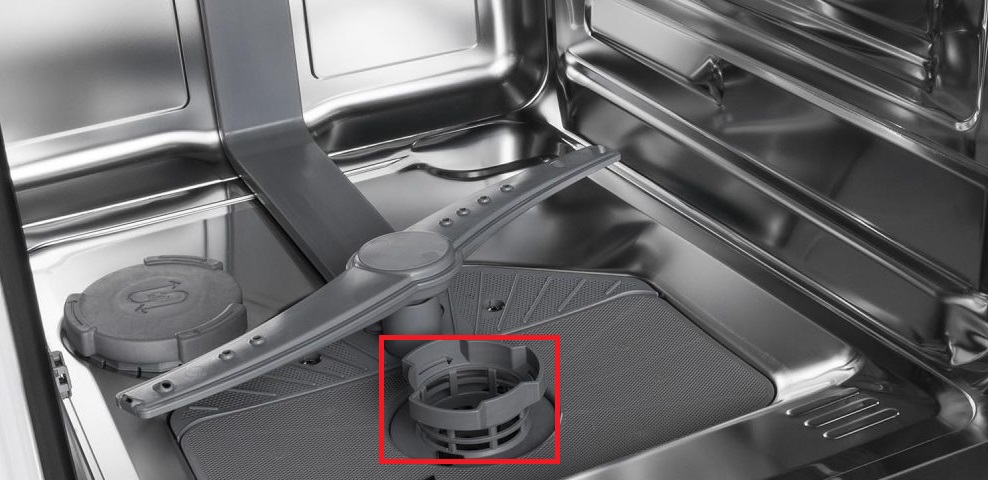
- remove water and dirt from the landing hole;
- remove the cover by pulling it towards you;
- Put on rubber gloves and collect any dirt that could be blocking the fan impeller.
Next, turn off the drain hose and remove any debris from the cavity. Clogs often form in the elbow section of the sewer system. You can call a repairman or fix the problem yourself using special chemicals.
Beko dishwashers aren't perfect, so other malfunctions can occur. For example, these include heating element or control module failure. If such problems arise, it's best to seek professional help; otherwise, attempting to fix the damage yourself could only make matters worse.
Interesting:

Readers' comments
Headings
Washing machine repair




For buyers




For users


Dishwasher




Add a comment