
Hotpoint Ariston dishwasher problems
 Users become so accustomed to their dishwasher that they're reluctant to return to manual labor if it breaks down. When the machine breaks down, repairs become a top priority. There are two possible solutions: calling a service center technician or repairing your "home helper" yourself.
Let's look at common problems with Hotpoint Ariston dishwashers. We'll explain which problems can be solved at home, and which are best left to professionals. We'll also explain the most common causes of malfunctions in this brand's dishwashers.
What usually happens to PMM data?
Even if you plan to call a service center, it's still worth finding out what's wrong with your dishwasher. This way, you can be sure the technicians aren't trying to push you too far. To determine the cause of the problem, you'll need to observe the machine's operation.
Modern dishwashers notify users of a breakdown by displaying a corresponding error code on the screen.
Therefore, if the dishwasher has a display, there will be no problems in determining the cause of the breakdown. An error code will be displayed on the screen, which can be deciphered using the equipment instructions. Dishwashers without a display will notify you of a malfunction by flashing indicators.
The most common errors in Hotpoint Ariston dishwashers:
- AL01 (indicator 1 or 3 flashing) – Aquastop leak protection activated. This means the sensors have detected a leak, either externally or internally.
- AL02 (LED 2 or 4) – water is not being drawn into the working chamber.
- AL03 (indicators 1-2/3-4) – dirty water does not leave the hopper.
- AL05 (lamps 1-3/3-5) – malfunction of the circulation pump or level sensor.
- AL10 (indicators 2-4/4-6) – heating element error.

A breakdown of all error codes is available in the dishwasher's manual. It also includes troubleshooting instructions. Let's take a closer look at the most common problems with Hotpoint-Ariston machines.
- The heating element isn't functioning. In this case, the dishwasher will wash, but only in cold water. As a result, food, grease, and stains will remain on the dishes. If the heating element is damaged, the circuit breakers may trip during operation.
- The dishwasher won't fill with water. In this case, you'll hear a humming sound after the cycle starts, but no water will actually flow into the bin. Possible causes include a clogged inlet hose, a clogged mesh filter, or a faulty inlet valve.
- The machine continuously fills with water and immediately discharges it down the drain. The inlet valve or pressure switch may be faulty.
- The dishwasher makes noise while running. This could be caused by a clogged drain, a broken motor, or worn bearings.
- The Aquastop system has been activated. This means the sensors have detected a leak. The cause could be corrosion in the housing or leaky seals.
- Water isn't draining from the tank. The most common cause is a clogged waste filter, hoses, or sewer pipe. Sometimes the problem is a broken circulation pump.
These are the main problems Hotpoint-Ariston dishwasher owners encounter. Most of them can be fixed at home. We'll explain when DIY repairs are appropriate and when it's best to seek professional help.
The water remains cold
Before attempting to fix the problem, check whether your machine is still under warranty. If so, do not attempt to disassemble the case yourself. Take advantage of our free service and repair service.
If the warranty has expired, begin diagnostics. When the dishwasher displays the AL10 error code, it indicates a problem with the heating circuit. Poorly washed dishes can also indicate problems with the heating element.
If the heating element isn't working, you'll need to replace it. Purchase a heating element specifically for your dishwasher model. After that, you can begin repairs:
- turn off the power to the machine, disconnect it from the water supply and sewerage system;
- remove the side wall of the dishwasher and the protection;
- find the heating element;
- inspect the wiring leading to the heater for burns and other defects;
- Place the dishwasher on the floor, on its back panel, and remove its bottom;
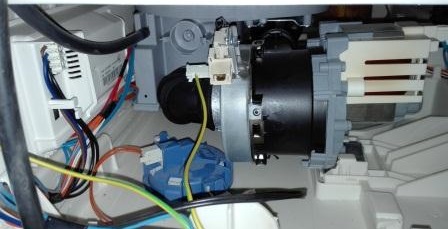
- disconnect the wires connected to the heating element;
- remove the heater from the housing;
- install a new heating element and fix it in place;
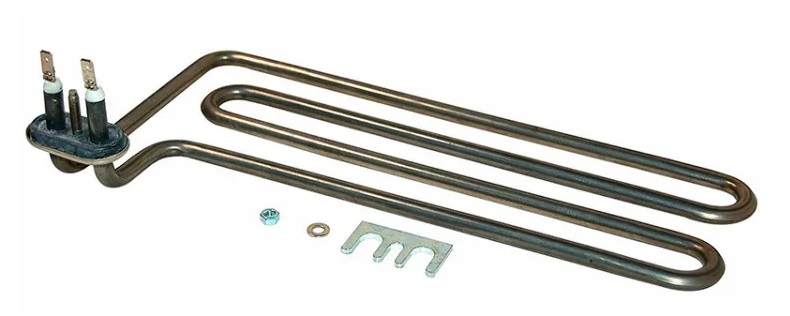
- connect the previously disconnected wires to the part.
After this, run a test wash. If the water starts heating up, the problem is solved. Replacing the heating element isn't considered a difficult job, so you can do it yourself.
PMM does not pump water
If the machine starts but doesn't fill, check the inlet system for blockages. Before doing this, make sure the water supply to your home hasn't been shut off and that the shutoff valve isn't closed.
If everything is fine, you'll need to find the blockage. To do this:
- de-energize the dishwasher;
- turn off the tap that supplies water;
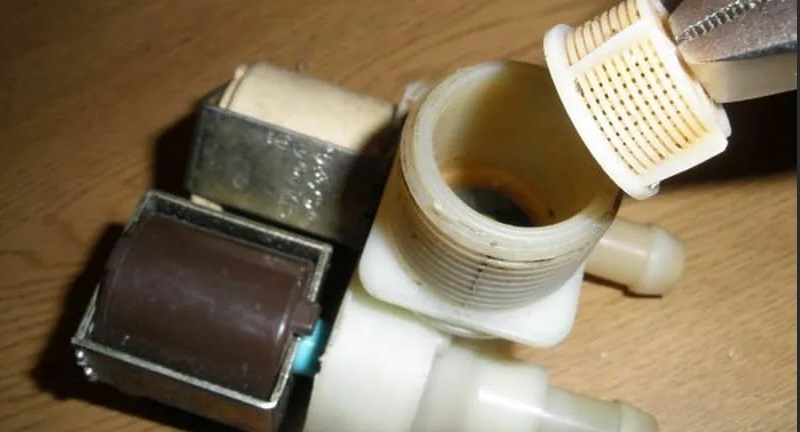
- disconnect the inlet hose from the dishwasher body and feel it for any blockages;
- Remove the filter mesh and clean it from debris.
The problem could be a faulty inlet valve. This part is not repairable; the element will need to be replaced. It's located near the inlet hose connection.
If, on the contrary, the dishwasher constantly fills with water and immediately drains it, the problem may be with the pressure switch. A faulty level sensor causes an overflow. The pump is forced to pump out liquid, and the cycle cannot start. The problem can be solved by cleaning the pressure switch tube or replacing the element entirely.
The dishwasher is making a loud noise and doesn't clean.
Loud noise during dishwasher operation may be due to a faulty pump or motor. Another possible cause is worn bearings. Diagnosis and repair will require disassembling the dishwasher.
To diagnose the electric motor and drain pump, you will need a special device – a multimeter.
Next you need to get to the elements. Before disassembling the dishwasher, be sure to de-energize it and disconnect it from utilities. Then remove the side wall and bottom.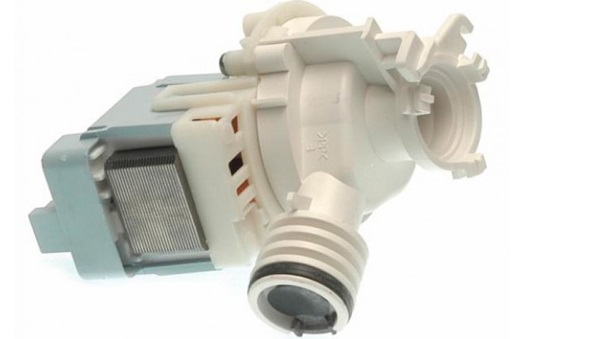
Set the multimeter to resistance mode. Then, touch the tester probes first to the engine contacts, then to the water pump. Readings within 1500 ohms are considered normal. If any abnormalities are detected, replace the components. Removing faulty components is quite simple. Disconnect all wires and pipes leading to them. Then, remove the components from the housing and install the new components, securing them in place.
There is a puddle under the car
If the machine displays the AL01 code, there's a leak. If you notice a puddle under the housing, check the pump seals for wear. If so, the seals will need to be replaced.
Sometimes water leaks from under the dishwasher door. In this case, the door seal may be worn out. Another common cause is improper loading of dishes—large plates prevent the door from closing completely.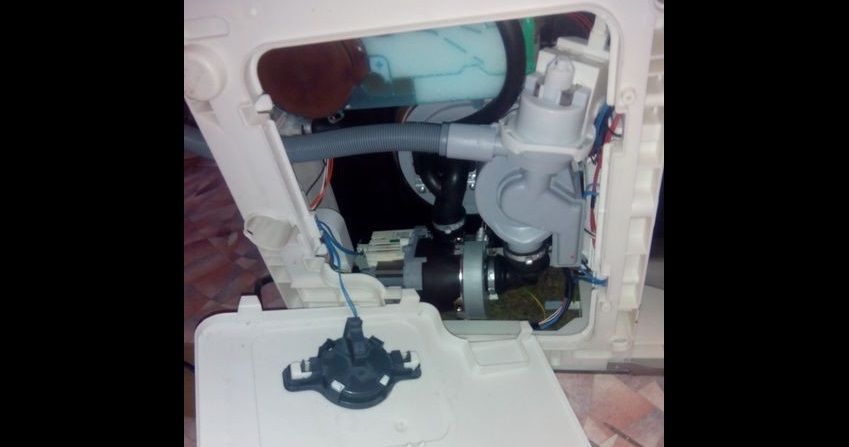
If the door won't close at all, you'll need to check the lock. The locking mechanism usually needs to be replaced. You should purchase a locking device specifically for your dishwasher model.
Leaks can occur at the inlet or drain hose connections. Check the connections and tighten the clamps if necessary. Sometimes you may need to replace or add some fasteners.
The sewage is not drained
A faulty circulation pump or a clogged drainage system could be the cause of improper drainage. If a multimeter test reveals no problems with the pump, check the debris filter and drain hose. Let's start with the filter element:
- open the dishwasher door;
- remove the dish baskets from the bin;
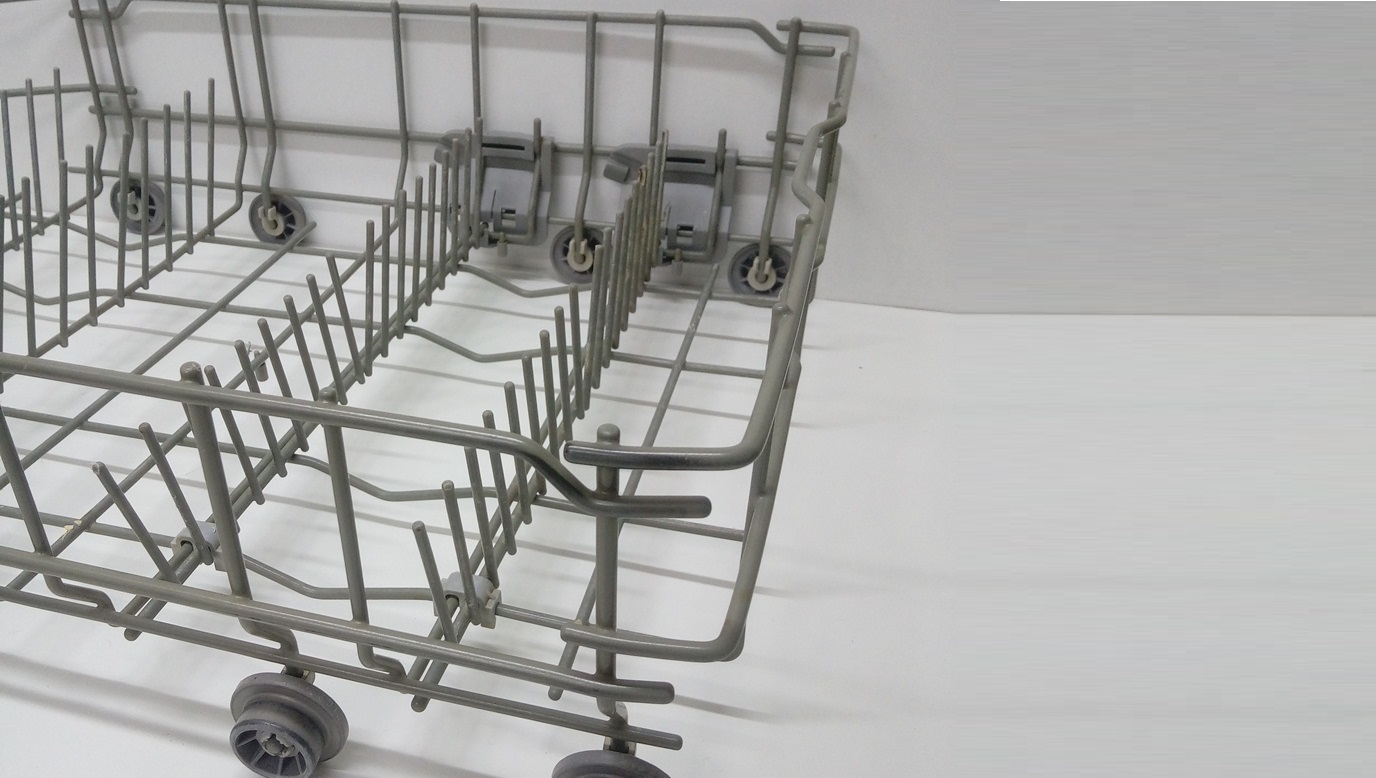
- unscrew the filter and rinse it in warm water;

- remove accumulated dirt from the seat;
- remove the cover covering the hole;
- Remove any debris that is blocking the pump impeller.
Next, check the drain hose. Detach it from the housing and rinse it under running water. Afterward, try running the dishwasher—the problem should be resolved.
Interesting:
Readers' comments
Headings
Washing machine repair




For buyers




For users


Dishwasher




Add a comment