
Whirlpool dishwasher breakdowns
 The American brand Whirlpool established itself over 30 years ago. During this time, users have come to appreciate the high quality of this brand's equipment. That's why many families today choose Whirlpool appliances.
When an electrical appliance breaks down, users are faced with a choice: fix the problem themselves or entrust the repair to a service center. Let's explore the most common Whirlpool dishwasher problems and explain which ones can be resolved on your own.
Common problems with these dishwashers
The performance of dishwashers is affected by various factors. First, the quality of tap water. Second, the household chemicals used. Third, the user's adherence to basic maintenance guidelines. Fourth, the uniformity of the electrical current supply.
Whirlpool dishwashers often fail due to tap water that is too hard.
Impurities and salts contained in hard tap water cause scale buildup on the appliance's internal components. Regular power surges and fluctuations also lead to breakdowns. Therefore, it is recommended to install an additional filter before dishwashers and provide a voltage stabilizer.
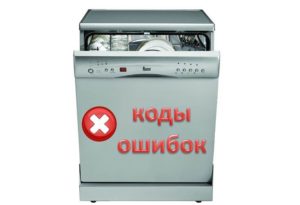
Modern dishwashers are equipped with a self-diagnostic system. If a malfunction is detected, the dishwasher immediately notifies the user. If the dishwasher has a display, the error code is displayed on the control panel. If there is no display, the code must be read from the blinking indicator light.
The most common mistakes of Whirlpool dishwashers:
- E1 – the Aquastop protection system is activated (this means that a leak has been detected);
- E3/E4 – the machine cannot heat water;
- E5 – water does not enter the system;
- E6 – problems with draining waste water;
- F5 – sprinkler lock.
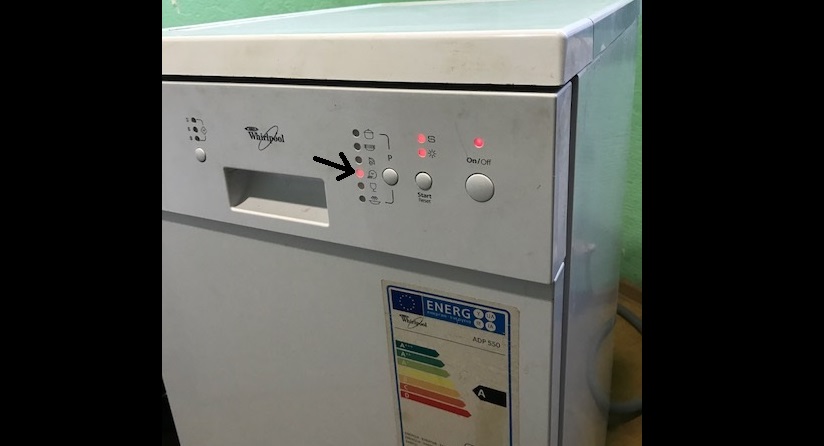
Based on information provided by service centers, Whirlpool dishwasher repairs are most often required for the following reasons:
- failure of the inlet solenoid valve;
- malfunction of the pump that ensures water circulation in the chamber;
- failure of the drain pump;
- clogged injectors, failure of sprayers.
You can fix many problems yourself. However, it's best to entrust repairs to professionals for more serious issues. Let's look at some problems that can be resolved at home.
There is no water in the dishwasher
A common problem faced by dishwasher users is water not entering the chamber. Typically, a faulty inlet valve is the cause. However, other issues are possible, such as:
- the water supply in the house was turned off or the pressure in the pipes was too weak;
- the door is not closed properly, the system is not sealed, so the control module does not give the command to draw water;
- the shut-off valve is closed;
- the inlet hose is kinked or clogged;
- The mesh filter is clogged with debris.
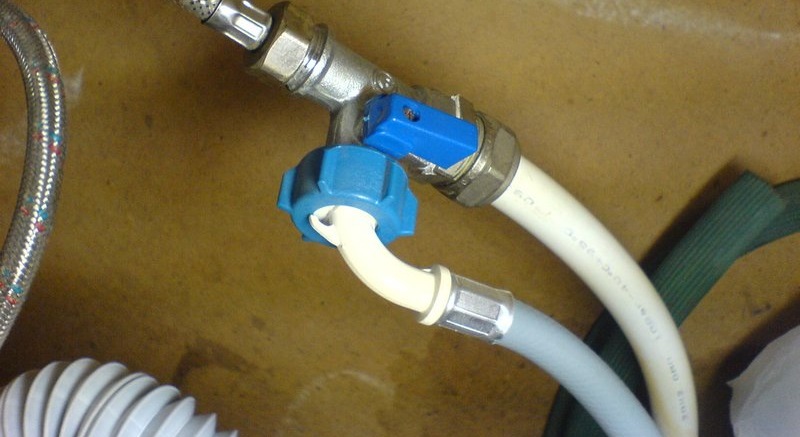
If the inlet hose or mesh filter is clogged, it's easy to fix—just clean it. Sometimes, water isn't filling because the loading door isn't closed properly. In this case, you'll need to press the door harder.
Things are a bit more complicated when it comes to the solenoid valve. To diagnose the coils, you'll need a multimeter. Follow these steps:
- unplug the dishwasher;
- remove the base panel of the case (under the loading door);
- remove the wires from the reel;
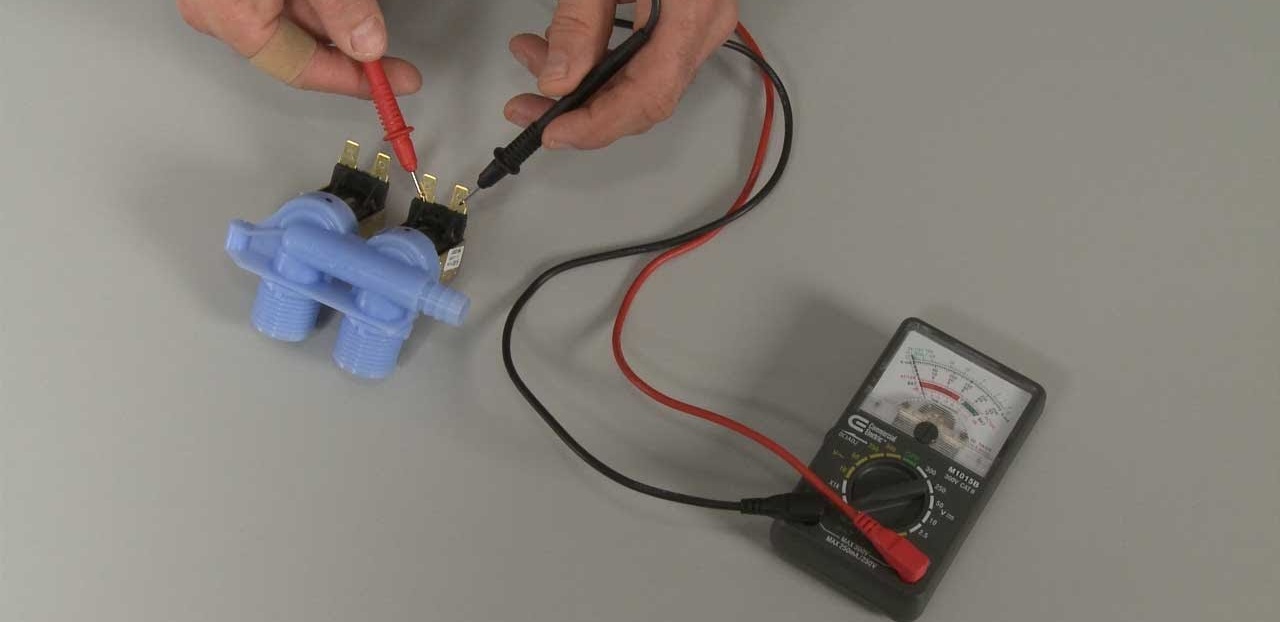
- attach the multimeter probes to the coil contacts;
- evaluate the readings on the device screen (if they are within 500-1500 Ohms, then everything is fine).
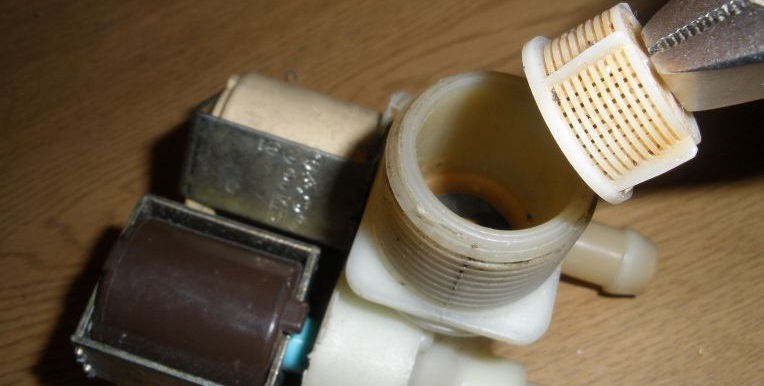
If the actual resistance is greater than the specified value, the solenoid valve will need to be replaced. Purchase a similar intake manifold and install it in its place. You need to purchase components for a specific dishwasher model.
Another reason why water won't fill the dishwasher is the activation of the Aquastop safety system. If water gets into the dishwasher's inlet hose, it becomes damaged and needs to be replaced.
Machines with full leak protection are equipped with a special sensor located in the drip tray. When liquid accumulates under the dishwasher, the device is triggered, and the module blocks operation until the problem is resolved.
The program does not start
Sometimes you might encounter this situation: the dishwasher turns on, the user selects the desired program, starts it, the indicator lights up, but the cycle doesn't start. What should you do in this case? First, try resetting the dishwasher.
Resetting your dishwasher is very simple:
- unplug the power cord from the socket;
- let the device sit for 10-15 minutes;
- Plug your "home assistant" into the network.
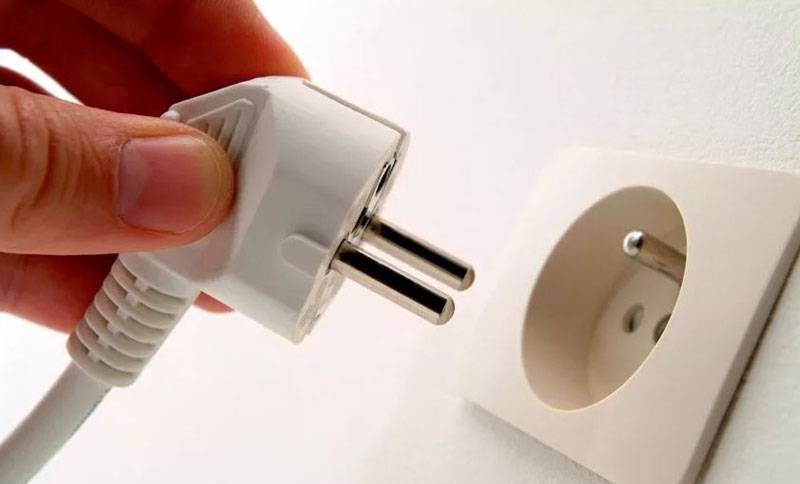
This can help resolve a short-term malfunction of your dishwasher. If restarting doesn't help, you'll need to continue investigating the cause of the problem.
The problem may be blocked spray arms. Check if any dishes are blocking the spray arm. If so, simply removing a couple of extra dishes will allow the dishwasher to start the cycle.
Sometimes the wash cycle doesn't start because the nozzles are clogged – you can clear them with a toothpick and warm water.
If the problem isn't with the spray nozzles or injectors, it's worth checking the circulation pump. This can be done with a multimeter. If faulty, the element must be replaced.
Sometimes a dishwasher won't start a cycle due to a faulty motor. The motor can also be checked with a multimeter. To access the motor, you need to:
- de-energize the dishwasher;
- disconnect the machine from the water supply and sewerage system;
- place the dishwasher on the floor, on its back panel;
- remove the bottom;
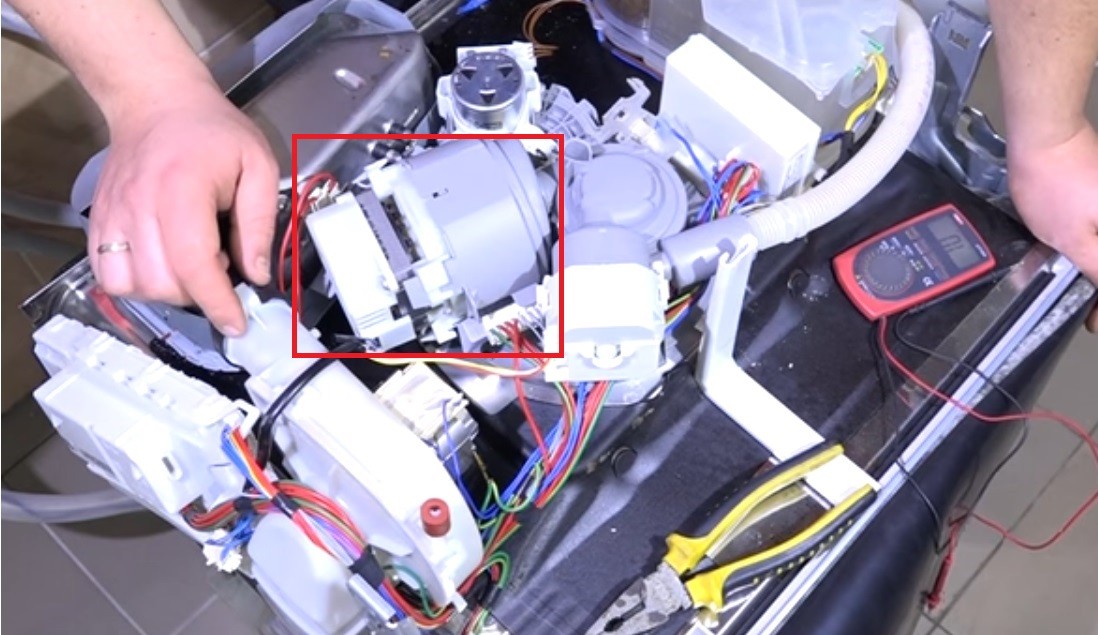
- find the motor, disconnect all the connectors from it;
- cope with fasteners;
- remove the electric motor.
If the inspection reveals the motor is faulty, it will need to be replaced. Install the new motor in reverse order. If this doesn't help, the problem may be with the electronic module. It's best to leave control board repair to a specialist.
The dishwasher does not remove waste water.
Sometimes, when approaching the dishwasher, users notice that the cycle has long since ended, but the water in the chamber hasn't drained. Typically, the water in the bin isn't draining due to a clog in the drainage system. Food particles left on the dishes end up in the system and clog the filter.
The drain hose is the first item to check. Inspect it to make sure it's not pinched or kinked. It's a good idea to disconnect the hose from the dishwasher and rinse it under running water.
Next, check the dishwasher filter:
- de-energize the machine;
- open the loading door;
- take out the dish baskets;
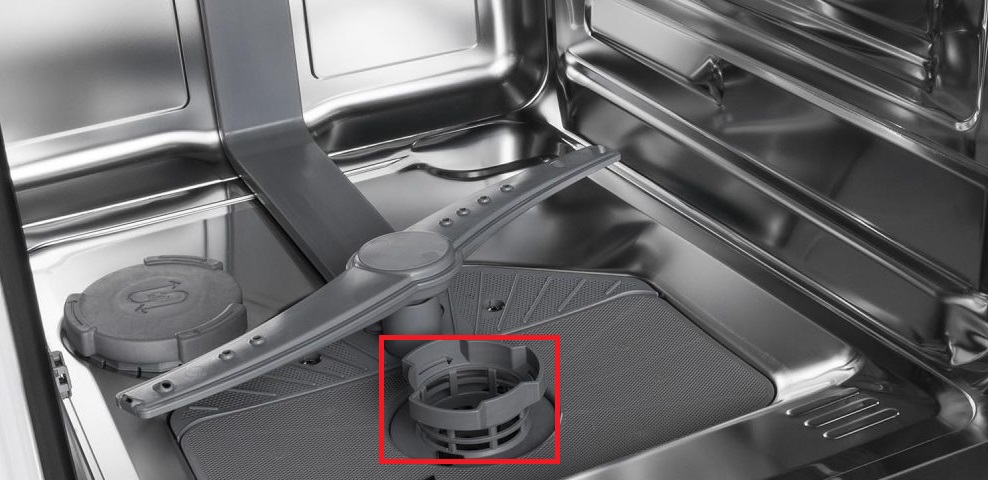
- find the drain filter, it is located at the bottom of the chamber;
- unscrew the filter element and clean it;
- remove dirt from the seat.
The pump impeller is hidden behind the drain filter. It's recommended to clean it immediately to remove any debris. It's possible that a foreign object is blocking the impeller's rotation, preventing drainage.
Another possible cause of improper drainage is a faulty pump. This unit can be diagnosed with a multimeter. The pump cannot be repaired; if it malfunctions, the element will need to be replaced.
The machine doesn't heat water.
This is another common fault with all dishwashers. A broken heating element is usually the cause of a lack of heat. Hard tap water causes scale buildup on the heating element, leading to premature failure.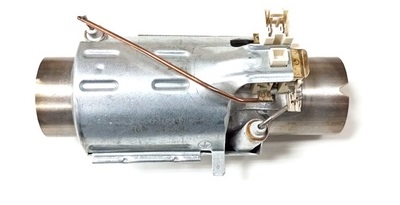
The solution will involve replacing the heating element. Installing a new heating element is easy. Simply partially disassemble the dishwasher body, locate the element, remove the terminals, and install the new part. After that, run a test wash.
Interesting:
Readers' comments
Headings
Washing machine repair




For buyers




For users


Dishwasher




Add a comment