
Zanussi washing machine malfunctions
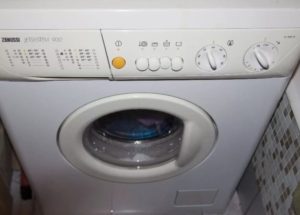 Zanussi washing machines, like all large household appliances, often break down. A foreign brand and high-quality assembly don't guarantee trouble-free operation – both manufacturing defects and other system malfunctions are common. Typically, breakdowns are more often the fault of unforeseen circumstances and users who fail to follow the washing machine's operating instructions, rather than the manufacturer.
To avoid expensive repairs, it's worth learning about common Zanussi washing machine problems. Knowing the common problems makes it easier to diagnose and fix the problem.
What kind of breakdowns do you encounter?
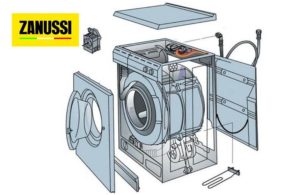
According to service center statistics, Zanussi washing machines typically break down in specific areas and components. The fact is that this manufacturer has a number of parts and components that, due to shortcomings of the developers or Russian realities, are considered the most vulnerable. We are talking about the filling and drainage system, UBL, heating element and drive belt.
- Fill and drain system. Like all foreign-made machines, Zanussi is not designed to work with water of extremely poor quality. In Russia, the water supply is often oversaturated with salts and impurities, which deposit on the electric heater and other machine components as a film. The provided filtration systems are insufficient, becoming clogged with limescale and rust. If the user doesn't install additional filters or use softeners, the hoses, pump, inlet valve, impeller, and pipes become clogged and cause problems.
- Zanussi's door locking system is of poor quality: the component is poorly designed and frequently breaks. This is the manufacturer's fault, which, coupled with careless operation, leads to periodic malfunctions.
- Heating element. These machines' heating elements become scaled faster due to the manufacturing process using an unimproved coating on the tubular section. These components attract limescale, which results in overheating and subsequent failure.
- Drive belt. The rubber used in the drive is not very elastic or durable, which is why it stretches, breaks, and comes off more quickly. You can prevent breakage by inspecting the rim every three months. If stretching or tearing is noticed, the component must be replaced or tightened.
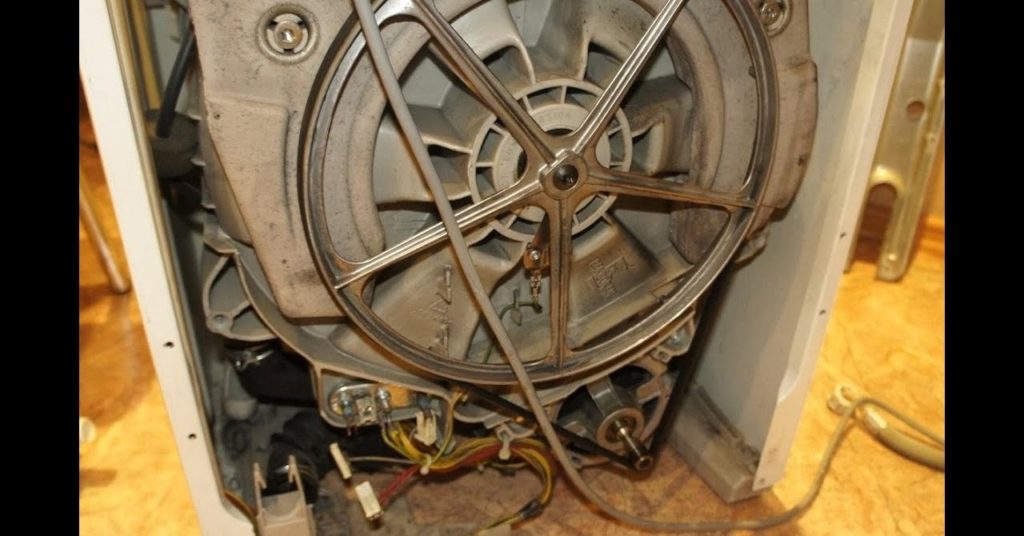
Zanussi has a number of typical faults: breakdown of the heating element, door lock and drive.
The listed reasons for Zanussi breakdowns are considered typical. Other system malfunctions also occur, but these are more often the fault of the user, who fails to follow the washing machine's operating instructions.
There's no need to wait for a malfunction to manifest itself with cycle interruptions and other unpleasant symptoms. It's better to regularly check the machine's weak points and monitor the display. Zanussi's modern self-diagnostic system often alerts users to potential problems in advance via error codes.
List of common mistakes
Modern Zanussi machines are equipped with a "brain"—a control board that can detect system failures and alert the user via error codes. A full list of the combinations displayed on the display is provided in the manufacturer's instructions. If the machine lacks a display, self-diagnosis is performed using the indicator lights.
Zanussi appliances typically display error codes E11, E12, E21, and E22. Let's take a closer look at what these codes mean.
- E11. Intake problems. Most likely, the water supply valve is turned off. Another cause is low water pressure in the water pipe. E11 also lights up when the filter mesh is clogged or the inlet valve is broken. Diagnostics include checking the hose for integrity, cleaning the filter nozzle, and testing the resistance on the valve coil. In the latter case, the reading should be 3.8 kOhm.
- E12. Water inlet problems during drying. If the combination appears on the screen 10 minutes after starting the drying cycle, the problem is with the inlet valve.
- E21. The flush is not working. The explanation is simple: wastewater is not being pumped from the tank into the sewer. Problems with drainage can be caused by a clogged drain filter or pipes, as well as a blocked pump impeller. The final "diagnosis" is easy to make: the blades don't spin freely, but rather lock. They can't be repaired, only replaced.
- E22. Low water level during drying. The condenser likely needs to be emptied.
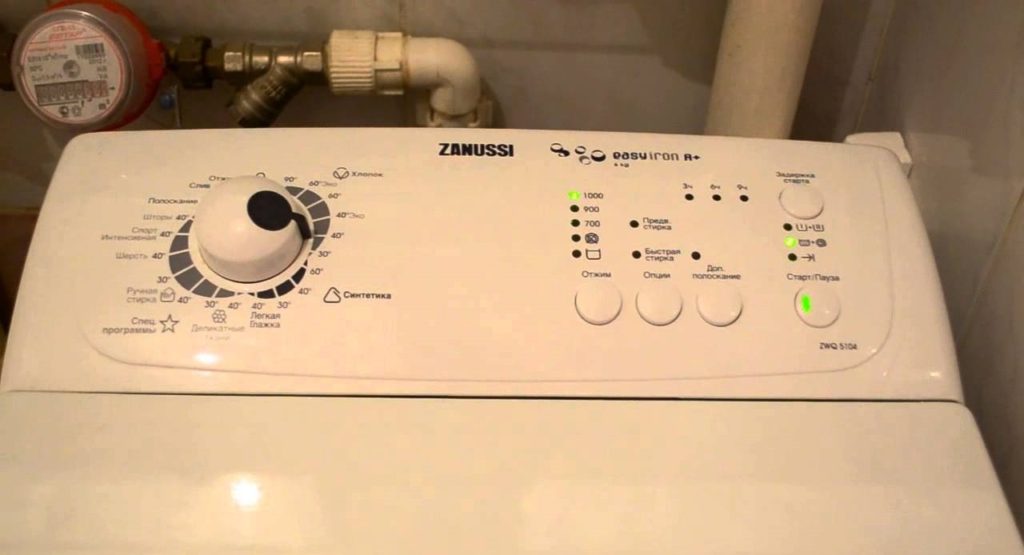
Thanks to the self-diagnostic system, you can avoid checking the entire machine and focus on troubleshooting. The key is to correctly decipher the code using the manufacturer's instructions or user manual.
Maintenance of flow filter
Clogged filtration systems are one of the most common reasons a Zanussi washing machine stops working. This prevents either draining or filling with water. The inlet filter is the most common cause of clogged water, becoming coated with limescale and dirt.
Fixing the problem is easy: just clean the filter built into the water pipe. If it's missing, clean the filter mesh located at the junction of the inlet hose and the machine body. Here's how:
Experts recommend choosing improved inlet filters that can soften tap water.
- remove the top cover of the washing machine by loosening the corresponding bolts;
- we look where the inlet hose connects to the body;
- we find a mesh filter;
- Using pliers, remove the mesh from its seat;
- clean the filter (sometimes you need a toothbrush or toothpick);
- we fix the mesh in the “nest”;
- We assemble the machine in reverse order.
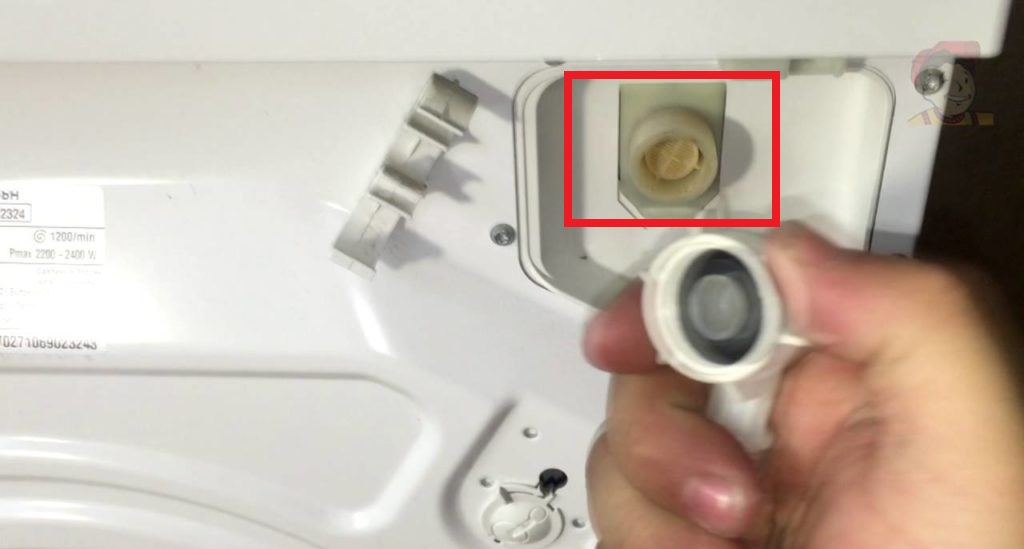
Cleaning the inlet filter system on a top-loading Zanussi washer yourself follows a similar process. It's important to understand that the debris filter, located in the lower right corner of the machine, often becomes clogged. Hard water is not the only culprit here, but also excessively dirty clothes. Along with the clothes, hair, threads, sand, lint, paper, coins, and other debris can end up in the drum, causing problems with the pump. As a preventative measure, it's recommended to clean the drainage system every three months.
Broken lock
Zanussi door locks often fail, especially on the Aquacycle and Easyiron models. It's difficult to say whether the manufacturer or a careless user is more to blame. Sometimes the problem isn't with the door lock at all, but with a faulty control board. However, the plastic clips that hold the door in place are very fragile and weak, so they often break at the slightest pressure on the hinges from the owner. While the mechanical lock survives, the electronic one will immediately fail.
There is no point in repairing the UBL – it is cheaper and easier to replace it with a working one. Price The price of a new blocker for Zanussi is around $15. But before heading to the store and starting repairs, it’s worth making sure that the problem is real.
We proceed as follows: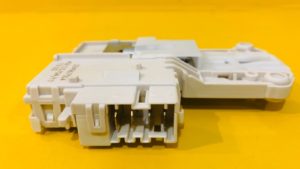
- open the hatch;
- We find two bolts near the locking mechanism that hold the UBL and unscrew them;
- We pry up the outer clamp on the cuff with a screwdriver and loosen it;
- we insert the rubber band into the drum;
- we put our hand into the resulting hole, feel for the blocker and disconnect the wiring from it;
- we take out the UBL.
Afterwards, you'll need to assess the condition of the lock yourself: inspect it for damage and test it with a multimeter. If the device is faulty, use the removed locking block as a sample and head to the store for a new one. Then, install the device back into the housing according to the instructions in reverse order.
Heater circuit
The tubular heating element is considered the most vulnerable component in any washing machine, especially in Zanussi. The coating used on the heating elements is far from ideal, often leading to rapid scale buildup and subsequent problems. In this case, the washing machine displays the error code "E05" on the screen, indicating that it is unable to heat the water.
To check and repair the heating element, you need to:
- turn the washing machine with the back facing forward;
- remove the back panel by unscrewing the corresponding bolts;
- find the heating element's "chip" - it's located under the tank with two contacts and wiring;
- touch the probes and measure the resistance.
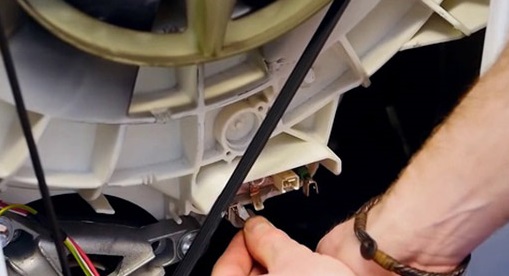
A functioning heater should read 20-40 ohms. Readings closer to 0 indicate a fault. The heating element cannot be repaired; it must be replaced.
To remove the heating element, you need to:
- unscrew the central nut;
- press the pin inward;
- release the connected wiring;
- remove the heating element.
We recommend using only genuine replacement parts. Third-party heating elements will not last long or may cause damage to the control board.
Drive mechanism
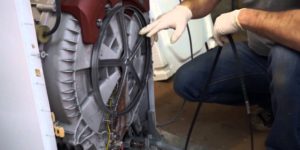 If the drive breaks down, the machine continues to wash, but the drum does not spin. To solve the problem, you will have to remove the back and inspect the pulley. If the belt has come off or shifted, it is enough to return the rim.
It's worse if the rubber band is still in place. Then you'll have to replace the belt yourself. Then, run a test wash and evaluate the results. If the drum still doesn't move, the pulley needs a comprehensive inspection.
Interesting:

4 reader comments
Add a comment
Headings
Washing machine repair




For buyers




For users


Dishwasher




The Zanussi machine doesn't spin 100 percent, but it does drain the water.
Thank you, everything is available! There's just one problem: where can I buy original spare parts? The car is already 22 years old! Otherwise, it's all clear.
The machine won't switch to rinse. What should I do?
The machine turns on, fills with water, then the temperature drops to the snowflake icon and the water drains. What should I do?