
Whirlpool top-loading washing machine breakdowns
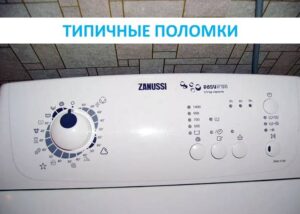
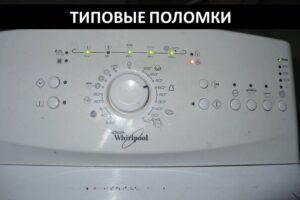 The longer a household appliance is in use, the higher the risk of its failure due to heavy use. This can't be prevented, so it's best to prepare for the possibility of having to repair your "home helper" one day. Let's explore the common problems with Whirlpool top-loading washing machines that you might encounter while using them.
The drum is jammed
Most often, owners of Whirlpool brand equipment require repairs because the washing machine drum is jammed.In this case, someone will need to turn the drum upside down to restore the appliance's functionality. If this particular component needs repair, it means the appliance doors have opened after the cycle has finished or have rotated downwards after the wash cycle has stopped. This can occur due to damage to the locking mechanism or due to the doors not closing properly. In any case, the owner must fix the problem as quickly as possible, as until then, they simply won't be able to remove clothes from the drum and continue washing.
Fixing a washing machine with this problem is very simple, so it's best not to rush to a repair service and instead try repairing it yourself. Simply follow the standard instructions step by step: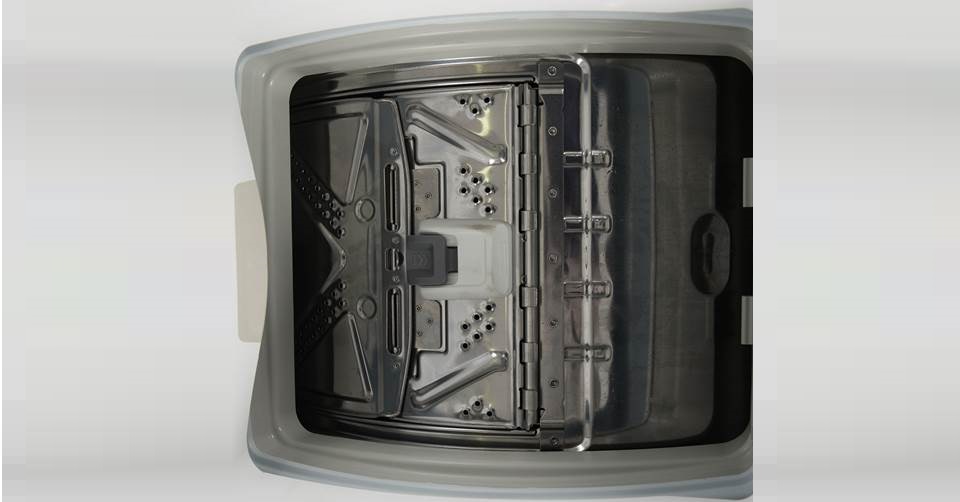
- Find a long steel wire with a cross-section of 3 to 6 centimeters.
- Bend one end of the wire to create a hook-like shape.
- Lower the hook down.
- Try to hook the door of the washing machine to then close the hatch.
- Also close the doors and try to rotate the drum so that the hatch is on top.
As you can see, the procedure itself isn't particularly difficult, but it usually requires a lot of practice because all the manipulations must be performed blindly. If the opening on your Whirlpool is too small to insert the hook, widen the opening and try again. As a last resort, you can partially disassemble the appliance to access the doors and close the drum manually.
Electronic module
Often, the root cause of washing machine malfunctions lies in the control board. This is the key component of the system, which controls the operation of all the device's components. If the machine's "brain" gradually fails, the equipment will malfunction during washing, reset the active program, and ignore user commands either partially or completely.
If the control module fails, only a service center specialist with the appropriate tools, software, and extensive experience in repairing such boards can fix the problem.
Because a damaged machine's "brain" always operates differently, it is very difficult to diagnose and repair. Repairing it most often requires a software update or replacing burnt-out capacitors and resistors. Repairing the terminals, contacts, and circuit board tracks is also sometimes necessary.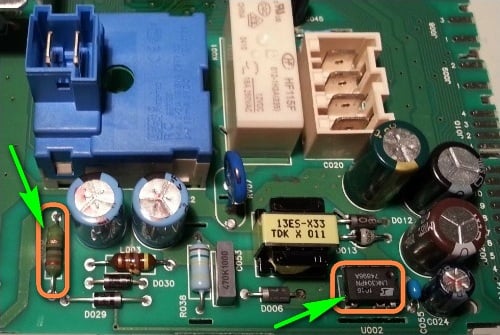
To protect the control board, experts recommend purchasing a voltage stabilizer for your home, which will protect expensive appliances from sudden power surges. While such a device is expensive, it's much cheaper and easier to buy than to pay for a complex repair of the control module, which can cost half the price of the appliance.
Bearing failure
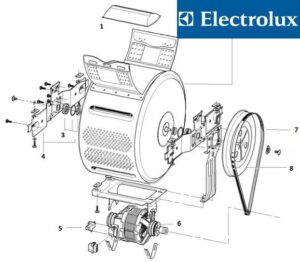
Also, to restore Whirlpool household appliances, it is often necessary to repair broken bearings. They sometimes break because the water seal dries out completely, becomes deformed, and eventually lets moisture through. Due to damage to the seal, water washes out the lubricant and the bearing rings gradually wear out, become deformed and finally break.
When bearings fail, it becomes clear from a loud humming, knocking, grinding, and clanking noise, not only during the spin cycle but also during the wash cycle. To check the bearings, simply open the door and try to spin the drum. If the drum tilts and makes a loud squeak, the bearings need repair.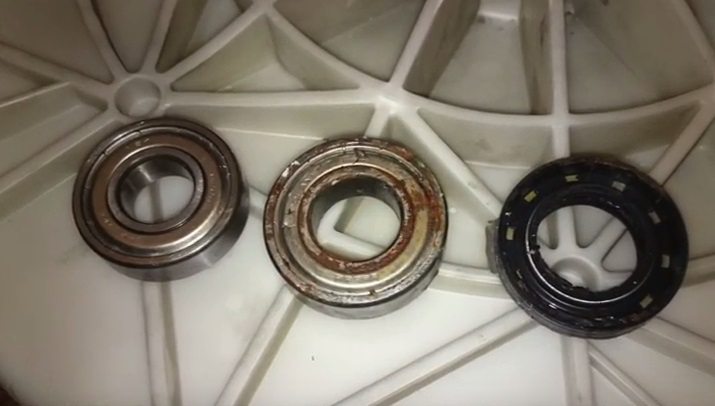
Repairing this component yourself is very difficult, as you'll need to almost completely disassemble the washing machine, remove the drum, and then cut it in half if your model doesn't have a separate drum. In this case, after removing and replacing the bearings, you'll need to secure the cut drum with secure clamps and treat everything with WD-40.
Therefore, if you're not confident in your ability to disassemble the washing machine, cut the tub in half, remove worn bearings with a chisel and hammer, and then reassemble everything properly, it's best to simply call a repairman. This will prevent you from accidentally making the situation worse and save you time.
Interesting:
Readers' comments
Headings
Washing machine repair




For buyers




For users


Dishwasher




Add a comment