
What items should not be washed together in a washing machine?
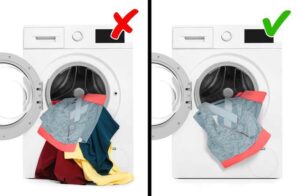 Before loading laundry into the drum, it's important to sort it. Some items shouldn't be washed together in the washing machine, while others can be mixed. Let's learn how to properly separate clothes into "lots" to keep your favorite items looking their best.
What happens if you wash everything in a pile?
When a laundry basket is full, it's often simply thrown into the washing machine. Then, the most versatile setting, such as "Hand Wash," is selected and the cycle is started. In the best-case scenario, nothing unpleasant will happen—the clothes won't lose their appearance. However, in the long run, this approach to clothing will inevitably lead to tragic consequences.
For example, washing without sorting can be fraught with:
- Deformation of items. If you don't consider the fabric the item is made of and choose the wrong setting, it can easily shrink or stretch;
- A change in the color of your underwear. For example, a white blouse washed with red tights will easily acquire a pinkish tint, while a light-colored blouse washed with black pants will turn gray.
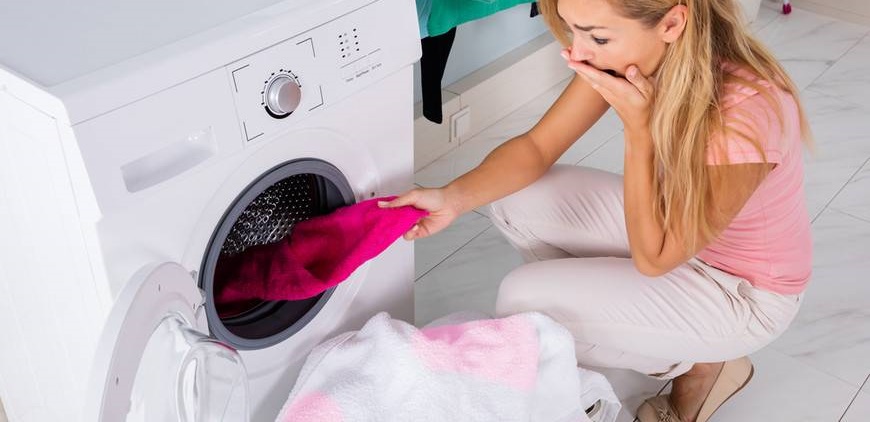
Avoid washing items inappropriate for their intended purpose together in the washing machine. For example, sneakers and bedding, or jeans and bras. It's also important to select the right detergent for each fabric type. Avoid using bleaching powder on black items, or using detergent for bright colors on white laundry.
Sorting before washing will help prevent deformation of items and preserve their original appearance and properties.
The label will be the hostess’ “helper” in this matter. The manufacturer indicates basic recommendations for linen care on the label. On the label you can see whether machine washing is allowed, whether the fabric is prone to fading, what temperature conditions are acceptable, etc.
Is the new item subject to shedding?
Manufacturer's tags sewn into the inside of the garment are often uncomfortable to wear, so people cut them off after purchase. This makes it impossible to see if the material will fade. There are two ways to answer this question.
Sometimes manufacturers sew a small piece of fabric inside a garment. If you have a sample, cut it out and soak it in ammonia. Wait 10-20 minutes. Then rinse the piece and dry. If the color doesn't change, the material is colorfast.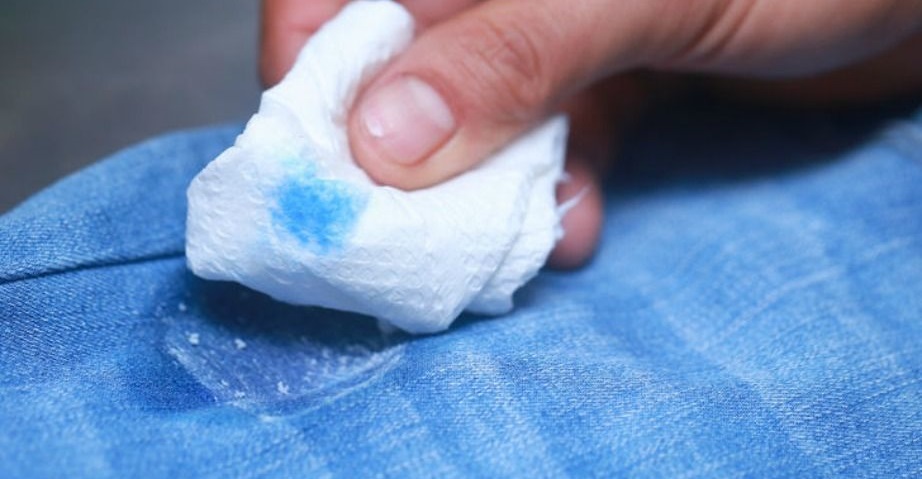
If there's no sewn-in piece of fabric, test it another way. Dampen a small area with water, place a white paper towel over it, and iron it. If the sheet doesn't bleed, the garment is colorfast.
Denim tends to fade even after several washes, so it should be washed separately from other items.
We sort things by color
Laundry is sorted not only by fabric type but also by color. Black items are always washed separately. It's acceptable to mix in items in shades of blue, brown, dark gray, and purple. The same applies to white items. You can add cream, pastel, and light-colored items with small, colorful patterns to the mix. Bright or dark colors are strictly prohibited.
As for brightly colored fabrics, there are special rules for them. Washing is mandatory with detergents designed for colored clothing. Light-colored items with large patterns or designs are also allowed.
There's no need to sort items by color. For example, throwing a hot pink skirt and a red skirt together is perfectly fine. Be careful with clothes that are prone to fading—it's best to wash them separately. Experts recommend against washing the following items together:
- white and dark;
- colored and white;
- black and color.
Completely different detergents and washing machine programs are used for washing white and black items. Light-colored clothing requires bleaches that are unsuitable for dark fabrics. Mixing these shades can easily ruin the look of your wardrobe.
Wash black items at low temperatures. A low temperature isn't enough to properly care for whites. Furthermore, dark fabrics almost always fade, causing lighter fabrics to take on a grayish tint.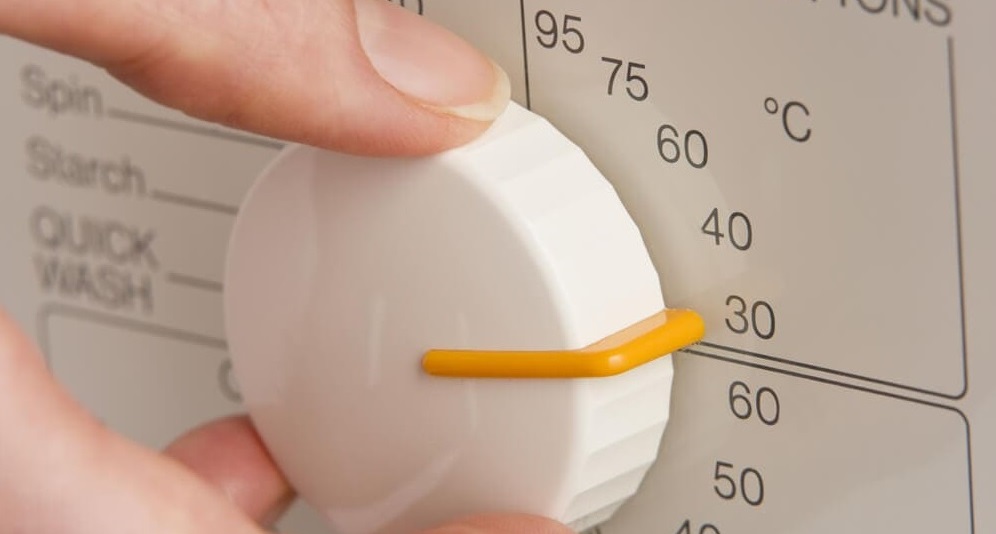
As for colored and white clothes, they also require completely different detergents and washing modes. For bright colors, a water temperature of 30-40°C is recommended, while for light colors, a temperature of 60°C is recommended. Combining these two types of clothes will not bring any good results—their general washing quality will decrease.
Although the temperature setting for washing black and colored items is the same, it's not recommended to toss them in the washing machine together. This is because separate cleaning products should be used. The exception is brightly colored clothing that is as close to dark shades as possible.
Sorting by fabric type
It is very important to sort things by the type of fabric used for sewing. Depending on the material, recommendations for choosing a detergent, water heating temperature, and preferred washing program will vary. Some items can be thrown into the drum together, while others must be loaded separately or even washed by hand.
Allowed to wash together:
- cotton, linen and calico clothing;
- wool and cashmere products;
- synthetic and semi-synthetic materials.
There are items that cannot be combined with any other fabrics and must be washed separately. These include fleece, rayon, silk, and lace. It's best to hand wash these delicate fabrics rather than throw them in the washing machine.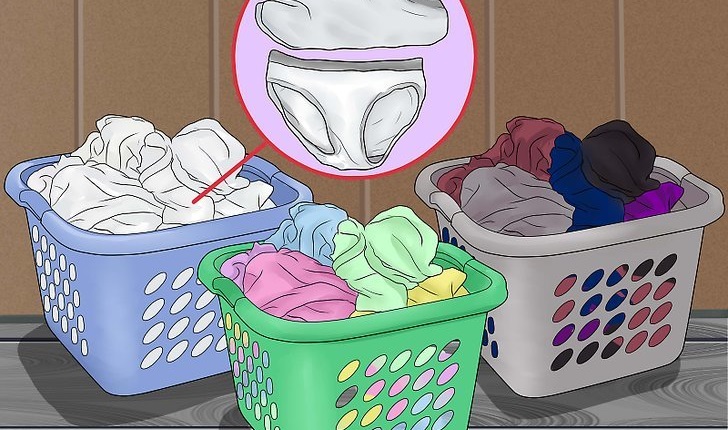
If you don't pay proper attention to sorting and throw cotton and wool items together, you won't have a good time. Wool will shrink when exposed to hot water, and spinning, even at low speeds, can irreparably damage the item. Therefore, it's crucial to separate laundry into batches based on fabric type.
It's best to wash the most delicate fabrics separately and by hand. This will ensure the gentlest care possible. Before washing, be sure to read the care label. This will give you an idea of how to properly care for your linens.
Interesting:




Readers' comments
Headings
Washing machine repair




For buyers




For users


Dishwasher




Add a comment