
Why does a new washing machine smell like plastic?
 Many people aren't surprised when a new washing machine smells like plastic—almost all appliances emit a characteristic odor for a while after purchase. This is due to phenols that evaporate from the machine during the first few days of use. But is this normal? A plasticky smell emanating from a washing machine often indicates poor quality and a breakdown. The problem can be identified over time or through diagnostics, with the latter being quicker and more effective.
The source of the stench
Almost all new appliances emit a characteristic plastic smell when turned on, and washing machines are no exception. This is generally considered normal. During the first days of operation, the rotation mechanisms are ground in, especially their rubber elements. The grinding process is accompanied by a slight hum and a strange odor. Over time, the components "adapt," and the odorous fumes cease to be emitted.
You need to make sure that it is the washing machine that is smelling, and not the outlet, power cord or extension cord!
The most important thing is to immediately eliminate the burning smell. Sometimes the unpleasant "aroma" is caused by damaged insulation, a hot extension cord, or a power outlet. In this case, don't hesitate – unplug the machine and check the electrical system. Grinding mechanisms and wiring aren't the only possible causes of "smelly" problems. The machine can also emit plastic fumes from the drive belt, tank, seal, motor, low-quality components, and detergent.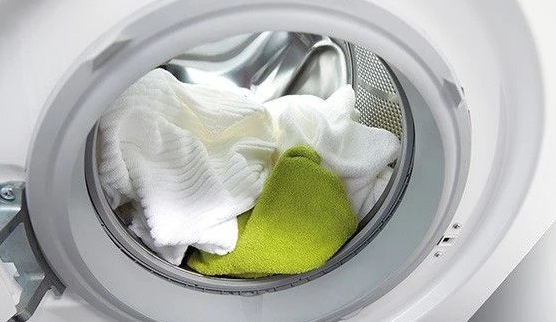
- Tank and seal. During the first few washes, plastic polymer tanks heat up, releasing plasticizers and chemical additives—this is inevitable.
- Drive belt. A loose or loose rubber belt on the drive will heat up and emit a characteristic odor when the pulleys rotate. This requires intervention: replace or secure the "rim" properly.
- Low-quality components. Cheap plastic emits vapors when heated, and the poorer the quality of assembly, the longer the "odor" will last.
- Laundry detergent. A poor-quality detergent isn't an obvious reason for a washing machine smell. Try changing your detergent first.
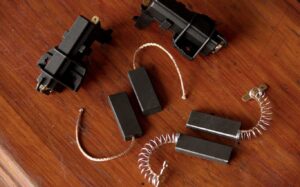
- Engine. This could be due to un-bedded electric brushes, the carbon tips of which initially wear away on the motor housing. Or a leaking fuel tank.
It's best to try to figure out why your washing machine smells like burning or plastic. At the very least, rule out dangerous possibilities such as overheating wiring, a leak, or a drive belt. We'll outline a step-by-step plan below.
How to solve the problem?
If a "plastic" odor appears, it's not recommended to immediately disassemble the washing machine. Firstly, it's best to wait—most likely, there's nothing serious. All volatile substances will evaporate over time, and the odor will disappear. Secondly, opening the casing yourself may void the warranty.
The best option is to wait. The main thing is to rule out any problems with the machine's electrical system beforehand. The smell should dissipate on its own over time, although no one can give a precise timeframe: it all depends on the manufacturer and the quality of the assembly. Typically, the situation stabilizes within 5-14 days.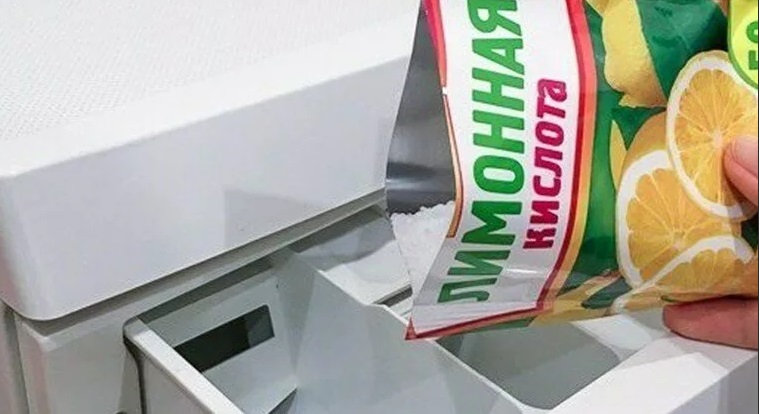
If not only the machine but also the laundry washed in it smells, it is recommended to clean the washing machine with professional chemicals. It is enough to “wash” the machine once with citric acid, vinegar or a special cleaner. It's important to follow the dosage instructions. If waiting and cleaning don't help, carefully inspect the machine using the following steps:
- carefully remove the top and side covers of the case;
- turn on the washing machine at full power and wait until the smell intensifies;
- Turn off the machine and feel the drive belt, cuff, wiring (to check for excessive heating).
The next steps depend on the problem detected. Typically, the issue is resolved by diagnosing the drive and engine. Step-by-step instructions are below.
The engine is the culprit
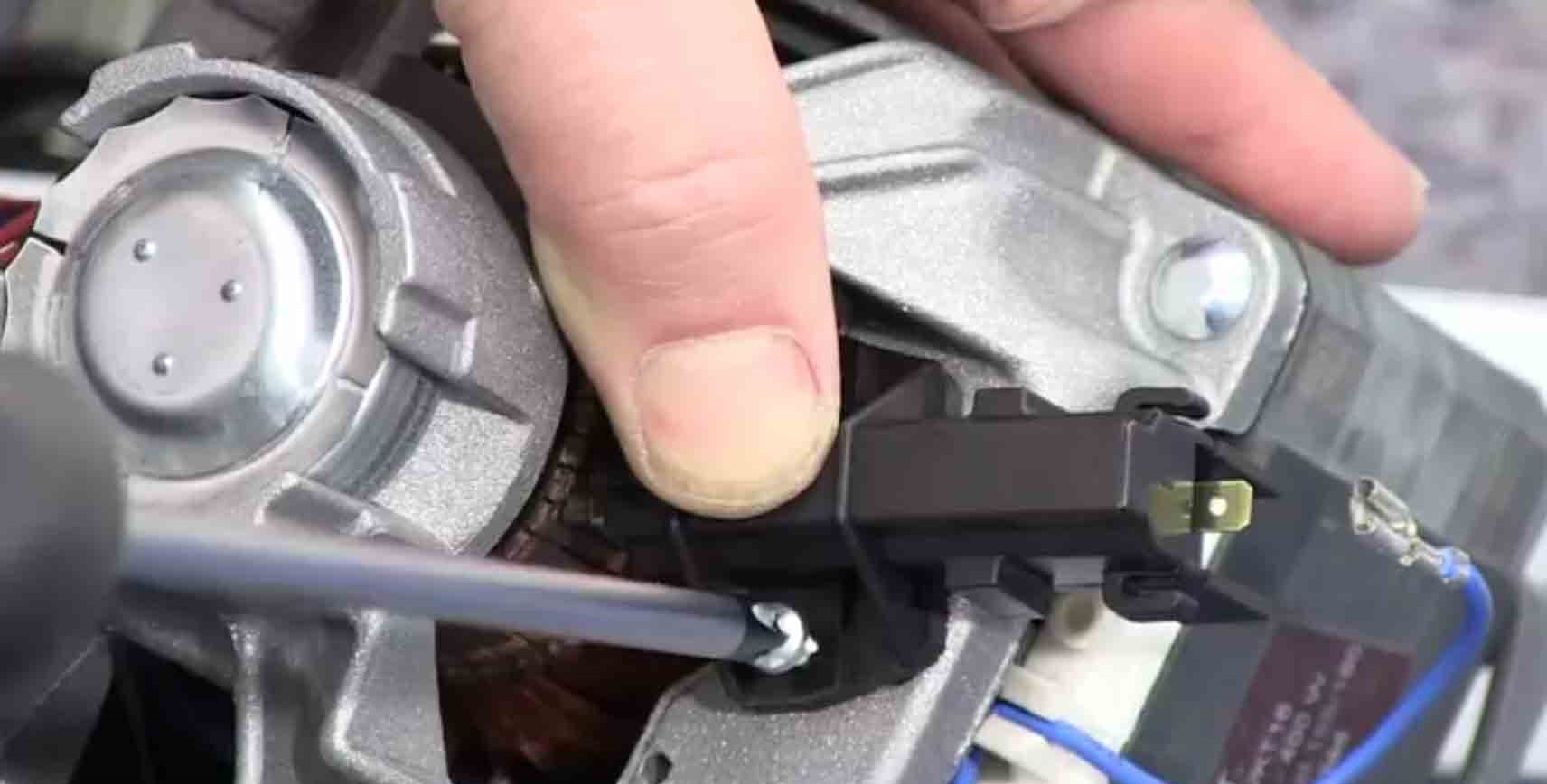
Sometimes the washing machine smells like burnt plastic because of the motor. Sometimes this is due to water getting into the motor, but more often the problem is with the brushes—they're worn out or, conversely, not properly seated. While the latter case requires waiting, the former requires replacing the brushes with new ones. Almost anyone can handle this task. Here's what you need to do to replace these components:
- disconnect the machine from communications;
- remove the rear panel of the case;
- pull the drive belt off the pulley;
- find the motor under the tank;
- remove the engine from the wiring;
- loosen the bolts holding the motor;
- remove the engine from the car;
- found on the body of the electric brush;
- unscrew the bolts that secure the brushes;
- dismantle the "coals";
- install new brushes.
An important detail: brushes are always replaced in pairs. Replacement brushes are selected based on the washing machine's serial number. Ideally, you should remove the old brushes and bring them to the store. Immediately inspect and test the motor winding with a multimeter. It may be damaged, shorting out, overheating, or smelling burnt. If the motor is fine, check the drum. The slightest crack will allow water to leak, which will cause a burning smell if it gets into the motor.
Drive belt
There's a smell of burning plastic coming from the rear of the car and from the drive belt. This is caused by worn bearings and improper installation—the pulley starts rotating in a different direction, and the rubber rubs against adjacent components. Especially There is a strong smell during spinning. Sometimes black smoke comes out of the washing machine. Replacing the drive belt is easy:
- we disconnect the machine from communications;
- remove the back of the case;
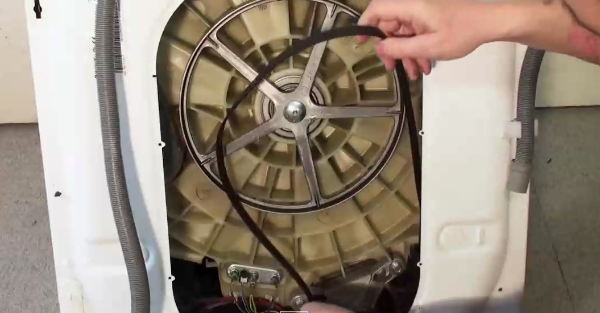
- we remove the rubber band from the pulleys;
- We first pull the new belt onto the engine pulley, then onto the drum pulley.
It's best to figure out why the belt is "warped." If the problem is with the bearings, they will need to be replaced along with the seal. To do this, the transmission is disassembled, the drum is removed from the housing, the rings are knocked out, and then new ones are installed.
Other elements
A sudden burning smell may indicate a burned-out surge protector. Remove the top cover, locate the device, and inspect it. Black deposits and traces of burning indicate a problem with the power supply. The component needs to be cleaned or replaced.
Next up is the heating element. A thick layer of scale on the heating element, as well as loose contacts and other defects, cause overheating and an unpleasant odor. The element needs to be replaced or cleaned using a high-temperature cycle with citric acid.
Interesting:




Readers' comments
Headings
Washing machine repair




For buyers




For users


Dishwasher




Add a comment