
Do you need a siphon for a washing machine?
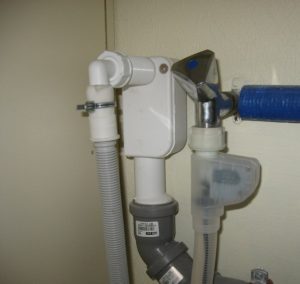 To ensure proper operation of your washing machine, it's important to properly drain the water from the washing machine into the sewer. The machine comes with a drain hose that needs to be connected to the house's plumbing. Let's explore whether purchasing and installing a trap is necessary for your washing machine, or whether it's better to connect the drain hose directly to a branch pipe. We'll also discuss the advantages of using a plastic elbow.
What is this device for?
It's crucial to connect your washing machine correctly so that water can drain smoothly during the wash cycle. This is essential for the proper functioning of the appliance. The siphon was designed and created to ensure uninterrupted drainage of any volume of waste liquid into the sewer pipe. This is a necessary device that:
- Prevents unpleasant odors from entering the apartment from the sewer system, particularly the washing machine. This is made possible by a hydraulic seal, or water plug, which completely closes the required section of the corrugated tube;
- Prevents clogging of the drainage system. When a blockage does occur, the siphon can be easily cleared without much effort;
- Filters wastewater from large debris. Some traps are equipped with a filter, which also prevents clogging of the drain pipe. This addition can help protect valuables that accidentally fall down the drain, such as rings, cufflinks, or keys. The mesh will trap them inside, preventing them from being thrown into the sewer.
- Reduces the load on the washing machine's pump. Establishing a drain outlet through a "bend" significantly extends the life of the automatic machine's pump.
These are the benefits users receive by installing a siphon in their washing machine. Today, all machines come equipped with hoses that can easily replace the drain valve. This connection option has one advantage: ease of installation.
For example, a drain hose can easily be simply draped over the edge of a bathtub or sink and secured with a special holder. This way, setting up the drain takes no more than 5 minutes. Cutting the hose into the pipe is slightly more time-consuming. These few advantages are offset by the many disadvantages of these drainage options.
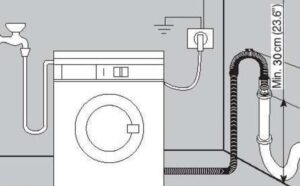
First, to create a water seal, you'll have to bend the drain hose into a U-shape. This will place constant stress on the corrugated hose, which will eventually cause damage. Cracks will appear in the hose walls, and the drainage system will be compromised. If you don't use a water seal, you risk constantly smelling sewer odors from your machine.
Secondly, it's impossible to place the drain hose at an angle (as required by regulations) all the way from the washing machine to the outlet point in the pipe. The hose simply lies horizontally on the floor. This overloads the machine pump, leading to premature failure of the pump.
Thirdly, directing the hose into the bathtub or sink is unhygienic. Imagine how often wastewater containing dirt and debris will run down the walls. You'll have to clean the fixtures and remove any buildup after each use. Furthermore, there's a risk that one careless movement will cause the hose to fall onto the floor, causing flooding.
Also, when the drain hose is very short, users extend it using additional pieces of corrugated tubing and connectors. This also increases the load on the washing machine's pump. And the extra "joints" increase the risk of leaks.
It is possible to connect appliances to the sewer system without a siphon for a washing machine, but this solution has more disadvantages than advantages.
Which siphon should I take?
Consultants in plumbing departments can help you select the right drain fittings. You can figure this out on your own, as it's not difficult. There are only three types of traps: external, internal, and combined.
Each siphon has its own characteristics. To decide which one to choose, it's best to take a closer look at the advantages and disadvantages of each.
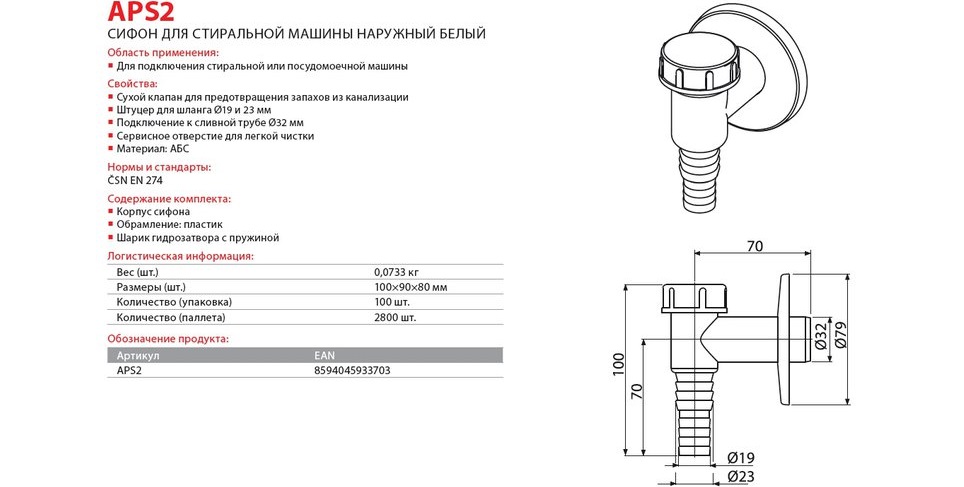
An external drain fitting is used if the washing machine is located quite far from the sewer pipe. In this case, a simple siphon can be installed, which won't be small or require any additional technical features. The main drawback of such fittings is the inability to push the washing machine flush against the wall. Therefore, an external elbow is used when this aspect isn't critical.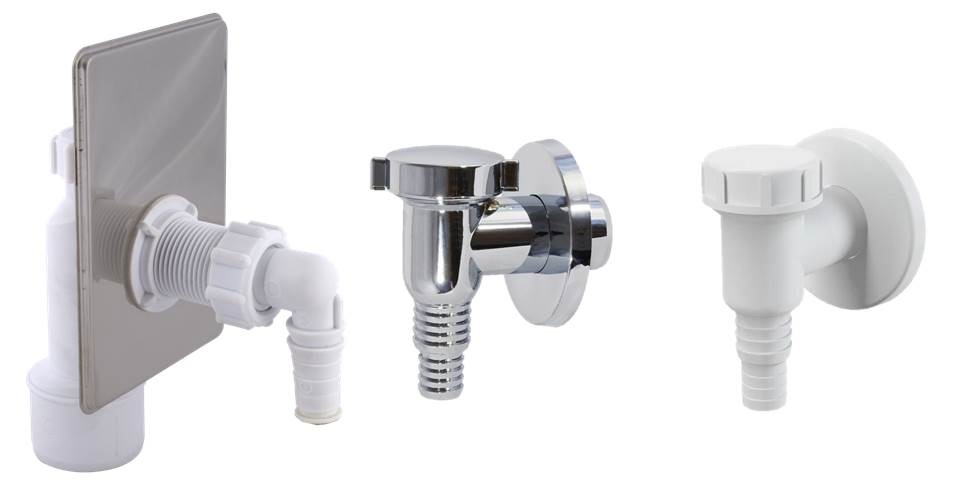
Internal traps are compact and mounted directly into the wall, in special recesses. They are used when it's important to position the toilet flush against the surface. Unlike standard fittings, these fittings don't spoil the appearance of the bathroom and will blend in with any interior. The body of the structure is hidden behind a decorative panel, which is made of plastic or metal. Therefore, after installation, only the compact fitting of the product remains visible.
The disadvantages of an internal siphon are the complexity of installation and the higher cost of the product compared to an external design. Also, the "elbow" can be difficult to remove and clean if the drainage system becomes clogged.
Combined siphons have several fittings, which allows for the simultaneous connection of drain hoses from different devices.
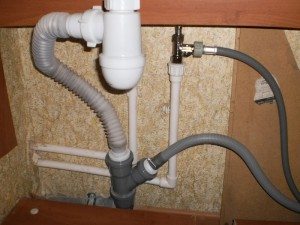
Apart from this, the fittings are no different from external fittings. The fact that the elbow has multiple outlets can be very convenient in certain situations. Using a combined siphon, you can not only connect a washing machine hose but also drain water from a sink or dishwasher. Buyers often prefer this most versatile product.
Against the "siphon effect"
The traps available today are highly resistant to clogging and internal blockages, but anything can happen. Therefore, when selecting drain fittings, it's recommended to consider additional protection in advance. A washing machine siphon with a non-return valve is safer and helps prevent sewage from backing up into the system.
This is why experts recommend choosing a design equipped with a valve. This will help avoid:
- returning dirty liquid to the washing machine when the sewer pipe is clogged;
- spontaneous drainage of water during machine operation.
A trap with this type of protection is especially recommended for installation in apartments on the first and second floors, as this is where the likelihood of clogged utility pipes is highest.
However, before purchasing this type of drain fitting, you should make sure your washing machine is equipped with a check valve. Many modern models are equipped with such devices. In this situation, paying extra for a special siphon design doesn't make sense, but only if you're only connecting one washing machine to the "elbow." If not, a check valve wouldn't be a bad idea.
Interesting:
Readers' comments
Headings
Washing machine repair




For buyers




For users


Dishwasher




Add a comment