
Do you need salt for a soft water dishwasher?
 Water supplies in Russia are typically very hard, which quickly leads to scale buildup on plumbing fixtures, kettles, and appliances. However, in some cities, the water is so soft that it's not only safe to use for washing dishes and laundry, but even safe to drink without boiling. Experts say that in these conditions, dishwasher salt is unnecessary, since if water doesn't need softening, then salt isn't needed. Let's find out how true this statement is.
Is it possible to do without salt?
People who are lucky enough to live in areas with soft water often do not use regenerating salt in their dishwasher. But when experts advise against adding salt granules to soft water, they usually fail to take into account the fact that water is almost never of the same quality throughout the year. Tap water often becomes slightly harder in summer and autumn than in spring, which must be taken into account for the correct operation of the dishwasher.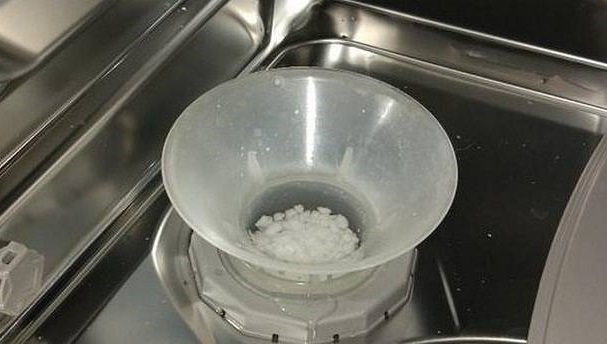
Mistakes in using dishwasher salt often arise because people visually determine the hardness of their tap water instead of using special devices or test strips. Housewives typically simply inspect the kettle and faucets for scale, and if none is found, they don't use dishwasher salt. However, if it turns out that the water is hard, this type of treatment can damage the ion exchanger over time, making replacement very costly.
The most accurate data on tap water quality can be obtained even without special measurements – simply check the official website of your local water utility, where company employees are required to publish up-to-date data on water characteristics.
To preserve the ion exchanger, you can choose one of two options. You can regularly test the water quality in your tap, measuring it every 2-3 months, and if your water is truly soft, skip the salt. Alternatively, you can add dishwasher salt just in case, but set the dishwasher's water hardness setting to the minimum level to minimize the salt granules' consumption. Experts recommend this second solution to prolong the life of your dishwasher. Most importantly, this option is not only safer but also less expensive, as inexpensive yet high-quality dishwasher salt is readily available.
What can I use instead of special salt for dishwashers?
We've determined that even if your tap water is soft, it's still better to use dishwasher salt. However, after loading the salt granules into the salt compartment, be sure to adjust the appliance's hardness settings to achieve the minimum amount of salt used. This isn't the only way to save on dishwasher salt, as it can be replaced with a cheaper alternative.
It is true that you don’t need to buy special expensive salt, but it’s not that simple. Regular table salt is not suitable for household appliances, as it is less purified, contains more impurities harmful to dishwashers, and the granules are too small. Because of all of the above, table salt can clog the ion exchanger valve and, instead of preserving the element, cause it to break down.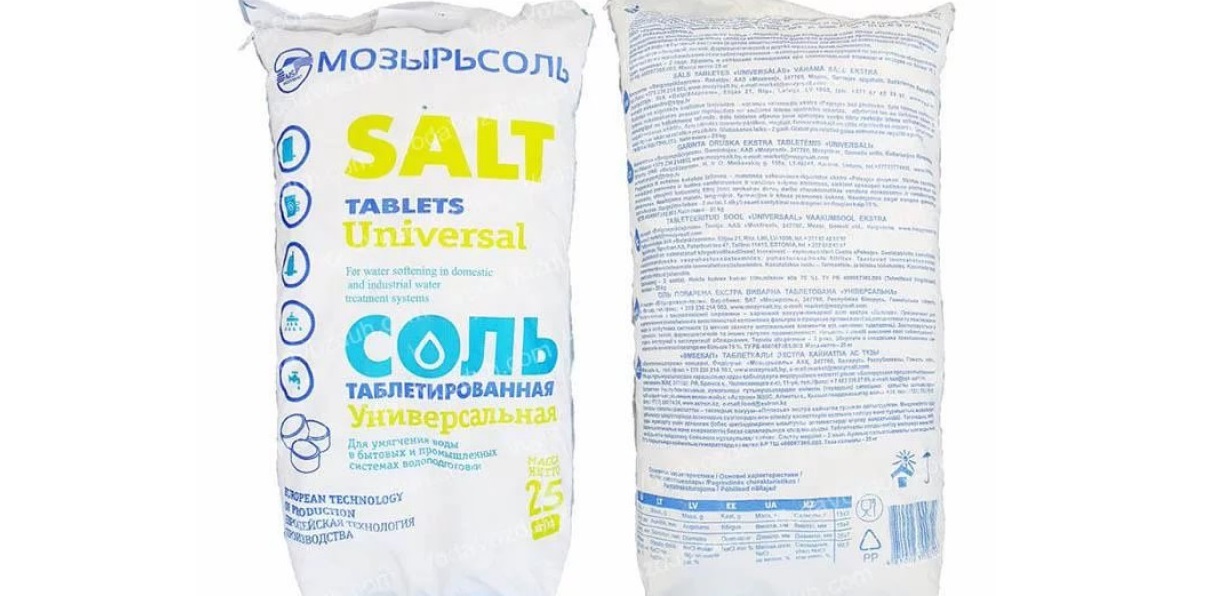
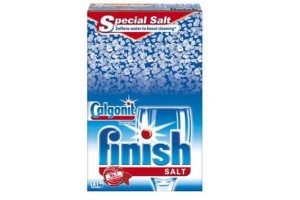
It's much better to use tablet salt, which is also used in water treatment plants. Its advantage lies in its packaging size—salt is sold in 5, 10, and 25-kilogram bags—and its price, which is only 20-30 percent higher than regular salt, making it much cheaper than special dishwasher salt. It's also readily available: products from brands like Mozyrsol, Ecosoft, Ecodar, Aquaphor, Geyser, and others are readily available at any hardware store.
What is the purpose of salt?
The last misconception that needs to be dispelled is the purpose of dishwasher salt. Some appliance owners believe that salt helps dishes wash better. In fact, salt is needed by the filter, which softens tap water for further use. This element removes calcium and magnesium salts to prevent them from forming scale on the heating element. Water softening occurs through ion exchange, in which the ion-exchange resin releases sodium into the water and removes calcium and magnesium.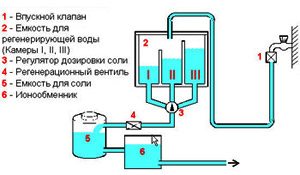
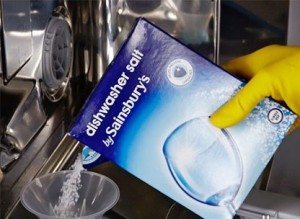
Problems can arise when the ion-exchange resin in the tank becomes depleted and stops absorbing hardness ions. To restore this capacity, a salt solution is needed, which is prepared in the salt reservoir of the dishwasher. Dishwasher salt gives the resin sodium, while the collected calcium and magnesium go down the drain. This procedure is carried out during each wash, which means that the ion exchanger is not in any danger as long as there is salt in the tank.
Interesting:



Readers' comments
Headings
Washing machine repair




For buyers




For users


Dishwasher




Add a comment