
Indesit washing machine maintenance
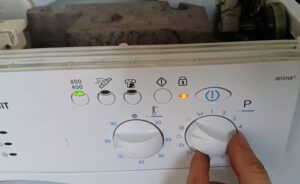 Indesit washing machine maintenance is often discussed, but it's rarely done. Yet, timely preventative maintenance and proper service can extend the life of expensive appliances. There are three types of preventative measures: physical and chemical cleaning, daily maintenance, and routine inspection. We'll explore all three today.
Will the machine break down if it is not maintained properly?
Regardless of price, any appliance is subject to simple wear and tear. The same applies to manufacturing defects, which can occur with any brand. No matter how thorough and high-quality preventative maintenance, a washing machine can still fail at some point. This is due to the following factors that interfere with the stable operation of household appliances:
- water quality;
- Features of the electrical network;
- failure to comply with operating rules;
- factory assembly;
- quality of parts;
- various force majeure events.
Even a small change forgotten in a trouser pocket during washing can damage your laundry and significantly shorten its lifespan.
Therefore, it is so important to follow all instructions and rules for operating an automatic washing machine, as well as remembering preventative maintenance and timely troubleshooting. Then there is a chance that the equipment will work not only for the entire warranty period, but even much longer. But to achieve such a result you will have to work hard, spending time and energy on it.
The ideal scenario is a scheduled washing machine inspection every three years, during which it should be partially disassembled and its key components inspected. There's no need to do this yourself, as any service center will happily provide this service. A technician will disassemble the complex machine, inspect the motor, hoses, and other key components for wear. A timely hose replacement alone can save your neighbors from flooding and repair bills, so don't neglect preventative maintenance.
Follow the basic operating rules
If you carefully monitor your washing machine, regularly check its functionality, and follow all operating instructions, maintenance will be required significantly less frequently. However, to reliably protect your washing machine from breakdowns, preventative measures should be taken during every wash. We won't reveal anything new here, as these are standard procedures everyone should know. However, some people neglect these simple requirements, so we'll reiterate them.
Because hard tap water is commonly used for washing, all the minerals from this water remain on the machine drum, the walls of the pipes, and also penetrate the pumps and hoses. All this wealth of the Russian water supply can damage fragile Indesit appliances, which are not designed for such low-quality water. Quite often, after a breakdown, kilograms of limescale are found in the machine, causing the appliance to fail before the warranty period.
To prevent scale from settling in your appliances, remember to soften the water before each wash, for example, using Calgon powder.
Any softening powders and gels can "save the life of your household helpers," so it's recommended to use them during every cycle. If desired, you can take preventative measures even further and purchase water purification filters. They are more expensive than softening powders, but they last longer and purify water much better. However, water management isn't the only thing that can help prevent breakdowns.
One of the most important aspects of using a washing machine is simple attention. Always remember to check the pockets of your clothes, as even the smallest coin, car keys, toothpicks, nails, or any other small, sharp object can damage the machine. For the same reason, dangerous items such as metal locks, buckles, large buttons, and other items that could get stuck in the machine should be washed separately. Such items, like shoes, should only be washed in a special bag.
Also, carefully follow the maximum load capacity. Overloading and uneven distribution of clothes can also cause damage. Also, consult the manufacturer's instructions for recommended washing temperatures. Wash at 95 degrees Celsius only when absolutely necessary, as this setting accelerates wear and tear on the appliance, just like the boiling function.
Don't leave the house while the washing machine is running, as you should always be prepared to troubleshoot any problems. Sudden water leaks and other emergencies are still possible. Furthermore, by keeping an eye on the machine, you can hear or see signs of a malfunction and fix them immediately. Of course, you don't have to stand near the appliance for the entire cycle; it's best to simply be home during the cycle and check it at least every half hour to an hour.
After finishing washing, remove the washed items immediately to prevent them from rotting and to prevent black mold from forming on the machine due to humidity. Also, open the door wide to allow the machine to air out and allow all water to dry completely, and remove and clean the detergent drawer.
Do not neglect the rule of not turning off the device directly during operation, as this may lead to a malfunction of the control module, which will have to be purchased separately at considerable expense.
When finishing your wash cycle, be sure to clean the washing machine's filter and then drain any remaining wastewater through the same filter or the emergency drain hose. Finally, wipe the rubber door seal with a dry cloth to ensure no water remains, as this could cause the rubber to tear in the future.
Deep cleaning of the washing machine
Using water softeners is great, but it's not a panacea for all washing machine problems. The unit still needs to be cleaned at least once every 2-3 years. This applies to the mechanical cleaning procedure for your home appliance. Chemical cleaning should be carried out at least once every 6 months.
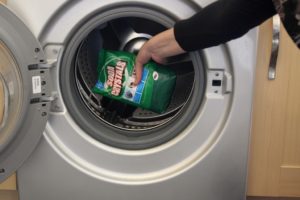
The term "dry cleaning" often intimidates users, but it's actually quite simple, so there's no need to call a professional. Simply add a special cleaning solution, widely available on the market, to the washing machine's drawer. Then, run the machine without laundry on a long cycle using high-temperature water to allow the cleaning solution to remove all dirt from the interior.
This is an inexpensive yet effective way to keep your household appliance in good condition for as long as possible, and it only takes a little time. Mechanical cleaning is much more complicated, requiring partial disassembly of the machine.
- Remove the top cover of the device, the tray and the back wall.
- Also remove the pipe and clean it thoroughly afterwards.
- Remove the pump, which also needs to be completely flushed.
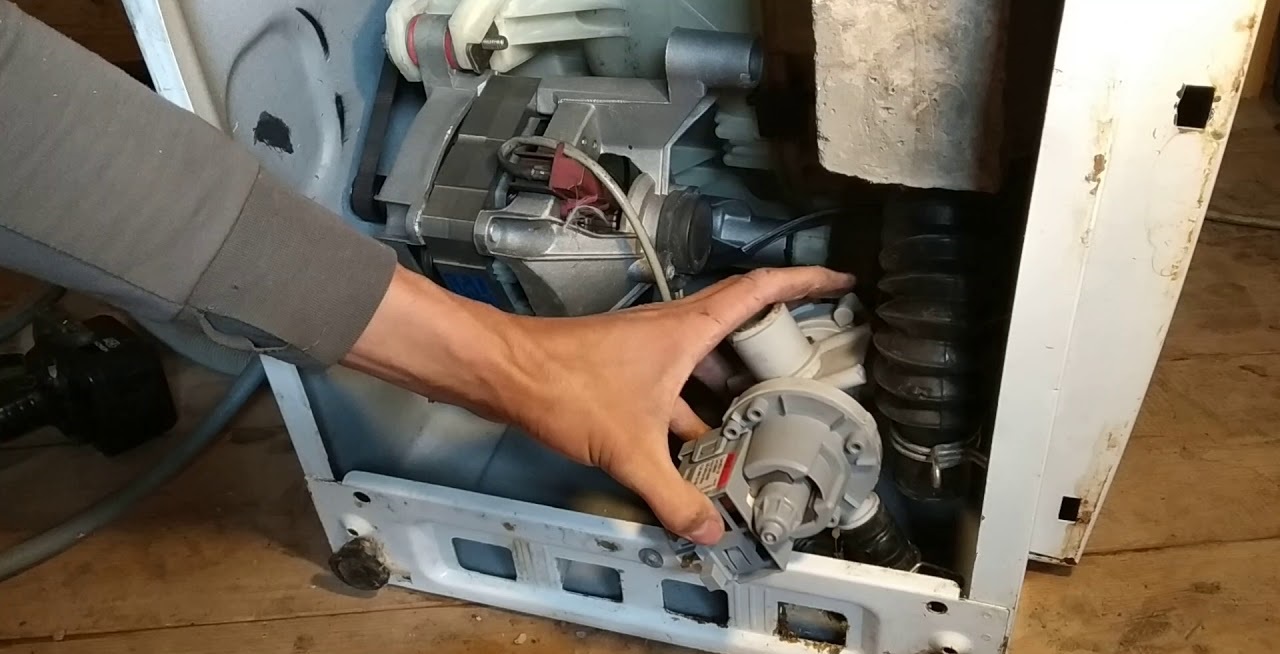
- Now pay close attention to the pipe that goes from the powder receptacle to the tank.
- Remove and wash the machine's debris filter.
- Finally, remove and clean the inlet and drain hoses.
As you can see, mechanical cleaning isn't complicated, but it consists of six steps, so it usually takes a full day. However, the time spent is worth it, as it significantly extends the life of your appliances. The most important thing is to be gentle during disassembly, avoid damaging anything, and remember to reinstall everything securely.
Interesting:


Readers' comments
Headings
Washing machine repair




For buyers




For users


Dishwasher




Add a comment