
How to install a clamp on an LG washing machine's cuff
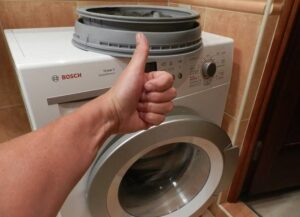
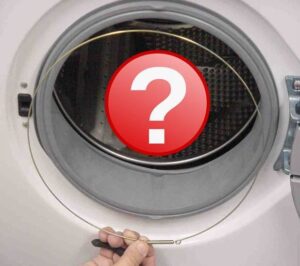 When water leaks from under the washing machine door, it's extremely dangerous for both the flooring and appliances, as well as for family members who could be electrocuted. That's why leaks should always be repaired immediately, especially if they're caused by something as minor as a damaged rubber seal. Installing a clamp on an LG washing machine's seal is very easy if you know the proper procedure, take precautions, and don't rush. To avoid accidentally damaging the seal during removal and installation, read our article.
We install a clamp hidden behind the front wall of the case
If you need to replace the clamp that holds the rubber seal, it means that someone has already successfully removed it. Each cuff in the “home assistant” is securely fixed with two reliable metal holders. These external and internal clamps are installed at the factory so that nothing can accidentally loosen them. This is why they are so difficult to reinstall, as poor installation can cause another leak. Depending on the washing machine model, there are two ways to install the clamp:
- If the clamp is a screw clamp, you need to loosen it before putting it on, and then tighten it securely;
- If the clamp is spring-loaded, it should first be stretched by hand and secured to the cuff, where it will automatically return to its original size.
In the second case, brute force is required to precisely position the element in a small space, which is why this procedure is rarely successful for beginners on the first try. For this reason, experts recommend first trying to secure the old seal to get the hang of installing the spring clamp and avoid accidentally damaging the serviceable rubber seal with a screwdriver.
This practice will help save your family budget, preventing the unnecessary expense of buying a new seal to replace a damaged one. So, how do you install a spring clamp correctly?
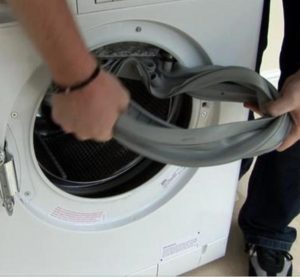
- Tuck the ends of the elastic into the drum.
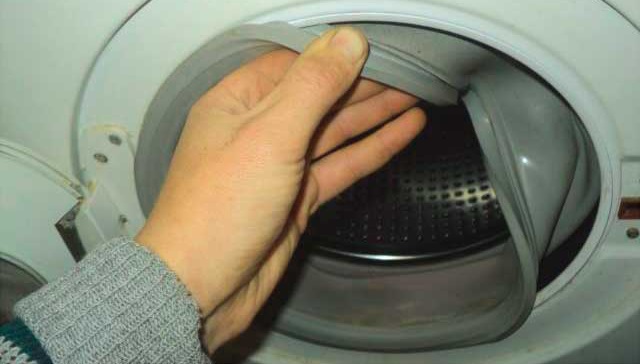
- Unscrew the hatch lock, having first removed the two fixing screws on the front part of the housing.
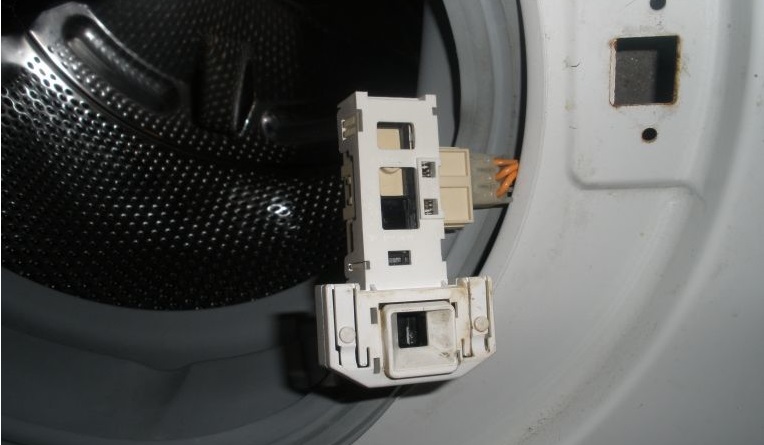
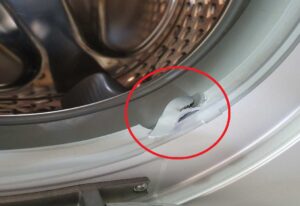
- Insert a flat-head screwdriver into the lock where you want to engage the latch.
- Use another screwdriver to tighten the spring around its entire perimeter, starting from the hook point.
- Return the rubber seal and lock to their normal position.
This applies to spring clamps, the installation of which can be a challenge even for an experienced service center technician. If you need to install a screw clamp, follow these instructions:
- remove the top panel of the LG automatic washing machine;
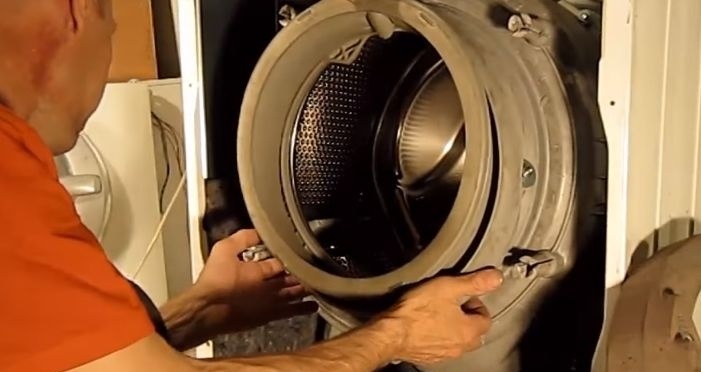
- unscrew the screw to a suitable diameter;
- bring it to the designated place where it will be on top;
- Through the hole in the washing machine that was created after removing the top cover, reach the screw and tighten it securely.
Use the type of clamp installation that is most convenient for you, as the type of fastener does not depend on the model or brand of household appliance.
The methods described are suitable for newer machines that allow the clamp to be adjusted using screws and springs. If you're using an older machine, you'll likely need to use pliers or a similar tool.
Installing the outer clamp
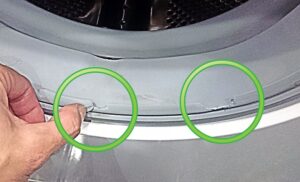
Fortunately, installing an external clamp is much easier because there is nothing blocking access to its mounting location, so the process takes less time. The instructions for fixing remain the same: first, you need to put the spring ring on one side, hook it from the opposite edge with a screwdriver, and then install it in the seat. It's crucial to check the installation quality after installation, paying attention to the markings on the rubber seal and the housing, which must be aligned. If the clamp isn't installed in the designated groove, the user risks leakage during the washing machine's operation.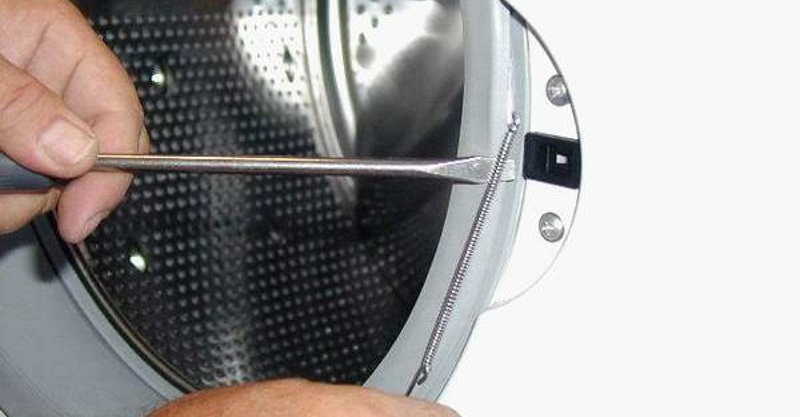
The procedure for installing the spring clamp remains the same: unscrew the screw, loosen the ring, position it over the rubber seal along the outer edge, and then tighten the screw securely. Never overtighten the bolt, as this could accidentally strip the threads, which could cause the clamp to fail and force you to buy a new spare part. It's also important to ensure that the ring doesn't fall out of place during washing or become misaligned due to insufficiently tightening it or installing it off-thread.
During restoration work, take your time, follow the instructions carefully, and also enlist the help of others to make it easier to install the clamps.
If the screw only turns with great effort, don't try to apply more force. A technical lubricant, such as WD-40, will help in this situation. Carefully lubricate the screw threads, rotate the holder several times to distribute the lubricant throughout the entire element, and then firmly reinstall it, securing the clamp.
Is it necessary to replace a torn cuff?
It is not always necessary to install a new rubber seal instead of a damaged one. If the cuff is damaged due to a small hole at the bottom of the element, then the user is in luck, because in this case, you can avoid buying a new elastic band and save money. To do this, simply flip the cuff over so the hole is facing up. This will remove the damaged section of the rubber from contact with water, preventing leakage.
It's extremely important not to try to force the seal upside down. If you've already removed and installed the retaining clamps, you know they won't allow the rubber element of the washing machine to budge even a centimeter. Therefore, brute force in this situation will only make the problem worse. What should you do to properly turn over a damaged seal?
- Bend back the edge of the rubber band at the very wall of the hatch and find a plastic or metal clamp there.
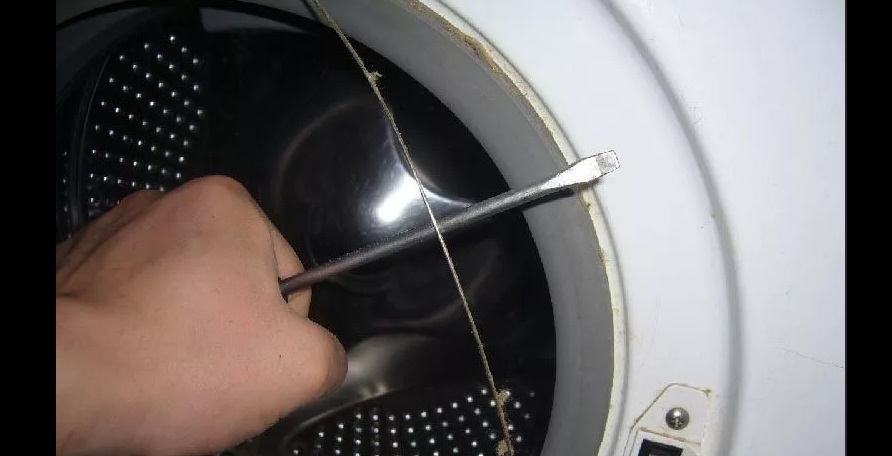
- Use a screwdriver to pry it up and work along it until you reach the fastener.
- Loosen it and set it aside temporarily.
- Return the rubber seal to its normal position to locate the internal retainer.
- Pry it up with the same screwdriver, but don't remove it, as there's no need to do so.
- Turn the cuff over so that the hole is at its highest point.
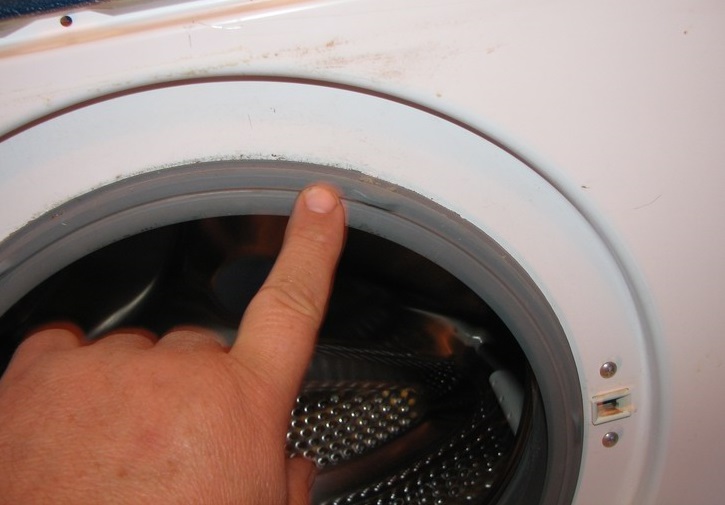
- Secure the part with an internal clamp.
- Turn the rubber inside out again, install the outer holder, and then return the seal to its normal state.
- Make sure that all elements are securely fixed in their seats and do not interfere with the normal locking of the washing machine door.
When working on the washing machine's rubber seal, it's crucial to avoid using sharp objects that could damage it. This includes thin screwdrivers, utility knives, table knives, and other dangerous tools.
Interesting:

Readers' comments
Headings
Washing machine repair




For buyers




For users


Dishwasher




Add a comment