
Dishwasher rinse aid - store-bought and homemade
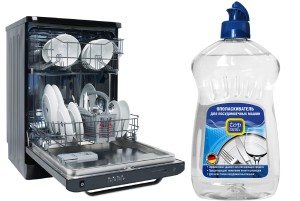 Many people have long been accustomed to using various rinse aids for their washing machines, as they make laundry much fresher and softer. But not everyone knows that dishwasher rinse aids are also available, ensuring that your dishes and pots don't smell of chlorine and other nasty chemicals when they come out of the wash tank, and instead shine and sparkle. In this article, we'll explain how to use dishwasher rinse aid, why it's needed, and what alternatives you can use to maintain that fresh feeling.
How to use dishwasher rinse aid?
When repairing washing machines and dishwashers, it's fascinating to watch people make trivial, yet very common, mistakes. Yes, they use dishwasher rinse aid, but when you ask where you pour the rinse aid, the answer is quite original: the same place you put the detergent. That is, People waste expensive rinse aid for years by mixing it with powder and sincerely thinking that this will make their dishes much fresher.
Firstly, I'd like to tell these people: read your dishwasher's instructions first and foremost, and preferably do so with the utmost care. Secondly, each detergent has its own compartment in the dishwasher drawer.
The machine takes in rinse aid last, at the very end of the washing program. If the rinse aid gets into the water tank too early, it will be the same as if there was no rinse aid at all. And it's unclear why it's needed in a portion of water that's going down the drain anyway. Rinse aid in a dishwasher serves more than just a freshener; its functions include:
- remove droplets and streaks from the surface of dishes;
- neutralizes acids and alkalis that are present in detergents and inevitably damage the dishwasher; rinse aid reduces contact of machine parts with aggressive chemicals to a minimum;
- give the dishes a dazzling and magnificent shine.
Note! A good rinse aid will not only do all of the above, but it will also remove any undissolved residue from harsh detergents on the surface of your dishes, usually just stuck-on powder grains.
We've explained the basics of using rinse aid in your dishwasher, and its purpose is clear. Now let's talk about where to pour it. Generally speaking, the detergent and rinse aid compartment is located in the dishwasher door, as everyone knows. Now, let's get into the details. Which compartment of the drawer to pour the rinse aid into will depend on the dishwasher model, but it is usually the tightly closing central compartment.
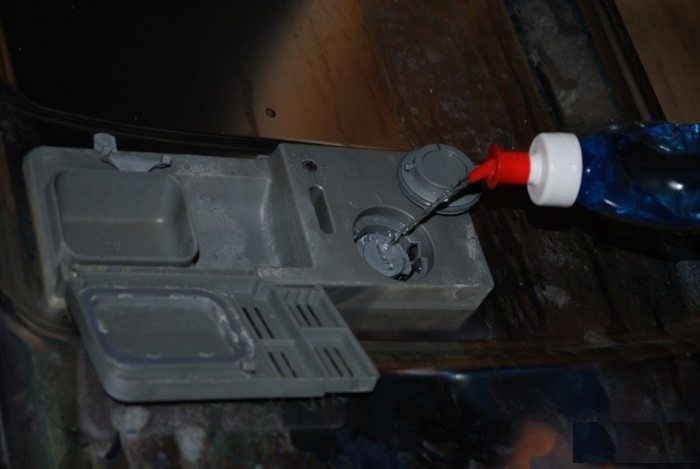
Rinse aid should be poured into this central compartment before starting the wash cycle, and the detergent powder is placed in the adjacent compartment. As with detergent, the amount of rinse aid to use is determined individually by reading the manufacturer's instructions on the packaging. However, it's important to remember that manufacturers intentionally overstate the amount of rinse aid to be used during a single wash cycle. This is beneficial to them, as you'll likely return to the store for a new bottle.
Experts recommend determining the required amount of powder and rinse aid through repeated trials and comparing the results. In some cases, The recommended dose of mouthwash can be reduced by almost half without any consequences, which is a very real savings.
Components of a factory rinse aid
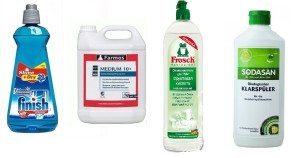 Calculating the amount of mouthwash you need can save you a lot of money, but making your own can save you even more. To make your own mouthwash, you need to know the ingredients in the commercial product, including how much and what components it contains. The composition of different mouthwash manufacturers' products doesn't vary much. All mouthwashes are based on:
- non-ionic surfactants;
- anionic carboxyl polymers – polycarboxylates;
- citric acid (or something similar);
- ethanol and surfactants.
Please note! Cheap mouthwashes may not contain surfactants or natural acids, but this doesn't make them any worse, as their composition doesn't change much.
It turns out that there's nothing particularly complicated about the rinse aid formula, so you can try to replicate it at home—if not exactly, then at least something close. The ideal goal is to get an inexpensive homemade rinse aid that does its job well and won't damage your dishwasher. By the way, if you want to make your own rinse aid, you can also... dishwasher powderRead the article of the same name on our website. There you'll find the ingredients for homemade powder and much more. Let's start looking for recipes.
Is it possible to make your own mouthwash?
The composition of dishwasher rinse aid is more or less clear to us, but where to get these nonionic surfactants and anionic carboxyl polymers, not to mention what they are and how much to add, is unclear. We don't think there's any point in delving into such matters at the household level without being a chemist. It's enough to know the recipe for a good homemade rinse aid and where to find the ingredients to make it. Let's take a look.
The first dishwasher rinse aid recipe is one of the simplest and most effective. It only requires one ingredient, and you can buy it at any local grocery store. This ingredient is 9% apple cider vinegar. Here's how to use it:
- we find the compartment for the rinse aid;
- uncork a bottle of 9% apple cider vinegar;
- pour it into the rinse aid compartment at a rate of 1 tablespoon per 6 sets of dishes;
- We pour the powder into the adjacent compartment, close the door and start the washing program.
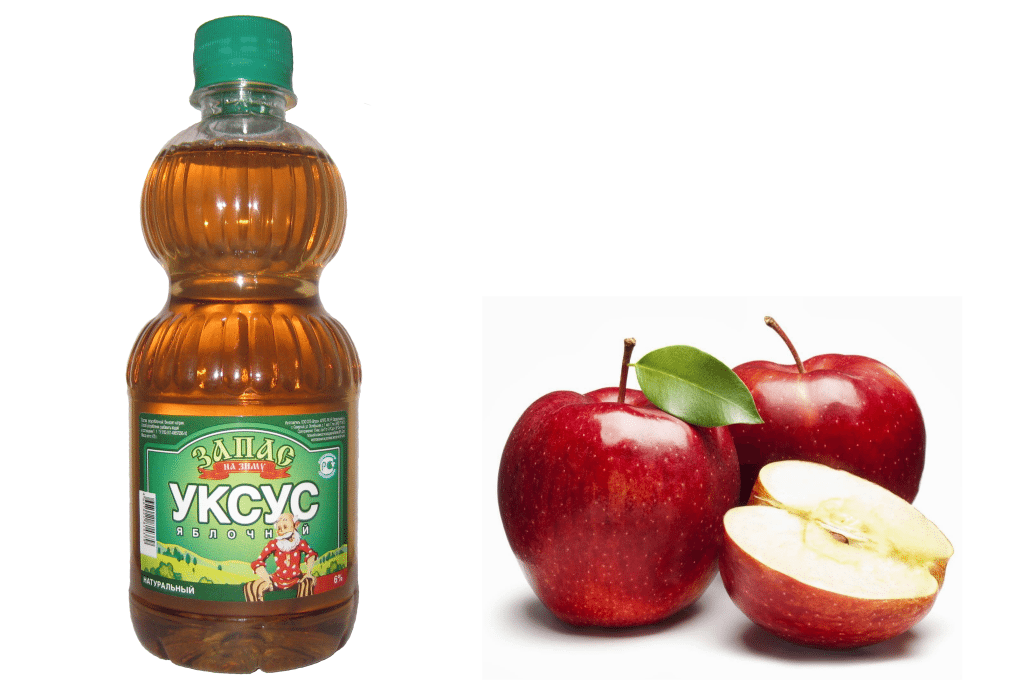
Important! If you're using vinegar essence, you'll need to calculate how many drops to add to a tablespoon of water to achieve the correct concentration.
The second recipe involves using essential oil, lemon juice or citric acid and glass cleaner. How much and what should you use? The ratio of ingredients is as follows: 5 parts lemon juice or acid, 2 parts essential oil (eucalyptus is best), and 1 part glass cleaner. Pour the solution into the rinse aid compartment, calculating as follows: 1 tablespoon for 8 place settings. Needless to say, all the above ingredients are readily available – glass cleaner at a home improvement store, essential oil at a pharmacy, and lemon juice or citric acid at a grocery store.
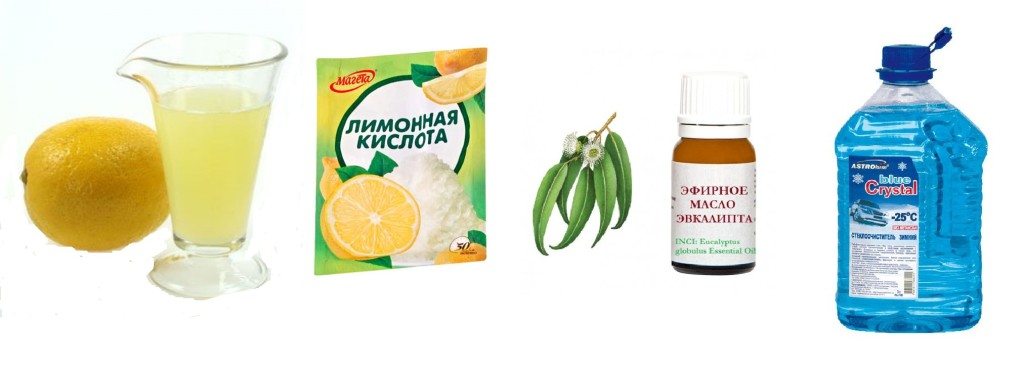
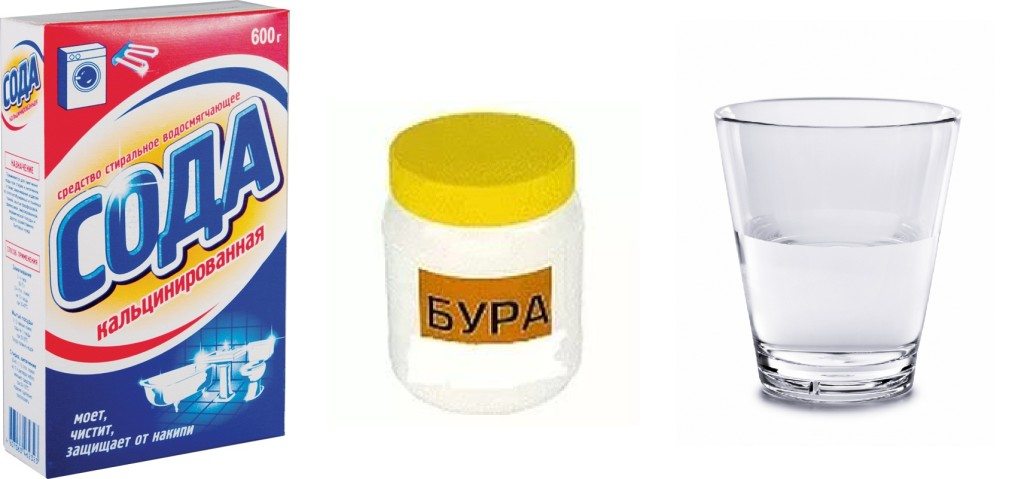
The third recipe calls for washing soda and borax. How many ingredients should you use to make a good solution?
Important! This mixture can be used not only as a rinse aid, but also to help remove residual dirt from dishes.
So, take 1 part borax and 1 part baking soda, pour them into the rinse aid compartment, and add a little water to form a semi-liquid paste. A tablespoon of this paste is enough for about 6 place settings.
Finally, it's important to note that rinse aid is essential when washing dishes in the dishwasher. It refreshes dishes, removes stains from their surfaces, something powder can't do, and adds shine. A commercial rinse aid can easily be replaced with a homemade one. The key is to know the exact recipe, how much, and what to add, as the ingredients will ultimately affect the quality of your homemade rinse aid. Good luck!
Interesting:

1 reader comment
Add a comment
Headings
Washing machine repair




For buyers




For users


Dishwasher




How much does such beauty cost?!