
Error 7 in the Asko washing machine
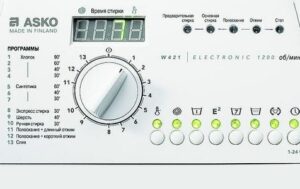 Errors in household appliances are a normal occurrence, and unfortunately, every homemaker encounters them from time to time. Error 7 in an Asko washing machine indicates that the appliance has detected a drainage problem, causing the door to remain locked and the machine to freeze before completing its cycle. Let's take a closer look at this situation—why it happens and what to do about it.
First, let's check the filter.
When this error code appears, you must first conduct a thorough diagnosis of the CM - this will allow you to find the exact cause of the problem. In this situation, it is crucial to determine the exact stage of the operating cycle at which the system malfunctioned, the amount of water that had already left the tank, and the sound the machine was making before the error occurred. Only after diagnostics can you understand what to do with the device.
Asko appliances most often display this error code in two situations: if the pump fails or if the debris filter is clogged. The latter is quicker and easier to check, so let's start with that.
- Disconnect the equipment from all communications.
- Remove any moisture-sensitive items from under or inside the machine, such as washing powder, toilet paper, a mat, etc.
- Cover the floors in the room with oilcloth, rags or towels to protect the floors from moisture.
- Prepare a large basin of water or another container.
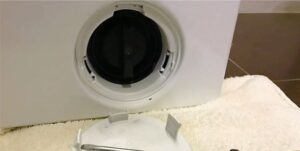
- Use a flat-head screwdriver to pry open the door of the SM technical hatch, which is located at the bottom right of the housing, and open it.
- Locate the debris filter in the hole, which looks like a black round cap.
- Tilt the washing machine backward until the front feet are approximately 5-8 centimeters off the floor.
- Place a basin under the trash filter.
Once the preliminary preparation is complete, you can remove the filter yourself. To do this, grasp the protruding part of the element and turn it clockwise. Then, pull the plug toward you to remove it from its seat. This must be done as carefully as possible, as water will begin to spill out of the tank under high pressure as soon as you remove the filter.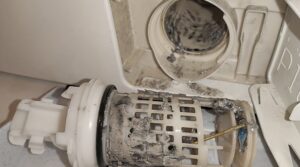
Once all the waste liquid has drained, you can inspect the debris filter for damage and clean it of any debris. First, remove the most stubborn debris, such as caked-on dirt and clumps of hair. Then, rinse the coil under a strong stream of hot tap water. Pay attention to scale and other deposits that cannot be easily removed - if they are present on the unit, soak it for about 5 hours in a citric acid solution. The water should be warm, but never boiling, otherwise high temperatures will deform and damage the element.
Never remove the dust filter manually if the washing machine contains hot water, as this can cause serious burns. Therefore, you will have to wait until the water cools down.
Error code 7 can also be caused by a dirty filter seat. This is why it's so important to inspect not only the part but also the mounting location, using a simple flashlight, for example. Shine a light through the hole and remove any foreign objects that may have gotten into the seat. Additionally, wipe all internal surfaces with a damp cloth to completely remove dirt and small objects. If all these steps don't resolve the issue, the pump needs to be examined.
How to remove the pump from the machine?
Often, it is the washing machine pump that needs repair. The pump is installed in the equipment to pump out the used liquid from the tank and drain it into the sewer, so if it fails, the machine simply cannot get rid of the water. The situation can be corrected after checking and restoring the element, for which it must be removed from the Asko machine.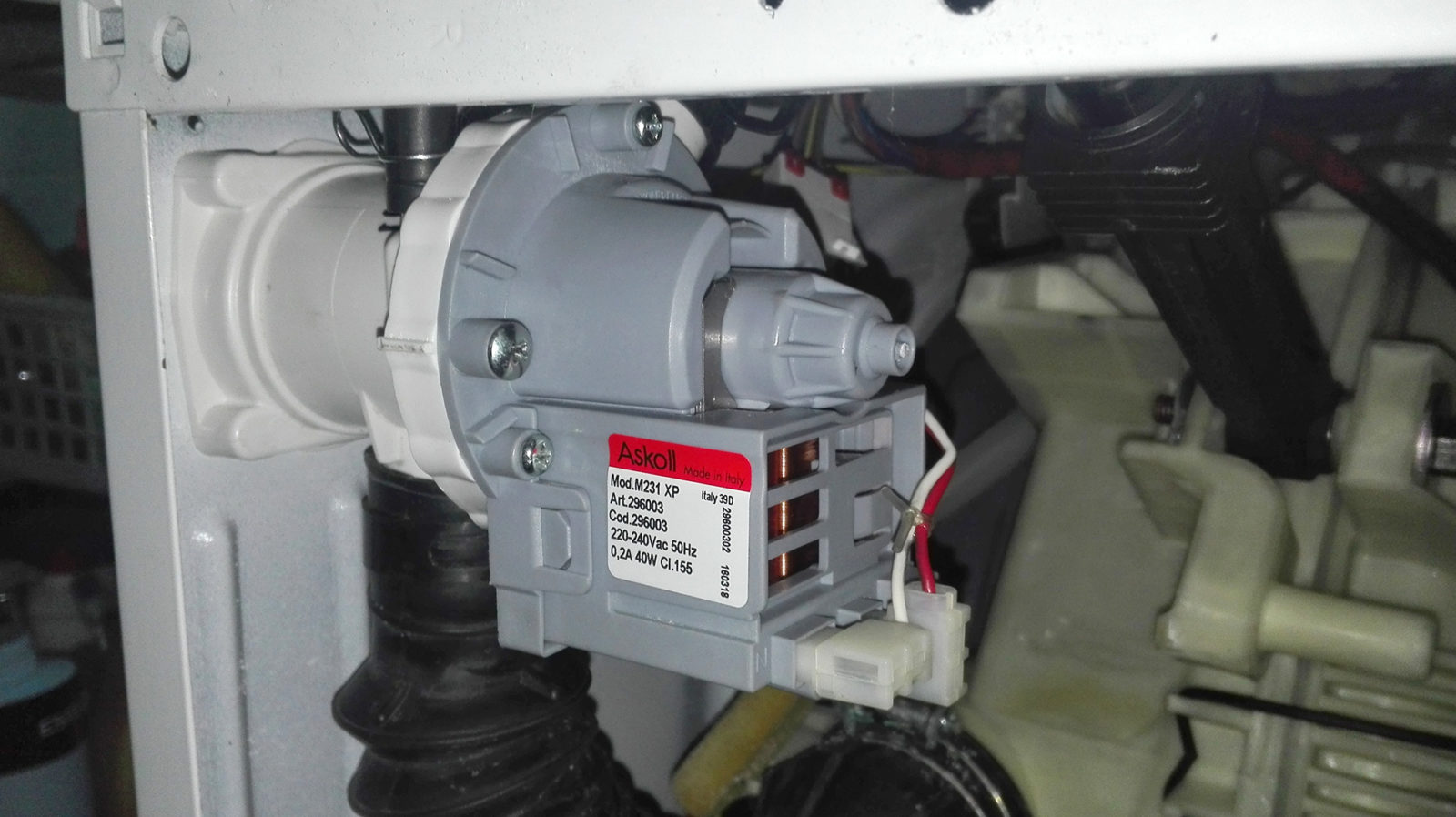
Asko washing machines are designed so that the pump can be accessed through the bottom. Before doing this, prepare a wrench, screwdriver, and a basin for the waste liquid, then disconnect the appliance from the power supply and water supply. For partial disassembly, follow our instructions.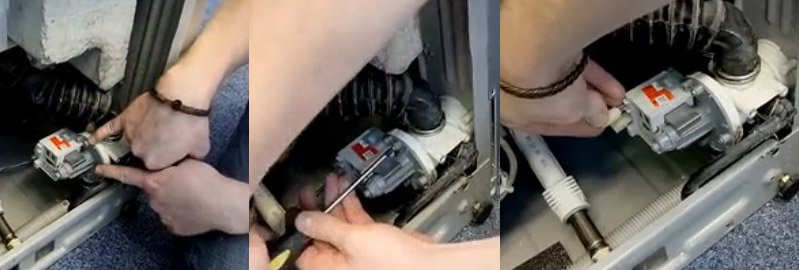
- Use a screwdriver to pry the service hatch open and open it just as in the first instruction.
- Remove the debris filter.
- Release the pump from the retaining bolt, the head of which protrudes outward.
- Tilt the machine body back so that you can access the pump through the bottom.
- Disconnect the wires and pipes connected to the pump.
Just in case, take photos of the wiring connected to the part so that you have an example of the correct connection at hand later.
- Turn the pump counterclockwise while pushing the element inward.
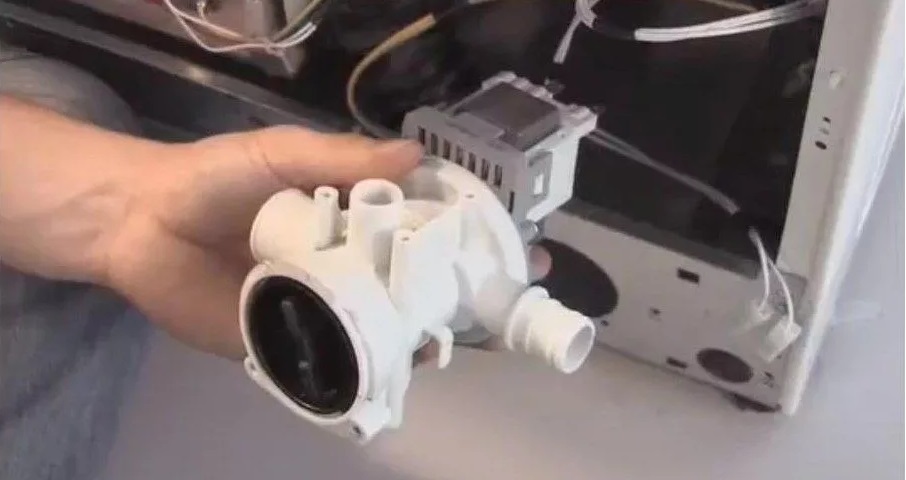
- Reach your hand through the bottom and pull out the pump.
It's easier to remove the pump if you lay the washing machine on its left side first, although this will require more work space. This will give you a clear view of the internal components, eliminating the need to feel the parts. Once you have the pump in hand, you can begin inspection and repair.
Disassembling and cleaning the pump
First, you need to disassemble and clean the pump, as it may be fine but very dirty. Remove the pump impeller—the only rotating part of the unit. To do this, use a screwdriver to remove the retaining screws, separate the element's body into two halves, and locate the part with the impellers.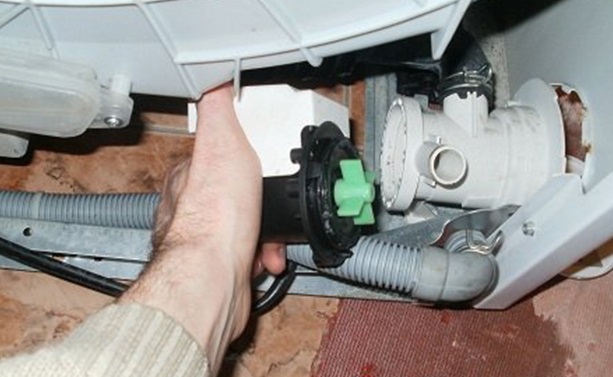
The impeller must rotate well in its seat, but not too freely. Therefore, if it flies off its axis, it needs to be more securely fastened in its place. If the blades cannot rotate due to hair, dirt, threads, or other debris, then it is necessary to remove all excess and rinse the entire unit under water.
Experts recommend diagnosing and cleaning your "home assistant" at least once a year to ensure it lasts longer than its recommended lifespan.
Once the repair is complete, replace the pump, following our instructions in reverse order. Be sure to run a test cycle to check the unit's functionality. If the machine operates without any unusual noise, all liquid drains after the program completes, and no error code appears on the display, then everything is fine. Otherwise, you'll need to replace one of the washing machine's key components.
I'll have to check the coil.
To avoid any unpleasant surprises, it's best to check the pump immediately, not only visually but also with a standard multimeter. To do this, set the tester to resistance mode, attach its probes to the pump terminals, and activate the multimeter. A normal reading is considered to be between 150 and 260 ohms.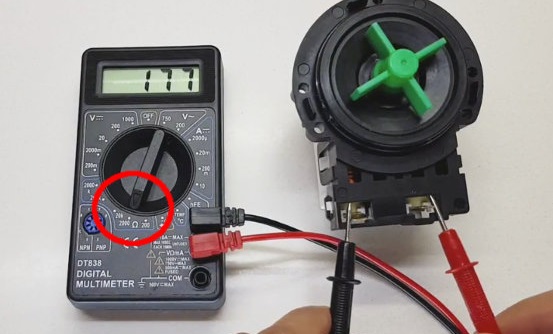
If the device displays "0," the pump is damaged due to a short circuit. If the display reads less than 120 ohms, a broken winding likely requires repair. This can be done, but it's very expensive and complicated, so it's easier to buy a new pump and avoid wasting energy and stress on the damaged component.
Finding the right part is easy—you can simply write down the serial number of your Asko washing machine, or take the damaged pump with you to the store as a sample. Then, all that's left to do is replace the part, which is easy to do following our instructions above.
The worst case scenario is that you've cleaned the debris filter and its seat, and verified that the pump is working properly, but the drain still doesn't work properly. In this case, the problem lies in the washing machine's control module, which you won't be able to repair yourself; you'll need to call a service technician.
Interesting:

Readers' comments
Headings
Washing machine repair




For buyers




For users


Dishwasher




Add a comment