
Haier Washing Machine Error Code CLR FLTR
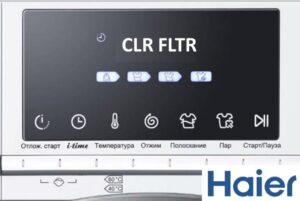 Users are confused when they see a long CLR FLTR error message on their Haier washing machine. This code doesn't appear immediately after starting the machine, but rather towards the end of the cycle, usually between the rinse and spin cycles.
What does the CLR FLTR error mean? What's wrong with a perfectly functioning washing machine? Can you fix the problem yourself, or will you need to call a technician? How difficult will diagnostics and repairs be? Let's delve into the details.
What is this long cipher?
Indeed, such a long error code looks scary. In fact, nothing serious happened to the car. The CLR FLTR error indicates that the Haier washing machine cannot drain the water from the tank within the time allotted by the program.
Most often, the CLR FLTR error is caused by a clogged trash filter.
This error indicates a problem draining wastewater from the tank. Most often, a "debris plug" formed in the filter is blocking the fluid. Therefore, the filter element should be checked first.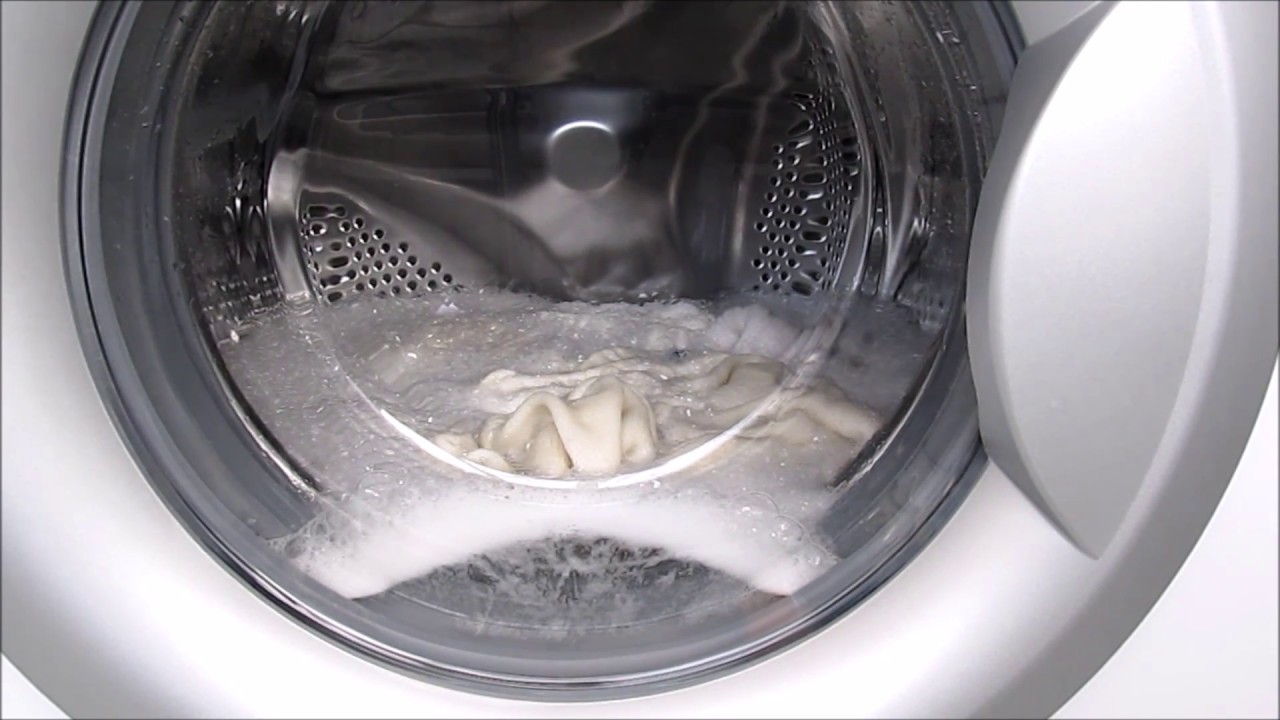
You can reset the CLR FLTR error yourself. Typically, this isn't a malfunction, but a simple blockage. Repairs are required in a small percentage of cases. Let's look at what else can interfere with draining the washing machine's tank.
Additional causes of poor water drainage
A clogged debris filter is one possible cause. Users who notice the CLR FLTR error message on the display will need to rule out other issues. Let's look at what else could be causing drainage problems in a washing machine.
- A clogged drain hose. Soap scum and dirt accumulate on the walls of the corrugated hose, causing scale to form. This prevents water from flowing freely into the sewer. It's also possible that the hose is being pinched by a heavy object or kinked.
- A clogged sewer pipe or trap (if the washing machine is connected via an elbow). In this case, the washing machine isn't the problem; a plumber can fix the problem.
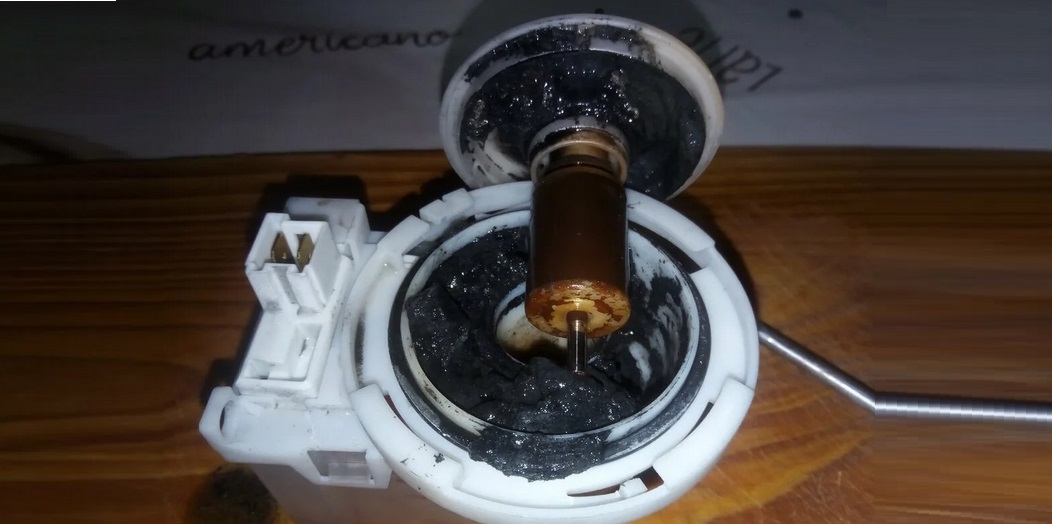
- A clogged or broken pump. This is the "heart" of the drainage system. The pump moves water from the tank through the pipes, into the hose, and then into the sewer. When the pump fails, the liquid remains static. The cause of the malfunction may be a manufacturing defect, normal wear, blocked impeller blades, or a short circuit.
- Control module failure. The electronic unit is the "brain" of the washing machine. It coordinates the operation of all other components. A faulty microcontroller may stop sending a drain signal, preventing the pump from pumping water. Repairing or replacing the board will resolve the issue.
- A broken water level sensor. The pressure switch determines the amount of water in the tank and transmits this information to the electronic module. If the element is malfunctioning, the readings will be inaccurate. For example, the tank may be full, but the sensor will report no water. In this case, the control unit will not issue a drain command.
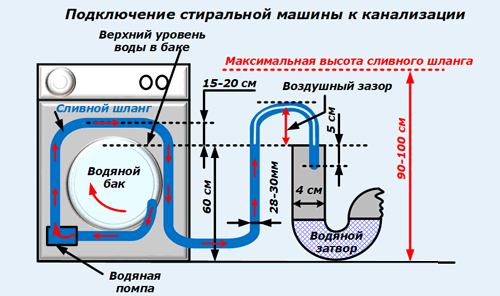
- Incorrect installation of the drain hose. It's important to position the washing machine drain hose correctly, as stated in the instructions for the machine. It should curve in a specific way, and its connection point should be 50-80 cm above the floor. Failure to follow these guidelines may result in a "siphon effect," which will prevent water from draining from the tank.
The length of the drain hose is important – if it is longer than the recommended one and a half meters, problems with pumping water from the tank to the sewer may occur.
- Damaged wiring. The drain may not function due to a break in the internal wiring. Locating the problem area can be difficult and may require professional assistance.
In most cases, you can restore your washing machine to working order yourself. Typically, the problem is solved by cleaning the debris filter, the swirl, the hose, or the pipes. The electronic module in Haier washing machines rarely fails, so it's checked last.
Getting rid of excess fluid
My Haier automatic washing machine displays a CLR FLTR error message mid-cycle, causing it to stop with a full tank of water. The first step is to empty the washer. The forced drain procedure for this brand's models is the same as the standard one. Here's how:
- unplug the washing machine;
- turn off the valve responsible for the water supply;
- cover the floor around the washing machine with dry rags;
- prepare a low but capacious container to collect water;
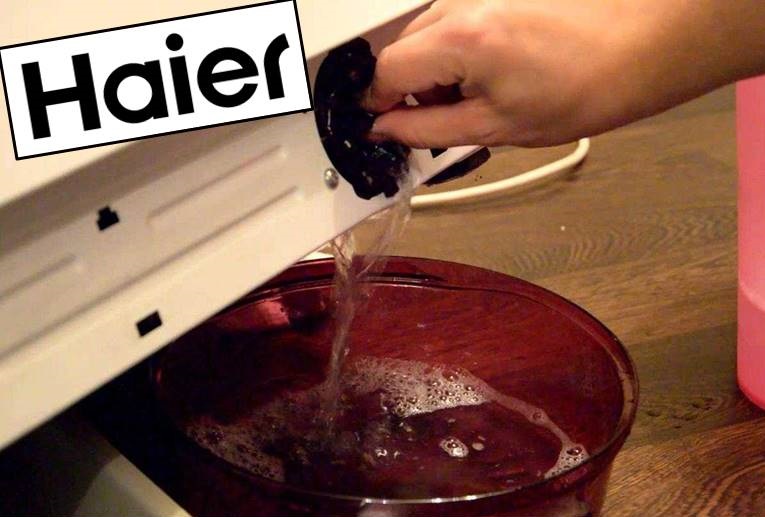
- Find the technical hatch door at the bottom of the washing machine body and open it;
- Place a container under the washing machine body where the waste bin is located;
- unscrew the dust filter plug half a turn;
- Collect the water flowing out of the hole in a container.
If the basin overflows, screw the cap back on, drain the water from the container and repeat the procedure. Emergency drain on washing machines Haier is carried out through the opening of the waste filter. Sometimes, fluid flows poorly even after the filter coil is completely removed. This indicates a blockage there.
We will locate and remove the pump for cleaning or replacement.
If the debris filter is clean, you'll need to check the drain pump for clogs. This task requires a minimal set of tools. You'll need the following:
- Phillips and slotted screwdrivers;
- spanner;
- dry cloth;
- container for collecting water.
The pump is easy to access. The manufacturer has simplified access to the pump, anticipating the need for periodic cleaning. Before beginning repairs, de-energize the equipment and close the shut-off valve. It's also a good idea to have a phone handy to take photos of each step of the disassembly.
To remove the drain pump from the washing machine housing:
- cover the floor with a blanket;
- lay the Haier washing machine on its side;
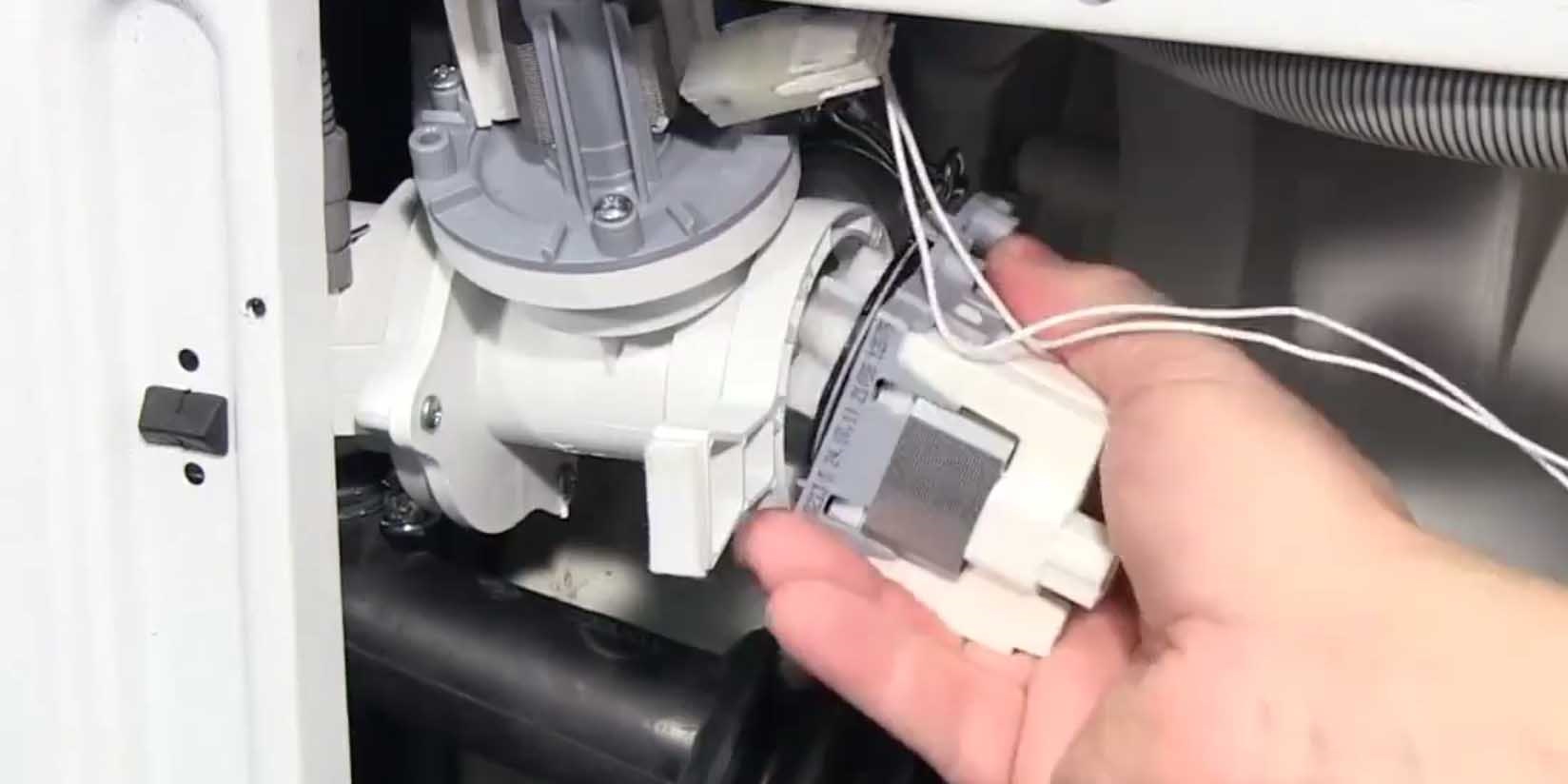
- If the machine has a tray, remove it;
- remove the bolts holding the pump;
- turn the pump from right to left, slightly press it into the machine body and take it out;
- Disconnect the wires and pipes from the pump.
Now you have the pump in your hands. Start with the impeller, check its integrity, and remove any threads or hair tangled around the blades. Then, disassemble the housing and clean the pump from the inside. Rinse the element thoroughly.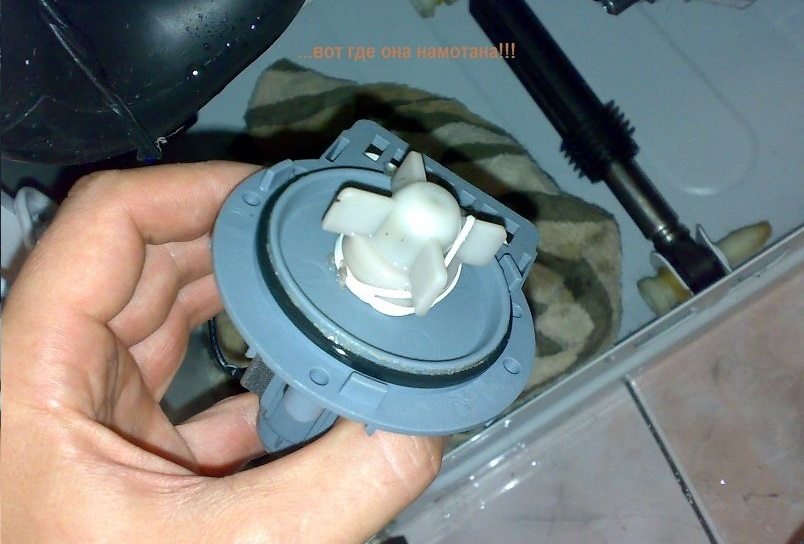
Next, reassemble the pump and plug it back in. Connect the wires and hoses to the pump. Secure the part with bolts and replace the tray. Place the washing machine upright.
After local repairs, be sure to run a test cycle without laundry and observe the operation of the washing machine.
During the test wash, monitor the machine. If the washing machine drains without issue and doesn't display an error, the repair is complete. If not, you'll need to take further action.
The blockage may be inside the drain hose.
If you've cleaned both the debris filter and the pump, but water still isn't draining, you'll need to check the drain hose. Feel the hose for blockages. Dirt plugs typically form at the hose bends.
Cleaning your washing machine's drain hose is easy. Just follow these steps:
- de-energize the machine;
- close the shut-off valve;
- disconnect the end of the drain hose from the sewer connection point;
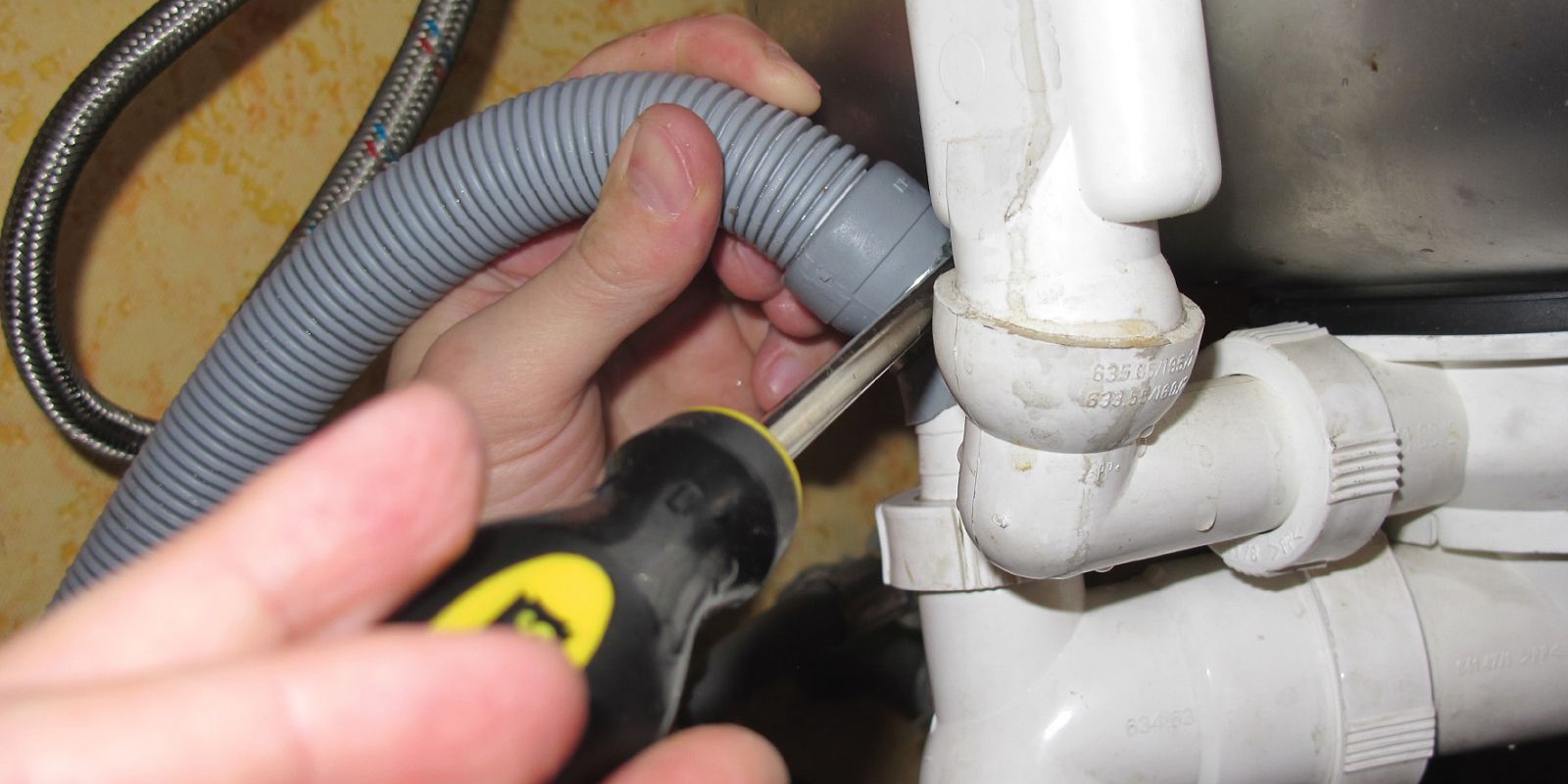
- move the machine away from the wall;
- detach the hose from the rear wall of the housing by releasing the plastic latch;
- tilt the washing machine body slightly forward to gain access to the place where the drain hose is connected to the pump housing;
- loosen the clamp that secures the corrugated pipe to the snail fitting;
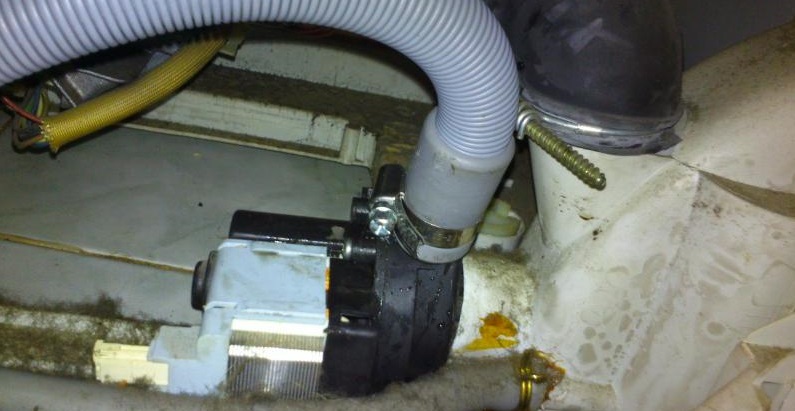
- unhook the hose.
Be prepared for water to flow from the hose. Direct the disconnected end immediately into the bathtub or toilet. Now you can begin cleaning the drain hose.
If the clog is small, you can clear it with tap water. This is a quick solution. Place one end of the corrugated hose under the running water—the strong pressure will dislodge the accumulated debris. Constantly stretch and compress the rubber as you do this. If clumps of dirt start to come out, the cleaning is successful. Rinse the hose several times.
When the blockage is sufficiently dense, you'll need to break it up with a metal wire. Before doing this, soak the hose in hot water and detergent for 30-40 minutes. In more detail, the procedure is as follows:
- fill a basin with hot water (about 70°C);
- add an aggressive detergent to the water (for example, to remove grease from the stove);
- soak the drain hose in soapy water for half an hour;
- find a long piece of wire and bend one end into a hook;
- carefully insert the wire into the hose and break through the “garbage plug”;
- attach a piece of sponge to a wire hook and clean the corrugation from the inside;
- leave the hose to sit for 20 minutes without water, with foam;
- rinse the sleeve thoroughly under running water;
- let the hose dry;
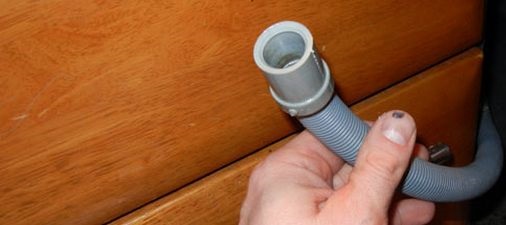
- put the corrugated pipe on the snail fitting and secure it with a clamp;
- secure the hose to the rear wall of the housing;
- Connect the corrugated pipe to the sewer outlet.
Now all that's left to do is run a test wash. Be sure to observe the machine's operation. Make sure the system is sealed and there are no leaks. After clearing the clog in the drain hose, water should drain freely from the drum.
If cleaning the drainage system components doesn't help, you'll need to check the pressure switch and control module. A multimeter will be required for diagnostics. You can replace the level sensor yourself, but it's best to leave repairs to a professional.
Interesting:

Readers' comments
Headings
Washing machine repair




For buyers




For users


Dishwasher




Add a comment