
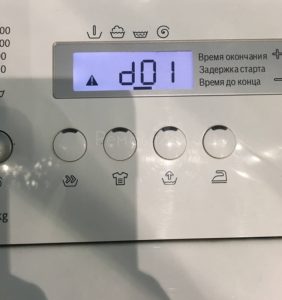
Brandt washing machine displays error code D01
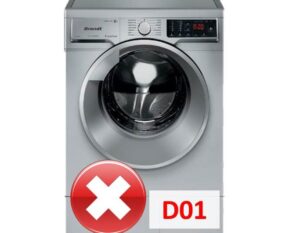 Modern automatic washing machines can automatically detect system malfunctions and notify users. This is a huge help for owners, as they can quickly narrow down the possible issues by simply consulting the manual and decoding the code. If you see error code D01 on your Brandt washing machine's display, don't immediately call a service center—you can fix this problem yourself. This code means the washing machine is unable to fill with water and start a cycle. We'll explain where to begin repairs and which machine components to check.
What could have happened?
There are several reasons why an automatic washing machine might not fill. The most common are a sudden water supply outage or a closed shut-off valve. The most serious situation is when the semiconductor on the control board fails. Repairing the electronic module is the most expensive.
There are also common faults that most often cause the D01 error on Brandt machines. These include a faulty inlet solenoid valve, water level sensor, or pump, or a clogged inlet filter mesh. Let's look at how a malfunction of each of these components can affect the washing machine's operation.
- The inlet valve is faulty. This component is responsible for supplying water to the system. After the user starts a program, the membrane opens, and the tank begins to fill. If the sensor is broken, the mechanism remains closed, and the machine does not start washing. You can check if the device is working properly by applying 220 volts to it. A working device should click; a faulty one will remain silent.
- The filter installed before the valve at the inlet to the machine is clogged. The mesh filter in Brandt washing machines is designed to prevent various impurities found in tap water from entering the machine. Over time, the filter element becomes clogged, slowing down the water flow. So, during the next wash, the machine will not be able to fill at all because the mesh is clogged with debris.
- The level sensor is broken. The pressure switch closely monitors the water level in the tank and transmits information to the main control unit. If the device fails, the machine's normal operation is disrupted. For example, when the tank is empty, the sensor may indicate that the tank is full, and vice versa. Checking the element is easy—just remove the tube from the body and blow into it. Clicking sounds indicate proper operation, while silence indicates a malfunction.
- The pump is malfunctioning. Before starting a cycle, the washing machine pumps out the water accumulated at the bottom of the drum to check if the pump is working. If the "brain" detects that the drain isn't working, the wash cycle won't start. The module will display error D01 and terminate the program.
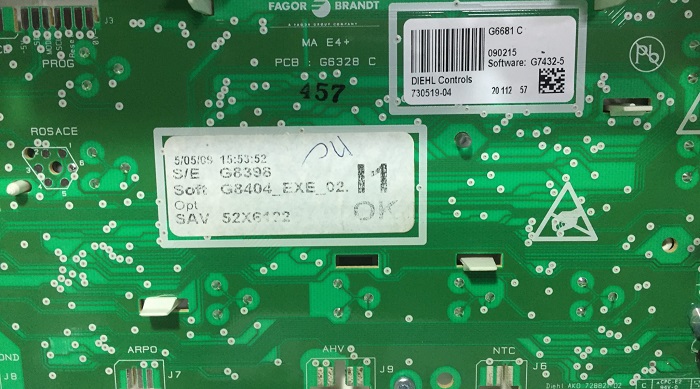
- The electronic unit has burned out. Sometimes the cause of equipment malfunctions is damaged semiconductors or circuits on the circuit board responsible for filling the tank with water. In this case, it's best to entrust the repair to a specialist. The technician will perform a comprehensive diagnostic of the module and test each component.
- The heating element has stopped working. This malfunction can also cause the appliance to malfunction and prevent the cycle from starting.
The list of typical malfunctions can be supplemented by extremely rare failures. For example, sometimes a Brandt washing machine displays code 01 due to a loose or damaged wire connecting the drum and the water level sensor. Washing may also fail to start due to a faulty door lock system—the door doesn't lock, the "brain" detects a leak in the system and cancels the program.
Basic troubleshooting
First of all, check that there is actually water in the tap. Perhaps there was a short-term outage of the central water supply in the house, which is why the equipment is acting up, giving an error D01. If the water supply is working, check to see if the shut-off valve on the pipe is closed. What if the problem isn't due to simple inattention? First, check to see if the door is tightly closed. The washing machine won't fill with water if the system isn't sealed properly. Press the door against the machine; the interlock may activate and the machine will begin washing.
If no external problems are found, you can proceed to diagnosing the washing machine. The inspection should proceed from the simplest to the most complex. First, it's best to inspect the inlet filter, inlet hose, and inlet valve.
Before beginning any repairs, be sure to unplug the Brandt and turn off the water supply.
If the machine is making a loud humming noise while trying to fill, check the inlet hose. Loosen the clamp and remove the hose from the machine, then rinse it under running water. After cleaning the hose, inspect the filter mesh, which becomes clogged with impurities and dirt, preventing water from flowing. Here's what to do: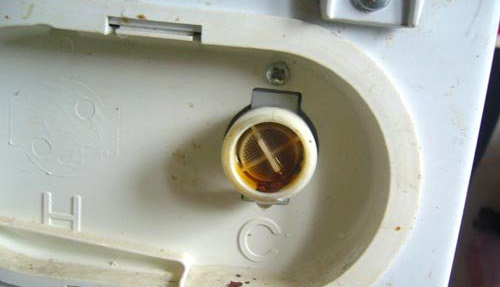
- detach the inlet hose from the body (which has already been done if you washed the sleeve);
- find the mesh - it is located next to the inlet valve;
- Use pliers to grasp the protruding edges of the filter;
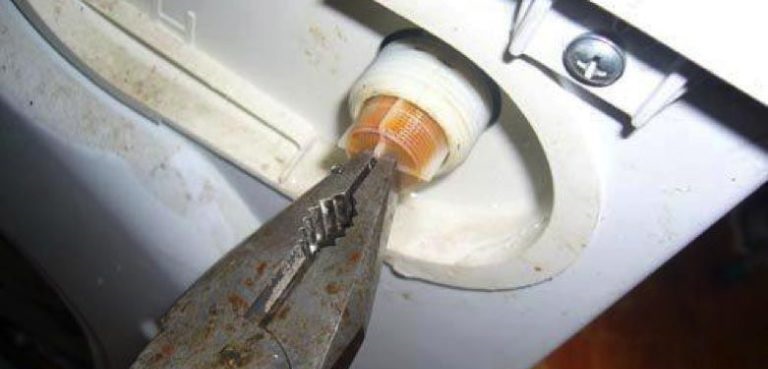
- pull the net towards you;
- clean the filter, if necessary - leave it to soak in water with the addition of citric acid;
- Install the filter mesh back in place.
It's also a good idea to check the coarse filter installed in the water pipe behind the shut-off valve for contamination. This filter is essential for primary water filtration, so a lot of debris and impurities end up there.
You can clean the coarse filter using two wrenches. Use one to hold the joint, and the other to loosen the nut securing the flywheel. Be sure to place a basin nearby, as water will gush out of the hole when you remove the fastener. There's no need to remove the mesh—the powerful stream will clear the clog. Once the attachment is as good as new, put everything back.
Inlet valve and heating element
Once you've made sure that the cause isn't blockages, you can move on. Most often, the error D01 appears due to problems with the intake solenoid valve. This device cannot be repaired, so to fix your "home helper," you'll need to replace it with a new one. Replacing the inlet valve is extremely simple. Even a novice can install it. Once you've purchased the correct components, follow these steps:
- Make sure that the machine is disconnected from the water supply, sewerage system and electrical network;
- unscrew a couple of bolts securing the “top” of the machine, remove the housing cover and put it aside;
- disconnect the inlet hose from the machine and drain any remaining water into the bathtub or sink;
- find the fill valve;
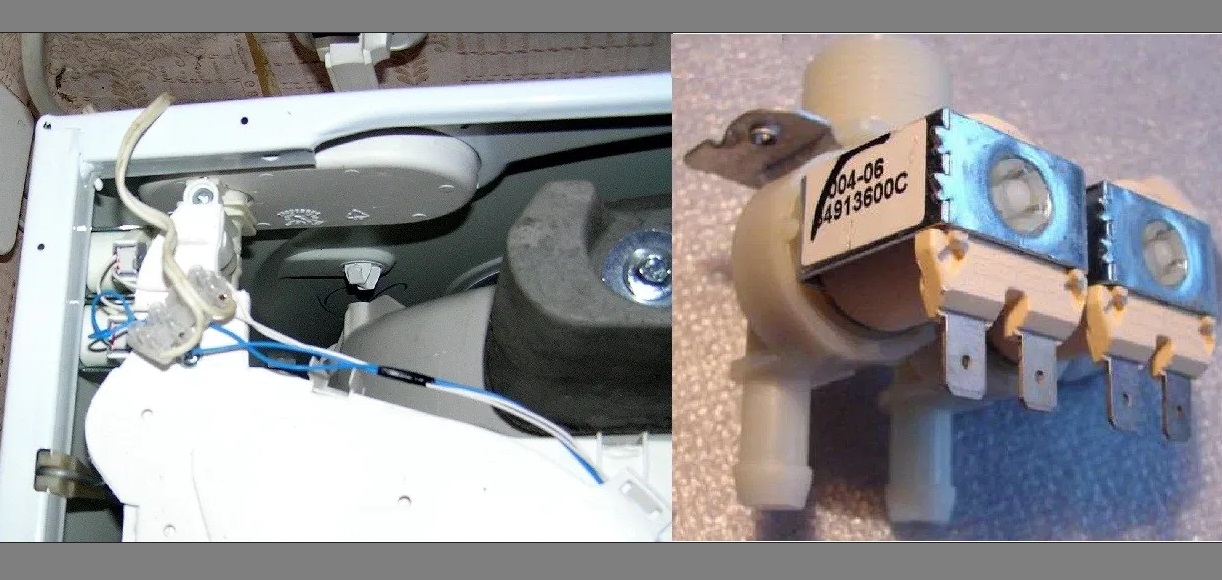
- Take a photo of how the wires are connected to the valve;
- remove the wiring from the device, disconnect all the connected pipes from it;
- loosen the screw that secures the valve;
- remove the sensor from the washing machine;
- install a new valve and secure it with a bolt;
- Referring to the picture, connect the wires and pipes to the device;
- secure the inlet hose in place;
- put the top panel of the case back on and screw the screws back in place;
- connect the automatic washing machine to the utilities;
- Run a test wash.
When purchasing components for a Brandt washing machine, be sure to refer to the model and serial number of the machine.
Another reason for a cycle not starting and the D01 error is a problem with the heating element. The heating element often burns out due to a thick layer of scale, which impairs the element's thermal conductivity. To repair it yourself, you need to:
- de-energize the washing machine;
- remove the top cover;
- remove the back panel;
- remove the drive belt from the pulleys;
- Find the heating element. It is located directly under the tank;
- take a photo of the wiring diagram for the heater;
- reset contacts;
- loosen the central nut and push in the bolt holding the heating element;
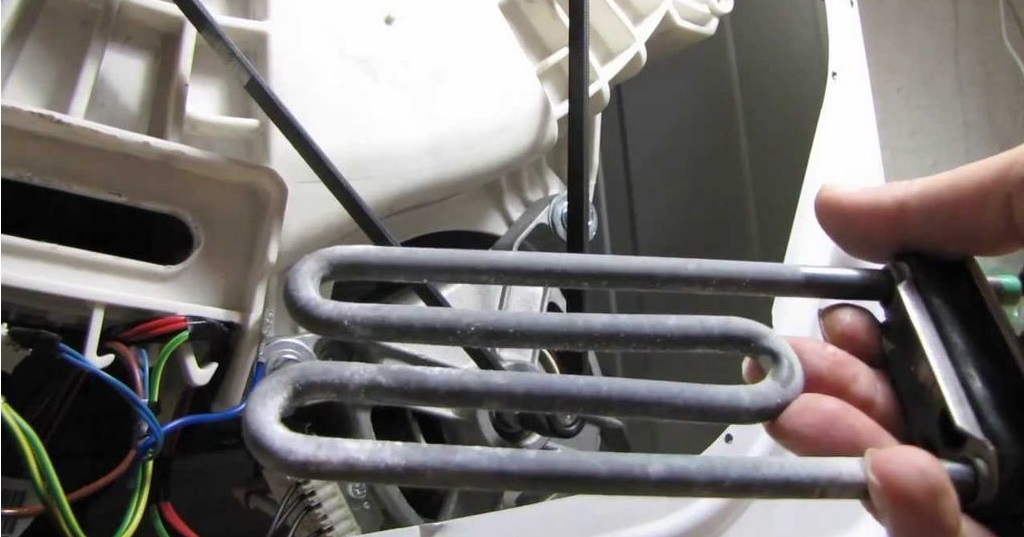
- swing it to the sides and remove the heating element from the socket.
You can check whether the heating element is working properly using a multimeter.
If you discover that your heater is faulty, you'll need to purchase and install a new tubular element. The procedure is as follows:
- lubricate the heating element sealing rubber with dishwashing gel;
- insert the heater into the "socket";
- secure the structure with a nut;
- Connect the wires and the thermistor.
If cleaning the filters, replacing the pressure switch, inlet valve, or heating element doesn't resolve the issue, and diagnostics of the drain pump and door lock reveal no issues, the only option left is to check the control board. Messing around in the "brains" of the machine without the necessary knowledge and experience is not recommended. You could cause further damage to the appliance. It's best to entrust electronic repairs to a service center.
Interesting:
Readers' comments
Headings
Washing machine repair




For buyers




For users


Dishwasher




Add a comment