
DDC error in Samsung washing machine
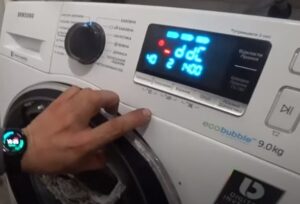 Modern washing machines have a variety of error codes to detect malfunctions. The ddC error code in Samsung washing machines is considered one of the most common, making it very easy to encounter. This code informs the user that the door is not locked, preventing the cycle from starting. It's okay if the user simply forgot to close the door properly, but what should they do if the door is broken? Let's explore this tricky situation and how to fix it at home.
The mechanism inside the door is to blame
If the breakdown is caused by a mechanical problem with the door, then it will not be possible to slam it shut until it clicks. In this situation, the hatch will either not be fixed in the provided grooves, or will simply be pushed away from the body of the “home assistant”. If this malfunction occurs, it will feel as if a foreign object is blocking the locking mechanism. In any case, the result is the same: the door will not click when closing, preventing washing.
Door damage is usually caused by high loads not specified by the appliance manufacturer. These include slamming the door too hard, hanging wet clothes on it, or children trying to ride on it. All of these factors can cause a wide range of problems, requiring repairs.
- Door misalignment. Door hinges can become loose over time if the machine is heavily used for many years. However, the mechanism will deteriorate even faster if heavy objects are hung on the door or if it is slammed hard. You can try to restore the balance yourself by first adjusting the door position and then tightening the fasteners. If the fasteners are broken, they must be removed and replaced with new ones.
Try to buy original spare parts – they will not only fit your device perfectly, but will also last much longer than cheaper alternatives.
- A dislodged latch. This refers to a small hook inside the locking mechanism that holds the door closed with a small metal rod. You may wonder what to do if this rod falls out of its seat, causing the entire latch to shift. Fixing this issue is simple, but it requires partially disassembling the door, opening the locking mechanism, and returning the metal rod to its original position.
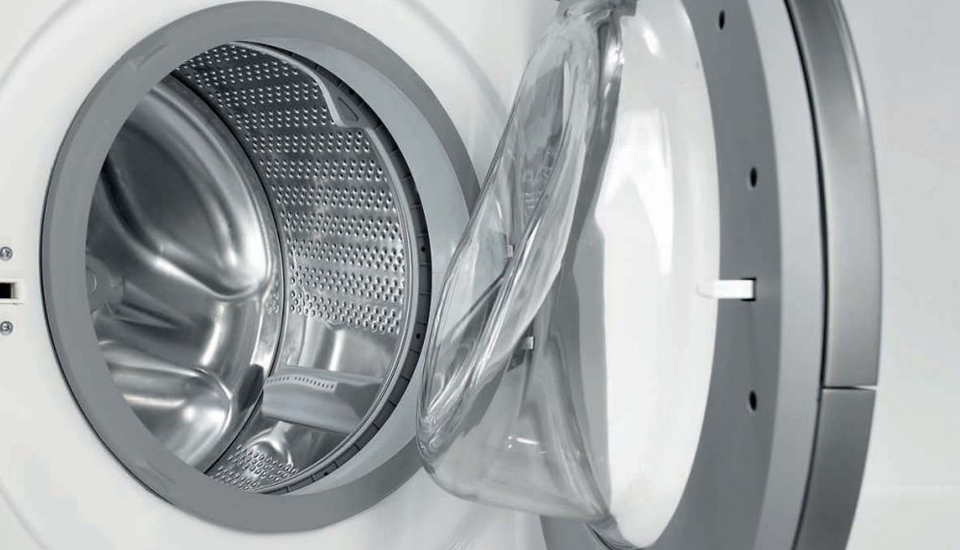
- Damaged handle. The door handle may also require repair, as it can also fail due to the door being slammed shut. Unfortunately, repair is not possible, so restoring the door's proper engagement with the washing machine body will require replacing the component.
- Guide failure. The plastic guide plate is designed to bend and secure the hook in the groove when the lock is engaged. If the plate is worn or broken, the latch plate will not engage and thus lock the door.
It's impossible to determine the cause of a breakdown with the naked eye. To do this, you'll need to carefully examine each of the components in turn, following our instructions.
- Disconnect household appliances from the power supply.
- Open the hatch door.
- Explore the castle.
- Using a star screwdriver, unscrew the fasteners that hold the door to the washing machine body.
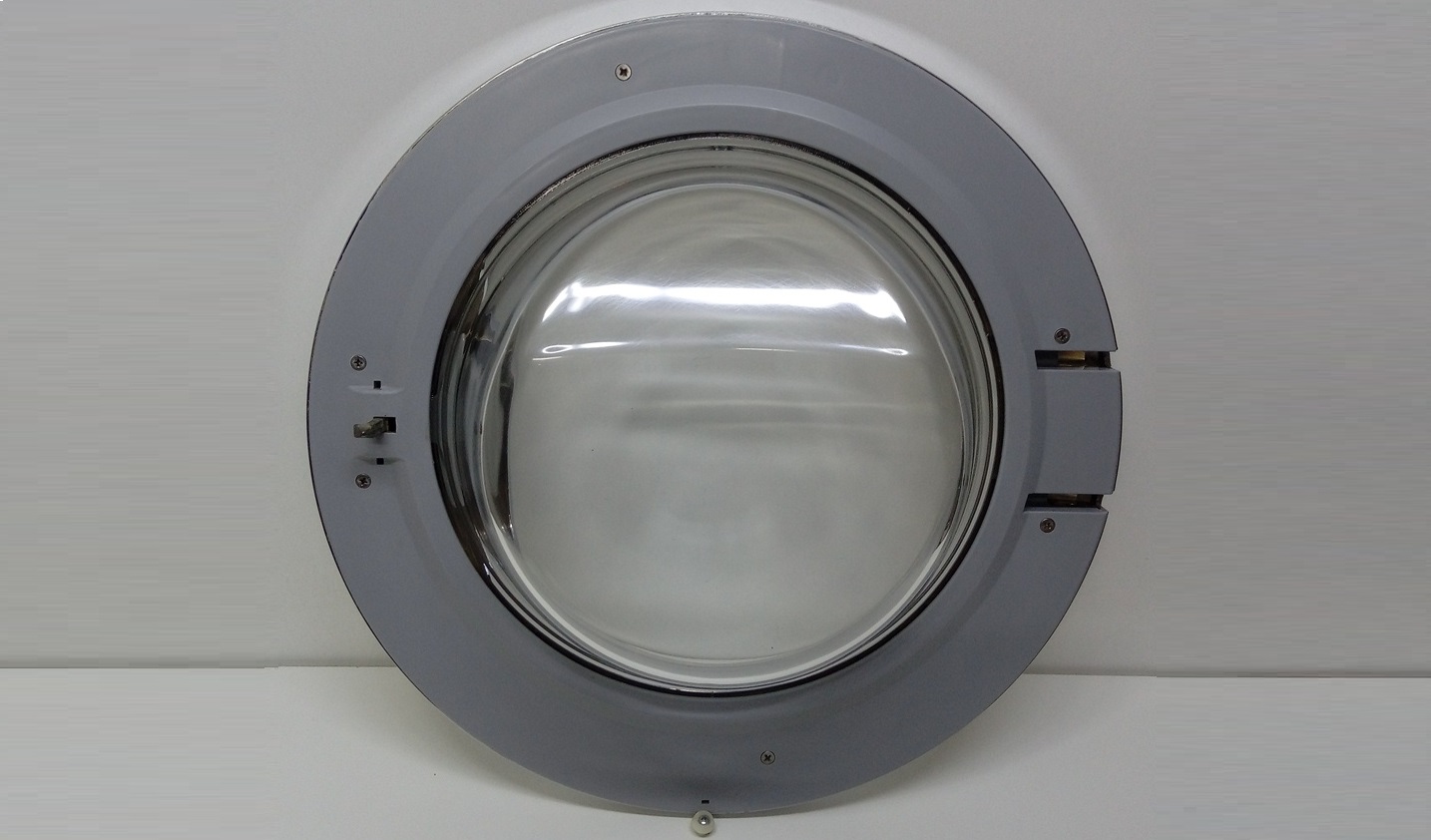
- Lift the door and remove it.
- Check the integrity of the hinges, replace them if necessary, or simply tighten them more tightly.
- Loosen the screws holding the two halves of the door together to open it and gain free access to the locking mechanism.
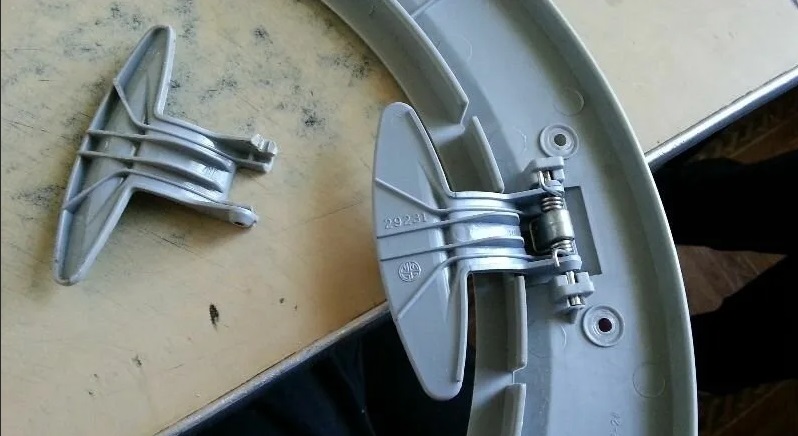
- Examine the knot carefully.
Do not apply too much force during the repair process to avoid accidentally damaging other fragile components of the washing machine.
Because finding original components for a door handle or locking mechanism is extremely difficult, you'll have to look for complete new parts. This will be more expensive, but you'll get a completely new working unit that will last for many years. Without purchasing a new spare part, you can only fix a minor issue such as a misaligned rod, latch, or hinge.
The UBL mechanism is acting up
Finally, let's look at an annoying problem where the door closes with a click, but the cycle still fails to start. In this case, the door locking device, which is activated automatically immediately after washing is activated, is to blame. This is typically done to provide the user with additional protection against accidental opening of the hatch during operation. If the hatch locking device fails, the additional locking mechanism will be lost, which will be detected by the Samsung control board, which will prevent the door from starting the operating cycle. The hatch locking device may stop functioning properly due to the following issues:
- blockage;
- damage to the device;
- manufacturing defect;
- control board failure.
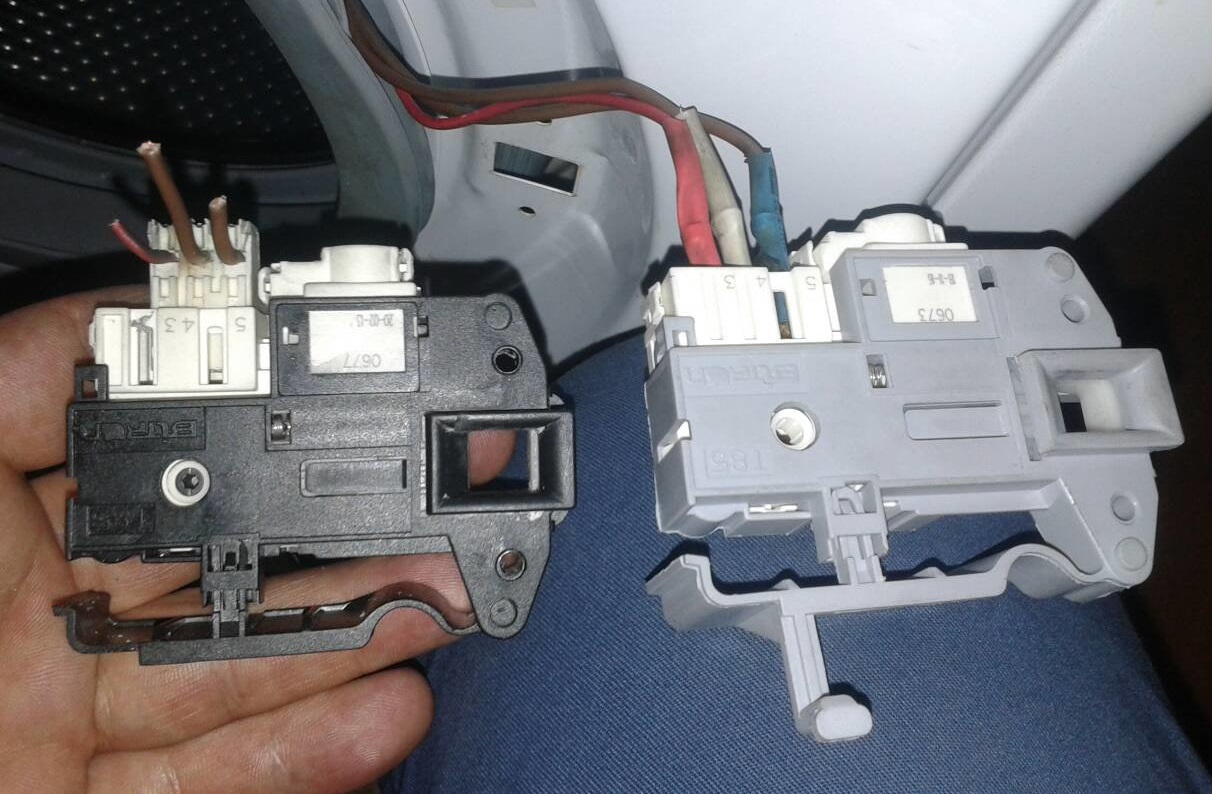
If foreign objects or dirt have gotten into the device, it's easy to fix yourself. Simply remove the door lock, disassemble it, and thoroughly clean out any debris. If the bimetallic plate has failed or there's a short circuit, the element will need to be replaced.
If the electronic door unit does not open before washing, then the door lock or control board is faulty.
Finally, the last and most frustrating scenario is a faulty control board. If a software glitch occurs, or microchips, tracks, or contacts are burned out, the blocking device simply won't receive a message indicating the need for a blocking device. This can happen due to sudden power surges, a one-time failure, or randomly pressing buttons on the washing machine's control panel. In any case, diagnostics and repairs should only be performed by a qualified technician with the necessary knowledge and equipment. Therefore, it's best not to attempt to remove and repair the board yourself, as this could cause further damage.
Interesting:
Readers' comments
Headings
Washing machine repair




For buyers




For users


Dishwasher




Add a comment