
Error E01 on a Bosch dishwasher
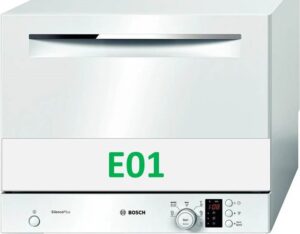 A machine displaying the E01 error code indicates a problem with water heating. In most cases, the heating element is the culprit. Over time, the element becomes coated with limescale and scale, which leads to failure. You can replace the heating element yourself at home.
Where did this code come from?
The Bosch dishwasher code E01 indicates that it is unable to heat water. The most common cause of the error is a faulty heating element; less often, the culprit is the temperature sensor. Sometimes the problem is with loose contacts, which disrupts the connection between the heating element and the control board.
A burnt-out heating element cannot be repaired and will need to be replaced.
What should you do if you see this error code on your dishwasher's display? First, check if the water in the wash chamber is heating up. If it's cold, you'll need to access the heating element and diagnose it.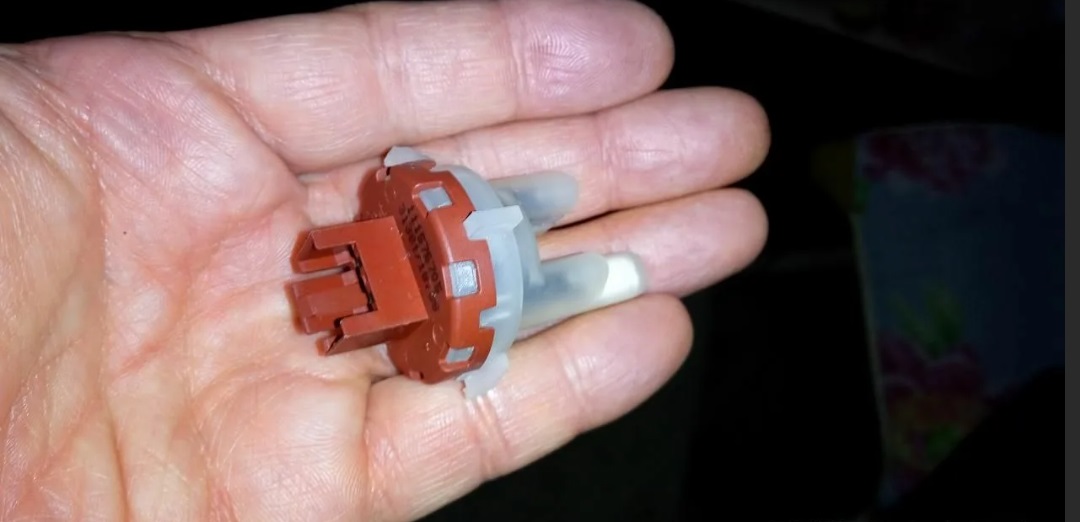
If the water in the wash chamber is hot, a faulty thermistor may be the cause. A faulty sensor sends incorrect information to the control module, reporting that the water is cold, even though it's heating. Replacing the thermistor will clear the error.
In Bosch dishwashers, the heating element and circulation pump are housed in the same housing. Diagnosing the heating element doesn't require disassembling the unit. We'll show you how to troubleshoot your dishwasher's error message yourself.
Restarting the dishwasher and checking the heating element
First, you need to make sure your Bosch dishwasher is displaying the E01 error code for a reason. This can be verified by resetting the appliance. Turn off the dishwasher using the power button, then unplug it from the outlet and wait 15-20 minutes. Then plug it back in. If the code remains, there is indeed a malfunction, and the machine will need to be diagnosed.
The heating element in Bosch dishwashers is housed in the same housing as the circulation pump. The complete unit costs between $45 and $120. Therefore, it's best to first confirm that the heating element is indeed the problem before purchasing replacement parts.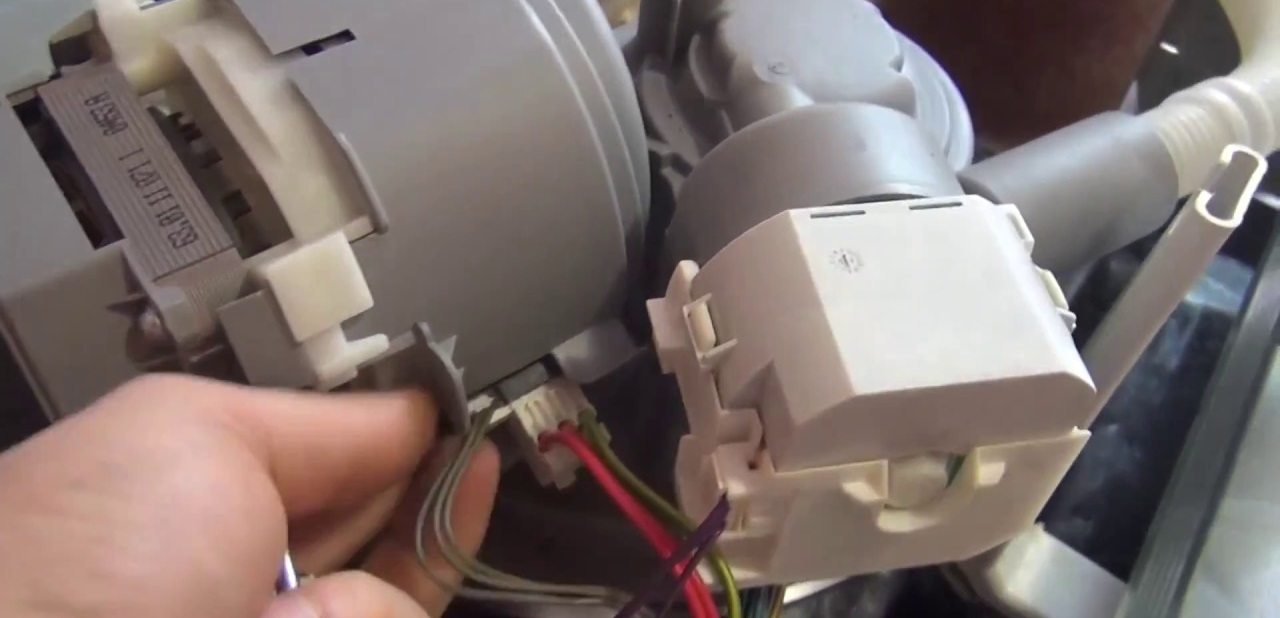
To perform heating element diagnostics:
- de-energize the dishwasher;
- turn off the valve that supplies water to the machine;
- disconnect the dishwasher from the utilities by unhooking the hoses;
- Move the dishwasher to a location where it is easy to operate;
- remove the dish baskets from the bin;
- remove the dishwasher's trash filter;
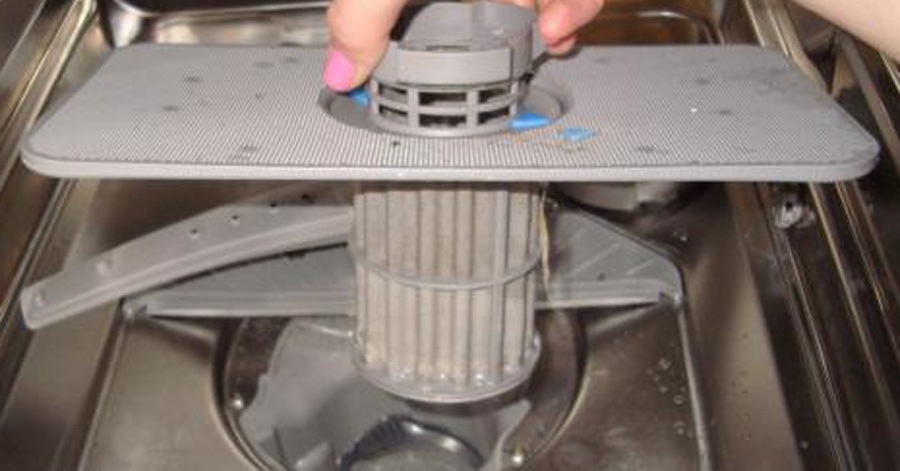
- Unscrew the bolts securing the side panel of the device, remove the panel and set it aside;
- turn the machine upside down;
- remove the sound insulation from the side wall;
- remove the springs of the dishwasher door soft opening mechanism;
- Use a screwdriver to remove the dishwasher tray;
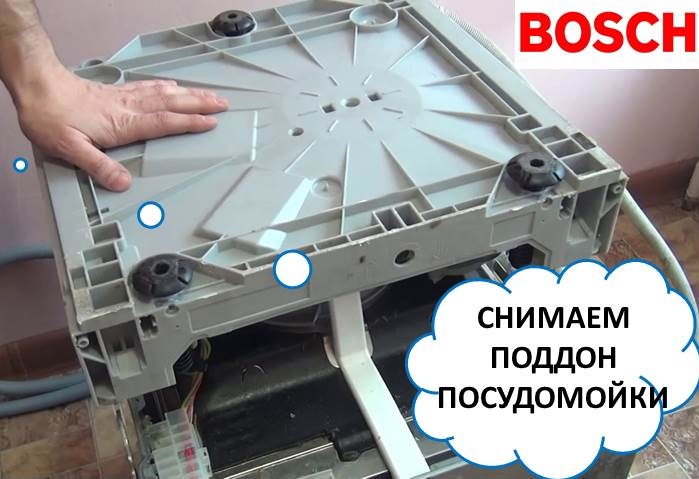
- disconnect the float sensor connectors;
- unhook the filler neck.
Once the dishwasher's bottom is removed, the circulation pump will become visible. This is a fairly large component with wires and pipes connected to it. To diagnose the heating element, it's not necessary to remove the part from the dishwasher housing.
The heater contacts are located on the recirculation pump housing. Diagnostics are performed using a special device – a multimeter. You need to switch the tester to ohmmeter mode, attach the probes to the terminals and measure the resistance produced by the heating element.
A working heating element should produce a resistance within 21-22 Ohms.
If the multimeter display shows zero, one, or an infinite number, this indicates a faulty heater and requires replacement. If the tester readings are normal, it's time to check the heating element for breakdown.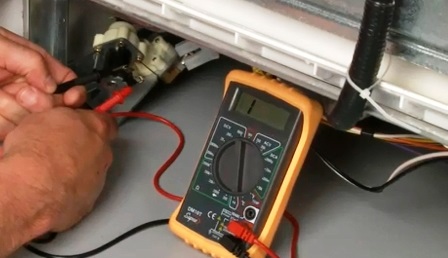
To do this, set the multimeter to megohm mode. Then, touch one probe to the heating element's power contact, and the other to ground or directly to the housing. If the heater is working properly, the reading on the tester's display will approach infinity.
It's important to apply the multimeter probe to a dry heating element. If the heating element's casing is wet, the readings will be false. Therefore, when performing diagnostics, ensure that the element is not wet.
Once you've confirmed that the error code is indeed caused by a faulty heating element, replace your Bosch dishwasher's circulation pump. If you're unsure, call a specialist and pay them for a diagnostic. They'll be able to confirm or refute your suspicions.
The weak point is the temperature sensor
Sometimes this error code is caused by the temperature sensor. The thermostat contacts are located near the heating element connector. The thermistor has three terminals, one of which is common.
The thermostat transmits water temperature information to the control module. When the sensor fails, it may report incorrect data, such as no heating. The "brain" will stop the dishwasher and display an E01 error.
The thermistor is also tested with a multimeter. First, set the tester to kilo-ohm mode and check the resistance between the center and outer terminals of the sensor. It should be the same.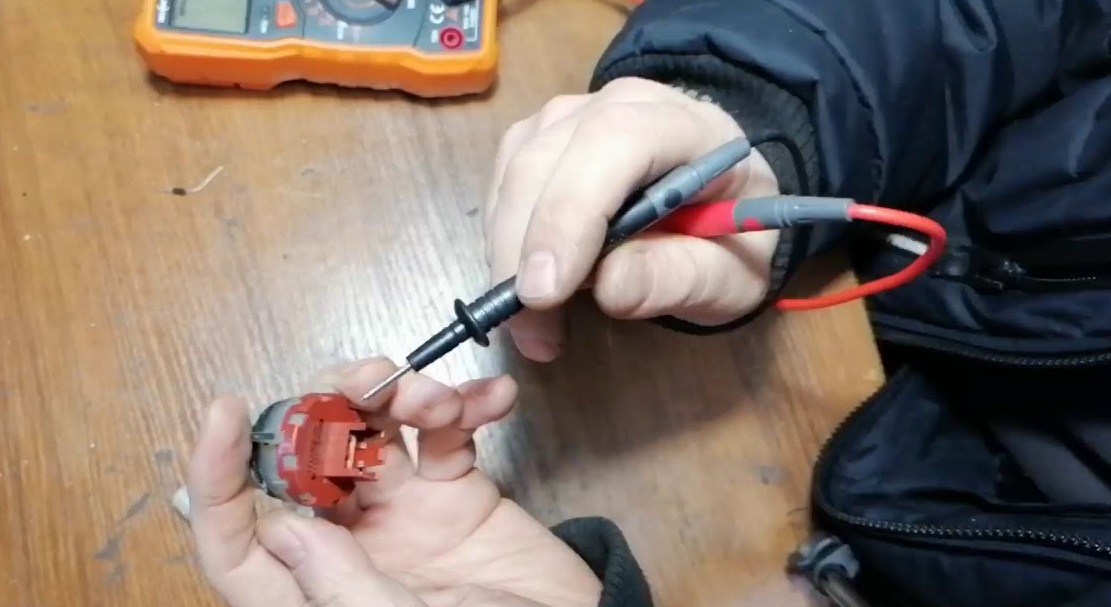
Next, measure the resistance between the two outer contacts. This value should match the sum of the previous measurements. If everything matches, the diagnostics continue.
The resistance displayed by the sensor will vary with temperature. At 25°C, you can measure approximately 7 kOhm between the outer and center contacts, and 14 kOhm between the two outer contacts. If you place the thermistor in warm water (40-50°C), the reading on the multimeter display should decrease proportionally.
Once the problem is identified, replace the temperature sensor. Unlike the heating element, the thermistor can be purchased separately. Repair is simple. Simply press the latches and pull out the old thermostat, being careful not to damage the seal. Then, install the new part.
Next, reassemble the Bosch dishwasher in reverse order. Replace the previously removed circulation pump, and connect the wires and hoses to it. Then reconnect the float connectors and secure the tray. Once finished, run a test wash – the error should resolve.
Interesting:


Readers' comments
Headings
Washing machine repair




For buyers




For users


Dishwasher




Add a comment