
Siemens dishwasher error E09
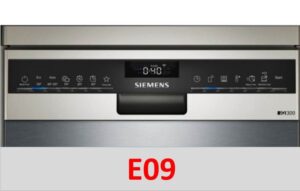 Most dishwasher errors may go unnoticed by users throughout their entire lifespan. This is because there are so many errors, new error codes typically cause confusion at first. For example, error E09 appears when the water isn't heating. This can be caused by a faulty heating element, a damaged thermistor, or a problem with the dishwasher's control module relay. Let's look at how to troubleshoot and fix the problem without calling a service technician.
Why did this code appear?
The informative error code E09 in a Siemens dishwasher alerts the user to a problem with the heating element, thermistor, or control board. Each of these components is responsible, to varying degrees, for heating the water in the dishwasher.
- The water heating element is directly connected to the heating system, as this tubular element is installed to heat the water entering the chamber. If the heating element burns out during operation, the water will always be cold. You can test the heating element with a standard multimeter.
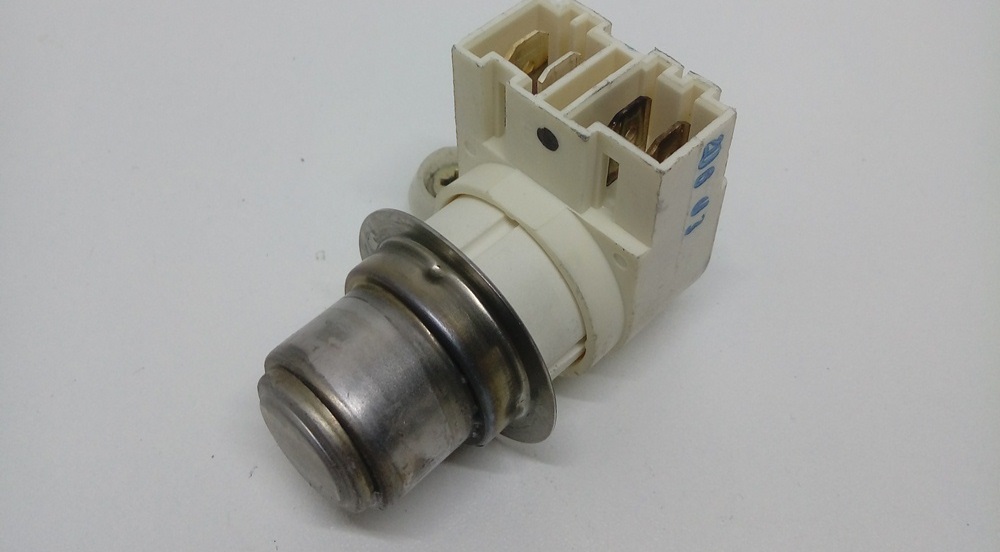
- The thermistor in a Siemens dishwasher measures the water temperature. If the unit is faulty, it will either transmit incorrect data to the dishwasher's control board or fail to transmit any information at all. Under these conditions, the dishwasher will be unable to heat the water to the level selected by the user for a given cycle.
- The dishwasher's control board is responsible for the operation of all its components. Therefore, if this component is damaged, the system will fail and simply stop receiving signals from the "brain."
These are the main factors that can cause the E09 error. It's also worth listing minor factors that can also contribute to the lack of heating. Sometimes, the entire system's operation is undermined by these "little things."
- Incorrect connection of the "home assistant" to all communications.
- The dishwasher's waste filter is heavily clogged.
- Incorrect settings selected for the work cycle.
- Damage to the pressure sensor.
If the problem occurred immediately after you purchased a brand new Siemens dishwasher, the cause may be an improper connection to the utilities. In this case, reconnecting the machine to the sewer system will help reset the error code.
Check that the drain hose is connected correctly—it must have two bends, one at the bottom, at the very base of the machine, and the other right next to the siphon. This is the only way to avoid the "siphon effect," where waste liquid flows back into the Siemens dishwasher instead of going down the drain.
If the drain hose is connected incorrectly, water will flow incorrectly through the dishwasher. This will also cause the water temperature in the wash chamber to always be slightly different from the user's set temperature. In rare cases, this may cause the water to remain cold.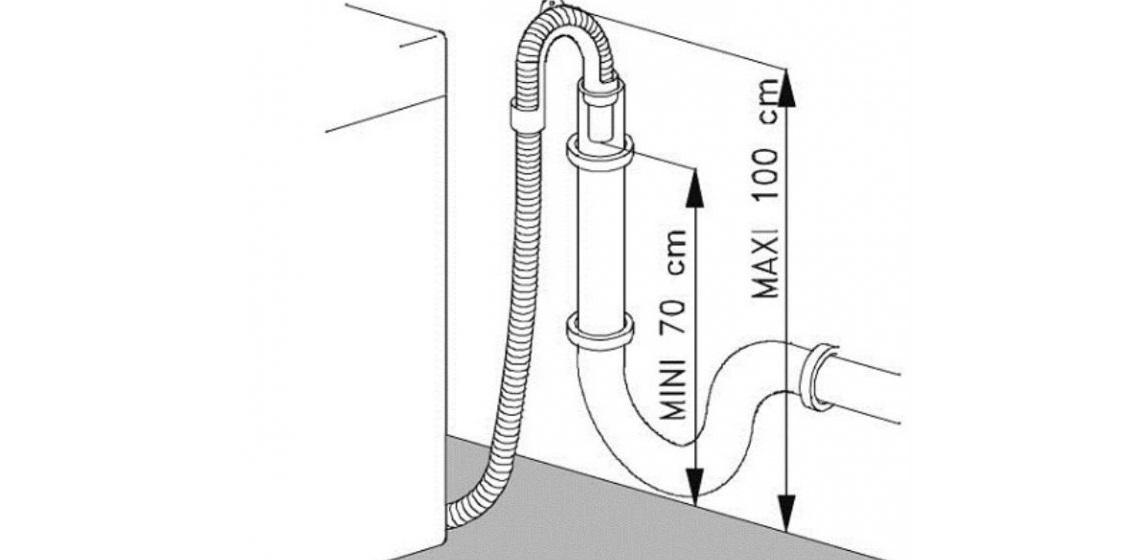
What should you do in this situation? The solution is simple: reconnect the drain hose to ensure proper water circulation in the dishwasher. This can be done in less than half an hour, but remember to disconnect the appliance from the power supply and water supply first.
If the E09 error isn't caused by the drain hose, you should check the unit's debris filter. Its connection to water heating isn't as obvious, but it is there. The water inside the wash chamber must constantly circulate freely, while the heating element maintains its temperature to ensure the water effectively cleans dirty dishes. If the filter element is clogged with debris, water circulation will be significantly slowed.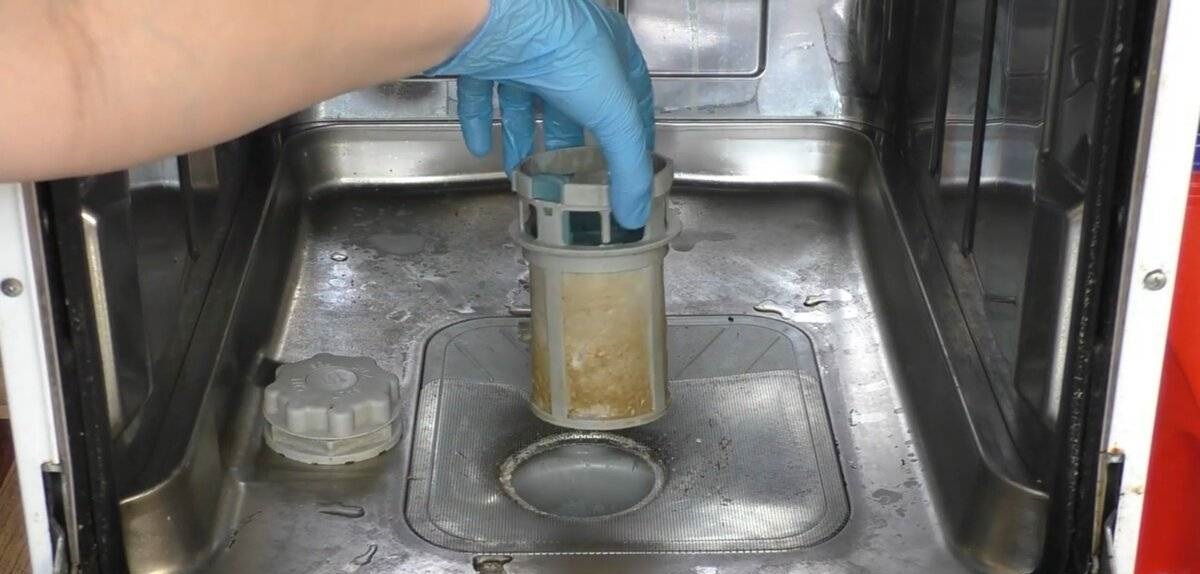
This causes water to accumulate in the hopper, preventing it from returning to the dedicated reservoir. This is why the Siemens dishwasher will be forced to refill with liquid, and the heating element won't be able to keep up with the heating.
To test this theory, simply observe the wash cycle closely. Look into the washing chamber during the cycle—liquid shouldn't accumulate. If it starts to linger at the bottom of the chamber, the debris filter needs to be cleared. This simple procedure can restore normal water circulation and heating.
The debris filter can be easily cleaned of contaminants using a citric acid solution, in which the element should be soaked for several hours.
If the first two problems aren't the cause, it's worth checking the Siemens dishwasher's pressure sensor. It's responsible for monitoring and ensuring water circulation in the system, so if it fails, it could cause problems with the water. In this case, the machine will drain the water and then fill with cold water, which the heating element won't be able to heat up quickly. If this happens to your "home assistant," you'll have to replace the sensor with a new one, as repairing a damaged part is impractical unless the problem is in the contacts, which can simply be cleaned.
Checking the temperature sensor
Another common cause of the E09 error is the temperature sensor, which often fails in Siemens dishwashers. You can test the temperature sensor yourself. What should you do?
- Prepare the necessary tools (Phillips and slotted screwdrivers, pliers and a multimeter).
- Disconnect the machine from all communications.
- Remove all dish baskets from the wash chamber.
- Remove the sprinkler that is installed at the bottom of the hopper.
- Remove the debris filter along with the small mesh installed underneath it.
- Unscrew the two fasteners hidden under the mesh.
- Place the "home helper" on the floor and then remove the side fasteners.
- Disconnect the drain pipe from the circulation unit in which the heating element is installed.
- Locate the thermostat mounted near the heating unit.
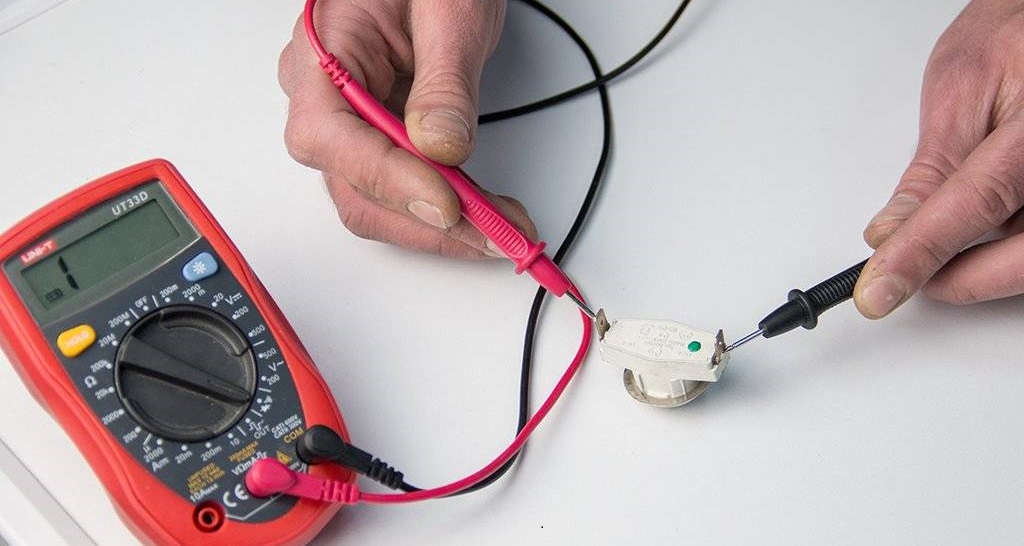
- Disconnect all wires from the temperature sensor.
Be sure to take a photo of the correct wiring connection to avoid confusion during reassembly.
- Carefully clean the thermostat contacts, then measure the resistance with a multimeter.
- If the unit is faulty, remove the damaged part and install a new temperature sensor in its place.
In rare cases, the E09 error is caused not by the thermostat itself, but by its wiring. Therefore, along with the thermostat itself, it's worth checking all the wires that may have burned out during active dishwasher use. Also, carefully inspect the wiring insulation before proceeding to the next step.
The control board is damaged
Another common cause of this error code is a malfunction in the Siemens dishwasher's control module. Typically, the problem lies not with the entire module, but with the water heating element relay, which is located on the unit.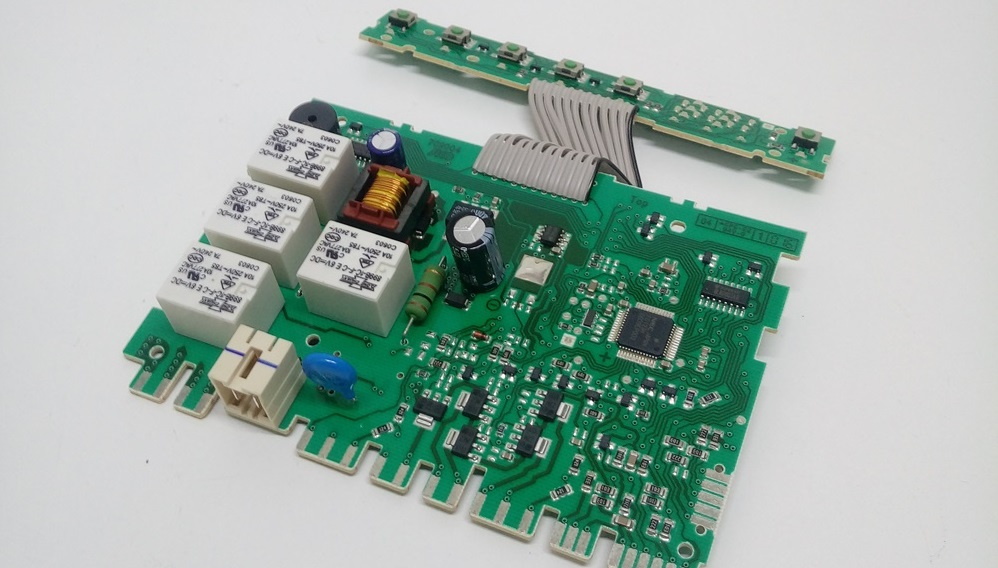
Repairing the board is not recommended, as it's a complex component that's much easier to damage than to repair yourself. At home, you can only carefully inspect the control board, looking for any damage visible to the naked eye, to confirm that the problem lies with the electronic unit. If there are visible defects, call a technician to repair the complex board.
The heating element needs to be checked and replaced.
In Russia, one of the most common causes of failure of heating elements in household appliances is poor-quality hard water from the tap. If you don't use special filtering devices and liquid softeners, the heating element will eventually fail due to a thick layer of scale.
Do not attempt to partially disassemble the appliance to replace a burnt-out heating element if it is still under warranty – this action will void the warranty and you will be denied a free repair.
If your Siemens dishwasher is no longer under warranty, you can check the heating element yourself and replace it if it's burned out due to scale buildup. To do this, you need to access the circulation pump housing, which contains the heating element. Carefully disassemble the unit, access the heating element, and check its resistance, which should be between 21 and 22 ohms. How do you partially disassemble the dishwasher to gain easy access?
- Disconnect the device from the water supply and power supply.
- Open the dishwasher door.
- Remove all dish baskets to keep them out of the way during inspection.
- Remove the sprinkler.
- Remove the debris filter from the bottom of the wash chamber, and then drain any remaining water from the hole to avoid accidentally flooding the floors.
- Place the machine on its side.
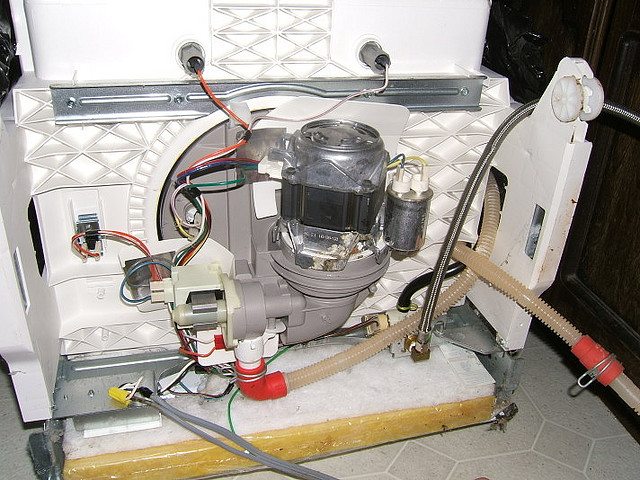
- Remove the bottom and side walls, first removing the fasteners, to ensure free access to the pump located at the bottom of the machine.
- Disconnect the wiring from the circulation pump and remove the unit.
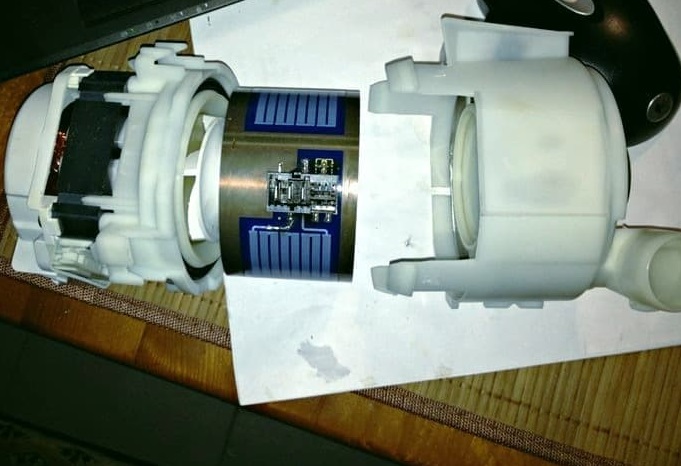
- Disassemble the pump and find the heating element inside.
- Disconnect all wires and carefully remove the part for further inspection.
Now all that's left to do is test the unit with a multimeter. If the resistance readings are abnormal, you'll need to buy a new heating element and install it in its place. To find the right part, take the old water heating element to the store as a reference.
If a temperature sensor, heating element, pump, or other relatively inexpensive component fails, repair is a logical solution. However, if the dishwasher's control board is damaged, repairing it could cost even more than buying a brand new Siemens dishwasher, so in this case, it's best to evaluate the feasibility of repair in advance.
Interesting:

Readers' comments
Headings
Washing machine repair




For buyers




For users


Dishwasher




Add a comment