
Error E10 in the AEG washing machine
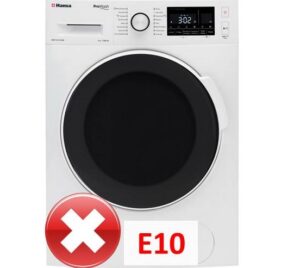
 Modern automatic washing machines are equipped with a self-diagnosis function for system malfunctions. This feature is very convenient for the user, helping to quickly identify the cause of the unit's failure. A sudden E10 error message on an AEG washing machine immediately interrupts the wash cycle, locks the door, and stops the system. This article discusses what this code means and how to troubleshoot it.
The meaning of this error
What does the displayed code tell us? Having studied the operating instructions for the AEG machine, you can understand that this symbol indicates an insufficient amount of water in the tank or its absence. This code interpretation is quite broad, as there are actually several possible causes for the E10 error. The washing machine may display the error if:
- lack of water in the water supply system (due to in-house cold water supply shutdown);
- defective water intake hose;
- inlet valve malfunctions;
- failure of the pressure switch;
- the presence of self-draining water from the tank.
Self-draining is the spontaneous leakage of water from the washing machine tank due to some kind of breakdown.
Some washing machines, with a fairly extensive error code database, can specify the cause of the unit's malfunction by pinpointing a specific system failure. However, most AEG models lack this capability and instead return a generic E10 error code. If the washing machine doesn't specify which component is faulty, you'll need to keep all of the above factors in mind when attempting a DIY repair.
We are looking for the reason for the code's appearance
If the error code in your AEG washing machine is displayed on the digital screen, you need to examine the main elements of the washing machine system, responsible for water intake and waste liquid drainage, one by one. It is best to start inspecting the unit with the simplest part, something that does not require you to get into the machine's body. It makes sense to check parts that are easily accessible, since in 90% of cases the malfunction can be fixed at home.
Let's look at the steps needed to confirm or refute each of the factors listed as causing error E10. The first reason cited was a lack of water in the water supply system. How to check for water in the pipes doesn't need to be explained; even a child can do this.
The next step is a defective inlet hose. This could be clogged, kinked, damaged, or something else. What should you do in this case? If there's a water filter upstream of the hose, remove the filter element and inspect it—it's likely clogged with debris and scale, preventing water from entering the tank. If there's no filter or it's not clogged, check the hose for kinks or twists. Next, check the tightness and secure connection of the water inlet hose to the water supply pipe, as well as the opening in the washing machine.
Once the water intake system is fully functional, it's time to inspect the unit for any signs of water draining. To do this, lean against the washer and listen for the sound of water draining from the tank in the drain hose. Since the washing machine stops working after displaying the E10 code, this should be easy to hear. If you notice this sound, check the drain hose—it shouldn't be lying on the floor. If it is, raise the hose about 60 cm above the floor.
If the above steps fail to identify the root cause of the error code, you need to proceed to diagnosing the washing machine's internal components. Be careful: without specialized knowledge of washing machine design, you can spend a lot of time on repairs without achieving the desired result. Therefore, before starting work, thoroughly examine the internal structure of the unit. If the appliance is under warranty, it's best to entrust the repair to professionals.
Checking the pressure switch
The next step in troubleshooting is checking the water level sensor in the tank. Accessing the pressure switch and diagnosing it is easy; simply follow these steps: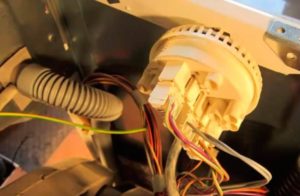
- de-energize the washing machine;
- turn off the valve that supplies liquid to the tank;
- Remove the top cover of the washing machine by unscrewing the bolts holding it in place.
After these simple steps, you'll gain free access to the pressure switch. Next, grab a tube of a diameter matching the sensor's nozzle. Carefully loosen the retaining clamp and disconnect the pressure hose. Attach the prepared tube to the nozzle and gently blow into it. When the pressure switch is fully operational, the contacts will be triggered – the device will emit 1 or 3 clicks. Then examine the sensor body for defects, check if there is a blockage in the hose, if debris is found inside the pipe, rinse it with a stream of water.
After a visual inspection, check the pressure switch using a multimeter. Set the device to resistance measurement mode, then place the tester probes on the sensor contacts. The readings on the multimeter display should change. If they remain unchanged, the pressure switch is faulty and should be replaced.
Malfunction in the electronic system
What should you do if, after double-checking all possible factors, you can't resolve the E10 error? Very rarely, this code completely paralyzes the machine, and it's not due to a problem with the water intake or drainage system. The washing machine may run like clockwork, but the warning message still appears on the display. What else could be the problem?
It is possible that the control board, the main unit that regulates the operation of all parts of the machine, has failed. This may occur due to power surges, manufacturing defects, or frequent switching on and off of the washing machine during operation.
It's impossible to repair electronics yourself without knowledge in this area; it's better to entrust such complex work to a qualified technician.
Although modern automatic washing machines have a self-diagnosis function for malfunctions, the error code often displays without specifying the specific component that has failed, instead pointing to a general problem. This is the case with the E10 code. You'll still have to identify the fault yourself by examining several system components.
Interesting:

Readers' comments
Headings
Washing machine repair




For buyers




For users


Dishwasher




Add a comment