
Error E10 in a Weissgauff washing machine
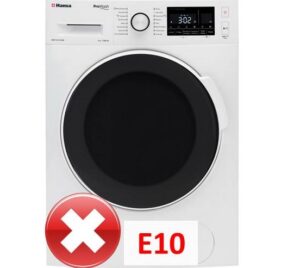
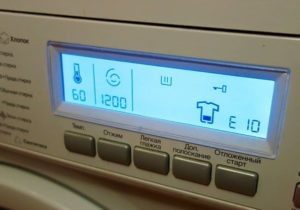
 Often, it's simply impossible to figure out why a washing machine has stopped working. Fortunately, modern equipment always promptly notifies the user of the cause of the malfunction. For example, the E10 error in a Weissgauff washing machine indicates that, for some reason, the "home helper" is unable to draw water to wash or rinse items. This is usually due to a lack of water in the water supply, but it can also be caused by damaged components. Let's look at the main causes of the malfunction and how to fix them at home.
List of potential breakdowns
The E10 error code can appear due to a number of reasons, which can take several hours of your free time to analyze. If there is water in the water supply and the hatch door is slammed shut, then a thorough diagnosis will have to be carried out. The error could have occurred for a number of reasons.
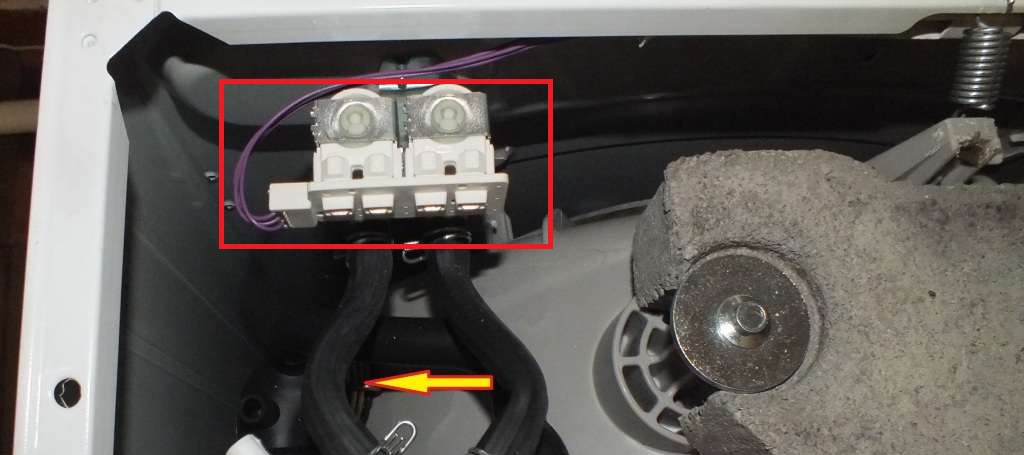
- A damaged inlet valve. This should be checked first, as this is often the case with appliances. Remember how household chemicals were washed out of the detergent drawer before it broke? If the detergent remains almost untouched during the cycle, the element is faulty. Just in case, it should be checked with a short test: connect it to the power outlet and apply 220 volts to the inlet valve. If the element is working properly, it will close with a distinctive click, but if it's damaged, it will simply not respond to the voltage.
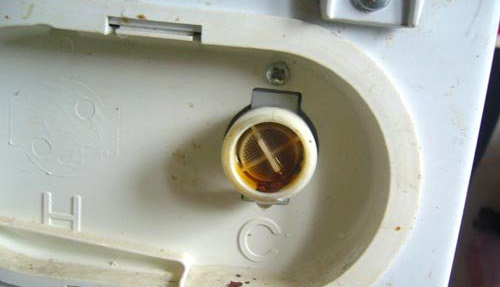
- Clogged filter mesh. Because tap water is generally very hard and dirty, numerous foreign particles and other debris remain on the filter element installed directly at the inlet of the washing machine. If the mesh is clogged, the appliance will make a loud humming noise while unsuccessfully filling with water.
- The coarse filter is clogged. Sometimes the problem lies in the secondary filter installed in the water supply system. It also often becomes clogged due to poor-quality tap water, preventing the drum from filling with liquid for the cycle.
- A broken pressure switch. Another extremely common cause of this error code. If the water level sensor fails, the machine can't monitor the current water level and stops running to prevent the cycle from continuing with too little or too much water. To check the pressure switch, remove the appliance cover, locate the element, detach the tube, and try blowing into it. If you hear a few soft clicks, the device is working properly. If you hear nothing, you'll need to either clean the element or buy a new pressure switch, even if cleaning doesn't help.
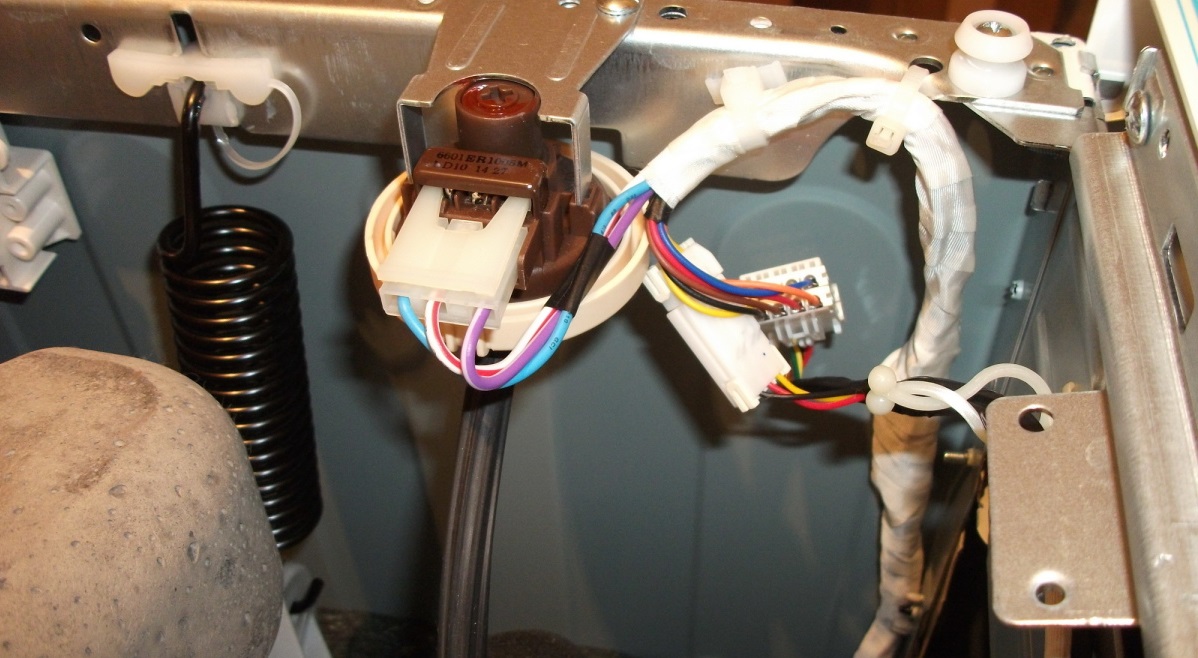
- Damage to the water level sensor hose. Over time, the hose can become leaky, so it should also be checked and replaced periodically.
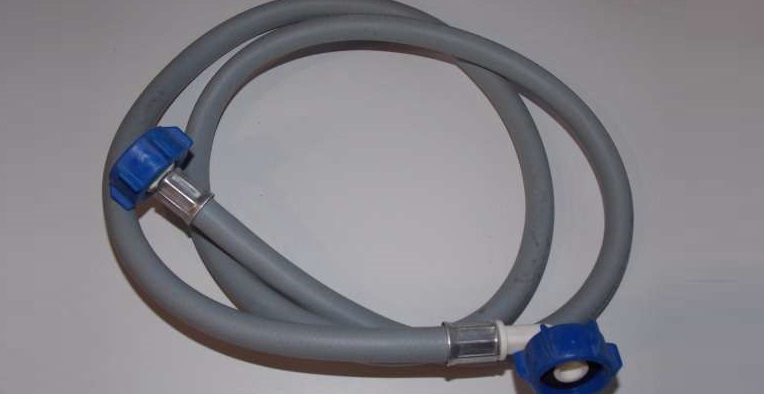
- A clogged inlet hose. Sometimes heavy objects, such as the body of a washing machine, are accidentally placed on the hose, blocking the water supply.
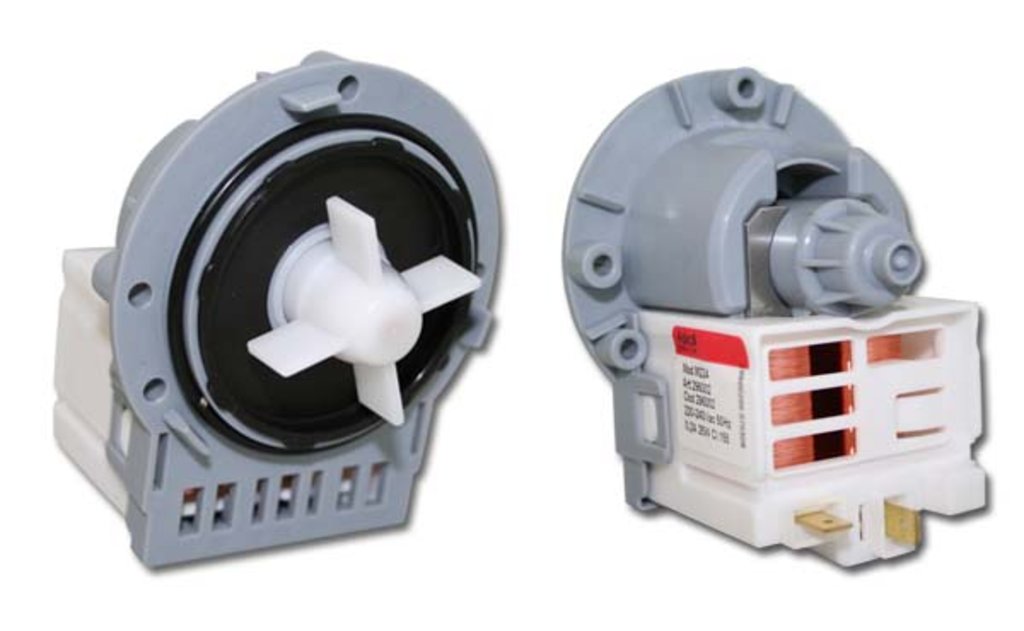
- A faulty pump. Before starting work, the system automatically drains all the waste water remaining in the machine from the previous cycle. However, if the pump is broken, no water will be pumped out, so the control module will not initiate a new water intake.
- A faulty control module. The most serious cause of a malfunction is a breakdown in the appliance's "brain," which controls and operates all components of the "home assistant." If the module is damaged, the entire system will not respond to commands, making washing impossible.
All the reasons have been listed, it’s time to deal with them yourself.
How to find the problem yourself?
If you're planning to do repairs at home, the first step is to conduct a full diagnostic. Disconnect the washing machine from the water supply and power supply, then proceed with the inspection, starting with the simplest parts.
- Make sure there is water in the house by simply opening a tap in any room.
- Check the valve on the water supply to make sure that liquid is flowing into the machine.
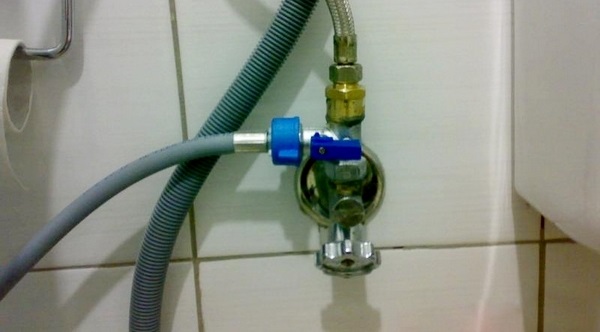
- Drain the fluid from the inlet hose to inspect it carefully and ensure that it is not pinched, clogged, or damaged.
If all is well, then you will have to start examining the filter mesh, a small round attachment located in the filling sleeve. If it is heavily clogged, water will not enter the system until the filter element is cleaned. What can be done to correct the situation?
- Remove the inlet hose from the washing machine.
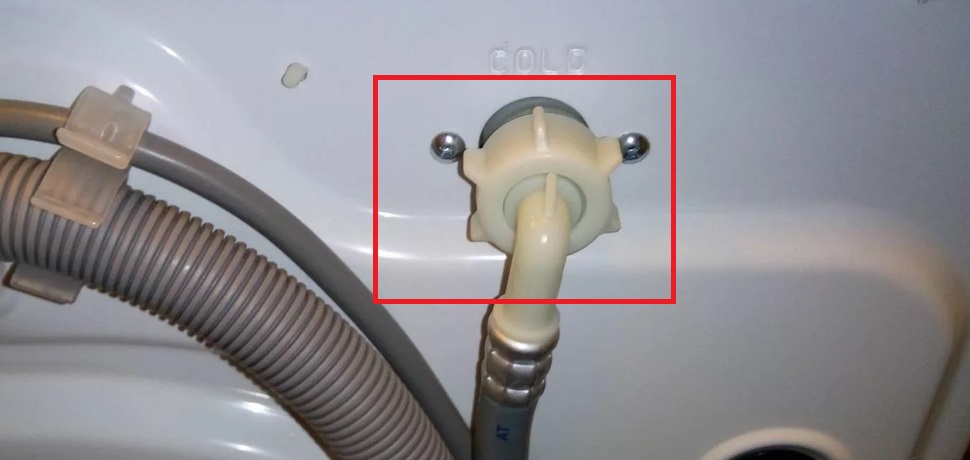
- Find the filter mesh in the hose.
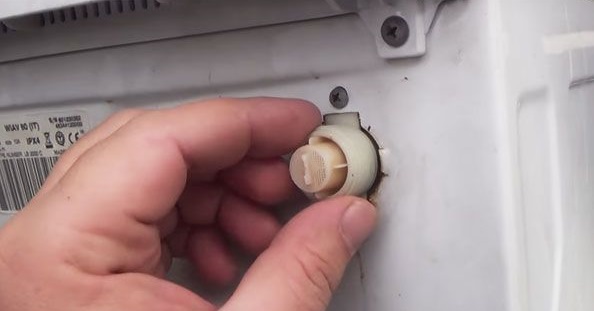
- Fix the protruding part of the mesh with pliers and remove it.
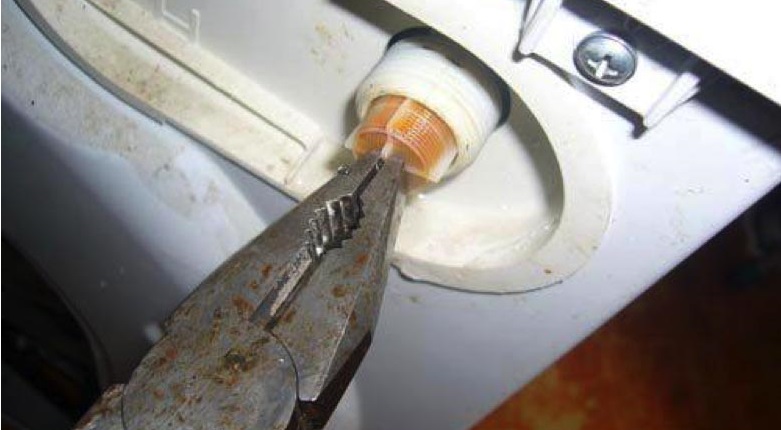
- Rinse the part under a strong stream of hot water and, if necessary, scrub it thoroughly with an old toothbrush to remove all dirt.
- Place the filter back into its seat.
Be especially careful when disconnecting the inlet hose - it always contains waste liquid, which can flood the floors if you do not place a container under it in time to collect the water.
Sometimes, your "home helper" won't fill with water because the coarse filter is clogged. This filter element is installed directly behind the faucet, so you'll first need to remove several other elements with a wrench. Remember that once the clamp is removed, a stream of water will flow out of the pipe, washing away all the dirt from the coarse filter. Just have a basin ready for the water, and the whole procedure will be seamless.
Intake valve diagnostics
Most often, the E10 error code is caused by a damaged intake valve. Repair is unnecessary in this case, as it's difficult to fix on your own—it's much easier to remove the old part and install a new one. This can be done yourself if you follow the instructions carefully.
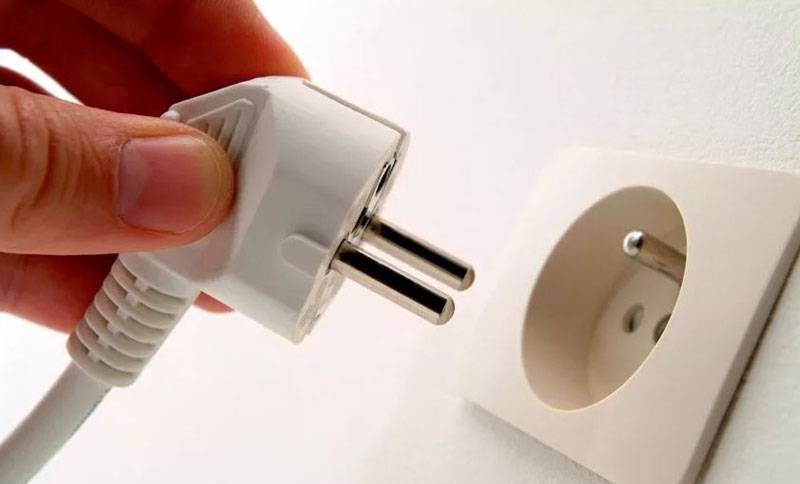
- Unplug the washing machine.
- Turn off the water supply tap.
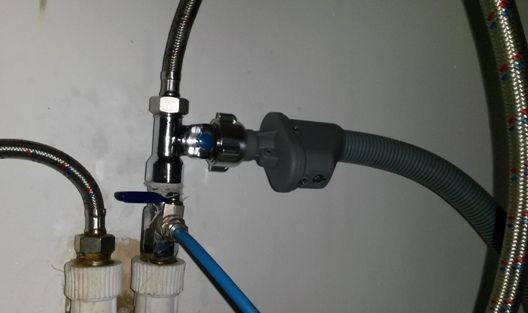
- Drain the water from the filler hose and disconnect it.
- Remove the CM cover, having first removed the fasteners.
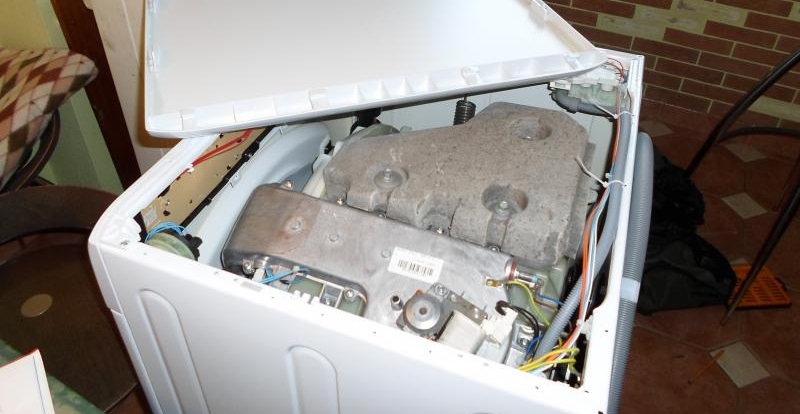
- Locate the inlet valve and disconnect all wiring and pipes from it.
Take a few photos of the correct connection of the elements to the valve so that you have an example at hand later.
- Loosen the locking bolt.
- Remove the valve from the machine.
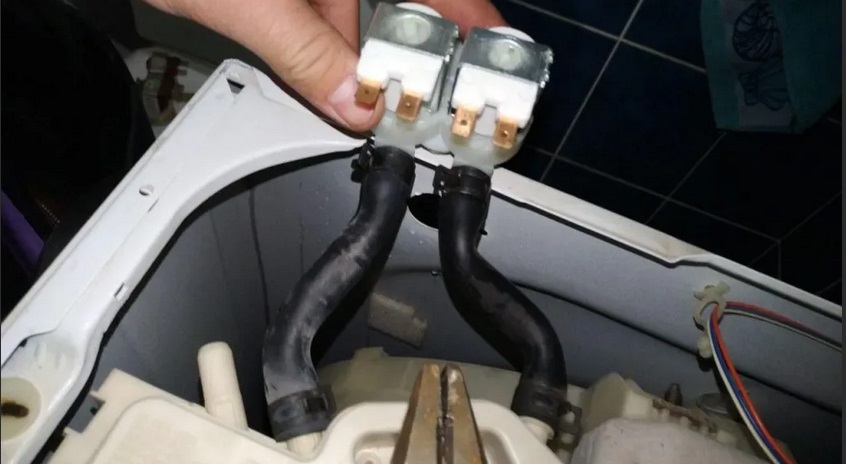
- Install a new element in its place.
- Secure it with the retaining bolt.
- Connect the pipes and wiring to it.
- Replace the washing machine lid.
- Reconnect the filling hose.
Now the washing machine The Weissgauff can be connected to all utilities and run a test cycle without clothing. The repair is successful if water flows freely into the detergent drawer and tank again. Additionally, check the inlet hose—the connection should be dry, with no drips or leaks.
Contact the repair service if the situation with the E10 error code occurs again after all the manipulations performed.
A lack of water in your washing machine is a serious problem, as your appliance won't be able to complete a single cycle in this condition. Follow our instructions carefully to fix the problem yourself at home.
Interesting:

1 reader comment
Add a comment
Headings
Washing machine repair




For buyers




For users


Dishwasher




Everything was just like yours. We raised the drain hose higher and everything worked. The water drains by gravity, so the valve must be weak.