
Error E13 in a Bosch washing machine
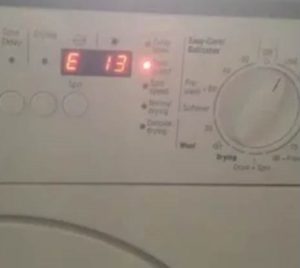 Unfortunately, most washing machine manuals don't cover all possible error codes. For example, users encountering the E13 error on a Bosch machine may have difficulty deciphering it. Let's figure out what to do if the system alerts you to a malfunction by displaying this error code.
Why did the code appear?
What should I do if my washing machine stops working and displays an incomprehensible error code? Error E13 indicates that draining water from the tank is difficult. In other words, the liquid from the system is discharged into the sewer, but very slowly.
Interpreting the error code narrows the range of possible malfunctions. The user will then need to figure out what could have caused the problem and test their guesses one by one. Start with the simplest steps, gradually moving on to more complex ones. Let's look at what could be causing the drain problem and which system elements to address first.
Why does water drain poorly?
To repair a Bosch washing machine, you need to determine the cause of its slow operation. Before starting repairs, it's important to conduct a preliminary diagnosis and isolate the problem. Drainage can slow down or stop completely due to a number of issues.
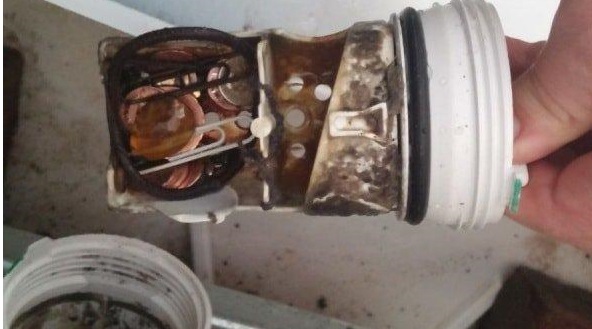
- Clogged waste filter. The plastic element is the first obstacle wastewater encounters on its way from the tank to the sewer. Dirt particles, debris, hair, and lint settle on the coil. The filter can also "catch" foreign objects accidentally dropped into the drum, such as coins, paper clips, pins, and buttons. If the "waste filter" is left uncleaned for a long time, the drain hole will become clogged, preventing water from draining further. The solution is simple: clean the element.
- Clogged drain hose. With each wash, the drain hose churns through tens of liters of wastewater. Dirt, debris, and detergent residue accumulate on the walls of the hose, forming a layer of scale. Accidental pinching or kinking of the hose can also obstruct drainage.
- Pump failure. The pump is the "heart" of the drainage system; it draws water from the drum, circulates it through the pipes, and then sends it to the sewer. If the pump fails, the flow of liquid inside the washing machine stops. A simple wear and tear of the pump or a blocked impeller can cause the drain to stop. First, you should check the unit and clean the parts. If necessary, you'll need to replace the element.
- Damaged control board. Sometimes the washing machine's "brain" simply doesn't signal the pump to start draining. The module will need repair; replacing the microchips or re-soldering the circuit boards may help.
- Level sensor failure. A faulty pressure switch sends incorrect information about the tank's fullness to the machine's "brain." In turn, the circuit board doesn't activate the pump, and the drain doesn't start.
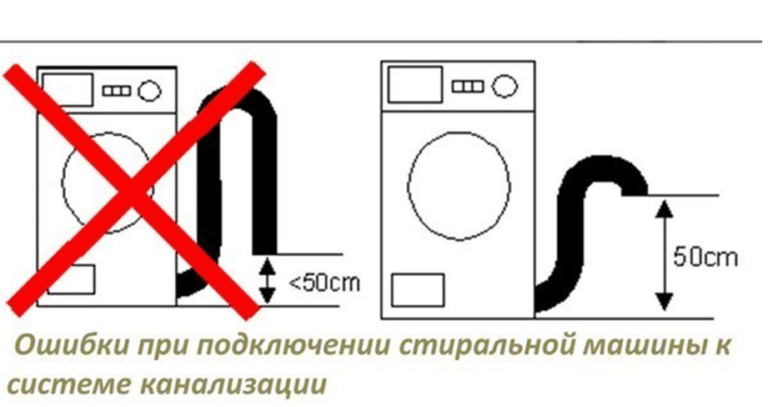
- Incorrect connection of the drain hose. To ensure free drainage of water into the sewer, the drain hose must be properly installed, strictly according to the instructions. Failure to follow these instructions can result in a "siphon effect"—a trap in the tank preventing liquid from draining due to the resulting air cushion. The length of the corrugated hose is also important—if it's more than one and a half meters longer than recommended, it can cause difficulties with water drainage.
- Faulty wiring. If the machine is not installed correctly, it will vibrate excessively during operation. The constant shaking can lead to broken wires and contacts. This will disrupt the connection between the washing machine's components. In this case, it's best to entrust repairs to professionals.
There are many reasons why the E13 error message appears on the display. Most often, the problem can be resolved immediately by cleaning the filter or reversing the drain hose. In any case, the first step is to empty the Bosch washing machine's drum. Let's look at how to do this correctly.
Getting rid of water
If the water in your Bosch washing machine's tank doesn't drain automatically, you'll have to do it yourself. Emergency drainage is carried out through the opening of the waste filter. The algorithm of actions will be as follows:
- open the technical hatch located in the lower right part of the front wall of the unit housing;
- prepare a low container to collect water, place it under the machine, in the area where the filter is located;
- Unscrew the drain filter plug and collect the liquid in a basin.
It is better to cover the floor around the washing machine with rags in case water spills over the edges of the container.
After the water has drained, rinse the plastic coil. Then shine a flashlight into the opening to check for hair or foreign objects caught between the blades. Clean out any debris from the cavity, wipe the walls with a cloth, and only then replace the drain filter.
If the plug is removed and water still isn't draining, you'll need to clear the pipes leading to the filter. It's likely the pipes are clogged. If this doesn't work, the only other option is to pump the water out of the drum using a third-party pump.
Is it worth doing something "independent"?
Before attempting DIY repairs, consider your own abilities, capabilities, and the extent of the problem. Even a homemaker can clean a debris filter, unclog, or adjust a drain hose. Replacing a pump or pressure switch is a more complex task, but still quite feasible for a novice.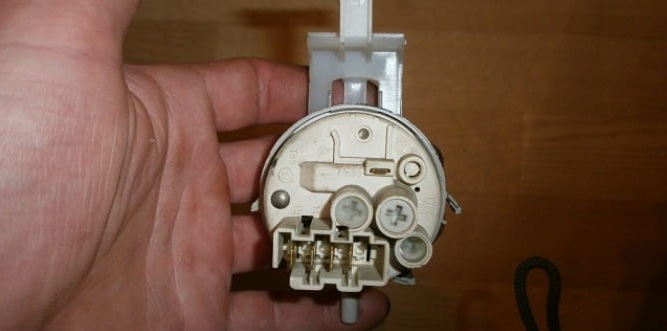
As for problems with the control board or wiring of the washing machine, you'll need to call a technician. Modern washing machines have complex software that can be damaged by inappropriate tinkering.
Before starting any repairs or diagnostics of the machine, be sure to de-energize the equipment and turn off the water supply tap.
If the machine is still under warranty, do not open the case under any circumstances. Service center specialists will diagnose and repair the equipment.
Interesting:

Readers' comments
Headings
Washing machine repair




For buyers




For users


Dishwasher




Add a comment