
Error E14 on a Candy washing machine
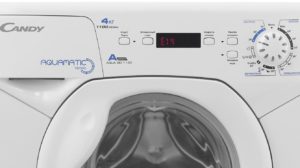 If you encounter the E14 error while using your Candy washing machine, further use becomes impossible. To resolve the issue, you should decode the code and determine the specific problem that caused it. Once the cause of the problem is identified, you can attempt to repair the machine. We'll explain how to do it yourself in this article.
The meaning of the E14 code
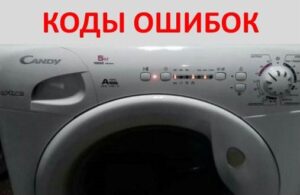
This error code can be seen in Candy washing machines equipped with a display. If there is no display, a flashing light on the front panel will indicate a malfunction. To determine the error code, count the number of flashes in a series. The series of flashes are separated by a pause of approximately 5 seconds. Error code E14 corresponds to 14 flashes.
The E14 error code, as well as its equivalent signal on a washing machine without a display, indicates a faulty heating element, temperature sensor, or control module. To troubleshoot an E14 error, you'll need to check each of these components. We recommend starting with the simpler ones—the heating element and temperature sensor.
Testing the heating element
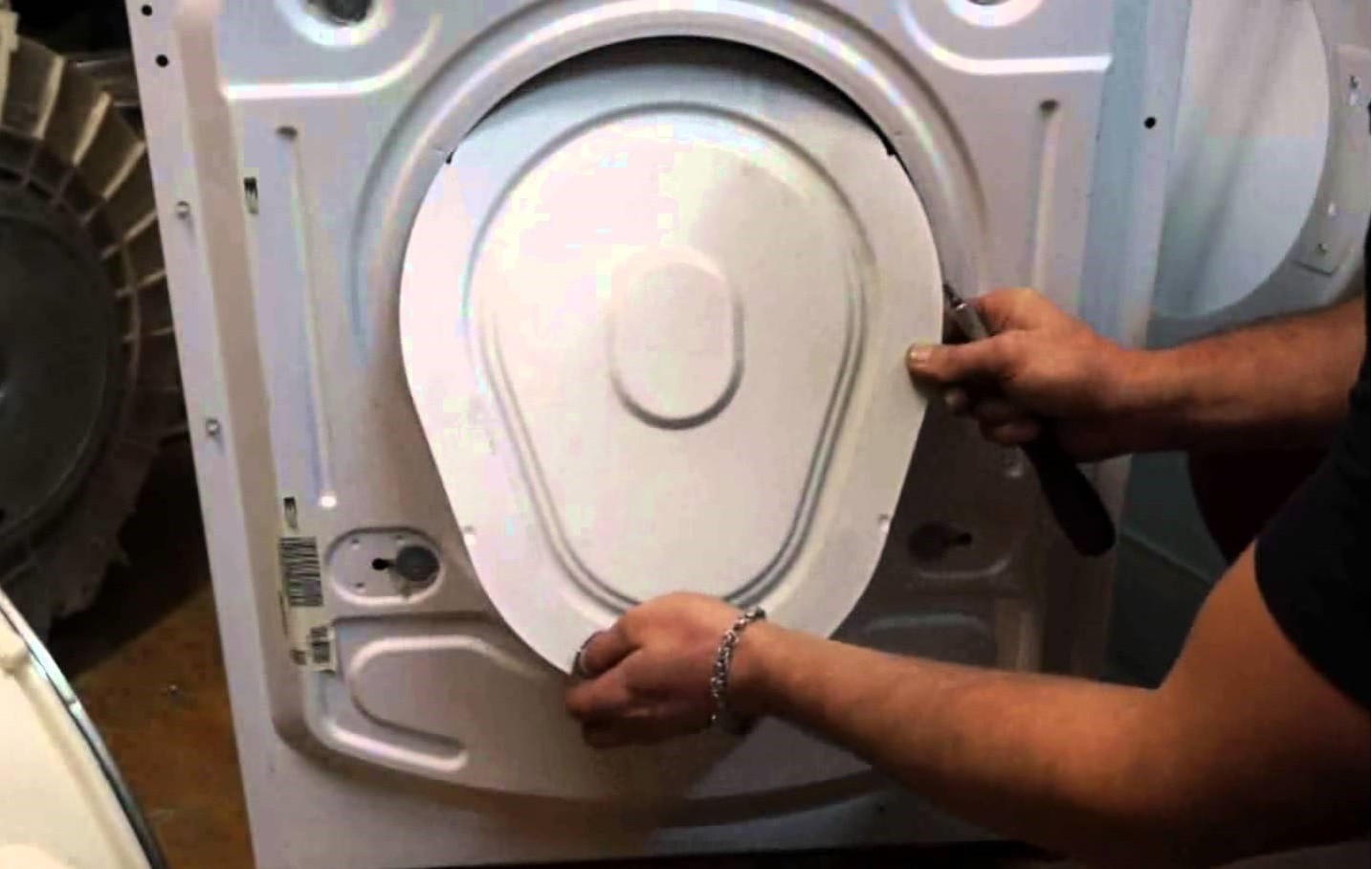
The heating element and temperature sensor are located at the rear of the Candy machine. To access them, you'll need to remove the back cover or the service hatch. These steps are very simple and require no further explanation. Before beginning, remember to unplug the machine.
After removing the back panel, you'll see the heating element located at the bottom of the machine. First, disconnect the wiring from the terminals and then prepare your multimeter. To check the heating element's functionality, you'll need to calculate its resistance. To calculate the theoretical resistance, you'll need the following information:
- U is the voltage supplied to the heating element. In household electrical networks, it is typically 220 volts.
- P is the water heater's power. This value can be found in the washing machine's data sheet or online using the model number.
Next, using a simple physical formula, we calculate the resistance: R = U²/P. If the calculated value is equal to or close to the number on the tester's display, the heating element is working properly. To perform the measurement, switch to resistance measurement mode. Set the tester's selector to 200 ohms and connect the multimeter probes to the heating element's terminals.
- If the heating element is working properly, the multimeter screen will display a number close to the calculated one.
- If you see a one on the screen, then there is a break inside the element, and the heating element must be replaced.
- A resistance value close to or equal to zero indicates a short circuit inside the heater and the need to replace it.
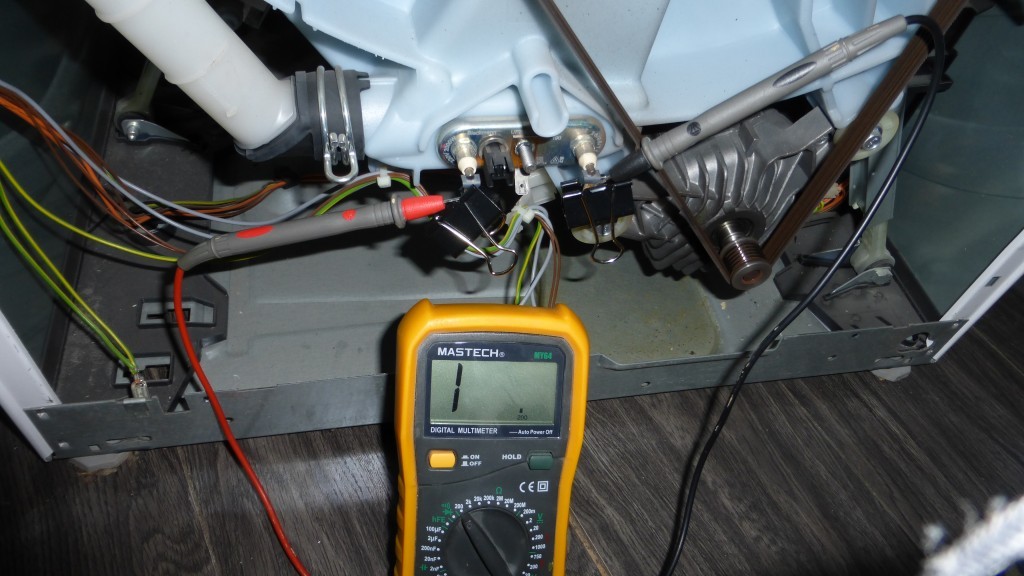
But even if the test showed that the heating coil is in perfect order, this does not mean that there is no malfunction here. The element should also be checked for a breakdown in the housing. To do this, set the tester to buzzer mode. If you connect the wires in this mode, the light will come on and a beep will be heard. The test procedure is as follows.
- We attach one tester probe to the heater terminal.
- We touch the body with the second probe.
- If the device does not beep, there is no malfunction.
If a squeak is heard, further use of the heating element is dangerous and should be replaced.
The temperature sensor needs to be checked.
To check the temperature sensor, you'll need to remove it from the car. Disconnect all power wires, loosen the fasteners, and remove the sensor from the car. After removing the sensor, measure the resistance with a multimeter. Let's look at how to do this.
- Prepare the multimeter for operation in resistance measurement mode.
- Connect the probes to the temperature sensor contacts. At 20 degrees Celsius, the resistance should not exceed 6000 ohms.
- Fill a small container with warm water and immerse the sensor. After placing a working sensor in the water, its resistance will be measured. At a water temperature of approximately 35 degrees Celsius, it should reach 1350 ohms.
Do not continue to use the sensor if it is faulty! This part must be replaced if it breaks; it cannot be repaired. Using a faulty sensor will lead to numerous further failures.
We check and repair the control module
Let's move on to the most important part: what to do if the control module breaks? Can you fix it yourself, or should you seek professional help? There's no definitive answer here; much depends on your experience with electronic devices and the nature and complexity of the problem.
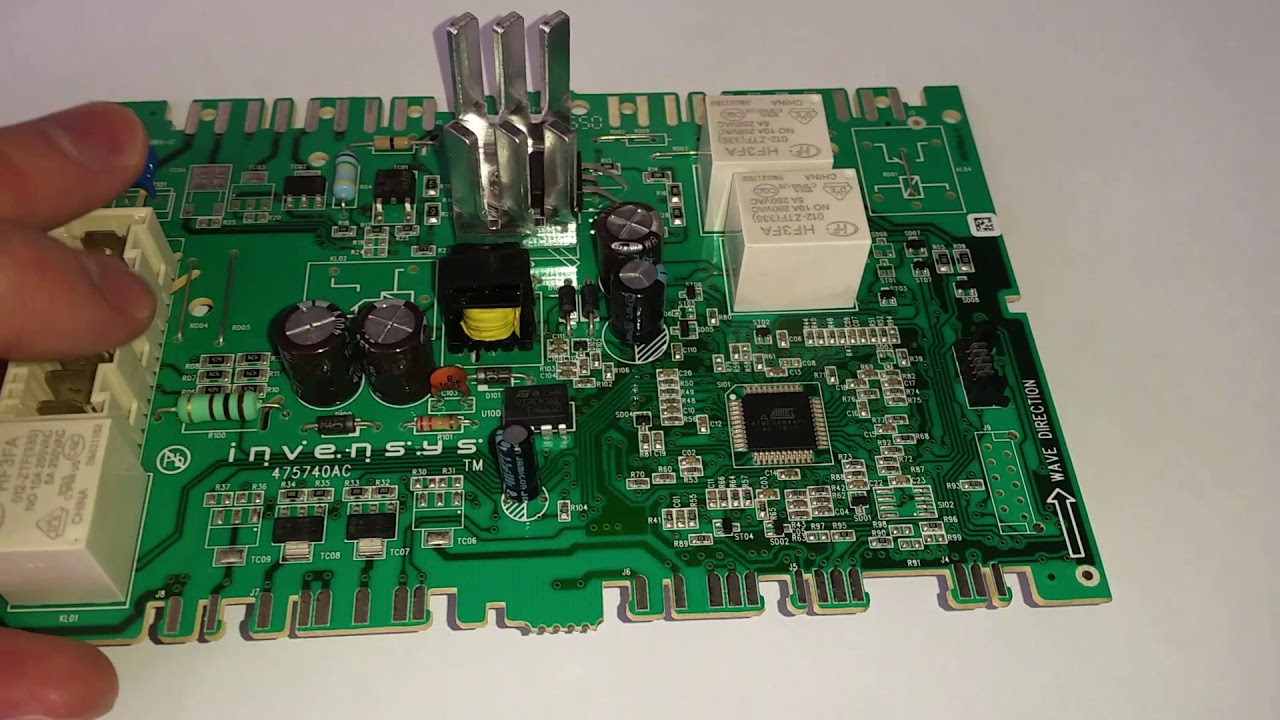
The most difficult thing for a non-professional is to find the fault itself. It's necessary to test each part of the module, identify the damaged track or burnt-out component, and repair or replace it. If you don't have the necessary skills, your chances of doing it right and not making the problem worse are practically zero.
Of course, you can replace the electronic components; this is easy to do in modern Candy machines. But without a thorough diagnosis, this measure will be of no avail. If the problem isn't fixed, the new boards will burn out again.
Another option is to remove it completelycontrol module and take it to a specialist. However, mechanics generally don't recommend this. If you decide to seek professional help, it's best to give them access to the entire faulty vehicle. By conducting an on-site inspection, the mechanic will be able to more accurately determine the cause and perform the repair.
Please note! Only a qualified technician should perform proper maintenance on Candy washing machines. Don't trust your appliance to amateurs. Before calling a technician, consult their recommendations.
To summarize, if the control module fails, it's easier and cheaper to contact a specialist. This module is a fairly complex component, and attempting to fix the problem yourself could lead to even greater problems and higher costs.
If the equipment malfunction is diagnosed incorrectly, you could accidentally damage not only the control unit, but also the heating element, the drain pump, or even the motor. In the worst case, all of these components could burn out, forcing you to buy a new machine. So, the question is: is it worth the risk, or is it better to entrust this work to a professional? After all, with a good technician's help, your Candy washing machine will serve you well for years to come.
Interesting:


Readers' comments
Headings
Washing machine repair




For buyers




For users


Dishwasher




Add a comment