
Error E15 in a Bosch washing machine
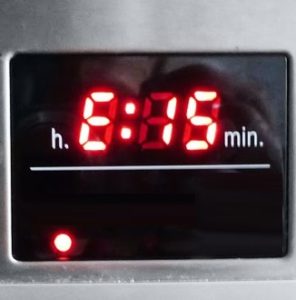 The E15 error code for a Bosch washing machine isn't explained in the manufacturer's instructions. This is because this combination isn't included in the washing machine's self-diagnostic database—only the Bosch dishwasher has a similar code. However, don't worry; the circuit board most likely displayed "F15" incorrectly. As practice shows, "E15" on a washing machine should be read as "F15." Now it's time to figure out what the fifteenth code means and how to fix the problem it conceals.
Let's decipher the code
If the self-diagnostic system displays the error code "F15," it means the Bosch washer isn't heating the water to the set temperature or, conversely, it's overheating and exceeding the set temperature. In either case, the malfunction indicates a malfunctioning temperature sensor. It is strongly recommended not to operate the machine if there are heating problems – immediate diagnostics of the equipment is recommended.
You can suspect a faulty temperature sensor based on two telltale signs:
- in the high-temperature mode, the water does not heat up to the required 60-90 degrees (20 minutes after starting the wash, the door remains cold);
- in any mode and at any temperature, the machine overheats the water, bringing it to a boil (the body of the machine is hot, steam comes out of the hatch door).
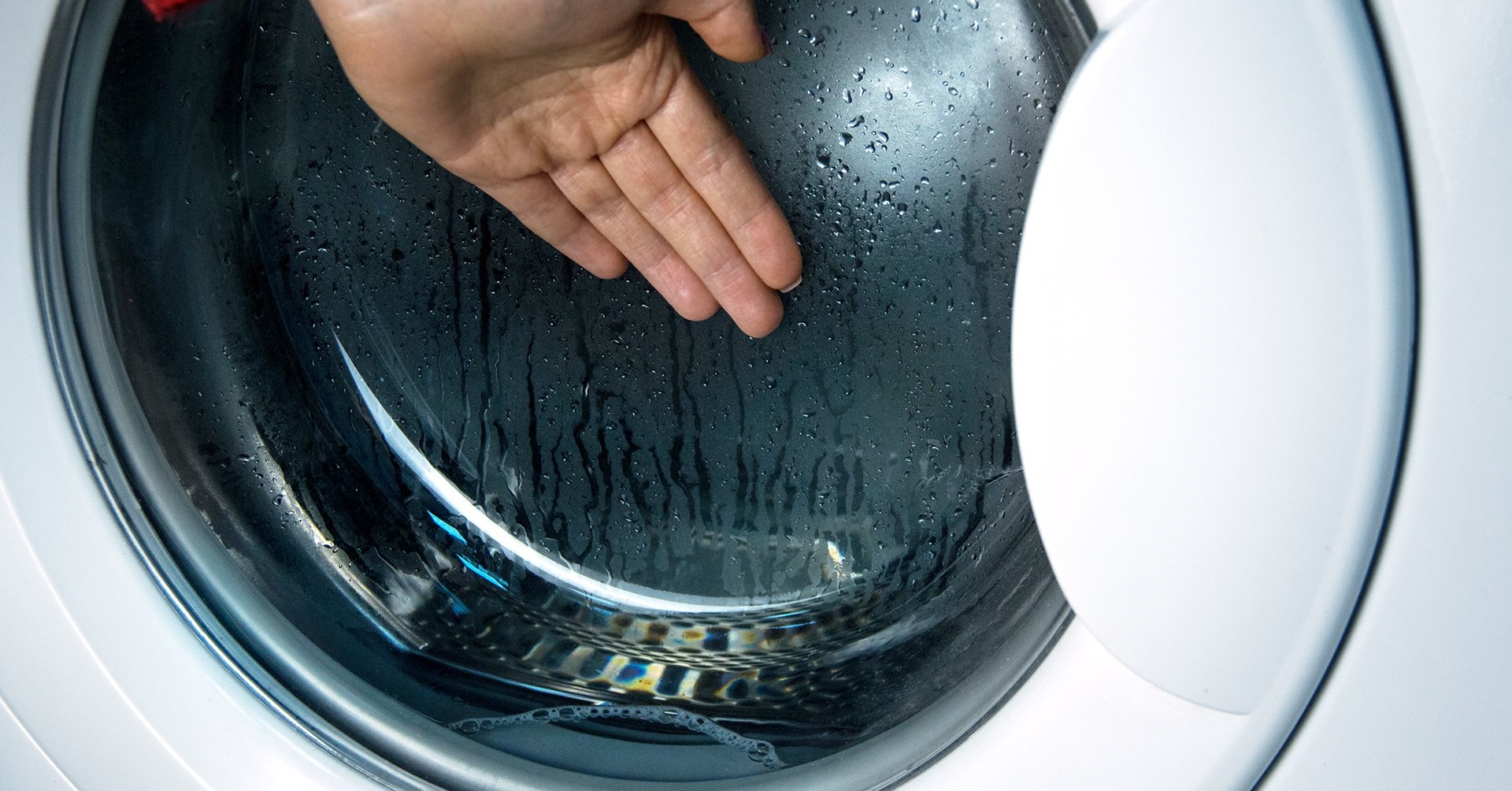
While the first case of a malfunctioning thermostat will affect the washing quality, overheating can have serious consequences, including heating element failure. Replacing a burned-out heating element is more expensive and difficult, so it's best to avoid making the situation worse, determine the cause, and repair the thermostat.
Error code "F15" indicates problems with the temperature sensor.
Repairing a temperature sensor means replacing it. You'll need to disassemble the washing machine, remove the old sensor, and install a new one. We'll explain how to do this below.
Let's check the element and replace it.
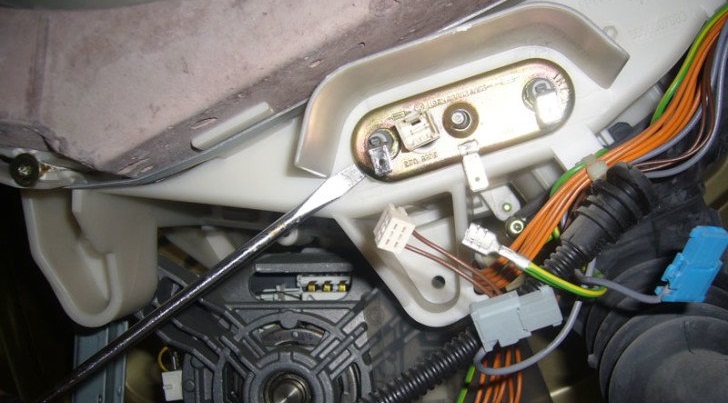
Before fixing the thermistor, you need to access it. The temperature sensor is located inside the heating element, so you'll need to partially disassemble the machine. Most Bosch washing machines have the heating element located at the front, so here's how to do it:
- disconnect the machine from the power supply;
- Using a screwdriver, remove the top cover;
- remove the detergent drawer by pulling it towards you;
- unscrew the screws located around the perimeter of the dashboard and remove it;
- we detach the decorative panel;
- loosen the outer clamp on the hatch cuff and insert the rubber into the drum (it is not recommended to completely remove the seal, as it is difficult to put it back in place);
- disconnect the wiring from the door lock;
- remove the front panel;
- we release the heating element from the connected wiring;
- We "pull out" the sensor from the heater.
After removing the temperature sensor, you need to test it with a multimeter. Here are the instructions:
- switch the tester to the “Resistance” mode;
- we bring the multimeter probes to the contacts of the thermistor;
- remember that when heated to 200 degrees, the resistance reaches 6000 Ohms;
- We lower the sensor into hot water and evaluate the reading (on a working device, the resistance drops – at a temperature of 500 degrees, the value will not exceed 1350 Ohms).
If the sensor is damaged, there will be no alternative to what to do. The thermostat cannot be repaired; a new device must be installed. The replacement part is selected only from original spare parts, taking into account the model serial number.
After the replacement, the machine is reassembled. First, connect the wires to the heating element, then replace the end cap, door lock, cuff, dashboard, dispenser, and lid. All that's left to do is run the cycle and check the sensor's functionality.
Interesting:


Readers' comments
Headings
Washing machine repair




For buyers




For users


Dishwasher




Add a comment