
Error E26 in a Bosch washing machine
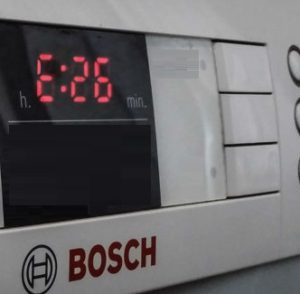 Modern washing machines are equipped with a self-diagnostic system that quickly detects malfunctions and notifies users. The E26 error code on Bosch washing machines is quite rare; many service center technicians admit they haven't encountered this code yet. Let's look at how to repair the machine and what steps to take to resolve the issue.
Let's decipher it first
The tricky E26 error isn't caused by an obvious malfunction. The code can be triggered by issues with the main electronic module, a faulty intake valve, a broken pressure switch, or a damaged water pump. More often, E26 on automatic machines Bosch reports problems with water level sensorTherefore, it is recommended to begin repairs with diagnostics of this element.
A safe bet is to get a working pressure switch, install it in place of the existing one, and observe the machine's operation. If the error code no longer appears, the cause of the malfunction has been identified. You can try adjusting the level sensor or simply discarding the old one and installing a new one.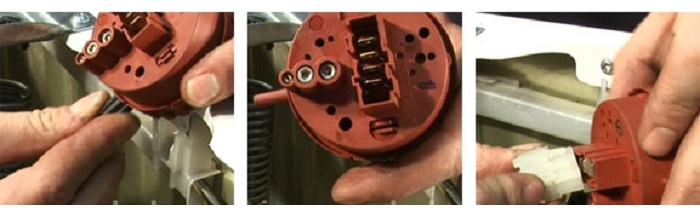
Checking the pressure switch
We've figured out the first step to fixing the E26 error: check the pressure switch. Where is the sensor located, and how do you access it? In fact, finding it in a Bosch washing machine is very easy.
The pressure switch is located under the top cover of the machine, closer to the right wall, and is a round element to which wires and a pressure hose are connected.
To test the water level sensor, you need to access the component. The procedure is as follows:
- de-energize the Bosch washing machine;
- turn off the water supply tap;
- Remove the bolts securing the top panel of the unit. Carefully slide the cover back from the front of the washing machine, remove it, and set it aside;
- Find the water level sensor. On most machines, it's located on the top right side of the housing.
Once you reach the pressure switch, disconnect it from the hose. To do this, loosen the clamp (using pliers). To diagnose the level sensor, you'll need to find and prepare a small tube with a diameter that matches the removed hose.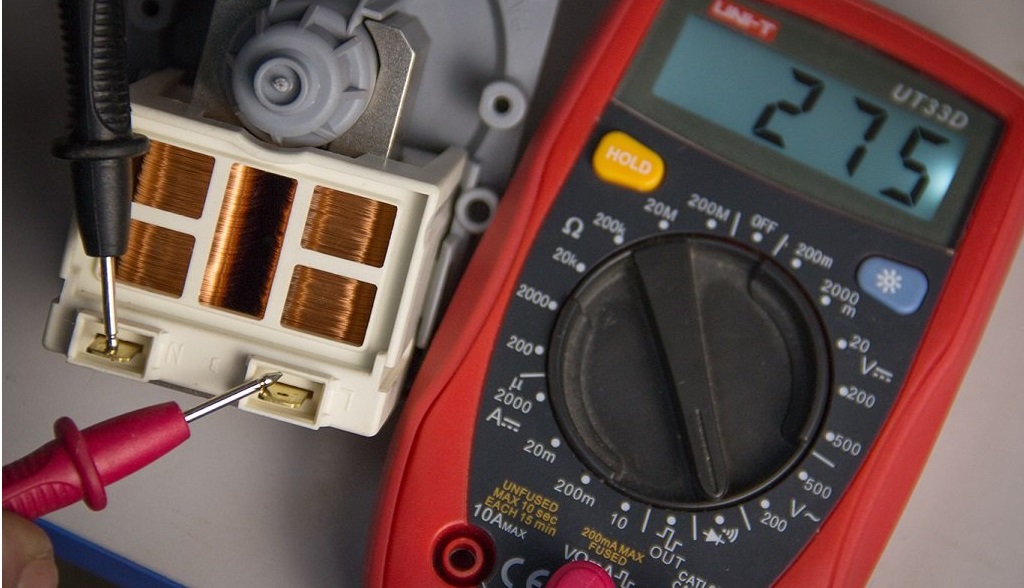
Attach the tube to the pressure switch connector and then gently blow into it. If the sensor is working properly, its contacts should respond to pressure, and you'll hear clicking sounds. The number of "beeps" depends on how many water levels your Bosch model has for different wash programs.
Be sure to inspect the tube to ensure there are no defects on the surface. If cracks or other damage are detected, the hose will need to be replaced. Also, check the pressure switch relay contacts. If they are dirty, the element will need to be cleaned. If the contacts are sticking, the best solution is to replace the sensor.
If no damage is detected during visual inspection, it's worth checking the pressure switch with a special device – a multimeter. Turn on the tester, set it to resistance measurement mode, and place the probes against the level relay contacts. If the pressure switch is functioning properly, the resistance value on the display should change. Otherwise, the sensor will need to be replaced.
Replacing a part
In most cases, to fix the problem, you will have to install a new pressure switch. Even a novice can replace a water level sensor; there's no need to call a professional for repairs. First, you need to purchase a working part. It must be compatible with your Bosch washing machine.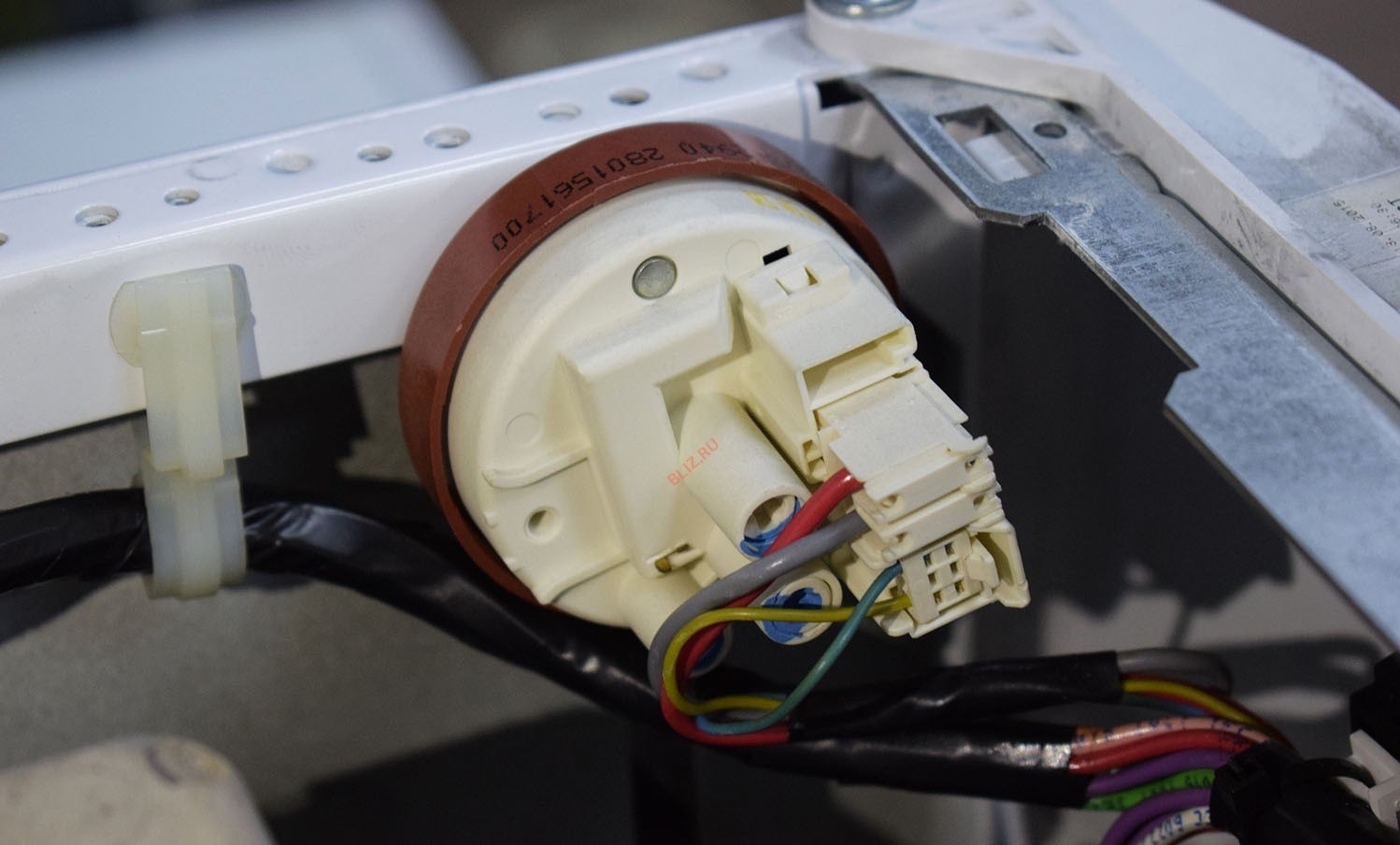
To avoid confusion, you can remove the sensor and take it to the store. Alternatively, tell the consultant the model and serial number of your washing machine. After purchasing the pressure switch, you can begin replacing it. Here's the procedure:
- get to the sensor by removing the top cover of the machine;
- disconnect the wires and hoses going to the element;
It is advisable to take a photo of the wiring and tube connection diagram to avoid mistakes during further assembly.
- unscrew the screws with which the pressure switch is secured to the body;
- remove the part from the machine;
- put the new level sensor in place and secure it with bolts;
- connect the contacts removed earlier, secure the pressure hose with a clamp.
Therefore, replacing the liquid level switch is quite simple. After all the contacts and hoses are connected to the sensor, all that's left is to replace the top cover of the Bosch washing machine. Then, you can run a test wash and see if the error code disappears. If resetting the E26 code fails, you'll need to call a technician for a more thorough diagnosis of the equipment and a check of the main control module.
Interesting:
Readers' comments
Headings
Washing machine repair




For buyers




For users


Dishwasher




Add a comment