
My Weissgauff washing machine displays error code E30.
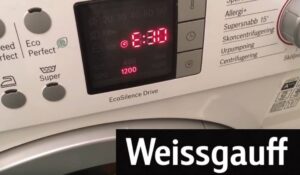 Not every error in a household appliance signals a need for expensive repairs. If a Weissgauff washing machine displays error code E30, it means the system has detected a problem with the door. This can often be resolved simply by gently pressing the door with your hand, which will clear the error and restart the cycle. However, this isn't always the solution. Let's look at all the main problems that can be hidden behind the E30 error.
The mechanism inside the hatch door is to blame
Most often, this error code occurs due to the hatch door mechanism located in the door body. In this situation, the user cannot fully press the door of the "home assistant", because either it closes, but does not make a characteristic click, or it opens on its own, as if nothing had happened. Closing the door may also feel unnatural to the user due to the sensation that something is preventing it from closing, as if there's a foreign object present. This often occurs for a number of objective reasons.
- Door misalignment. Any washing machine door can become misaligned over time due to heavy use. Don't worry about this; simply make sure the locking hook fits snugly into the designated slot. If you notice any misalignment, simply adjust the bolts to adjust the door's position.
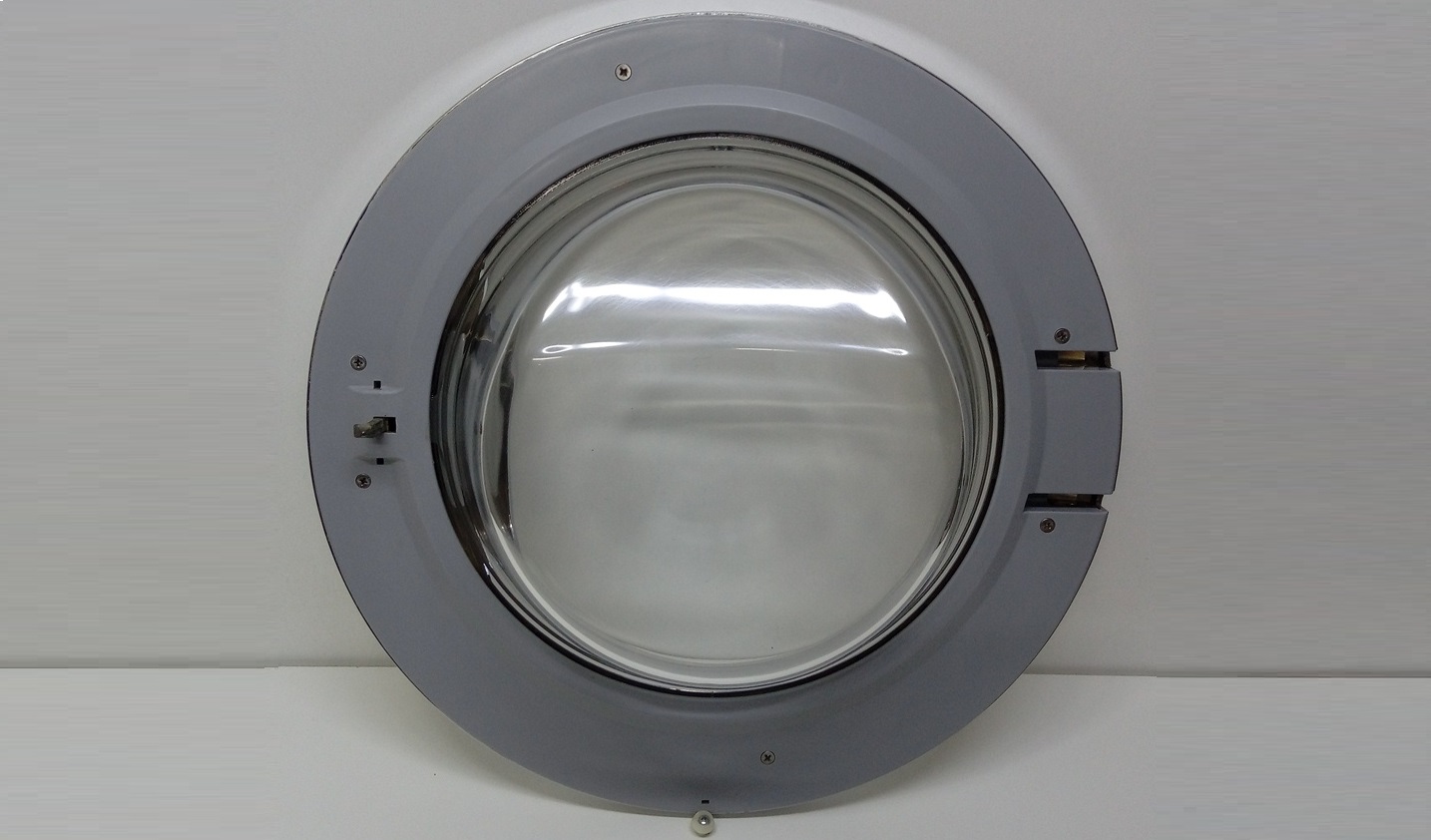
- The locking mechanism's tongue is broken. The tongue locks the door in the closed position, which is necessary for the washing cycle to begin. It is held in place by a special metal rod, which can sometimes fall out. In this case, you need to partially disassemble the door, locate the rod, and reinstall it.
If a hook or other element of the handle is damaged, simply buy a new handle and install it in place of the damaged element.
If the E30 error code appears because the door doesn't close properly or swings open after being released, the problem lies in the plastic guide. This component is found in some washing machines, where it can fail over time. While the door misalignment is sometimes so minor that it doesn't affect the washing machine's operation, damage to the plastic guide always renders the machine unusable. This occurs because the hook doesn't stay in its groove, causing the door to fail to close properly. This problem can be easily fixed at home.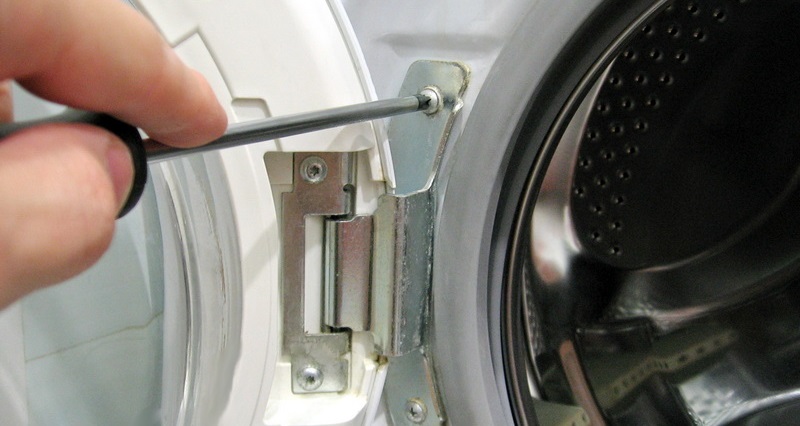
- Remove the fastener that connects the door to the hinge, for which you will need a star screwdriver.
- Remove the door and then remove all the screws located on the inside of the door.
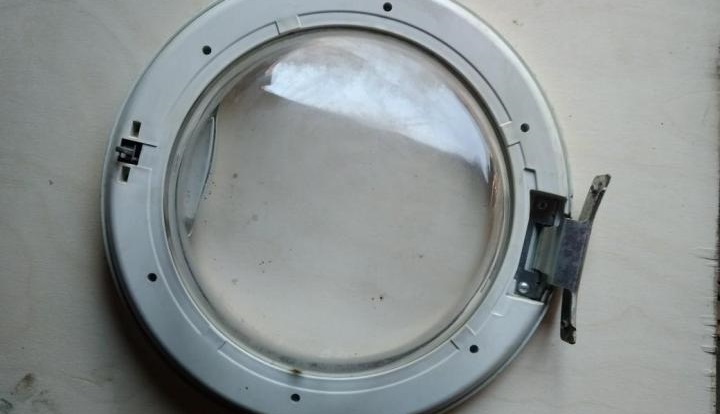
- Separate the two halves of the door to gain free access to the locking mechanism.
- Inspect the unit for damage.
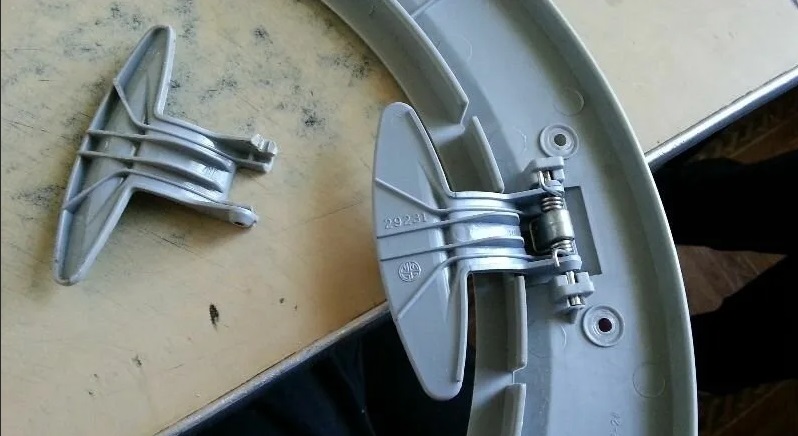
Because the locking mechanism is virtually impossible to find, you'll likely have to buy a new washing machine door if the lock is critically damaged. However, if there's a chance the lock might be repaired—for example, if a spring or pin has simply fallen out—it's best to repair the problem yourself, saving money. It's crucial to avoid accidentally damaging other appliance components during repairs, so be sure to take safety precautions.
The door mechanism worked, but the hook did not lock.
There is another problem that can cause the E30 error to occur – failure of the sunroof locking device. This can be detected in a situation where the machine door closes smoothly until it clicks, but the appliance still refuses to start the working cycle, citing an open door. This indicates that the device is locked with a standard lock, but there is no additional locking via the door locking system. This could occur either due to damage to the door locking device or due to a faulty control module.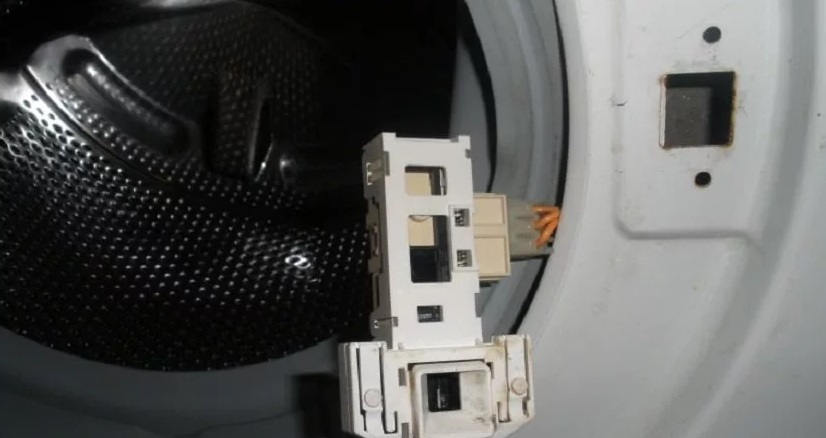
If the door lock is the culprit, washing will be impossible because the door won't lock, meaning the control module won't receive a signal to start the cycle. Consequently, the door lock fails to engage for some reason, either because there's no power to it or because it's simply clogged. In the latter case, fixing the problem is very simple—just check the lock and clean it.
Don't try to repair the control board yourself, as without experience and the necessary tools, you risk damaging it even further.
A faulty control module is much more difficult to deal with. This crucial component of the washing machine is responsible for activating virtually all processes during the wash cycle, so if it fails, the system will be unable to transmit a locking signal to the door lock. This can occur due to a sudden power surge, which can cause the control board to burn out, or due to a software glitch. Regardless of the situation, you'll need to call a service technician, who will either update the firmware or install a new board instead of the damaged one.
Self-check of the blocking device
If the E30 error code occurs, don't rush to call a technician; you first need to pinpoint the problem. When you suspect a UBL, get a regular multimeter to thoroughly test the element. To do this, you will need to remove the washing machine door and access the device using our instructions.
- First, you need to loosen the clamp holding the front panel seal in place. Pliers, a screwdriver, or another handy tool will help with this.
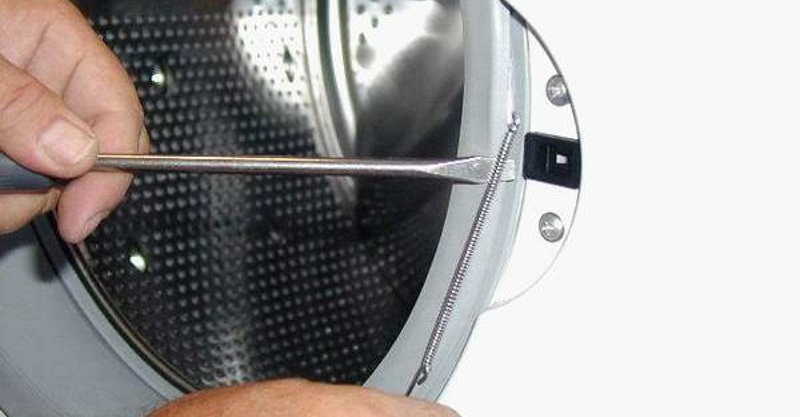
- Remove the cuff from the front wall to gain free access to the UBL, hidden in the machine body to the right of the door.
- Remove the screws holding the element in place. They are located where the lock hook meets the door lock.
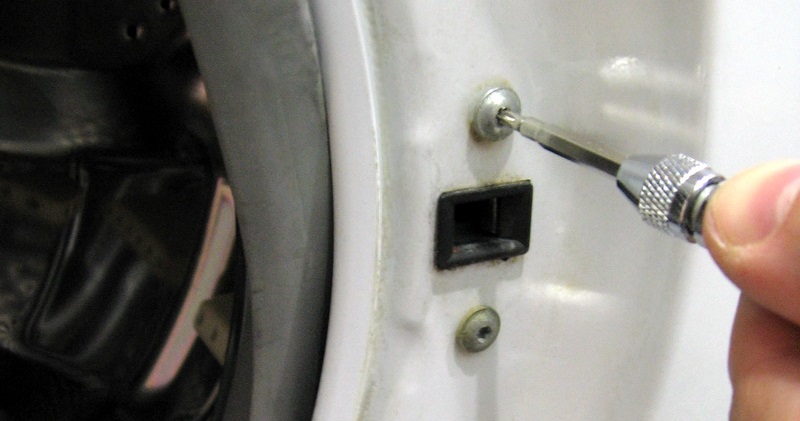
- Disconnect all wiring and remove the hatch locking device.
Be sure to take several photos of the electronic element connection so that during reassembly you can correctly connect all the wires to the door lock.
Now all that's left to do is understand the unit's diagram, as the device itself may vary depending on the model and brand of the appliance manufacturer. You can find information on the UBL contacts online or try to find this information in the manual. Once you've determined the exact locations of the phase, neutral, and common contacts, you can begin diagnostics with a multimeter.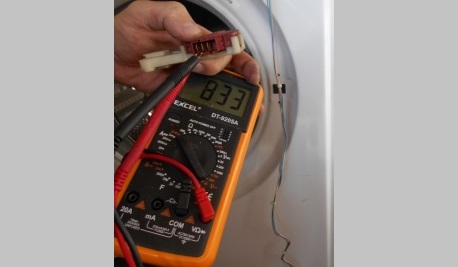
- Switch the tester to resistance measurement mode.
- Place the device's probes on the neutral and phase contacts of the electronic element.
- Study the data shown on the display by the device, which should be three-digit.
- Afterwards, all that remains is to check the common and neutral contacts.
- If the multimeter displays 0 or 1, the hatch locking device is faulty and needs to be replaced.
Error code E30 is a problem that can often be resolved at home without the help of a repair service. Carefully follow our instructions to avoid accidentally damaging your "home assistant" during repairs, or call a technician immediately if you're unsure of your abilities.
Interesting:
Readers' comments
Headings
Washing machine repair




For buyers




For users


Dishwasher




Add a comment