
Electrolux Washing Machine Error Code E70
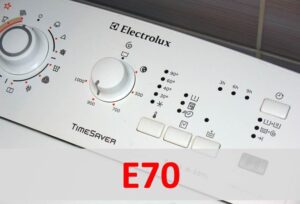 What does the E70 error code indicate in an Electrolux washing machine? In 90% of cases, this code indicates a faulty temperature sensor. In the remaining 10%, the cause of the machine freezing is a faulty heating element or damaged wiring in the heating element circuit. Let's figure out whether it's possible to repair your "home helper" yourself and where to begin troubleshooting the equipment.
Let's take out and test the temperature sensor.
If you notice this error code on the Electrolux washing machine display, immediately de-energize the equipment. Error E70 indicates incorrect operation of the temperature sensor, or less commonly, the heating element itself. To perform diagnostics, you will have to access the components by disassembling the washing machine body.
The algorithm of actions will be as follows:
- make sure the machine is de-energized;
- close the tap that regulates the water supply to the machine;
- Move the washing machine away from the wall to access the back of the unit;
- Unscrew the screws holding the back panel of the washing machine;
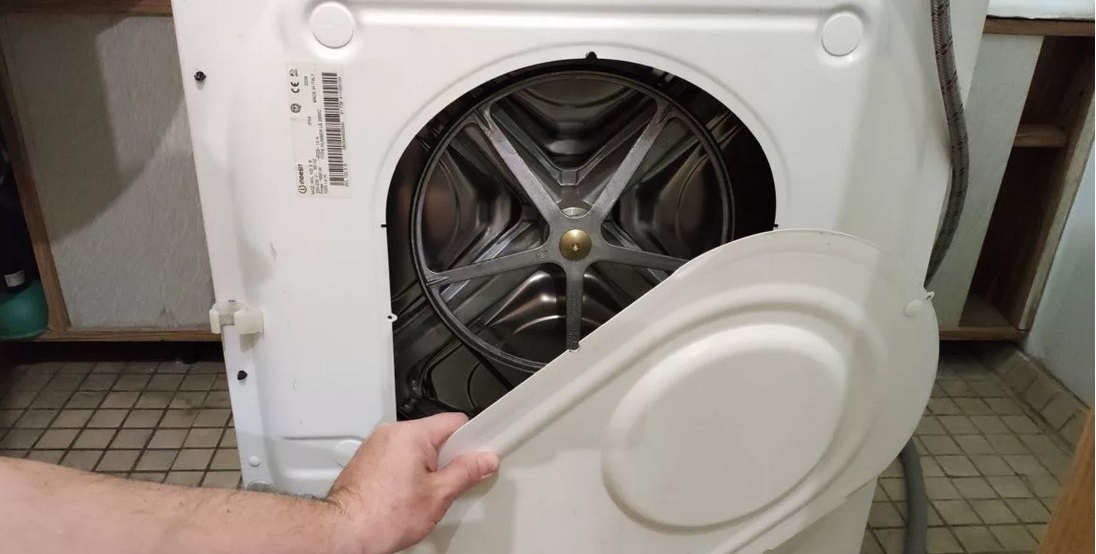
- remove the back panel of the case and put it aside;
- remove the wiring from the sensor going to the external temperature controller (first take a photo of the connection diagram);
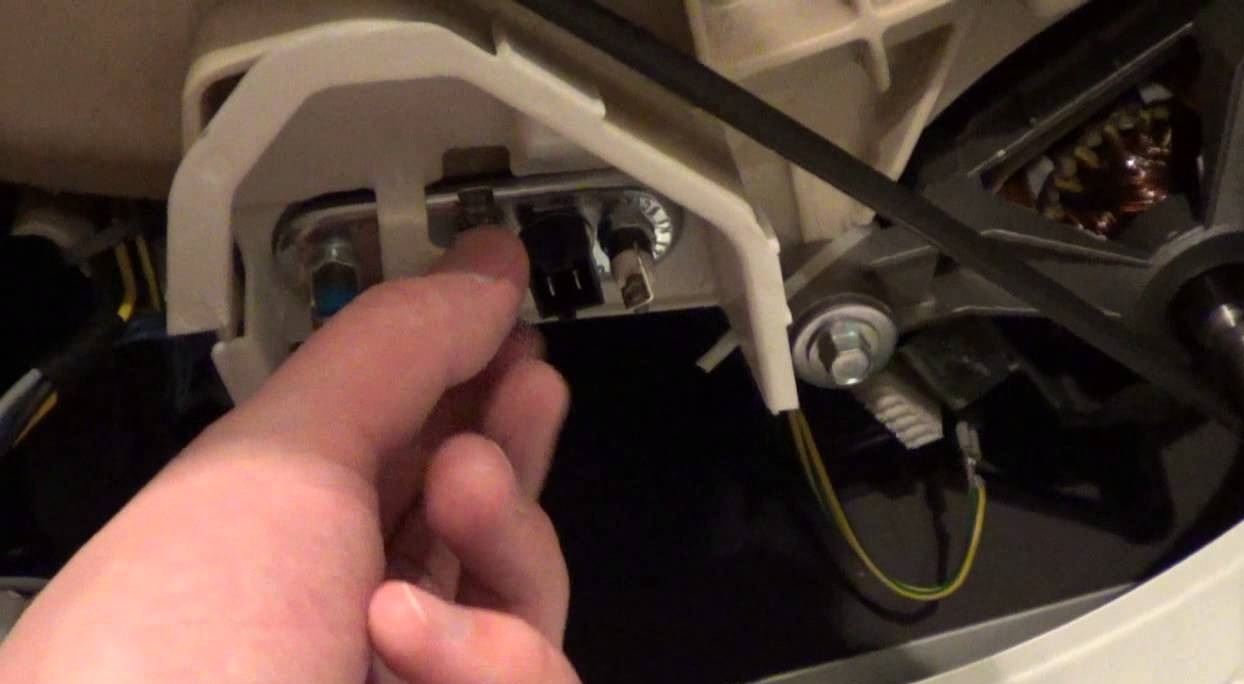
- loosen the screw securing the heating element;
- Remove the temperature sensor from the tubular heater.
To check the temperature sensor and heating element, you will need a multimeter.
The resistance output by the thermistor is then measured. What to do next:
- set the multimeter to ohmmeter mode;
- Place the tester probes against the temperature sensor contacts. At 20°C, the thermistor should provide a resistance of 6000 ohms;
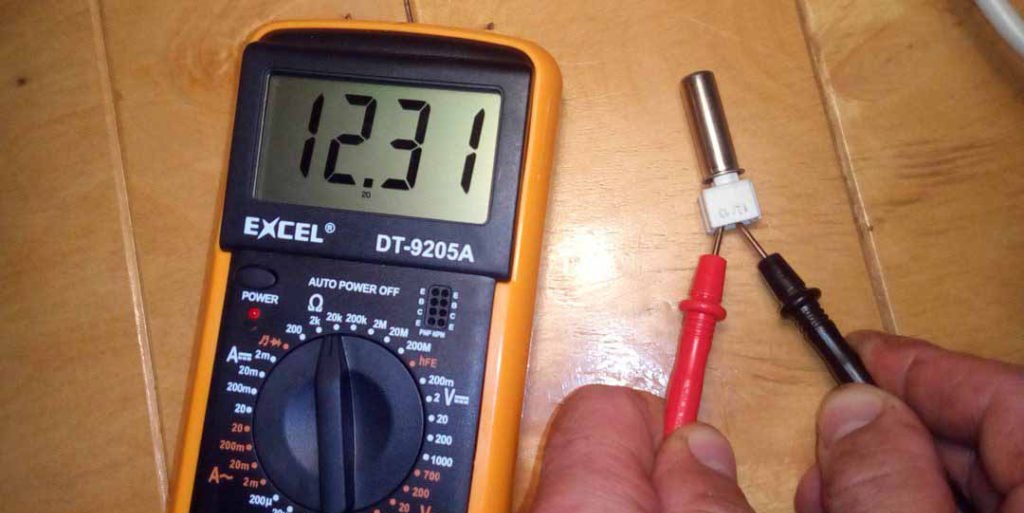
- Place the temperature sensor in warm water without removing the multimeter probes (make sure that the thermistor contacts do not get wet);
- Check the readings on the tester screen – they should drop. For example, at a water temperature of 50°C, the temperature sensor should read approximately 1350 ohms.
If the readings on the multimeter display don't match the standard or don't change when the thermistor is immersed in hot water, the temperature sensor is faulty. It cannot be repaired; the element will need to be replaced. A new thermostat is purchased for the specific Electrolux model.
Checking and replacing the heating element
What should you do if diagnostics reveal that the temperature sensor is working properly? Then you'll need to check the heating element. There are many possible causes of heating element failure, including hard tap water, low-quality detergents, frequent high-temperature wash cycles, and power surges.
On some front-facing models, the heating element is located at the bottom, in the front. In this case, you'll need to remove the cover and the front panel of the case. Most of the machines are automatic Electrolux heating element is located at the back, under the tank. Top-loading washing machines have a tubular heater on the side, so you will need to remove the right or left panel.
What to do to check the heating element:
- de-energize the washing machine;
- close the shut-off valve;
- partially disassemble the washing machine body to get to the heating element;
- Take a photo of how the wires are connected to the tubular heater (this will help you avoid making mistakes when reassembling the washing machine);
- disconnect the wiring from the heating element;
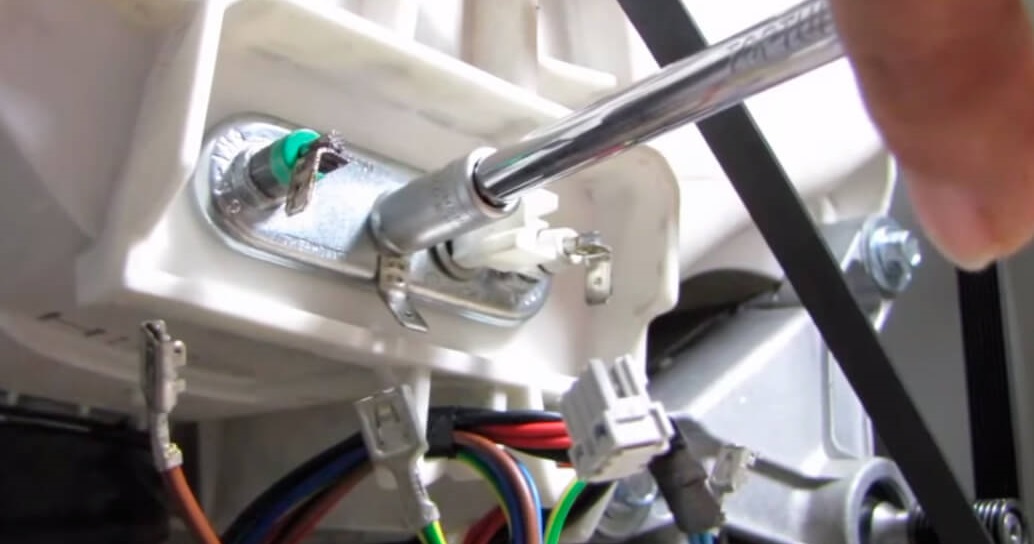
- unhook the temperature sensor plug from the heating element;
- using a 10 mm socket, unscrew the central nut securing the heating element;
- push the bolt in until it is hidden inside;
- take the heating element and, swinging it, pull it out of the “nest”.
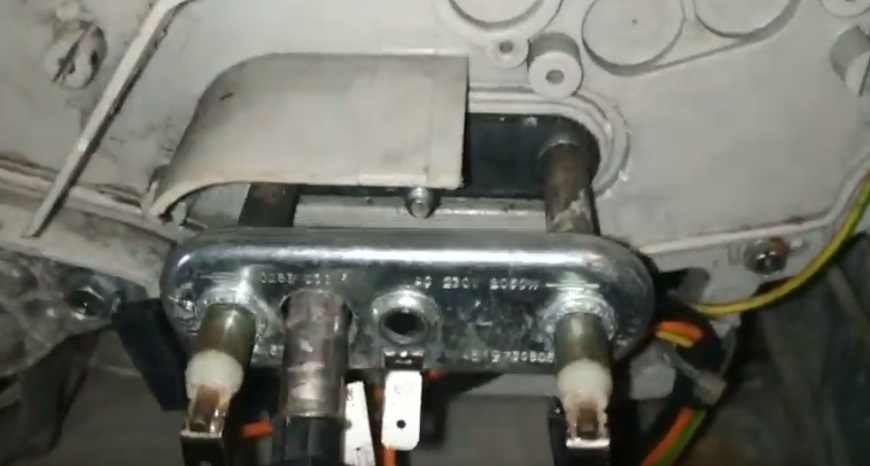
Removing the heating element may be difficult. The rubber seal expands and interferes with removal. Therefore, you can pour a small amount of dishwashing liquid into the gap between the seal and the heating element. The sliding action will make it easier to remove.
Diagnosing a tubular heater is also performed using a multimeter. The tester is set to resistance mode, after which its probes are applied to the heating element contacts. The readings will depend on the heating element's wattage. For example, at 1.8-1.9 kW, the resistance reading should be 25-30 ohms.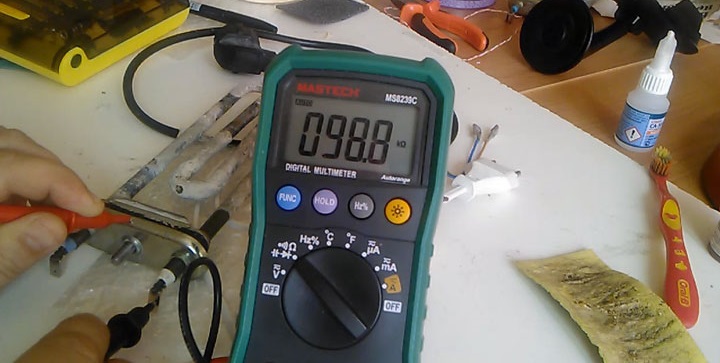
A zero, one, or a very high number displayed on the multimeter display indicates a faulty heating element. The heating element cannot be repaired and will need to be replaced. New components for the specific Electrolux model are purchased. You can also take the part to the store with you—this will make it easier for the seller to find a replacement.
When the readings on the multimeter screen are normal, be sure to check the heating element for continuity. To do this, set the tester to continuity mode. Place one probe against the heater terminal, and the other against the element body. If the measuring device starts beeping, the heating element is damaged and will need to be replaced.
Before installing a new heating element, clean the seat from scale, debris and dirt.
The new tubular heater is secured to the housing using the previously removed nut. It's important to tighten it carefully, otherwise the sealing gasket can easily be deformed. Then, all the wires and the temperature sensor connector are connected to the heating element contacts. Afterwards, the washing machine housing is reassembled and a test wash is run.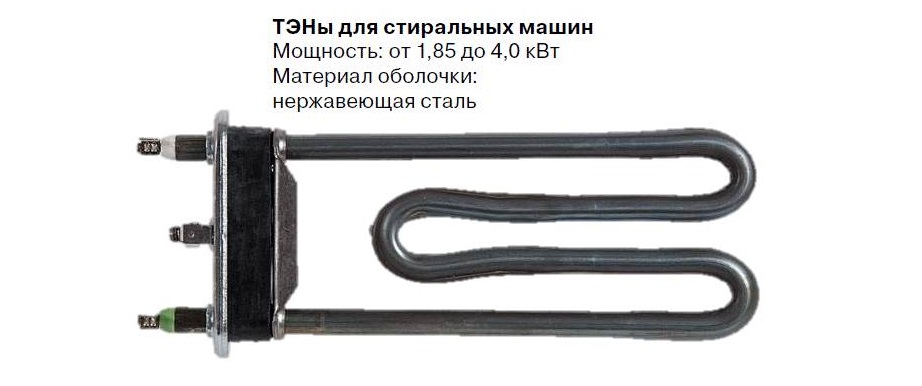
If you encounter the E70 error on your Electrolux washing machine, you can resolve the issue yourself without calling a technician. The key is to follow the instructions and safety precautions. A multimeter isn't expensive—you can buy one for $3–$4. You'll also need a tester for future diagnostics of your washing machine.
Interesting:

1 reader comment
Add a comment
Headings
Washing machine repair




For buyers




For users


Dishwasher




Super article! Thank you!