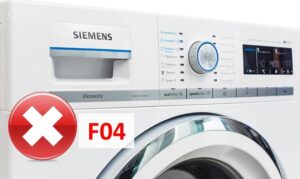
Washing machine problems vary. Some are hidden and difficult to detect, requiring a full diagnostic. Others become immediately apparent. Error code F04 is one of those "obvious" problems—in this case, a puddle forms under your Siemens washing machine. Clearly, error code F04 indicates a leak. Let's look at where the water might be leaking from and what to do to fix it.
Why does equipment leak?
A Siemens washing machine, like machines from other brands, is not immune to accidental leaks. The cause of an "accident" is often careless operation of equipment or violation of the rules for using the equipment. In most cases, leaks occur due to:
careless use of the machine;
use of low-quality detergents not intended for automatic washing machines;
damage or wear of the unit parts;
installation of components of inadequate quality;
defects made at the factory.
When it comes to damage to Siemens washing machine components, the following are most often subject to wear and tear:
drainage system pipes;
hatch door cuff;
pump;
inlet hose;
drain hose;
powder receptacle.
Sometimes the machine displays the F04 error code due to problems with the drum. The seal may be leaking, or the plastic container may have a hole. Incidentally, the drum can easily be punctured by something as simple as a bra underwire lodged in one of the many holes in the drum wall. Damage to these components can compromise the system's seal, causing a leak. Let's look at how to check each of these parts yourself.
What do we do in the first minutes?
If you notice a puddle under your Siemens washing machine, it's important to proceed with caution. Water, combined with a running appliance, is extremely dangerous. Follow basic safety precautions.
First of all, turn off the power to the machine, but approach the washing machine very carefully to avoid stepping into the water.
If it's impossible to reach the outlet without touching the water, you must shut off the power to the room or entire home at the circuit breaker. Otherwise, stepping in a puddle near a running appliance can cause a severe electric shock. The next step is as follows:
turn off the water supply tap;
collect water around the washing machine;
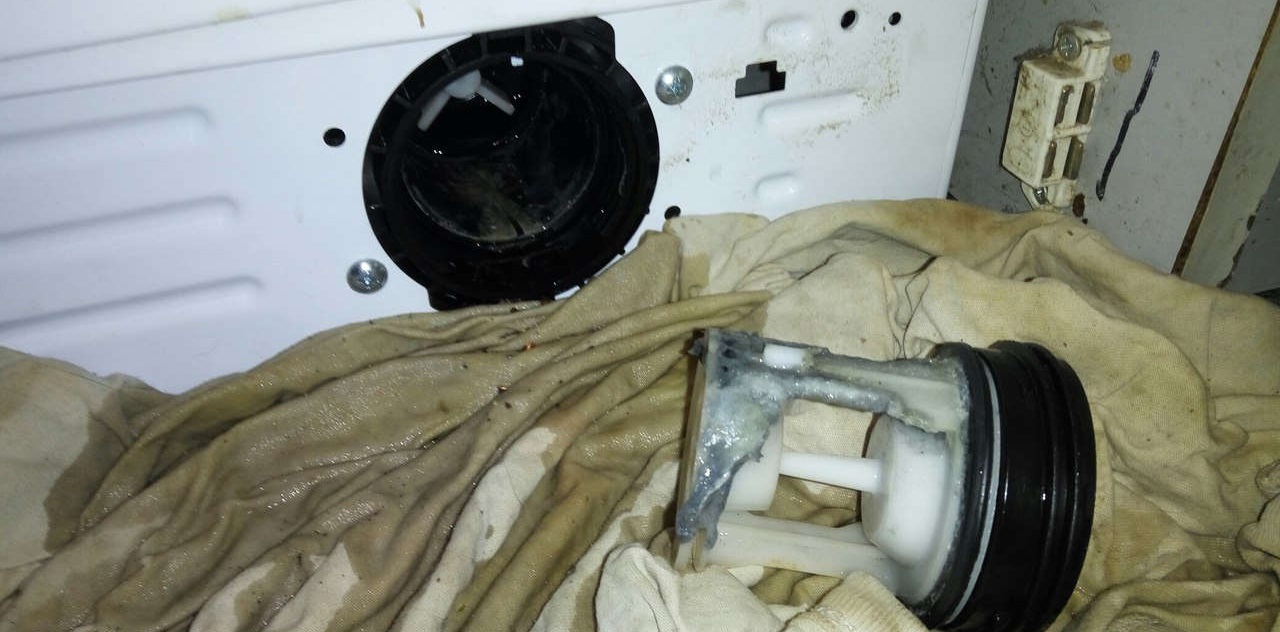
Place a container under the machine's waste filter and drain the remaining water from the system by unscrewing the plug;
move the machine away from the wall or remove it from the furniture (if the machine is built-in);
proceed with diagnostics.
To inspect a Siemens washing machine, you will have to partially disassemble the body. It is important to remember at what stage of the cycle the water began to leak. This will help you quickly identify the cause of the problem and fix it. Also, check the water. If it's clear, the leak occurred during the filling or rinsing phase. Dirty, soapy water will indicate that the problem occurred mid-cycle.
Is the inlet hose intact?
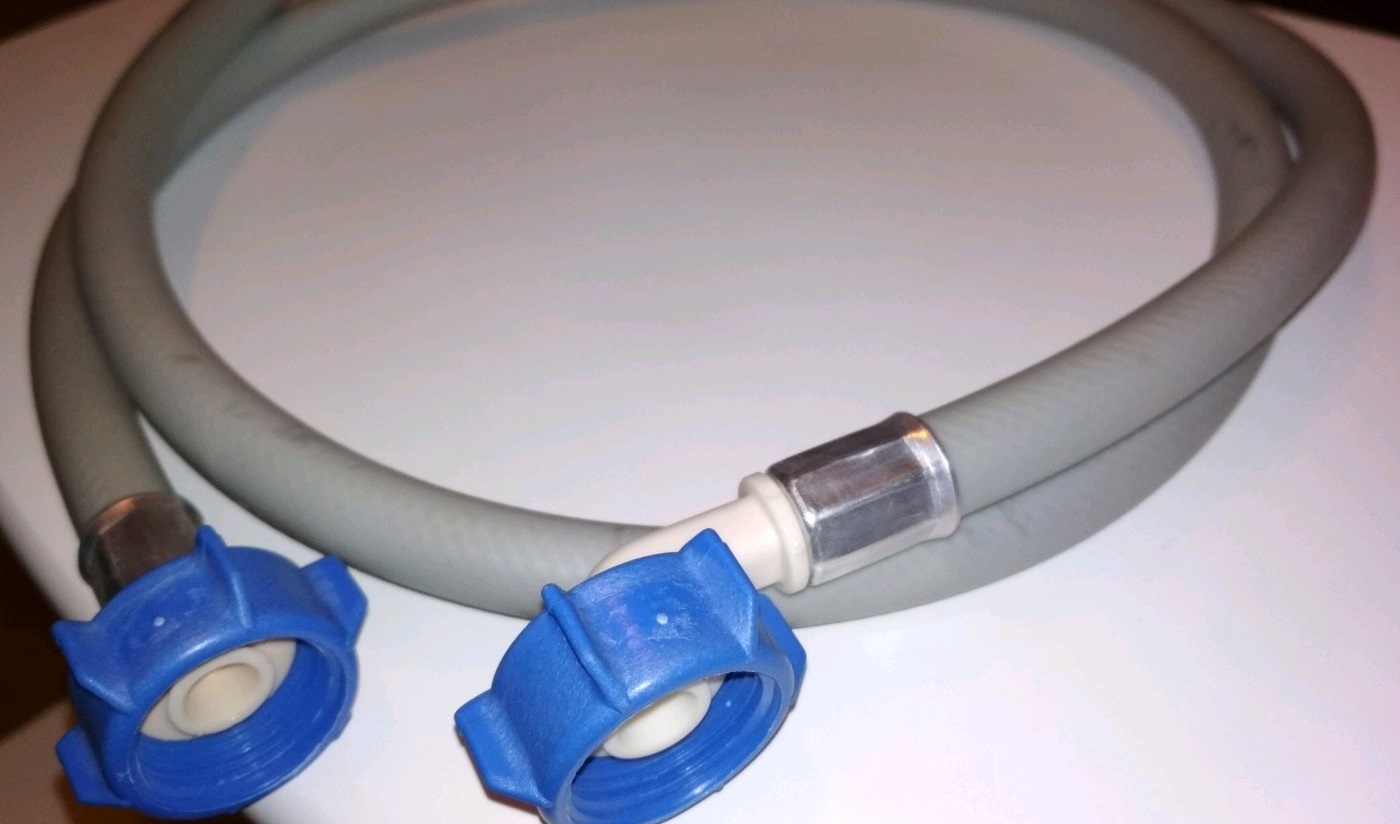
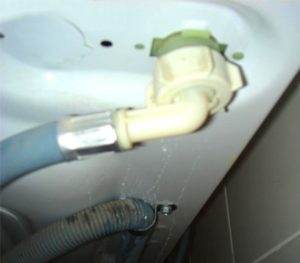
To reset error F04, you'll need to figure out why your washing machine is leaking and fix it. Operating a machine displaying this code is strictly prohibited. First, we recommend inspecting the inlet hose. It's often the cause of a "mini-flood." The hose may be loose at the joints, pinched, or compressed. Sometimes the rubber wears out, causing small cracks to form on the surface.
You can check the integrity of the inlet hose by simply inspecting it. If there's no visible damage, disconnect the hose from the body and the water supply, wipe it dry, and place it against the bathroom faucet. Run the water—if there are no drops or splashes, the problem is definitely not with this part.
If a leak is detected, the inlet hose will need to be replaced. Simply covering the leak with tape or sealant won't work—the hose is under pressure while the machine is running, and such a spot repair will lead to a similar "failure" in the near future. You can check the tightness of the joints by running the machine. If water is pouring into the system, but the place where the inlet hose connects to the machine is dry, then the problem lies elsewhere. When a leak is detected, the sealing gasket must be replaced and tightened well.
Pipes between the valve and the dispenser
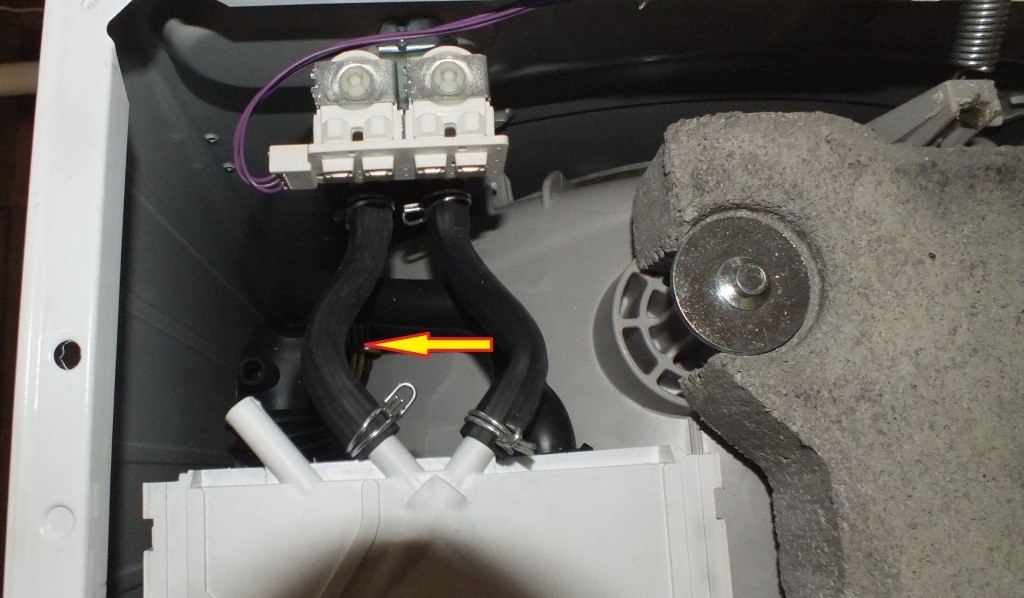
If the water under the washing machine is clear, the detergent drawer hoses may be damaged. To test this hypothesis, open the detergent drawer and assess how well the granules have been flushed from the drawer.
Unwashed powder from the tray indicates that the dispenser pipe is damaged and leaking.
To correct the situation, you should:
de-energize the automatic machine;
move the equipment away from the wall or furniture;
unscrew a couple of bolts securing the top panel;
remove the "lid" to the side;
find the hoses connected to the dispenser;
replace pipes when they have visible defects;
tighten the clamps;
Assemble the body of the Siemens washing machine.
If the problem is with the dispenser hoses, the problem will manifest itself at the very beginning of the cycle, when water is drawn into the system. Typically, the leak in this case is small, so if a puddle forms quickly on the floor, the cause will need to be investigated further.
Drain pipe, pump, hose
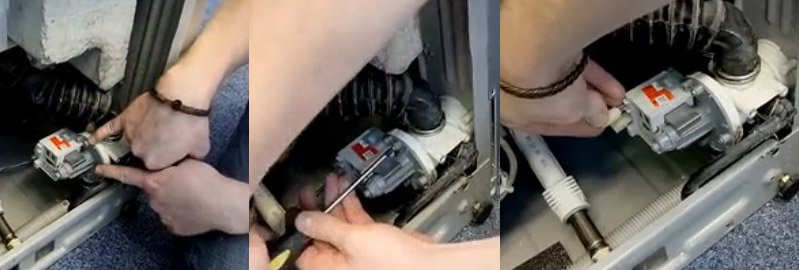
The hose connecting the tank to the pump rarely leaks, but it's still possible. The drain pipe always contains water, so if the puddle continues to fill even after the machine is turned off, it could be the culprit.
You can replace the drain pipe yourself, without turning to specialists for help.
To do this, drain any remaining water from the system through the waste filter and lay the washing machine on its right side. A new hose can be purchased at a specialty store or ordered from Siemens components suppliers. Next, loosen the clamps, remove the damaged hose, and replace it with a new one. If the pump is the issue, repair it with the washing machine lying on its side. Disconnect the pump from the housing and hose and clean out any debris. If the part is damaged, replace it with a new one.
If the pump is intact, it's worth inspecting the volute. Its surface should be dry and free of any cracks. If water is leaking through the walls, the plastic may have cracked due to a manufacturing defect. The repair will involve replacing the damaged part. It's also a good idea to check the drain hose of your Siemens washing machine. It's possible that something pinched the drain hose and it burst under pressure. Repairing the drain hose is not an option—attempts to seal the holes will be unsuccessful. Only replacing the corrugated hose will help.
The tank is leaking
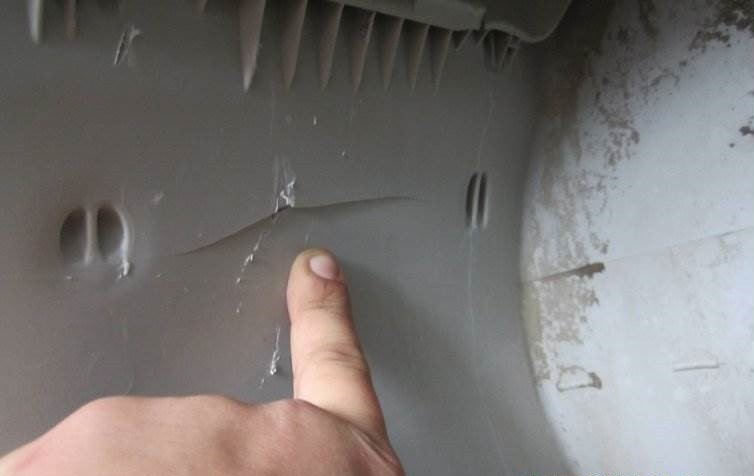
If the puddle is very large and soapy, there's a chance the tank is leaking. This is quite an unpleasant situation, as repairs will be quite expensive. The plastic tank may be damaged by a foreign object getting inside the machine. To confirm this, you'll need to use a flashlight and inspect the tank walls. Drops of water found on the surface will indicate damage to the plastic tank.
You can seal the crack in the tank with waterproof glue, but this will only provide temporary relief. Only installing a new tank will solve the problem. Removing the tank from the housing will require almost complete disassembly of the washing machine. It's best to hire a professional for this job.
Powder box and hatch cuff
The detergent drawer or door seal can also be the cause of a leak. Typically, the problem stems not from wear and tear on these components, but from the carelessness of the washing machine's users. The seal can easily be damaged by a foreign sharp object forgotten in a pocket, and the tray becomes clogged if you don’t take the time to clean it.
A thick film of residue on the dispenser walls can cause leaks. In this case, you need to scrape off the film from the walls of the drawer. A citric acid solution works well for this; soak the container in it for several hours. Then rinse the drawer with clean, warm water.
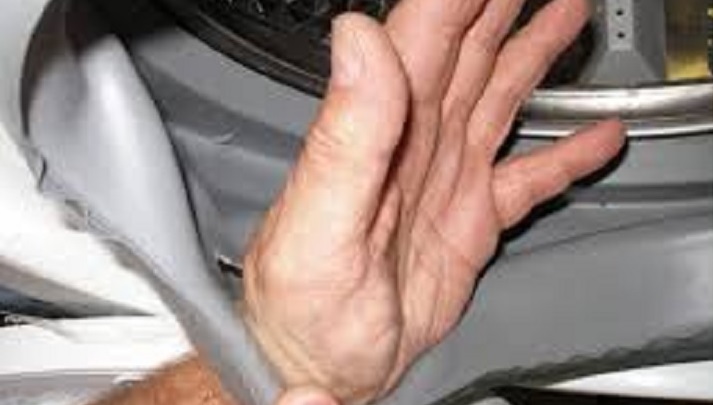
A sharp object in the drum isn't the only thing that can damage the door seal. It's often damaged by rough loading and unloading of laundry. Therefore, it's important to load items carefully, avoiding contact with the rubber seal. If the seal is damaged, the system becomes leaky, and the washing machine displays error code F04. Water begins to leak from under the door and down the front wall onto the floor.
You cannot operate the machine with such a breakdown; the sealing rubber must be replaced as soon as possible.
The gasket is secured inside the Siemens washing machine with a pair of clamps—one inner and one outer. Loosen the ring latches, remove the gasket, pull the new rubber seal into place, and secure it to the machine. If you cleaned the drain filter the day before and a puddle has accumulated under the machine today, it's possible the waste container isn't inserted correctly. After taking all necessary safety precautions, check that the plug is tightly screwed in.

 Washing machine problems vary. Some are hidden and difficult to detect, requiring a full diagnostic. Others become immediately apparent. Error code F04 is one of those "obvious" problems—in this case, a puddle forms under your Siemens washing machine. Clearly, error code F04 indicates a leak. Let's look at where the water might be leaking from and what to do to fix it.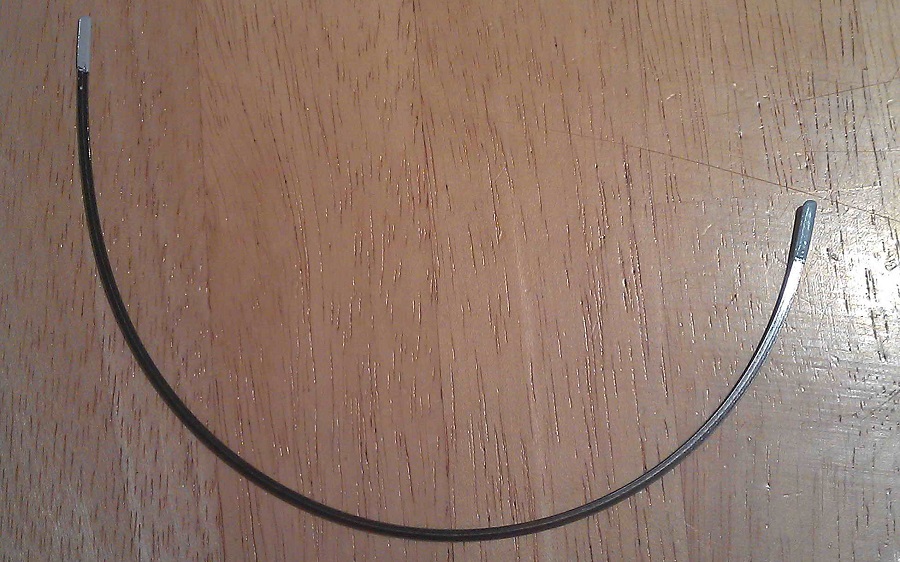


















Add a comment