
Error F05 in a Beko washing machine
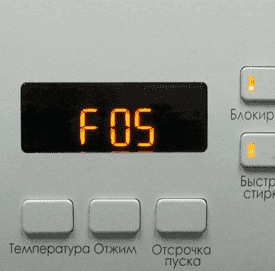 The built-in self-diagnostic system alerts the user to a malfunction immediately after detecting it. What should you do if you see error code F05 on your Beko machine's display? What malfunctions trigger this code? What steps should you take to restore the machine to working order? Let's find out.
What does the code indicate?
All codes stored in the washing machine's memory indicate specific problems. By deciphering the codes, you can significantly narrow down the range of possible malfunctions. Error F05 informs about problems with the drainage system and pump. You can try to repair the washing machine yourself by inspecting and cleaning the pump.
It's worth noting right away that if the drain pump is fully functional when this code is displayed, you'll need to check the main control module, or more specifically, the triac responsible for communication with the pump. Without the necessary skills and knowledge, tinkering with the electronics of a Beko washer isn't recommended; it could only make the situation worse. Call a technician to repair the unit.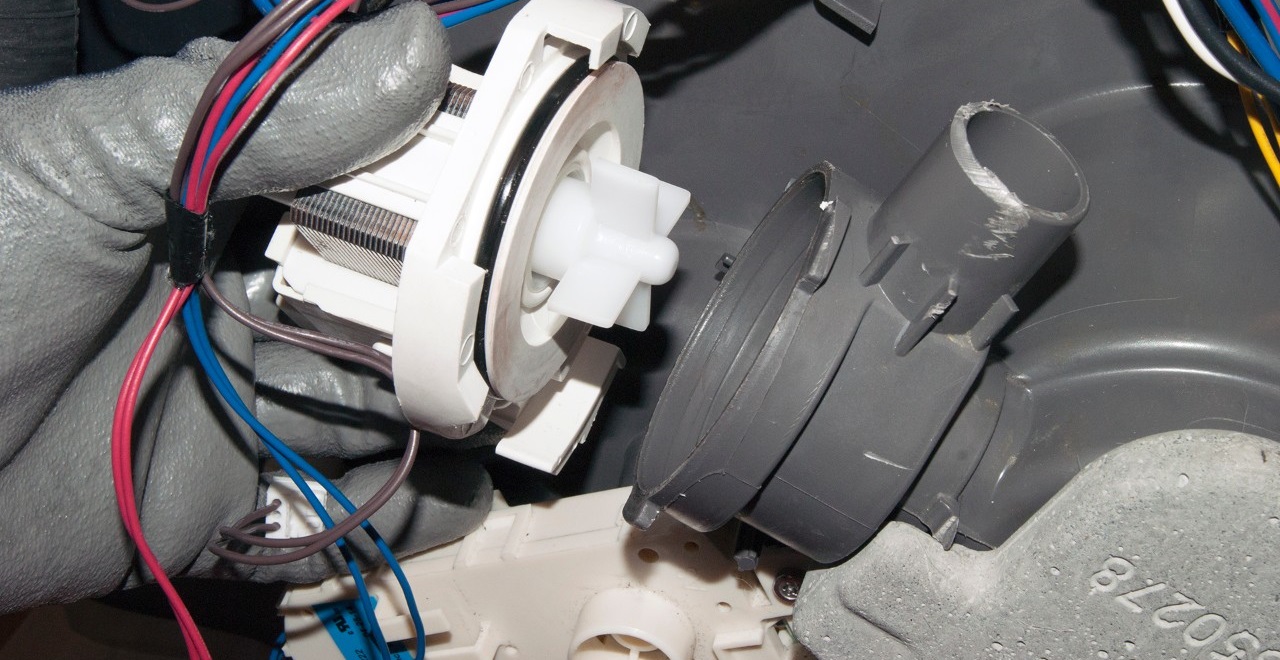
Start by cleaning the filter
What's the first thing to do if you see the F05 code on the display? Observe the washing machine's behavior to determine whether it's pumping any water out of the drum. Determine at what stage of the wash cycle the machine "freezes," whether it's after the first drain or before.
First, you need to clean the Beko machine's dust filter. It's located on the front of the machine, in the lower right corner. The filter element is hidden behind a special panel or hatch. The procedure is as follows:
- disconnect the machine from the network;
- If there are mats near the machine, it is better to move them aside;
- Cover the floor around the washing machine with dry rags or cellophane. This will protect the surface from moisture;
- Prepare a shallow container to collect any water that spills when you remove the filter. Don't let the liquid drain directly onto the floor; it's best to pour it directly into a basin.
- tilt the unit slightly backwards so that its front legs are raised, place the prepared container under the body where the filter is located;
- Unscrew the plug. First, turn it halfway from right to left, then pull it toward you. At this point, water from the tank and pipes will begin to flow out of the hole. The plug will prevent the liquid from draining evenly into the container, so place dry rags around the machine.
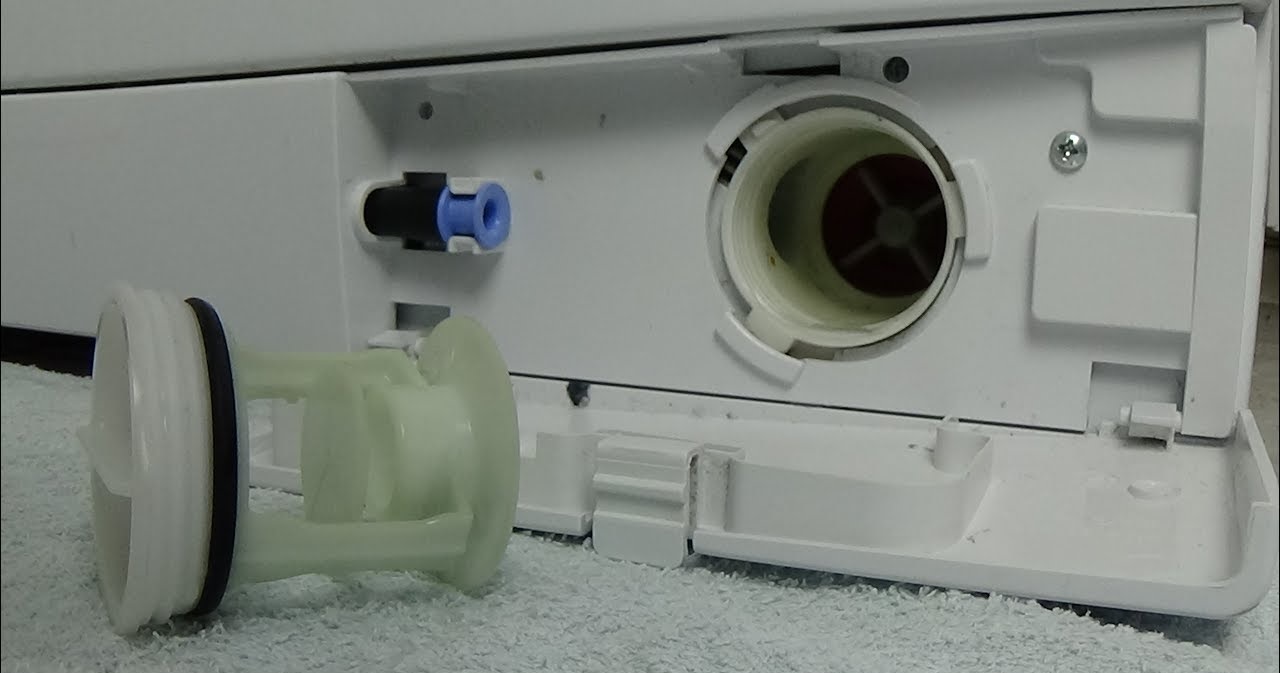
Next, you need to clean the drain filter of debris. First, scrape off all dirt, then rinse the element under running warm water. If there's a layer of limescale on the surface, you can soak the part in a citric acid solution. Dissolve about 50 grams of citric acid in 2-3 liters of water, place the drain filter in it, and leave it for 5-8 hours. During this time, the limescale will soften and can be easily removed with a sponge.
Be sure to clean the hole formed after removing the drain filter from debris and dirt.
It's best to use a flashlight. Shine it into the hole and clean off any dirt that has accumulated inside due to long-term use. Look deeper—hair or thread may have gotten caught in the impeller. Remove any debris from the blades. If the filter was clean or cleaning it didn't clear the F05 error code, you'll have to dig deeper.
Removing the drain pump
If the F05 code was not triggered by a clogged debris filter, you should check the drain pump. The pump is located inside the housing, and accessing it may require some effort. This may require:
- plus and slotted screwdrivers;
- spanner;
- container for collecting water.
Before removing the element, it's important to disconnect the power to the washing machine and turn off the water supply valve. The pump in Beko washing machines can be accessed through the bottom. For convenience, lay the machine on its left side, after covering the floor with a rug or blanket (to prevent scratching the casing).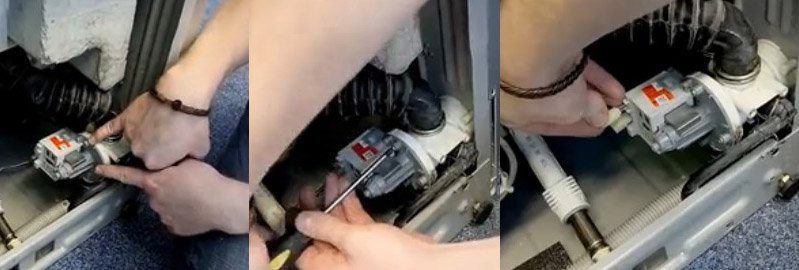
First, remove the debris filter; we've already covered how to do this. Next, flip the machine over to gain easy access to the bottom. Most models don't have a drain pan, so the drain pump is immediately visible. Next, unscrew the bolts securing the pump inside the machine. Then, disconnect the wiring and hoses. After that, you can easily remove the drain pump from the machine.
Cleaning and visual inspection of the pump
The pump impeller is the most likely to become clogged, so repairs will involve cleaning its cavities. To access this component, you'll need a screwdriver. Remove the screws that connect the two halves of the pump. Once the halves are separated, you'll be able to see the impeller. Check its rotation—it should rotate intermittently but freely when operating.
It is important to clean all debris from the impeller, remove hairs, threads, and lint that have wound around the blades.
Be careful not to damage the fragile part. It's also a good idea to wipe the spool. Afterward, you can reassemble the drain pump.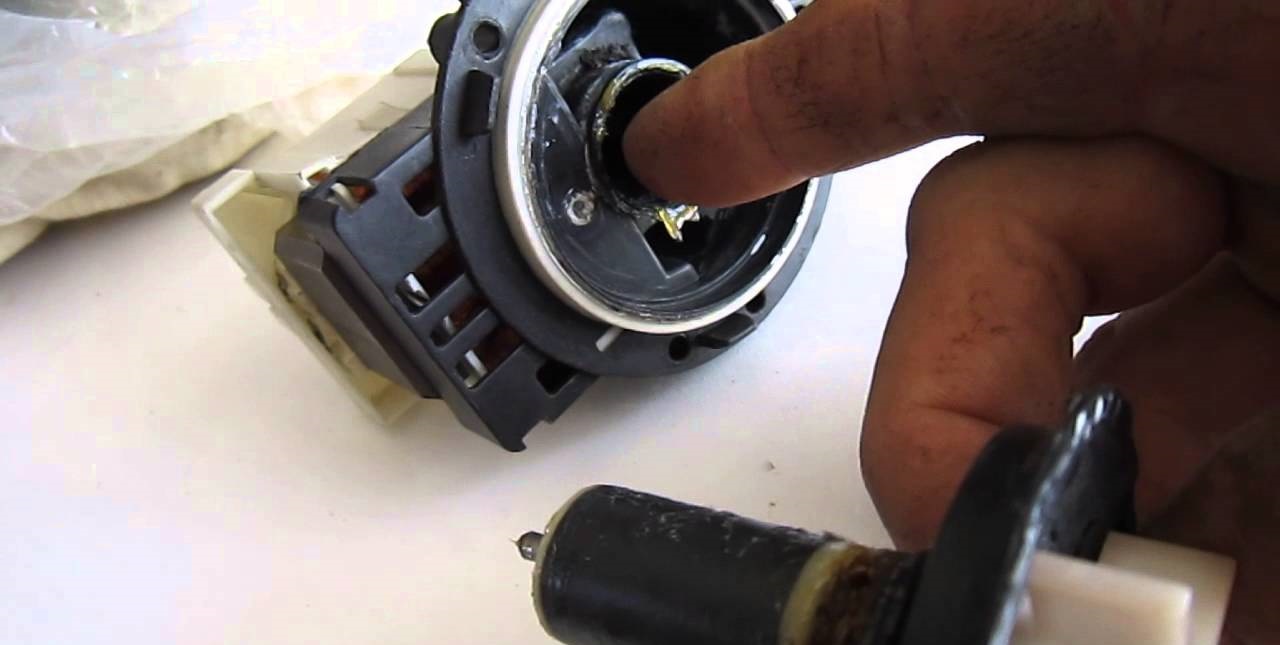
Reconnect the previously removed hoses to the pump and secure them with clamps. Connect the wires and secure the pump to the housing. Then, after reassembling the Beko washing machine, run a test wash. If the cycle runs smoothly, the machine will complete all stages of the program without making any noise or humming, indicating the repair was completed correctly. If cleaning the pump does not help to remove the F05 error code, check the part with a multimeter. Once you have determined that the drain pump is not working, replace it with a new, working unit.
Checking with a multimeter
A malfunctioning Beko washing machine may be caused by a faulty pump. A multimeter can help determine this. When the drain pump is running, the tester should display a resistance reading of 150-260 ohms. Diagnostics are performed as follows:
- de-energize the equipment, close the inlet valve;
- disconnect the wiring and drain pipes from the pump;
- start the multimeter, set it to resistance measurement mode;
- Place the tester probes against the pump contacts.
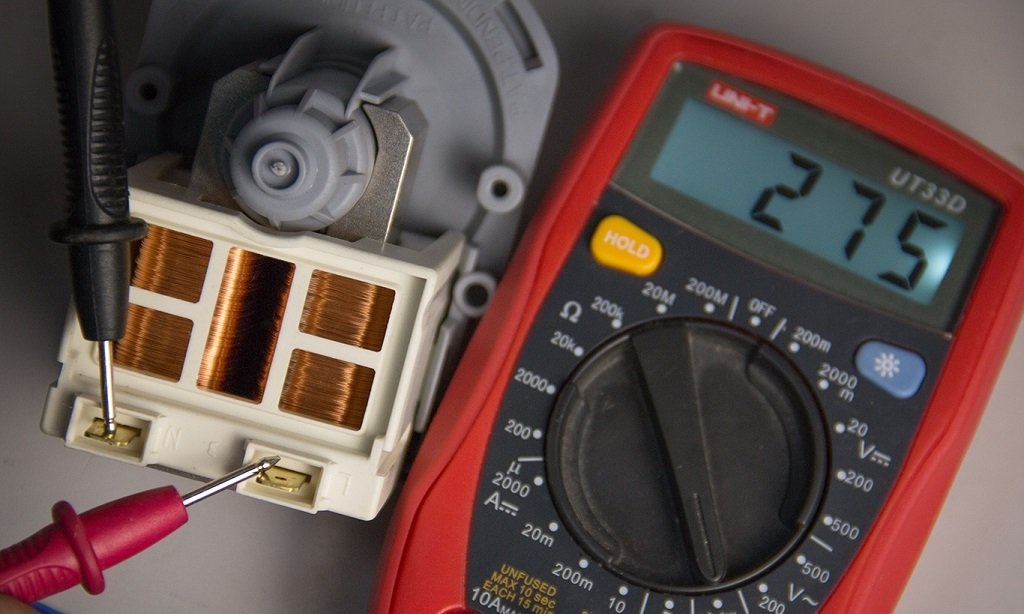
Next, analyze the data displayed by the device. If the multimeter reads 0, the pump has a short circuit. If the display shows an excessively high value, it indicates a winding break. If the value on the tester screen significantly exceeds 260 ohms, the stator winding may be damaged.
It is not practical to repair the winding; it is more profitable to completely replace the drain pump.
If the F05 error is caused by a broken pump, you can repair the machine yourself by installing a new one. If the pump is working properly and there are no blockages in the drainage system, you'll need to test the main control module. Only an experienced technician can properly diagnose the circuit board and fix the problem.
Interesting:
Readers' comments
Headings
Washing machine repair




For buyers




For users


Dishwasher




Add a comment