
Siemens washing machine error code F43
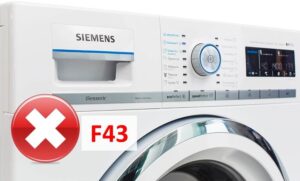 Modern Siemens washing machines are equipped with a smart self-diagnostic system, ensuring that any internal component failures don't go unnoticed. If a malfunction is detected, the machine notifies the user. Error codes are explained in the manual. If the washing machine displays error code F43, it indicates a problem with the Hall sensor. In this situation, the cycle typically stops because the machine's "brain" isn't receiving data from the tachogenerator. Let's look at how to reset the code and restore the machine.
We make sure that the tachometer sensor is broken
You can tell if your Siemens washing machine's tachogenerator is faulty by a number of external signs, not just the F43 error. The following symptoms indicate problems with the drum spinning:
- the machine abruptly changes the rotation speed of the "centrifuge", moving from high to very low revolutions, and this does not depend on the washing stages;
- the drum speed set by the washing machine is much higher than that set by the program or the user;
- the drum cannot spin up to the required speed, or stands still altogether;
- The items in the machine remain wet even after running an intensive spin cycle.
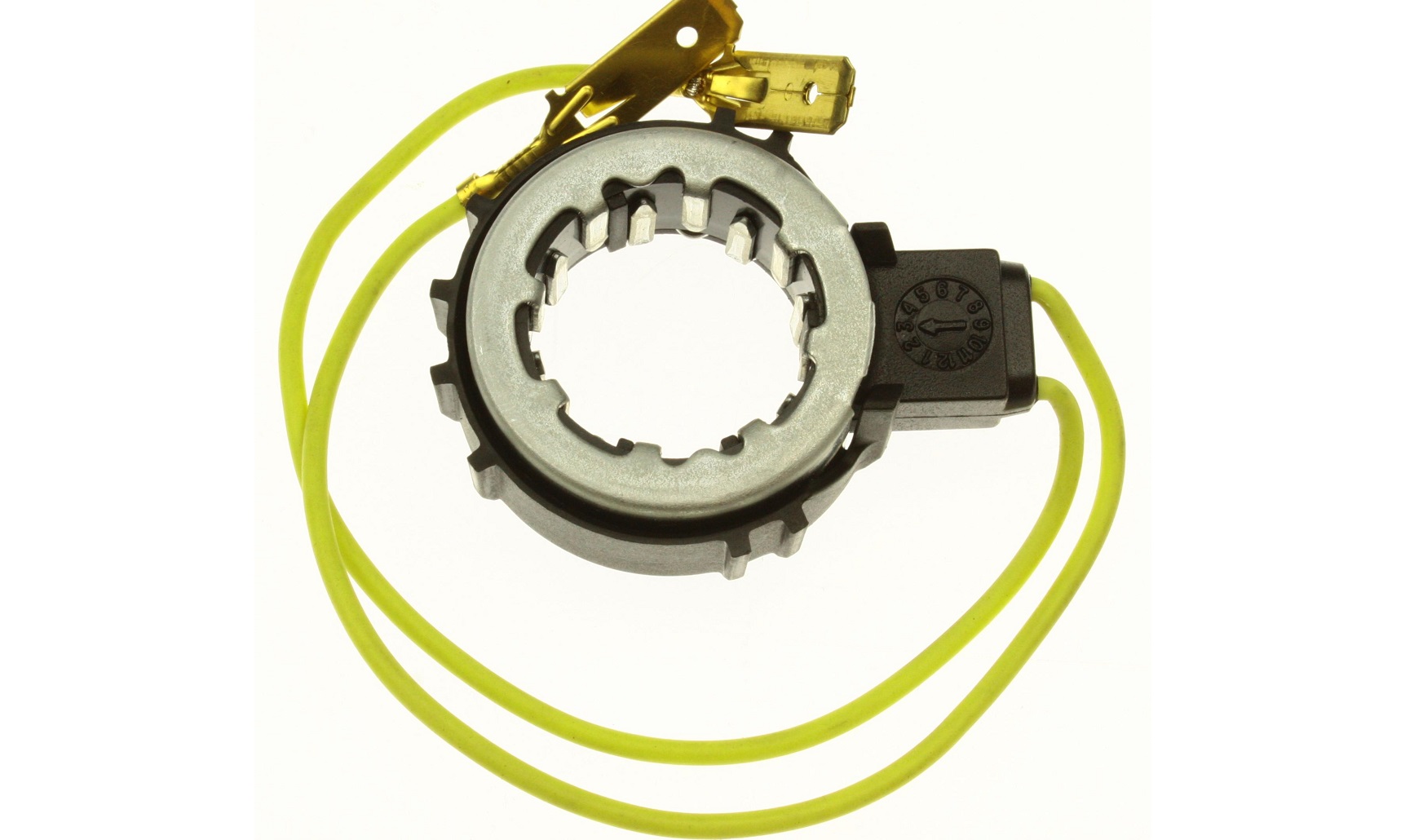
What should you do first? First, make sure this isn't a temporary malfunction. So, turn off your Siemens washing machine, let it sit for 20 minutes, and then restart the cycle.
A faulty tachometer sensor can cause the electric motor to fail.
If you see the F43 error code on the display, don't delay in fixing the problem. If you suspect a faulty tachogenerator, it's best to begin diagnostics as soon as possible. You can check your automatic washing machine yourself.
Where is the tachometer sensor installed?
To check the tachogenerator, you need to understand where it is located in the Siemens washing machine and get to the element. The Hall sensor is located on the rotating shaft of the electric motor. Therefore, it's necessary to partially disassemble the body of your "home helper": remove the back panel and tighten the drive belt. Before beginning repairs, be sure to disconnect the power to the machine and turn off the water supply valve. Next, you can disassemble the body: unscrew the screws securing the back panel. This will give you access to the inside of the washing machine. The drum pulley and the drive belt stretched over it will immediately catch your eye. Remove the rubber band and locate the motor – it's located underneath the drum.
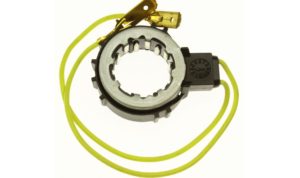
The tachogenerator is a small iron ring located on the motor shaft.
Don't try to remove the Hall sensor; you need to remove the entire engine. Let's figure out how to remove the electric motor from the housing and test the tachogenerator.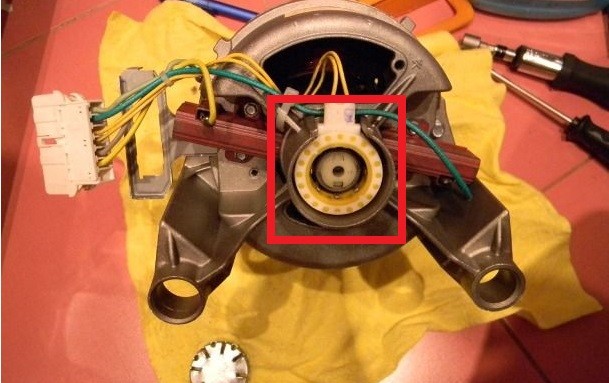
Testing the element
You can remove the electric motor and check the tachometer yourself, without the help of a professional. If you choose to do the repair yourself, it's important to follow the instructions carefully to avoid damaging the washing machine. First, be sure to take a photo of the wiring diagram for the motor. This will help you avoid mistakes when reassembling the machine. Once the photo is taken, you can reset the contacts and begin removing the motor. The procedure is as follows:
- unscrew a couple of bolts that secure the engine to the housing;
- grab the engine, shake it left and right;
- Pull the part sharply toward you. The Siemens washing machine motor is quite heavy, so be prepared for this.
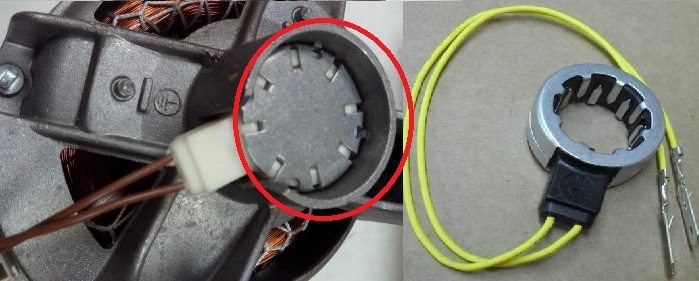
Inspect the Hall sensor and check that it is securely attached to the motor shaft. Strong vibrations can sometimes cause the tachogenerator contacts to become loose or the clamps to become loose. If this is the case, repairing the fasteners and tightening the terminals will help. If there are no visible defects, test the part with a multimeter. Set the device to resistance measurement mode and place its probes on the tachogenerator contacts. If the screen displays a value within 60-70 Ohms, then the tachogenerator is working properly.
The second method is to measure the current generated by the Hall sensor. To do this, start the multimeter in voltage mode, place the tester probes on the contacts of the metal ring, and spin the motor shaft with your free hand. Normally, the device's display should show a value in the range of 0.2 volts.
In reality, the tachogenerator in Siemens washing machines rarely fails. Typically, problems with drum rotation are caused by loose contacts or problems with the main control module. If testing confirms that the Hall sensor is fully functional, but the machine still displays error code F43, you should check the wiring and the circuit board.
Interesting:




Readers' comments
Headings
Washing machine repair




For buyers




For users


Dishwasher




Add a comment