
Hisense Washing Machine Error Codes
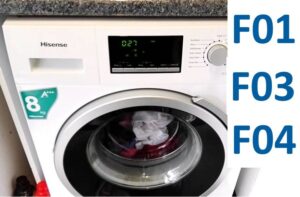 Modern washing machines are equipped with a smart self-diagnostic system. Upon detecting a malfunction, the system registers the fault and displays the error code on the display. The user only needs to decipher the error and begin troubleshooting.
What Hisense washing machine error codes can be seen on the display? Where can I find the codes? What are the most common problems that owners of this brand's washing machines encounter? What should I do if my washing machine stops working and displays a code? Let's delve into the details.
What codes does a Hisense washing machine display?
Technology has advanced greatly, and now, in addition to performing their basic functions, washing machines can perform self-diagnostics. The intelligence coordinates the operation of all internal components of the washing machine and, upon noticing a failure, immediately notifies the user. This makes repairing the machines much easier.
The error codes are provided in the Hisense washing machine instructions.
Therefore, if you notice an unfamiliar code on the display, immediately open the instructions. The user manual describes all possible errors. The booklet explains what causes the code and which washing machine components need to be checked.
Understanding what's wrong with the machine makes it much easier to perform a quality repair. A smart system significantly simplifies the diagnostic process. Users, knowing what's wrong, can repair their washing machines themselves.
If you've lost your washing machine's manual, you'll have to search online for up-to-date information for your Hisense model. We'll explain what error codes are common on Hisense machines and what they indicate.
- F01. The machine cannot fill. Possible causes: no water in the pipes, clogged inlet line, kinked or deformed inlet hose, damaged inlet valve, or faulty pressure switch. The washer may also fail to fill due to a problem with the door locking system—if the door isn't closed, the "brain" will prevent the washer from filling. And, of course, the problem could be with the control module itself, or more specifically, the semiconductors responsible for the current stage of the cycle.
- F02. Error indicating water is draining from the system. This can occur if the washing machine is connected incorrectly, for example, if the drain hose is positioned too low. The inlet valve may also be the culprit (if it doesn't close, the washing machine will drain to prevent overflow). Sometimes the problem is caused by a faulty pressure switch or a damaged controller.
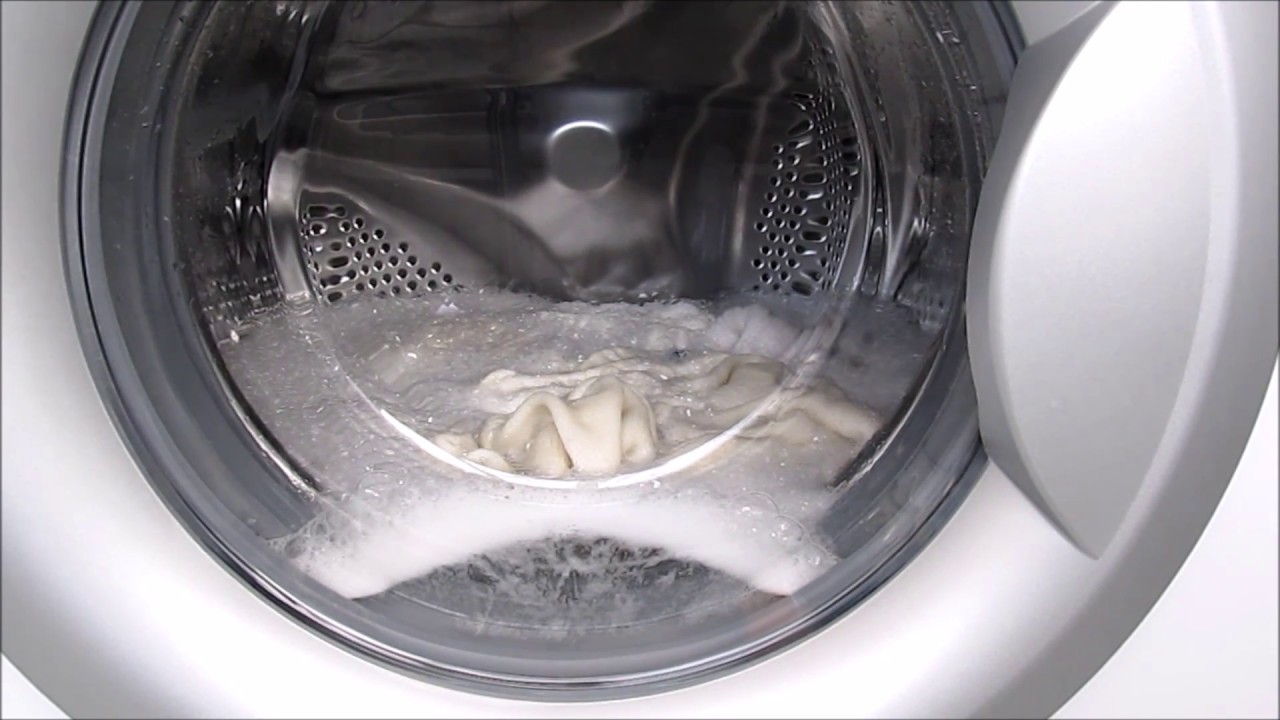
- F03. This error code typically causes the user to notice a frozen machine with a full tank of water. This error indicates a drainage problem. The malfunction may be caused by clogged system components (filters, pipes, pump, drain hose) or damaged components (pump, internal wiring, control module). Sometimes, clearing the common house sewer pipe can resolve the issue.
- F04, F05, F06. These errors are among the most frustrating – they indicate problems with the main control module. They can occur due to a manufacturing defect, sudden power surges, or moisture getting on the controller. Diagnosing and repairing the board is a complex task. Identifying and fixing the problem requires knowledge, experience, and specialized equipment. Therefore, it's best not to attempt this yourself; instead, seek help from a service center.
- F07, F13. These errors indicate that the hatch door cannot be closed or opened. This could be due to either mechanical damage to the lock (the latch is displaced, the hinges are misaligned) or problems with the electronics (debris could get into the door lock connector, the wiring could be burnt out, or sometimes the module simply doesn't detect the lock). Observe the machine and listen for the distinctive clicking sound that indicates the locking device is engaged.
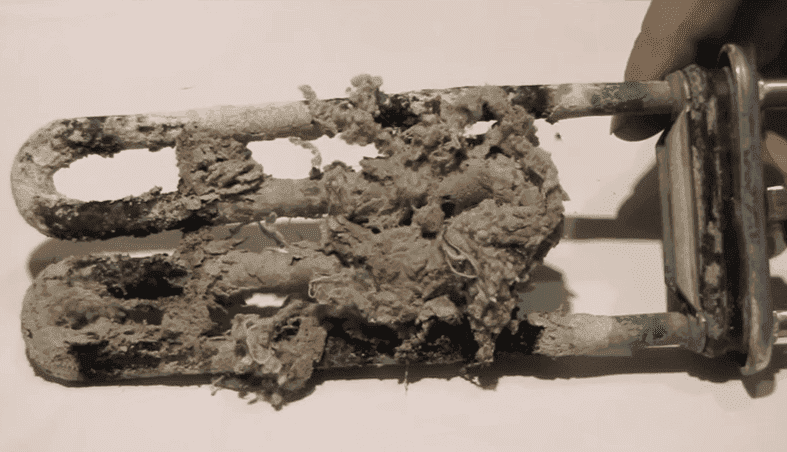
- F22. The code indicates that the machine is unable to heat the water to the set temperature. There are three possible faults: the heating element, the temperature sensor, the programmer, or the heating element relay. The checks proceed from the simplest to the most complex. First, inspect the heating element; it may be covered in a thick layer of scale or burnt out. Next, test the thermostat.
- F24. In this situation, we're talking about an overfilled tank. In 90% of cases, the culprit is a faulty level sensor. Replacing the pressure switch will solve the problem. In the remaining 10% of cases, the problem could be a stuck inlet valve (it doesn't close, causing overflow) or faulty circuit contacts.
- UNB. This code indicates an imbalance. If the machine vibrated excessively during the spin cycle and then displayed an error, it's likely due to laundry bunching up. The solution is to evenly distribute the items in the drum. Other possible causes include improperly leveled washing machine installation, exceeding the permissible load weight, worn shock absorbers, or damaged counterweights.
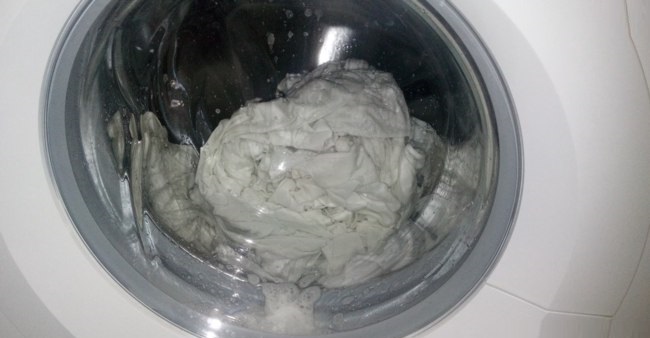
- FA. This error indicates a leak. You should inspect all components that could leak water: the hatch door, drain and fill hoses, joints, pipes, etc. The leak may be due to a leak in the tank. If you can't locate the leak yourself, contact a service center.
These are the main error codes programmed into the memory of Hisense washing machines. They are the same for all models of this brand. More sophisticated machines may have other codes, for example, indicating problems with the drying or steam functions. Therefore, it's best to consult the instructions for your specific washing machine.
The most common breakdowns
Once you understand what problems the machine is indicating, you can begin working. In 80% of cases, you can repair your washing machine at home, without the help of a technician. If the main control unit requires repair, it is best to contact service center specialists.
Hisense machines most often display error code F03. This means the washing machine is unable to drain the water from the system. This can occur for the following reasons:
- blockage inside the washing machine;
- external blockage (it happens that water does not drain due to a mud plug in the siphon or sewer pipe);
- Incorrect connection of the drain hose;
- kinked drain hose;
- pump failure;
- damage to the pump wiring.
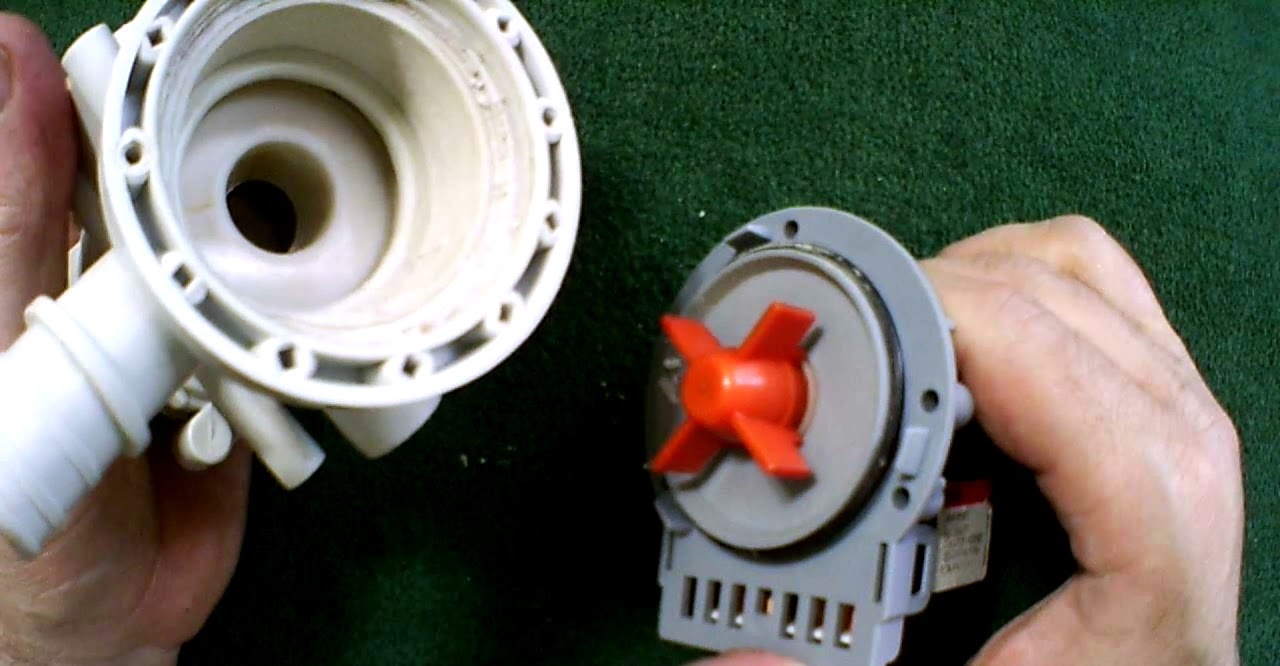
What should you do if you notice your machine is displaying error code F03? First, you'll need to empty the tank. The easiest way is to drain the water from the system through the waste filter hole. Other options include the emergency drain port or the drain hose.
Before starting work, wait 20-30 minutes for the water in the tank to cool. Cover the floor around the machine with dry rags. Also, prepare a shallow but capacious container. To drain the used washing machine through the waste filter, follow these steps:
- de-energize the machine;
- close the shut-off valve responsible for supplying water to the washing machine;
- place a container under the washing machine in the area where the waste filter is located;
- unscrew the filter a little;
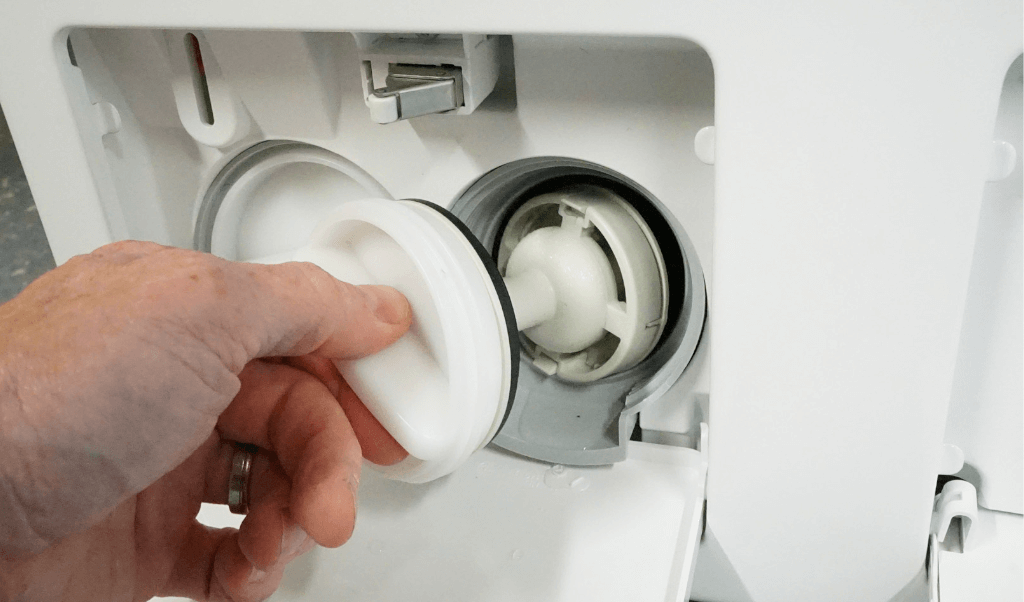
- wait until some of the water flows into the basin;
- unscrew the filter element completely;
- collect the remaining water in a container.
If water does not drain after removing the debris filter, the drain pipe coming from the tank is clogged.
After removing the dustbin, clean the drain hole. Also, inspect the filter—it may be coated with a thick layer of limescale. Soak the coil in a citric acid solution, then brush off the limescale.
If the filter was clogged and you found a pair of socks in the drain hole, clearing the blockage might solve the problem. But if the "trash can" is relatively clean, you'll have to investigate further.
If water drains poorly not only from the machine but also from the bathtub or sink, there's an external blockage. Clean the trap. Also, check the drain pipe for clogs. The clog should be removed.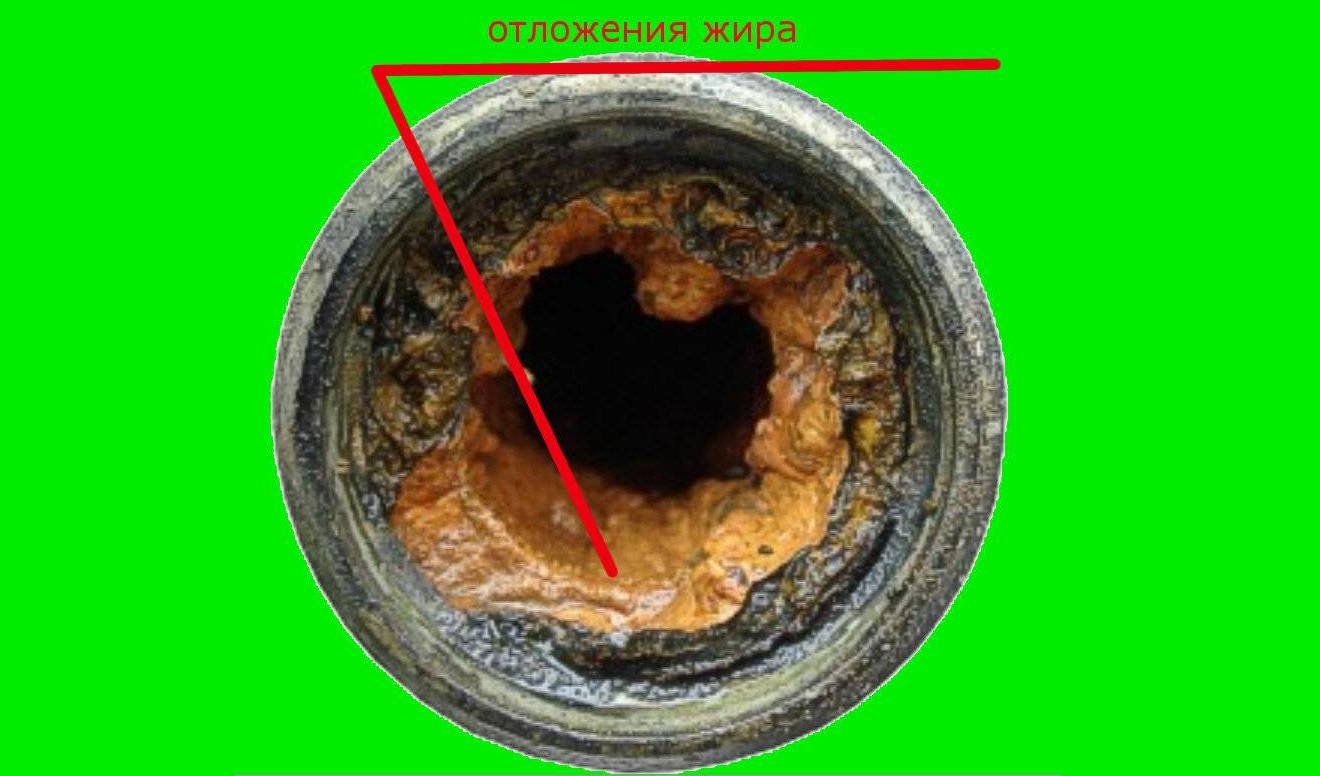
The next possible culprit is the drain hose. Inspect it for kinks and feel for blockages. If you notice a seal, disconnect the hose and rinse it under running water.
Sometimes the F03 code appears after several noisy attempts by the machine to pump out water. This behavior is typical of a damaged drain pump. The pump can be tested with a multimeter. If it's burned out, the part cannot be repaired; it will have to be replaced.
The next most common error is F01. This code indicates that the Hisense washing machine is unable to fill. No water is entering the drum. This could be due to:
- the valve responsible for the water supply is closed;
- there is insufficient pressure in the water pipe;
- there is a blockage in the filling system (the filter mesh, inlet valve, and powder receiver pipes are clogged);
- the pressure switch is broken;
- The control module is not working correctly.
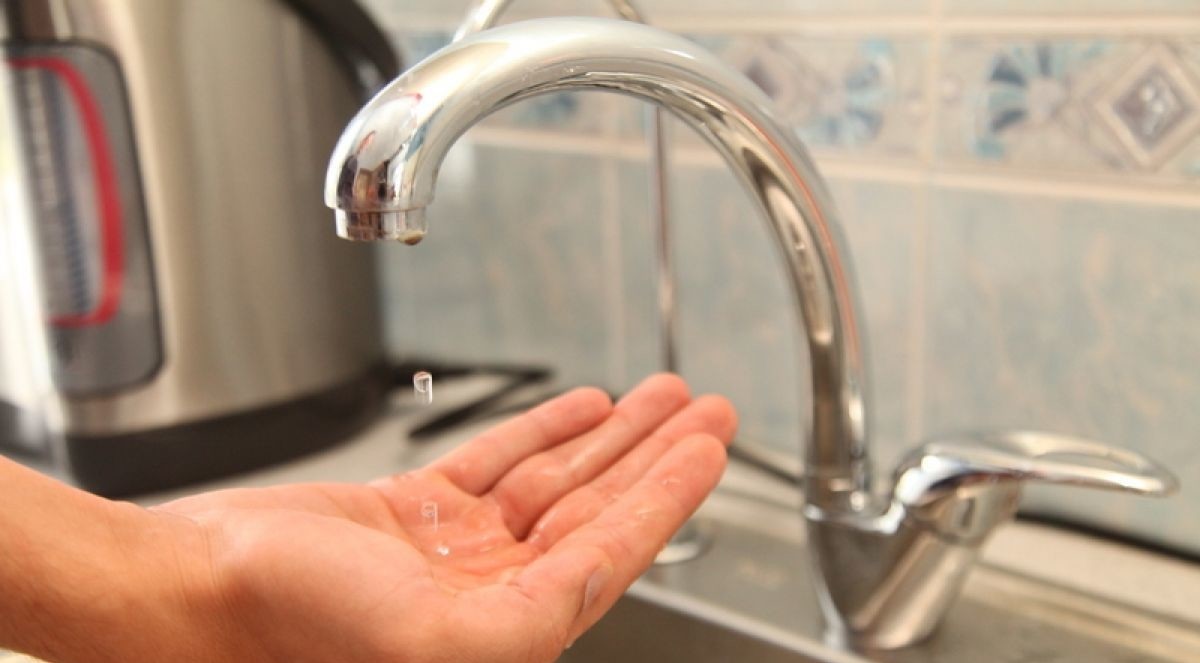
The check progresses from simple to complex. First, make sure the water supply faucet is open. Next, run water in the kitchen or bathroom—this will let you know if the system has sufficient pressure. Next, inspect the inlet hose for kinks and blockages.
Sometimes the Hisense washing machine cannot fill due to a clogged inlet filter mesh.
The filter that traps impurities is installed between the inlet hose and the inlet valve. How to check it: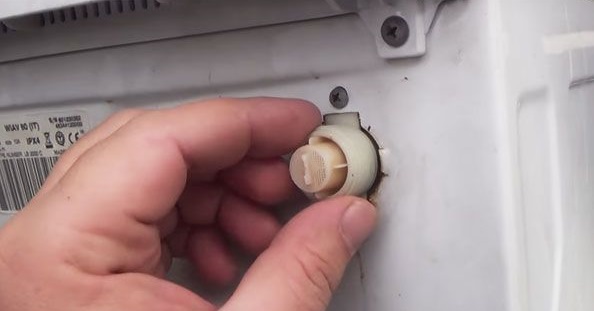
- de-energize the machine;
- close the shut-off valve;
- unscrew the inlet hose from the washing machine body;
- remove the filter mesh;
- Clean the grate with a brush or a toothpick.
The inlet valve could be the culprit. It's located immediately after the filler hose. To check this part: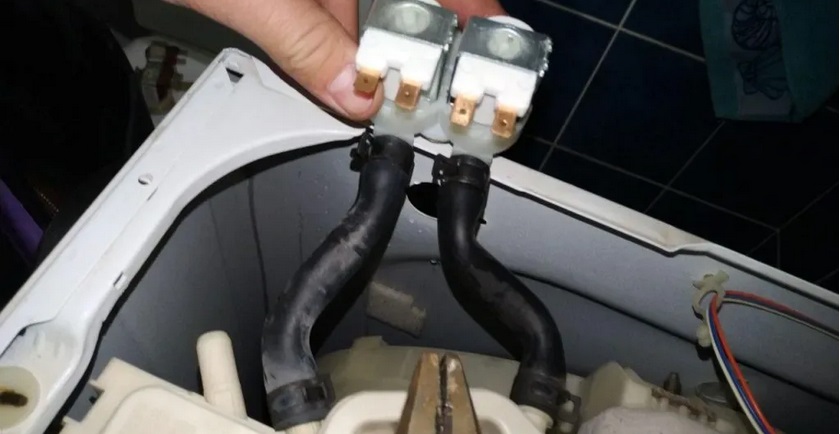
- remove the top panel of the washing machine body;
- disconnect the wires and pipes from the valve;
- remove the element by handling the fasteners.
Then measure the valve resistance with a multimeter. The tester probes are placed across the contacts of the component. Polarity is irrelevant. Normally, the reading should be between 2.5 and 4 kOhm.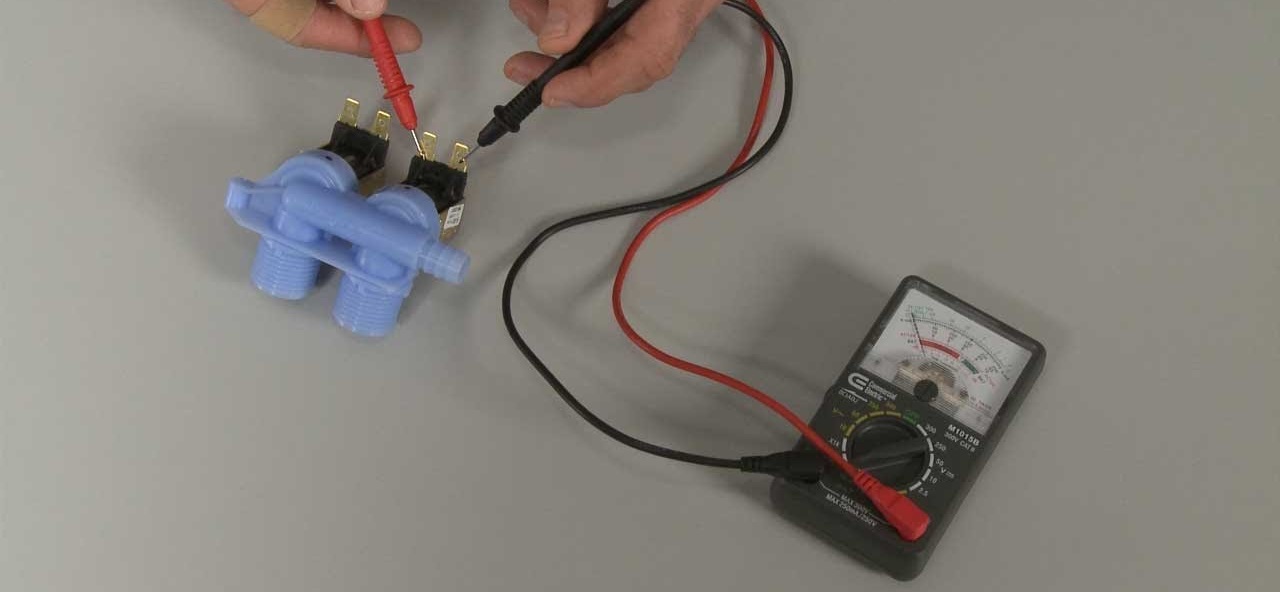
Next, apply 220V to the component. To do this, connect a cord with a plug to the coil contacts. After plugging it in, the inlet valve should hum. The faulty component will need to be replaced.
Sometimes a faulty pressure switch can trigger the F01 error. It can tell the washing machine's "brain" that the tank is full, even though there's no water in the system. Of course, the module won't give the command to fill. A working level sensor is installed in place of the faulty one.
Interesting:
Readers' comments
Headings
Washing machine repair




For buyers




For users


Dishwasher




Add a comment