
Weissgauff washing machine error codes
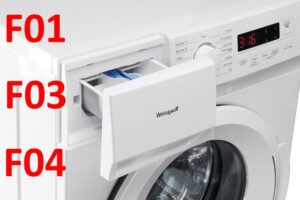 Modern Weissgauff automatic washing machines are equipped with an advanced self-diagnostic system. If the washing machine detects a malfunction, it immediately notifies the user. Models with a display show the error code on the dashboard; those without an LED screen flash the indicator lights.
What errors do Weissgauff washing machines encounter? How can you determine what fault a washing machine without a display is reporting? Which problems can you fix yourself, and when will you need to call a service center? Let's explore the nuances.
List of codes and their decoding
Weissgauff machines have a sufficient number of possible errors stored in their memory. A description of each error code, indicating possible malfunctions, is provided in the equipment instructions. Therefore, the user manual will be the first aid during diagnostics.
Error code F01 (on some models, E01) indicates that the washing machine cannot fill. Possible causes:
- water supply to the house is cut off or water pressure is weak;
- the shut-off valve in front of the machine's inlet hose is closed;
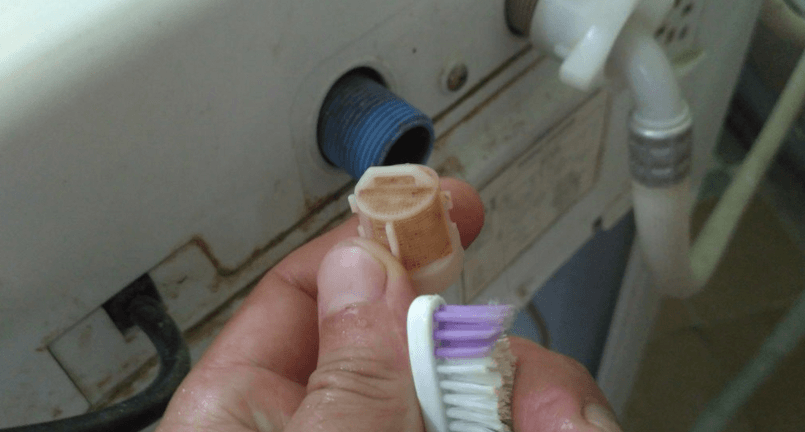
- clogged inlet filter mesh;
- intake valve malfunction;
- damage to the main control unit.
To reset the error, you need to fix the problem that's causing it. The filter mesh can be cleaned, and the inlet valve can be replaced. If there's no water supply in the house, simply wait until the supply is restored. It's best to leave diagnostics and repair of the control board to professionals.
Error F03 (E03) indicates that the machine is unable to drain water. The washing machine gets stuck at one stage of the cycle. This could be caused by a clogged debris filter, drain hose, drain pipe, or pump. Sometimes, a burnt-out pump is the culprit. What to do in this situation:
- de-energize the machine;
- wait until the water in the tank cools down;
- drain the liquid through a drain hose or a trash filter;
- clear the blockage, repair or replace the pump.
Code F04 (E04) indicates a problem with the electronic unit. This error most often occurs after a sudden power surge – Weissgauff control modules are sensitive to such fluctuations. What to do in this situation: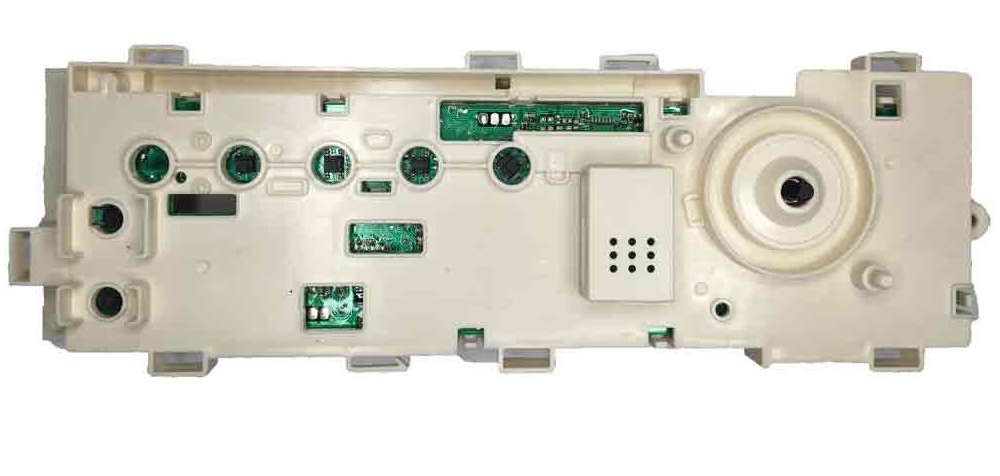
- turn the programmer to the “Off” position;
- unplug the power cord from the outlet;
- wait 10-15 minutes;
- Plug the machine into the power supply.
If resetting the washing machine does not help, you will have to contact the Weissgauff service center. Errors will also indicate a faulty control board. F05, F06, F07, F08, F09. It is difficult to diagnose a module yourself without knowledge and experience, so it is recommended to call a specialist.
To protect the electronic module, it is recommended to connect the Weissgauff washing machine through a voltage stabilizer.
The E10 (sometimes F10) code indicates that the leak protection system has been activated. It only appears on models with special sensors in the drain pans. What to do:
- de-energize the machine;
- Check the washing machine tray (if there is water in it, find the leak).
Error code E10 can also be caused by a stuck leak sensor. In this case, simply wiggling it will suffice to reset the element. Its contacts should be open.
Error E12 (rarely F12) indicates the machine is overfilled with water. Possible causes: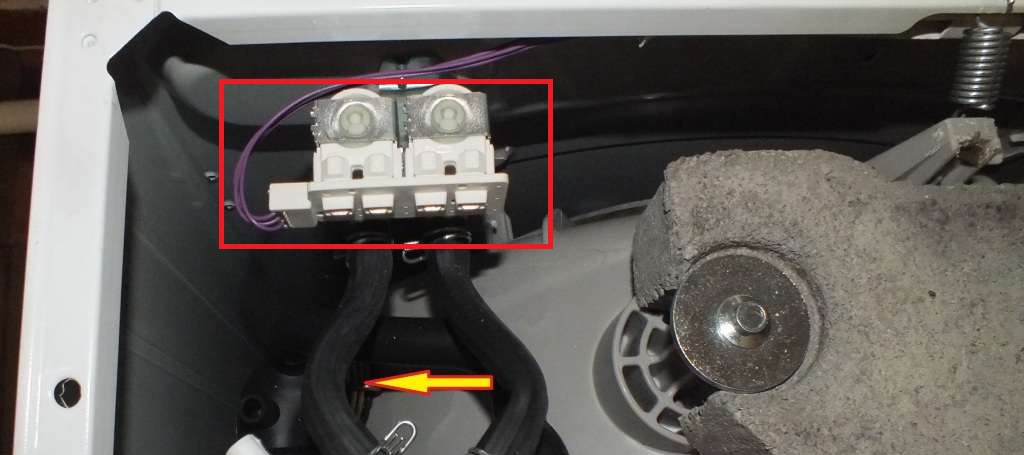
- the inlet valve is broken (it cannot close, so the water intake does not stop);
- The pressure switch is not functioning correctly (it cannot correctly measure how much water is in the tank).
Codes F13 and F14 indicate a faulty hatch locking device. The locking mechanism and its power supply wiring should be checked. Sometimes, if the hatch locking device fails, the Weissgauff display will show errors "F98" or "Unb."
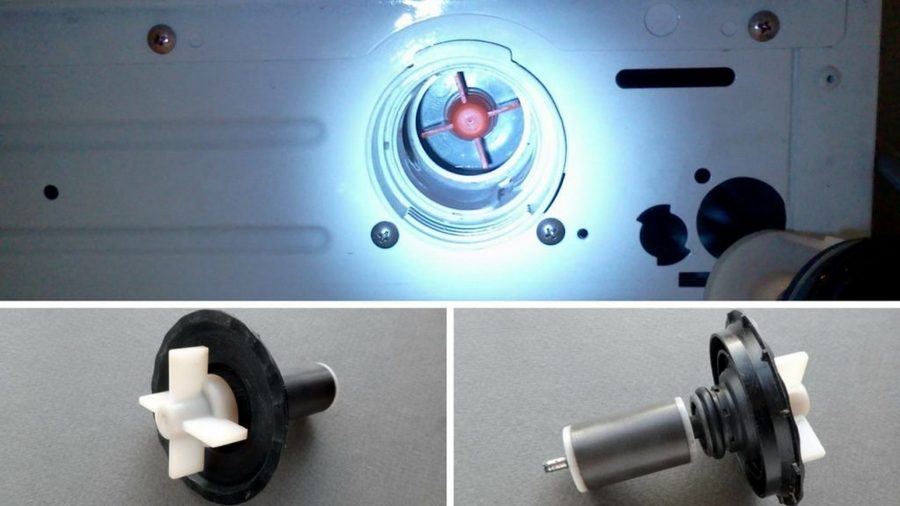
The E21 error code indicates that the washing machine is draining longer than expected. Check the hoses, debris filter, and pump for blockages. Hair and threads often become tangled around the pump impeller; these should be removed.
Error E30 indicates that the sunroof isn't closed properly, and the system isn't sealed properly. Usually, simply pressing harder on the door is enough. If the lock doesn't engage (there's no distinctive click), the mechanism is faulty and will need repair.
How to identify an error on a washing machine without a display
Machines without a display also have a self-diagnostic system. LEDs on the control panel alert the user to any malfunctions. The specific malfunctions are specified in the washing machine's instructions.
Most Weissgauff models without a display use the spin speed and delay start indicator lights to notify you of errors. So, if your machine freezes, check the control panel. Let's figure out which LEDs indicate which problems.
- The two lower spin indicators (corresponding to 400 and 600 RPM) are lit. The washer door is not closed. Check for items caught between the door and the body, and make sure the lock "clicks." Restart the machine.
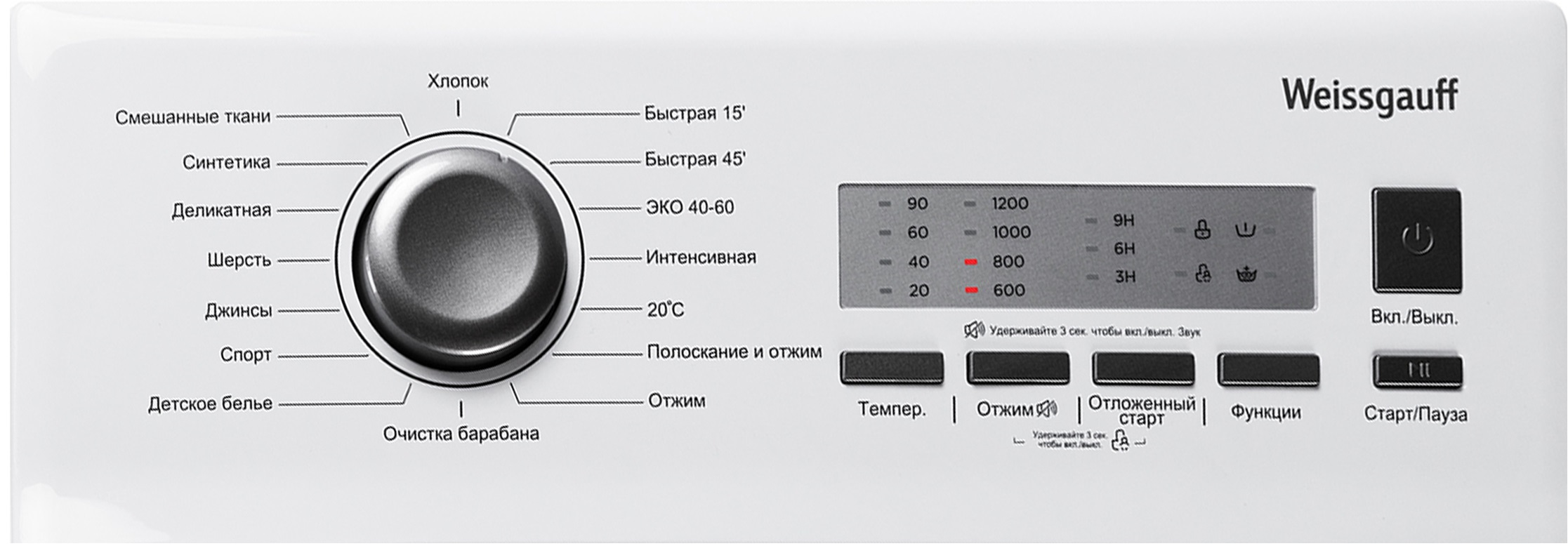
- The last spin indicator (400 rpm) is lit. While the washing machine is running, water is released from the outside. Ensure the water pressure is correct. Also, check that the inlet filter mesh is installed correctly.
- The third spin indicator (600 rpm) and the last delay start indicator (3 hours) are on. Drainage is taking a very long time. The drainage system needs to be checked for blockages.
- The last spin light (400 rpm) and the third delay light (6 hours) are on. The machine is overfilled with water. The problem could be with the pressure switch, the inlet valve, or the control module.
In any case, first try restarting the machine. If the problem is temporary, it will resume operation. If the error persists, the washing machine will require diagnostics.
Why is there no water drain?
Weissgauff automatic washing machine users most often encounter error code F03. This code indicates a problem with the drainage system. This can be caused by:
- external blockage - we are talking about a “plug” in the sewer pipe or siphon;
- internal blockage – foreign objects, hair, lint, threads can fall into the machine and clog the drain pipe, debris filter, pump, etc.;
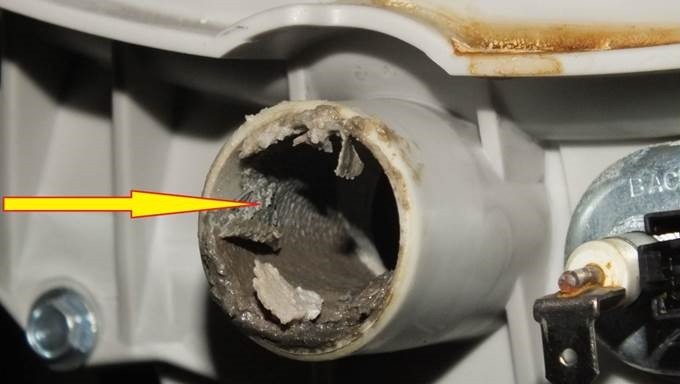
- A broken pump. The "symptom" of this problem is a loud humming sound when attempting to pump water into the sewer.
Usually, you can fix the problem yourself. Simply clean the clogged element. If the pump is faulty, a new one is installed.
Diagnosing the washing machine's drainage system
You can fix a drain problem with your washing machine yourself. However, the task is complicated by the presence of water in the machine. The machine often gets stuck full, so the first thing you need to do is empty the appliance.
There are several ways to forcefully drain the water:
- through the drain hose (most Weissgauff models do not have a check valve, so it is enough to lower the corrugated hose below the level of the tank, and the water will drain by gravity);
- by unscrewing the plug of the trash filter.
When draining water through a waste container, the following procedure is followed:
- de-energize the washing machine;
- turn off the water supply valve;
- prepare a low but capacious container to collect the liquid;
- Cover the floor around the washing machine with dry rags;
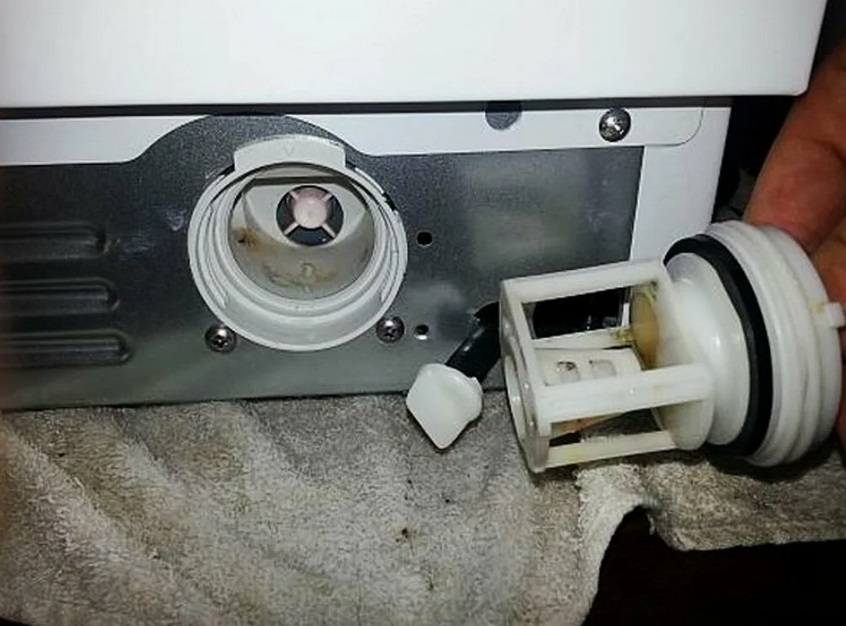
- open the technical hatch door;
- Place a basin under the machine, in the area where the drain filter is located;
- unscrew the dustbin plug half a turn;
- wait until the water drains into the basin;
- remove the entire debris filter;
- Collect the remaining water in a container.
If the water does not flow even after removing the debris filter, it means that the drain pipe that leads from the tank to the pump is clogged.
Try wiggling the hose. This might help the fluid flow. If not, carefully disconnect the hose, preparing to collect the water.
Once the machine is empty, you can begin inspecting the drainage system components. Here's the order in which to check:
- trash filter and its "nest";
- pump impeller;
- drain hose;
- the pipe leading from the tank to the pump;
- pump.
The pump is the most difficult to diagnose. To check the pump without disassembling the housing, run the "Drain" mode. If the machine starts making a loud humming noise, the component is likely broken.
In some cases, cleaning the pump can help. Disassemble the housing and remove all debris from the inside, including the impeller blades. If the pump is burned out, it will need to be replaced; repairs will be impractical.
Interesting:
Readers' comments
Headings
Washing machine repair




For buyers




For users


Dishwasher




Add a comment