
Miele Dryer Error Codes
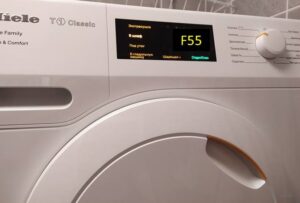 Modern dryers are equipped with a self-diagnostic system. If a malfunction is detected, these smart machines notify you by displaying an error code. By deciphering the code, the user can easily determine what exactly is wrong with their "home assistant."
Let's explore the error codes your Miele dryer might display. How do you decipher them? Which problems can you fix yourself, and when is it best to call a professional?
Decoding codes
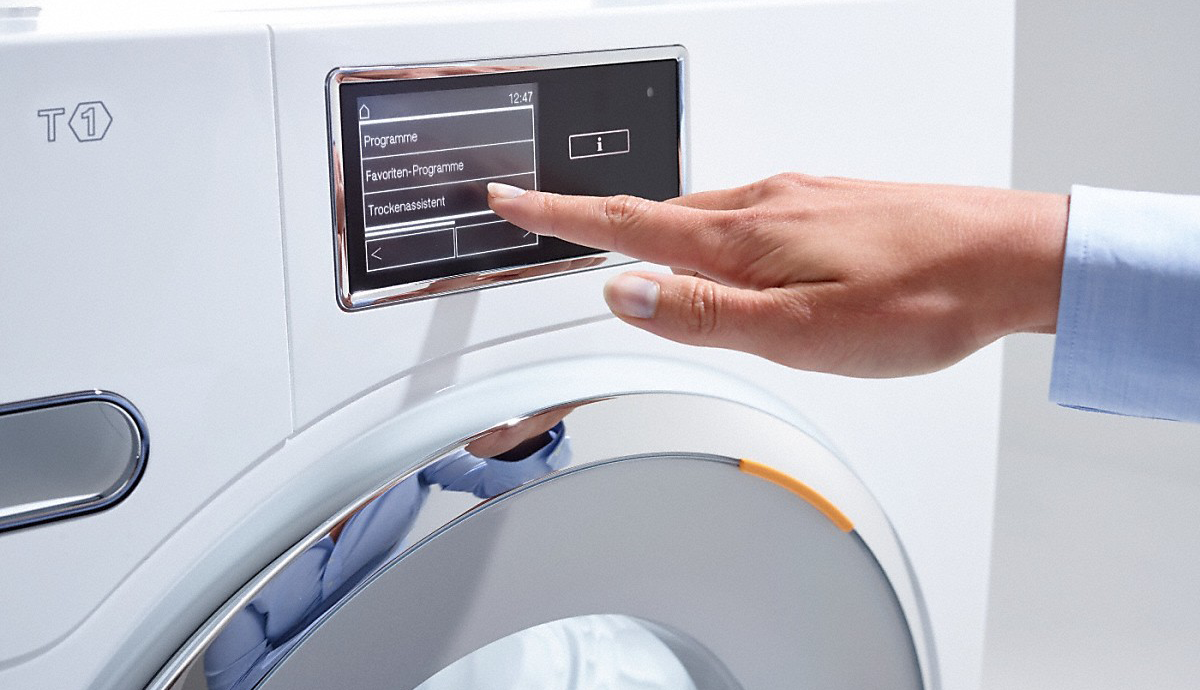
All Miele dryers are equipped with a digital display, which shows the error. You can find the decoding of error codes in the equipment instructions. The user manual describes what malfunction the corresponding symbol indicates.
In some cases, the error is caused by a temporary system failure, and resetting the Miele tumble dryer can help resolve the issue.
Therefore, if you notice an error on the display, don't rush to call a technician for diagnostics and repairs. First, make sure it's not a one-time electronic malfunction. Resetting your Miele dryer can help eliminate this issue:
- completely de-energize the dryer by unplugging the cord from the wall outlet;
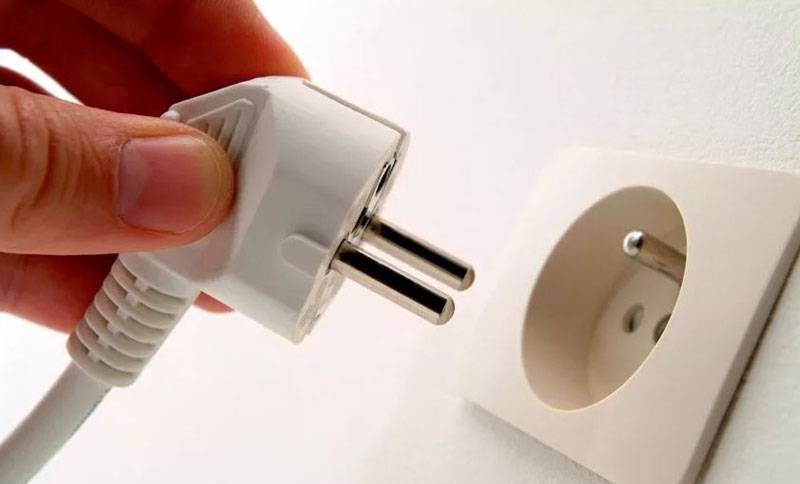
- leave the device turned off for 15-20 minutes;
- turn on the machine;
- try restarting the drying mode.
If the error recurs after a reboot, a random glitch can be ruled out. This means there's a real malfunction. Let's look at what faults are indicated by specific codes.
- F1. This error indicates a short circuit in the NTC refrigerant temperature sensor. The cause may be either the element itself or its wiring.
- F2. This code indicates an open circuit in the temperature sensor circuit. To fix the problem, either the wiring or the element itself will need to be replaced.
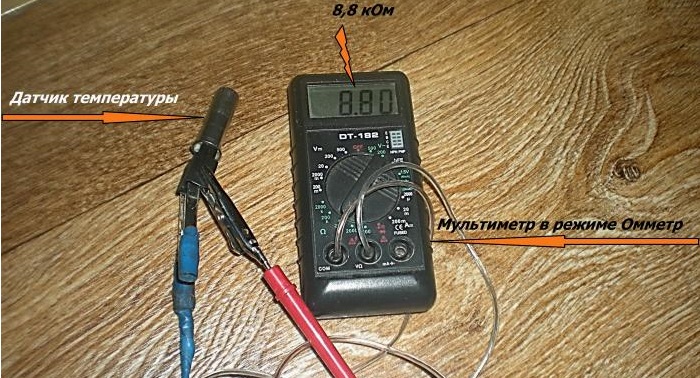
- F3. Indicates a faulty air temperature sensor, specifically a short circuit in the element. Replacement of the element will resolve the issue.
- F4. Here, the air temperature sensor is again the problem, but this time it's an open circuit. During diagnostics, you'll need to inspect the wiring and terminals, and replace components if necessary.
- F32. Error code indicates the drum door is not closed properly. The lock does not engage, preventing the machine from starting. Check both the mechanical and electronic locking devices.
- F33. In this case, the Miele dryer won't open the door. You'll also need to check the lock.
- F36. This code indicates a door switch malfunction. To resolve the error, the faulty lighting or lock electronics may need to be replaced.
The following group of errors indicates problems with the dryer's electronics. Each code indicates specific issues.
- F38. Indicates an incompatibility of the device's electronics. It is necessary to verify that the correct EW and ELP modules are installed.
- F39. Indicates a failure of the BAE electronic unit.
- F40. This code indicates a critical electronics fault. The EW/ELP interface needs to be checked. The module may need to be replaced.
- F41. The manual interprets this as "EEPROM malfunction/incorrect data." Restarting the dryer often helps clear the code. If this doesn't work, it's recommended to replace the 1N1, ELP module.
- F43. The dryer is not recognized by the control electronics. The model type is not programmed. A software update will help in this case.
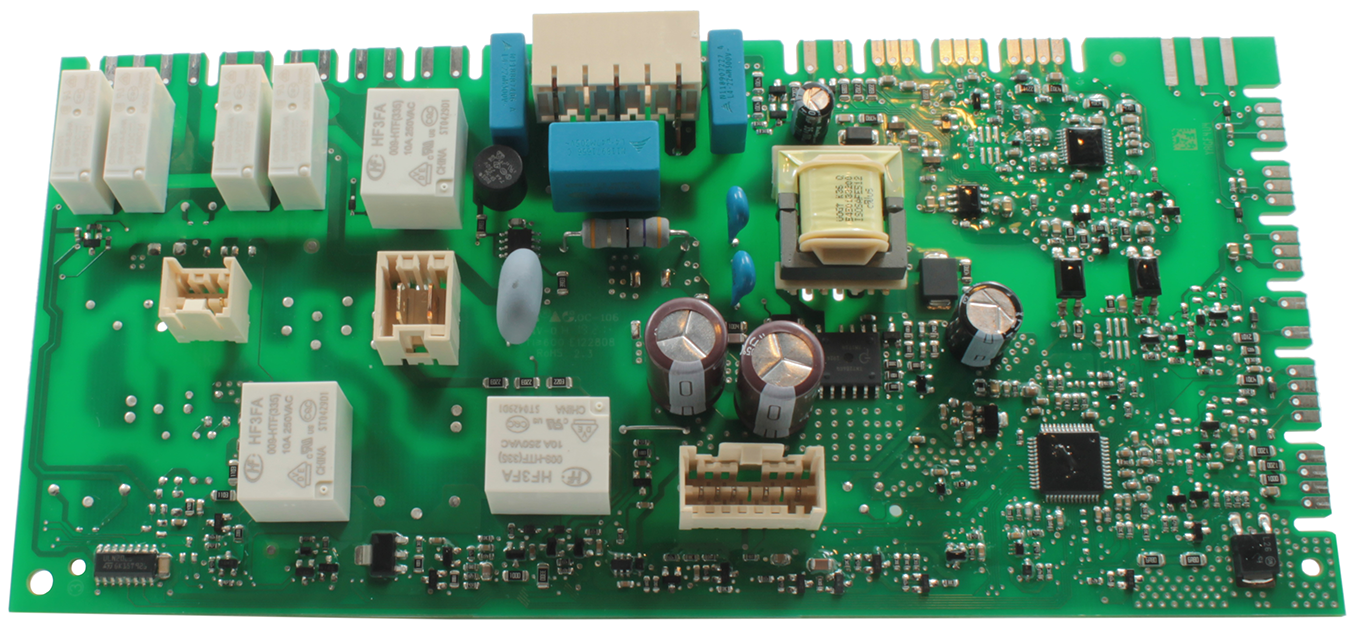
- F45. Indicates a flash memory error. To resolve the error, reset the dryer to factory settings. If this doesn't help, replace the ELP module.
- F400. Indicates incorrect electronic configuration.
Fixing your Miele dryer's electronics errors on your own is quite difficult; it's best to seek help from a service center right away.
In practice, electronic problems with Miele dryers are rare. The machines are equipped with a noise suppression filter that protects the control module and other components from voltage surges. However, severe surges can still damage the circuit board.
What other problems might a Miele tumble dryer report?
- F46. Indicates that the dryer display is not connected correctly. In this situation, it is usually necessary to replace the EW module. Corroded contacts may also be the cause.
- F47. Interpretation: Faulty interface between BAE/SLT. The connection between the EW and ELP modules must be checked.
- F50. Indicates a drive system malfunction. This could be caused by a variety of factors, including overloading the machine, incorrect electrical voltage, motor failure, electronics malfunction, or belt drive issues.
- F55. Indicates an incorrect drying time. The machine is running longer than necessary, resulting in overdrying of the laundry. The heating element and temperature sensor need to be checked.
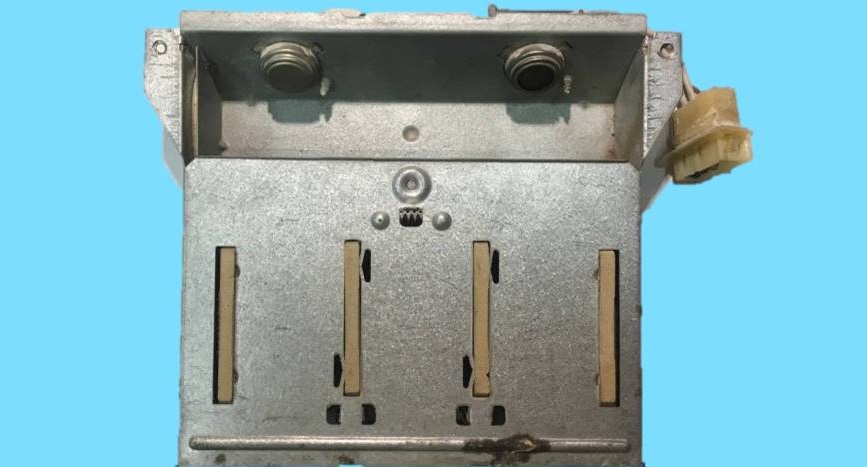
- F66. Appears on the display if normal air circulation is disrupted. The lint filter may be clogged, or debris may have accumulated in the heat exchanger. To reset the code, remove the blockage.
- F102, F103. Indicate problems with the Smart Home system. The machine cannot connect to the program.
- F156. Indicates a short circuit in the NTC temperature sensor on the dehumidifying air supply.
- F157. Informs that the temperature sensor is open.
Many breakdowns can be fixed at home. If the dryer Miele If it's still under warranty, don't try to fix it yourself, contact a service center immediately. If you begin to disassemble the case, you will lose your right to free warranty service.
If the warranty has long expired, try to troubleshoot the problem yourself. Without the help of a professional, you can clean the lint filter and heat exchanger, replace the drive belt, heating element, door lock, and even the drum bearings. For electronic repairs, it's best to call a professional—this type of work requires specific knowledge and experience.
Unable to activate drying
Equipment from different manufacturers has its own typical faults. At the dryers Miele Most often, the heating element, thermostat, motor and capacitor fail. Less common problems include stretching of the drive belt, wear of the drum bearings, oxidation of contacts, and problems with electronics.
In some cases, a washing machine that was working perfectly yesterday may simply not turn on today. However, no error message will be displayed because the system won't start. In this situation, the cause may be:
- temperature sensor (the part is probably broken or its contacts have come loose);
- engine (severe voltage fluctuations in the electrical network lead to engine failure);
- fuse (the part cannot be repaired and will need to be replaced).
If the dryer turns on but you can't select a mode or start a cycle, check to see if the terminals are corroded. In this case, repairing the machine won't be difficult. Simply clean and wipe the contacts—this will restore your "home helper" to working order.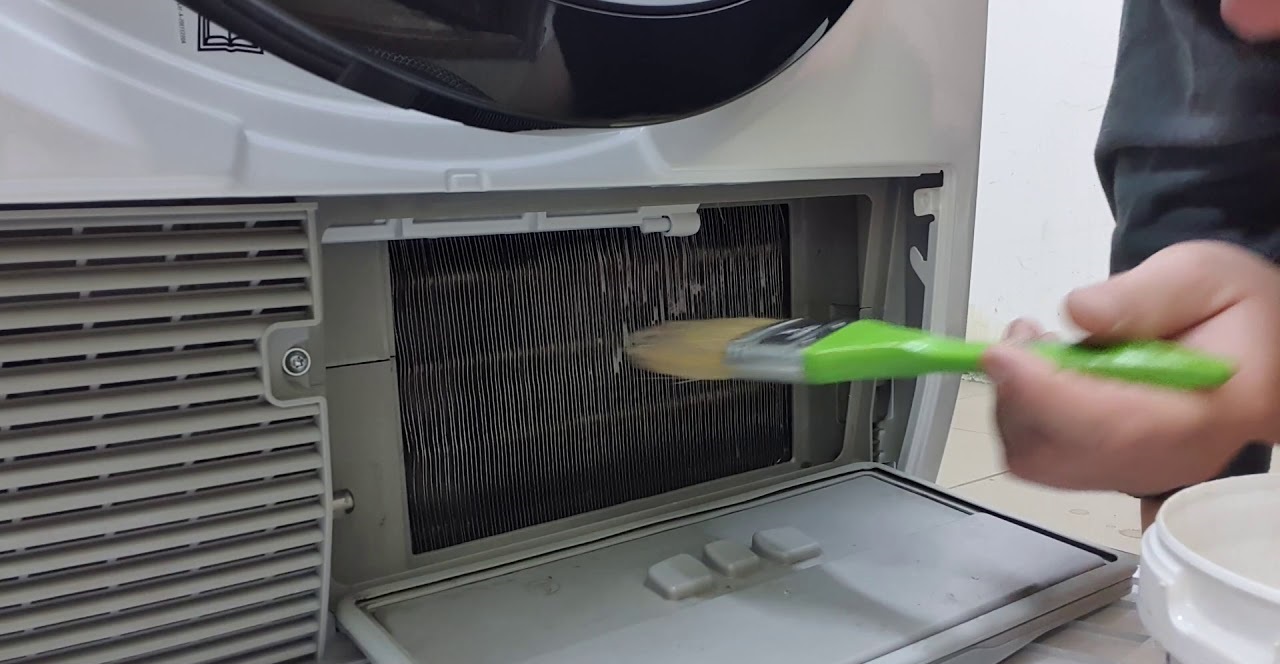
Be sure to check that the condenser isn't overflowing. Dust from laundry gets trapped in it. Accumulated debris disrupts heat transfer and prevents moisture from escaping freely from the dryer. Cleaning the condenser can solve this problem.
If the selected program doesn't start, check that the dryer door is completely closed. Both the mechanical and electronic locks should engage. If there's no initial click, press the door further.
Sometimes the drying mode fails to activate due to the "Delay Start" option. This feature may have been enabled accidentally, and now the machine is waiting several hours to start the cycle. Disabling the delay start option may resolve this issue.
The most common reason why a washing machine won't turn on is a power outage. Check if there's power in the apartment. If so, try plugging another appliance into the outlet; the outlet itself may be faulty. Also, inspect the dryer's power cord and plug for kinks, melted areas, or missing insulation.
The drum no longer spins
In some cases, Miele dryer users experience the following: the system starts, and the desired mode can be selected without any problems, but after pressing the "Start" button, nothing happens. After a while, a code appears on the display. The drum remains motionless.
In this case, the following problems are possible:
- wear of the drum axis;
- engine failure;
- failure of the motor capacitor;
- drive belt problem;
- destruction of drum bearings.
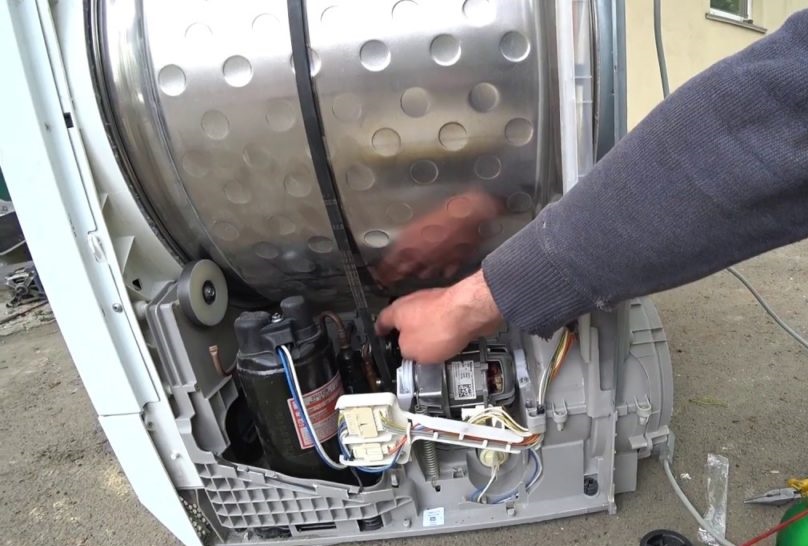
To repair the machine, worn parts will need to be replaced. Parts are purchased specifically for the Miele model. Users can prevent such breakdowns.
- It's important not to overload the dryer. Always adhere to the manufacturer's maximum load capacity. If the machine is rated for 7 kg of laundry, don't try to cram 8 kg into it. Doing so will cause premature wear of the bearings, drum axle, and stretched drive belts.
- Clothes should be distributed evenly in the drying chamber to prevent the drum from becoming unbalanced.
It is advisable to connect the Miele tumble dryer to the power supply via a voltage stabilizer.
A voltage stabilizer will protect the washing machine from sudden power surges. This will minimize the risk of damage to the control module and electric motor. The device isn't cheap, but repairing your "home helper" will be quite expensive.
The dryer suddenly loses power.
In rare cases, the circuit breaker trips immediately when the Miele dryer is turned on. This problem shouldn't be ignored; the cause of the malfunction must be determined as quickly as possible. This may occur for the following reasons:
- the contacts on the control board are oxidized;
- there are defects on the machine’s power cord or its plug;
- short-circuits the heating element;
- the motor winding is damaged;
- the noise suppression filter is broken;
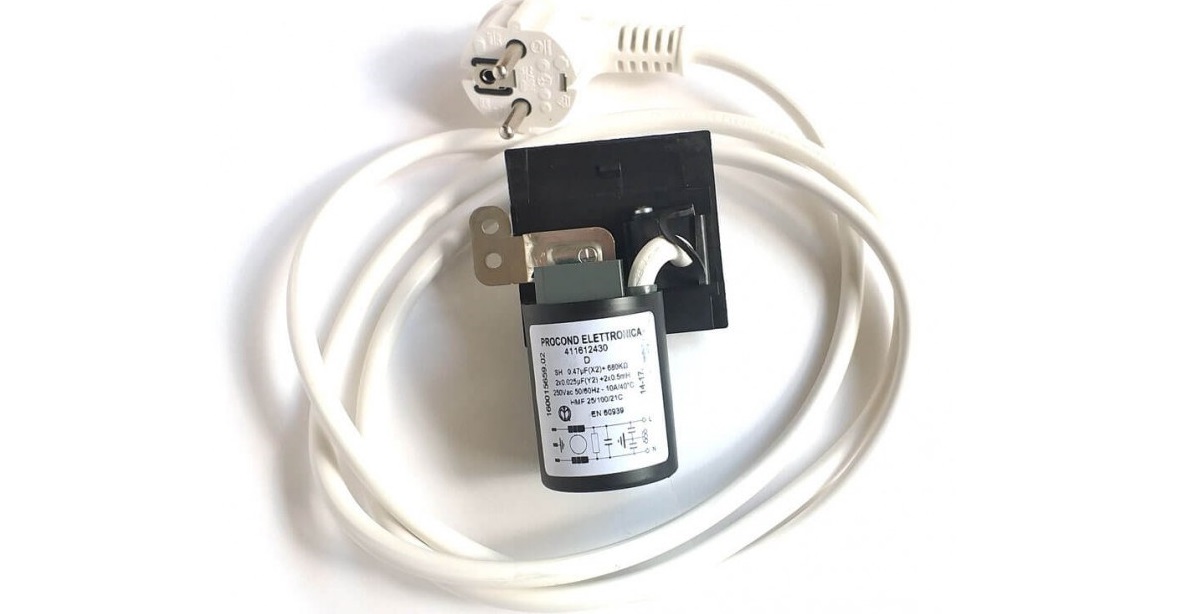
- The dryer software is malfunctioning.
Before beginning any diagnostics, completely disconnect the dryer from the power source. This is a fundamental safety precaution. The inspection should proceed from simple to complex. First, inspect the dryer cord, then the contacts on the control board. Then, test the heating element for continuity and ensure the surge protector is working properly.
A multimeter will be useful for diagnosing the electronic module, line filter, heating element, and motor winding. A tester can be purchased at specialized stores. If you're unsure of your ability to identify and fix such problems, it's best to call a qualified technician.
Interesting:
Readers' comments
Headings
Washing machine repair




For buyers




For users


Dishwasher




Add a comment