
Does detergent remain on dishes after washing them in the dishwasher?
 A group of dishwasher opponents has emerged in several Western countries. Their main argument is that dishwasher-washed dishes contain detergent residue, which is subsequently ingested through food, slowly poisoning the body. Therefore, the harm from dishwasher detergents, in their view, completely offsets the convenience provided by a dishwasher. We decided to investigate whether dishwashers actually leave behind any detergent residue on dishes or whether this is just a rumor.
Why might there be powder left on the plates?
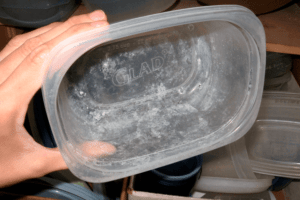
After conducting a series of simple tests, we found that in most cases, during a regular dishwasher wash, detergent particles remain on dishes. In some cases, there are more, in others, less, but they are still present. Why is this?
- A low-quality detergent is used that does not dissolve well in water.
- Washing dishes is done at low water temperatures and because of this the product does not dissolve completely.
- The wrong washing program was selected on the dishwasher or too much detergent was added.
- The dishes in the baskets are not arranged correctly, causing soapy water with detergent residue to remain in the cavities and not be washed out during rinsing.
- The dishes in the sink are made of hard-to-rinse porous materials. Not only are dirt and detergent difficult to remove from such dishes, but so are the dishes themselves.
- The dishwasher is faulty.
Quite often, dishwasher users themselves notice white marks from the detergent on freshly washed dishes. This most often occurs when users purchase cheap, low-quality dishwashing detergent, whether powder or tablets. This is the most dangerous option, as cheap detergents can contain toxic components, and the amount of particles left on the dishes can easily cause serious poisoning.
Even very good tablets or powder may dissolve unsatisfactorily due to low temperature washing. Typically, fast modes require heating the water to no more than 40 degrees, and users tend to "respect" these modes very much, and then eat the remaining detergent along with their food.
The optimal water temperature at which detergents dissolve well in a dishwasher is 600WITH.
 You also need to be careful when choosing a washing program. It's no wonder dishwasher manufacturers have come up with double rinse modes; if your machine has such a feature, you should use it. You should also use the correct amount of detergent, or better yet, slightly less. Adding more detergent won't improve the washing quality; quite the opposite.
Be careful how you arrange dishes in the baskets. Poorly arranged dishes can also cause poor detergent removal. Powder particles will accumulate in the cavities, forcing you to wash dishes and kitchen utensils by hand. If you're unsure how to arrange dishes in baskets correctly, read this article. How to use a dishwasher correctlyIt explains everything in quite detail.
If you're washing plastic dishes or dishes made of porous clay, keep in mind that they won't rinse well. Not only are food residues difficult to remove from these materials, but detergent components as well. It might be worth hand-washing these dishes or getting rid of them altogether.
What else determines whether a dishwasher rinses out detergent completely? Of course, it depends on the condition of the dishwasher itself. If, for example, one of the spray arms fails, the dishwashing performance and detergent rinsing will deteriorate significantly. In this case, a qualified technician will help you figure out what's going on.
What harm does this do?
We looked into whether detergent remains on dishes after washing. It turns out that it does. We also explored the reasons why this happens. Let's say we accept the fact that at dinner, we have to ingest a little dish soap in addition to our regular food. What are the risks? Is it really as harmful as they say?
In fact, detergents can contain large amounts of substances that are extremely harmful to the body, such as chlorine. We already consume a fair amount of chlorine compounds in tap water, and if we start eating chlorine straight from our plates, we could very quickly end up with:
- inflammation of the mucous membranes of the oral cavity and esophagus;
- chronic cough and watery eyes;
- bronchitis and pneumonia;
- weakened immunity.
 By ingesting detergent particles, a person also receives a "wild" dose of phosphates, which accumulate in the body and lead to the destruction of bones and teeth. Of course, phosphates in the body won't accumulate to a critical level in a couple of weeks, but then again, we expect to wash dishes in the dishwasher for many days.
In addition to chlorine and phosphates, a powerful allergen can also enter the body, as manufacturers impregnate their tablets and powders with strong fragrances. If you're allergic and react specifically to these ingredients, you'll be in for a real treat.
Choosing tablets or powder
How to resolve this situation. It's clear that no dishwasher can completely rinse away detergent, so you need to choose the safest detergent possible, one that won't cause any harm if ingested. You can, of course, avoid machine washing, but there's no guarantee that hand-washing dishwashing gel will reduce the amount of chemicals you'll use.
It's very difficult to get such guarantees from anyone, so we'll have to take care of ourselves. We suggest choosing the safest product possible, one that doesn't contain any ingredients that could cause significant harm to the body. How can you do this? You need to visit the hardware department and Read the ingredients of detergents carefully. Harmless powders and tablets do not contain:
- chlorine;
- phosphates and phosphonates;
- flavoring agent;
- nonionic surfactants in quantities greater than 5%.
Of course, this does not make such powders and tablets edible, but one can expect that their forced partial absorption will not cause health problems.
So, you can wash dishes in the dishwasher without fear of poisoning if you choose a high-quality detergent and follow the simple operating instructions. Be sensible, and everything will be fine. Good luck!
Interesting:






4 reader comments
Add a comment
Headings
Washing machine repair




For buyers




For users


Dishwasher




Why don't you mention the chemicals left behind by salt and rinse aid? After all, they're not completely washed away, especially since they're still present in the water during the very last rinse. And the rinse aid leaves a distinct bitter taste on the dishes.
Salt doesn't go into the dishwasher, it goes to some element of the system and restores it.
I tried the dishes after washing them. They tasted bitter and soda-like. Now I have to rinse everything by hand. Terrible 🙁
Why the hell do you manufacture and sell detergents then?