
How to stop a dryer
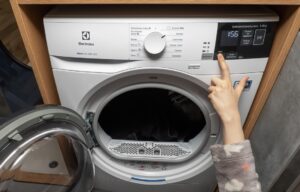 Sometimes, homeowners need to forcefully stop their dryer. This happens when the cycle has been running for a long time, and the dryer shows no sign of stopping. How can you turn off your "home helper" safely and avoid causing further problems?
We stop the dryer from working
First of all, it is better to study the instructions for the device. Each model of dryer has its own forced stop algorithm. So be sure to check your user manual.
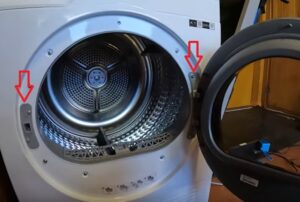
In most cases, to stop drying, simply open the machine door or hold down the “Stop” button for 3-5 seconds.
Both methods will terminate the current cycle. However, if you restart the machine, the program will continue. If you don't want this, remove the items from the drum immediately and spread them out to cool.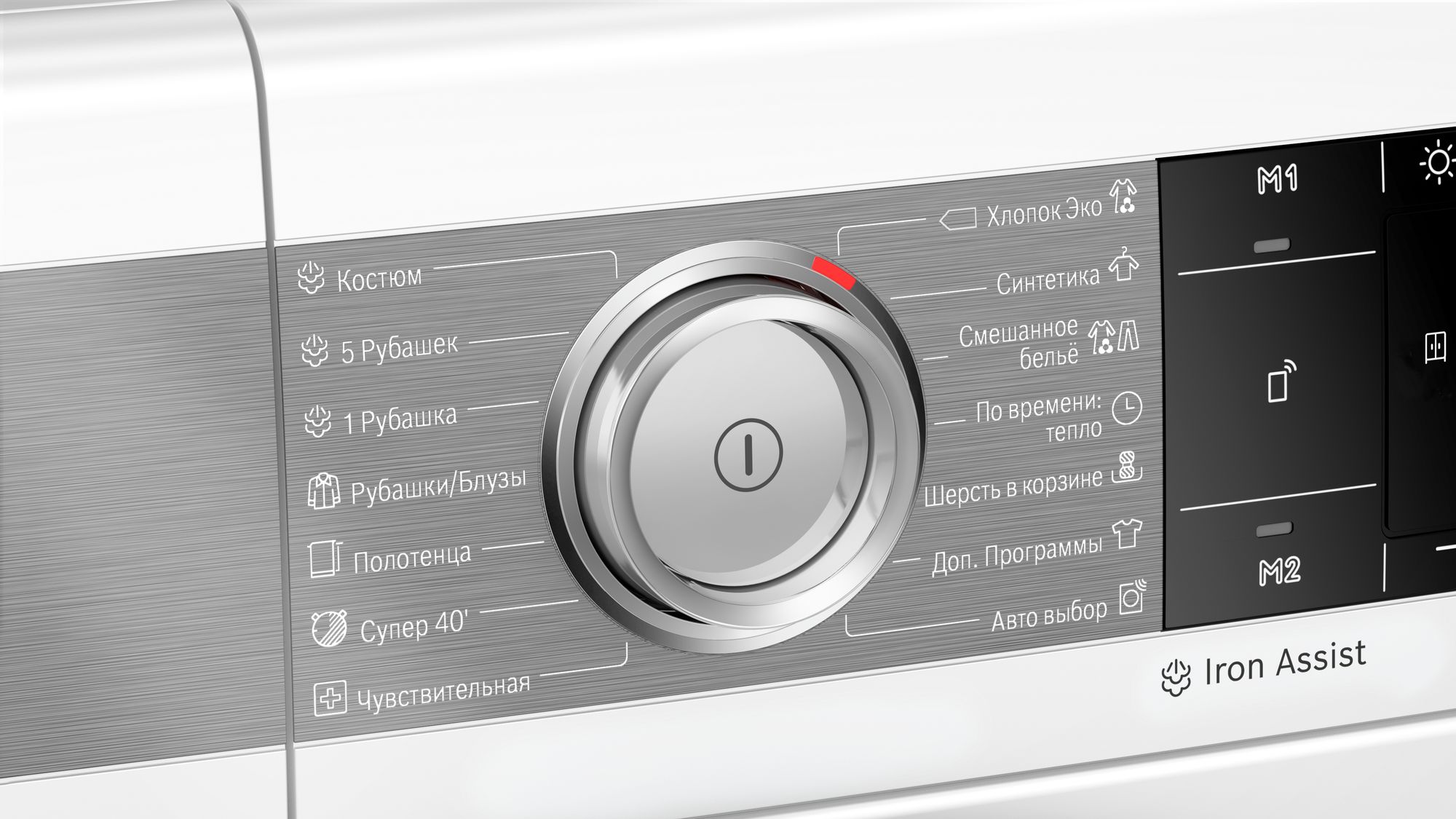
What if you can't stop the dryer this way? The next option is to use the "Power" button. Press and hold it for a few seconds. The current program will be interrupted, and the dryer will stop working.
The last resort is to turn off the dryer by unplugging it. This is the most dangerous method and should only be used if nothing else stops the dryer. Doing so risks damaging the machine's electronics.
Why doesn't the equipment stop on its own?
Many users confuse dryers and washing machines. They think a dryer should work just as hard as a washing machine. In fact, this isn't the case.
The dryer is working less intensively than the washing machine. About an hour before the end of the cycle, it may seem like the dryer has completely frozen. The drum practically stops spinning. Why does this happen?
After the active drying phase, the "Ironing" option is activated. This process lasts from 20 minutes to an hour. The duration of this stage will depend on the residual moisture level of the garments. The drum rotates in reverse and very slowly.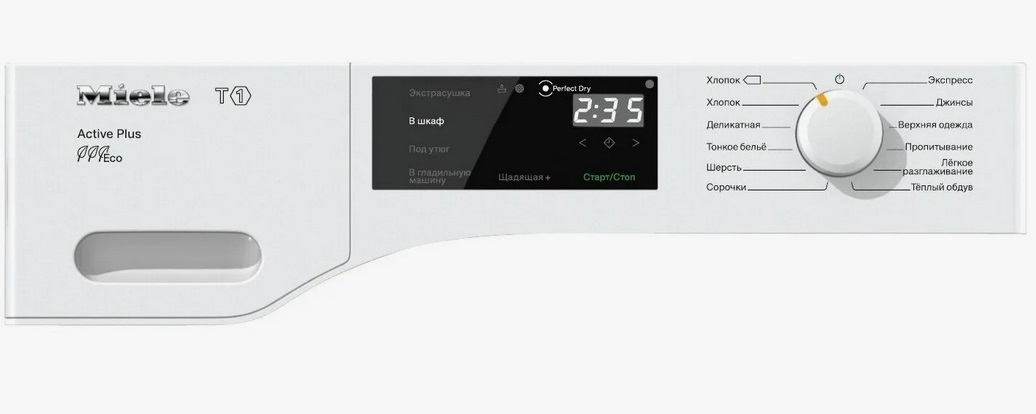
The "Completion" or "Ironing" light on the dryer's dashboard is illuminated. On some models, this feature can be disabled, allowing you to remove items slightly damp and iron them yourself. In any case, washing machine owners should be aware of this feature of each drying cycle.
Sometimes the problem is different. The machine won't stop running, even though the cycle should have finished long ago. For example, the program is set for two hours, but it's already three. In this case, you should stop the dryer, unplug the appliance, and remove the items from the drum. In this case, there's most likely a malfunction.
Why your dryer may run longer than it should:
- there is no heating in the system;
- the humidity sensor is not functioning properly;
- air supply has been reduced.
Most often, a washing machine won't stop working because of a broken humidity sensor. The appliance's "brain" isn't receiving information about whether the laundry is dry, so the dryer continues to cycle. To fix the problem, the sensor will need to be replaced.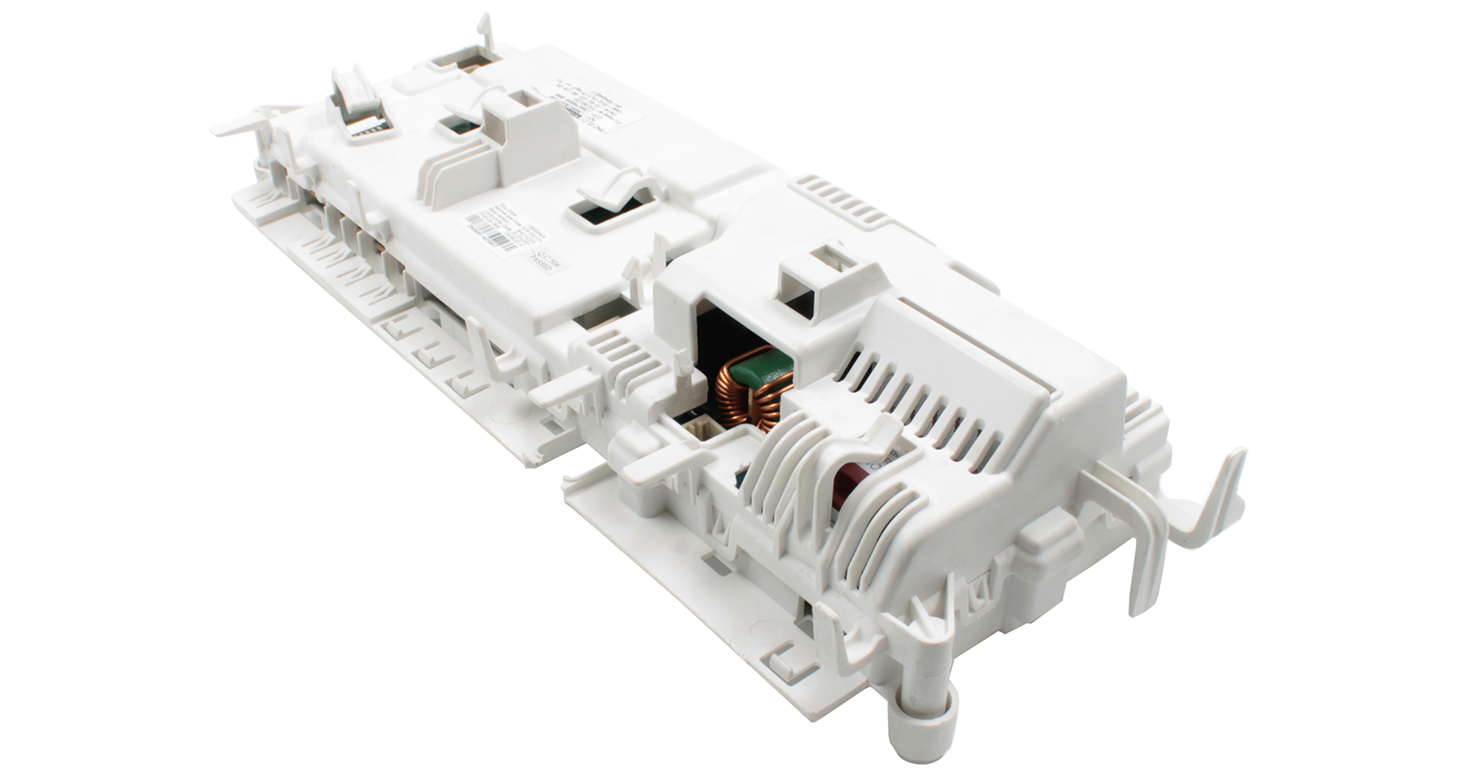
Another common cause is a clogged ventilation system. When the vents become clogged with debris or dust, air circulation is disrupted. The machine can't dry the laundry; it remains damp, and the cycle doesn't stop.
It is important to monitor the condition of the dryer's ventilation system.
Be sure to clean the filters and remove condensation regularly. It's also important to keep the vents clean. We'll also look at other issues that can cause your dryer to run longer than expected.
Malfunctions that prolong the program indefinitely
If the drying cycle takes longer than usual, this is the first sign of a problem. Of course, we're not talking about 5-10 minutes here. You should suspect a breakdown if the machine runs significantly slower or fails to complete the cycle at all.
To avoid making the situation worse, it's best to get it diagnosed immediately. Let's figure out why your dryer might be running longer or not stopping at all.
- The filters and hoses are clogged. For the dryer to function properly, these components need to be cleaned regularly. The lint filter should be cleaned every third cycle, and the heat exchanger should be cleaned every 5-7 drying cycles. It's recommended to clean the hoses once a month.
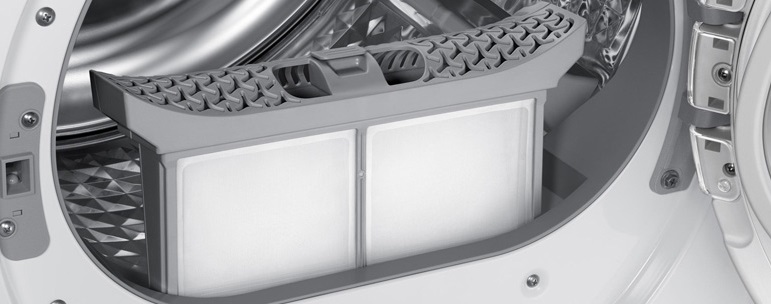
- The thermostat sensor isn't working. It monitors and maintains the temperature in the washing machine's chamber. Thanks to the thermostat, your "home helper" doesn't overheat and your laundry doesn't get overdried. If this happens, the cycle may continue indefinitely. Replacing the part will solve the problem.
- The heating element is broken. In this case, the machine simply won't dry the laundry. The sensor will continue to signal the "brain" about high humidity levels, so the machine won't stop drying the laundry.
- The locking mechanism is damaged. Another possible cause is that the lock may burn out or be disconnected (if the connector with the contacts is disconnected). The locking mechanism will need to be tested, and if a fault is detected, the device will need to be replaced.
- A system failure has occurred. To eliminate temporary "interruption," you need to reset the dryer and restart the cycle. If the problem persists, a more thorough diagnostic will be required.
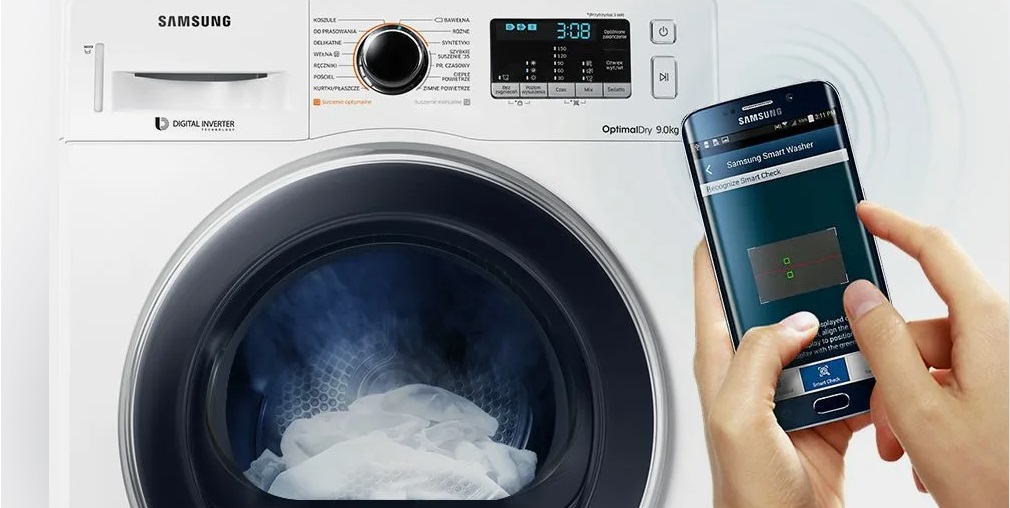
- The control board is damaged. This is rare, but you can't rule out a faulty module. If the problem is electronic, it's best to contact a technician. Identifying and fixing the problem yourself will be difficult.
Usually you can fix the problem yourself. The user can independently clean the filters, ventilation system, and change the humidity sensor. If you have problems with electronics, it is better to seek help from specialists.
To avoid such malfunctions, it's important to regularly maintain your dryer, cleaning its filters and hoses. Follow all manufacturer's operating instructions. It's best to connect your dryer to the power grid through a voltage stabilizer. This approach will extend the life of your "home helper."
Interesting:



Readers' comments
Headings
Washing machine repair




For buyers




For users


Dishwasher




Add a comment