How to whiten yellowed plastic on a washing machine?
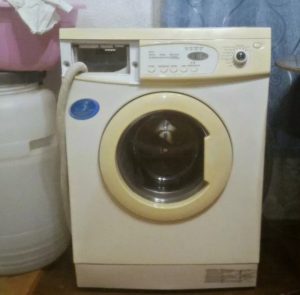
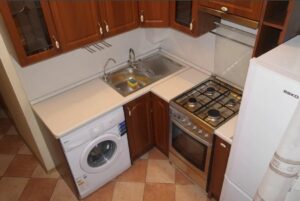
Over time, a white washing machine can turn yellow due to high humidity, temperature fluctuations, irregular cleaning, and low-quality materials. If the machine is built-in and hidden behind a cabinet, this isn't a problem; with freestanding machines, cleaning is essential. We'll explain how to whiten yellowed plastic on a washing machine and how safe it is. We'll describe the best methods.
The most effective way
The method for bleaching yellowed plastic depends on the extent of the problem. If almost the entire washing machine is covered in yellow stains, it's best to forgo regular household cleaning products and opt for the "heavy artillery"—hair bleach. You can buy a jar of this precious product at any hardware store that sells women's hair dyes. The best option is Oxygen 12%, a product for blondes from Estel. The higher the specified concentration of the composition, the more effectively and quickly the yellowness will be removed.
The Oxygen 12% bleach from Estel effectively whitens yellowed plastic.
In addition to the bleach, you'll need cling film, tape, and a UV lamp. The latter is optional, but without it, the bleaching process will take 24 hours. Before starting the process, prepare the machine's surface for the upcoming cleaning.
Grate a bar of laundry soap with a concentration of 72% on a coarse grater.
Prepare a cleaning solution: mix grated soap, a little boiling water, 10-20 ml of any dishwashing gel, for example, Fairy, and bring to a mushy consistency.
Dip a soft sponge into the prepared paste, apply the product to the yellow stains of the washing machine and leave for 30-40 minutes.
After half an hour, remove the product with a damp cloth.
We wait until the surface dries.
Open the jar of bleach, add 2-3 drops of ammonia and stir (you can do without alcohol, but they say the product works more effectively this way).
We wait until the chemical reaction (hissing) stops, and then apply the cleaner to the yellowed areas with a soft brush.
We cover all treated areas with film in two layers, securing them with tape.
We warm up each section with a UV lamp, holding it over the film for several minutes.
When using a bleaching lamp, two hours is sufficient; otherwise, the product should be left on the frame for at least 24 hours. Afterward, the film is removed and the result is assessed: the majority of the yellowing should be gone. Sometimes some yellow stains remain, but they are easier to remove, as a single treatment with ammonia or another bleaching agent is sufficient.
Cleaning and washing agents
If the plastic on your washing machine has yellowed slightly, in patches, it's best to start with a thorough cleaning of the housing. You'll need standard cleaning products: soap, detergent, baking soda, or dishwashing gel. Generally, the following procedure is recommended:
soap a sponge, soft brush or cloth with cleaning agent;
rub the yellowish surface thoroughly;
leave the foam on the body for at least 10-15 minutes;
rinse off the product with water or a damp cloth;
wipe dry with a towel.
Before bleaching, the body of the washing machine must first be cleaned of dust and grease.
This will remove grease, dust, dirt, and yellowish residue from the surface. If the rust is deeply ingrained, this step will serve as the initial cleaning stage, after which more effective measures and products can be used.
Small removable plastic parts of your washing machine, such as the detergent drawer or lid, can be bleached by soaking them in a cleaning solution. Dissolve a tablespoon of each detergent and baking soda in a liter of warm water, then soak the items in the resulting soapy solution for at least 10 hours. Then rinse the plastic parts and dry them thoroughly.
Vinegar and bleach
Vinegar and bleach can clean even stubborn yellow stains from your washing machine, but their use is only permitted if precautions are taken. It is important to remember that acids and alkalis emit toxic fumes and, when they come into contact with the skin, cause burns and allergic reactions. Therefore, it is necessary to work with them only in a ventilated area and using personal protective equipment.
When using vinegar and chlorine bleach, ensure adequate ventilation and wear rubber gloves!
Keep dosage in mind. Chlorine and bleach should not be applied directly to plastic; they must be diluted at a ratio of 1 tablespoon per liter of water. The resulting solution is used to clean the body or soak removable plastic parts. In the latter case, you'll need to wait at least 10-12 hours.
Vinegar can be used to clean small stains. Dampen a cloth or napkin in the acid and then apply it to the yellowed areas. There's no need to wait—the solution works instantly and can be rinsed off with water. Just remember to ventilate the area and wear rubber gloves.
Peroxide will help.
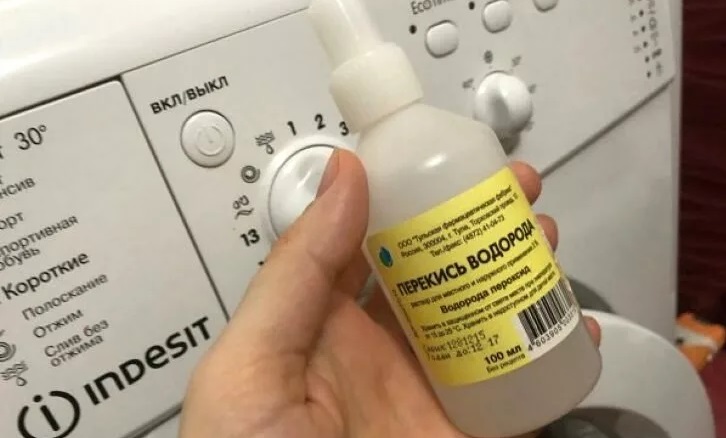
Hydrogen peroxide is also renowned for its whitening effect. However, it only works on mildly yellowed plastic, as the pharmacy version is not highly concentrated. The cleaning procedure is simple:
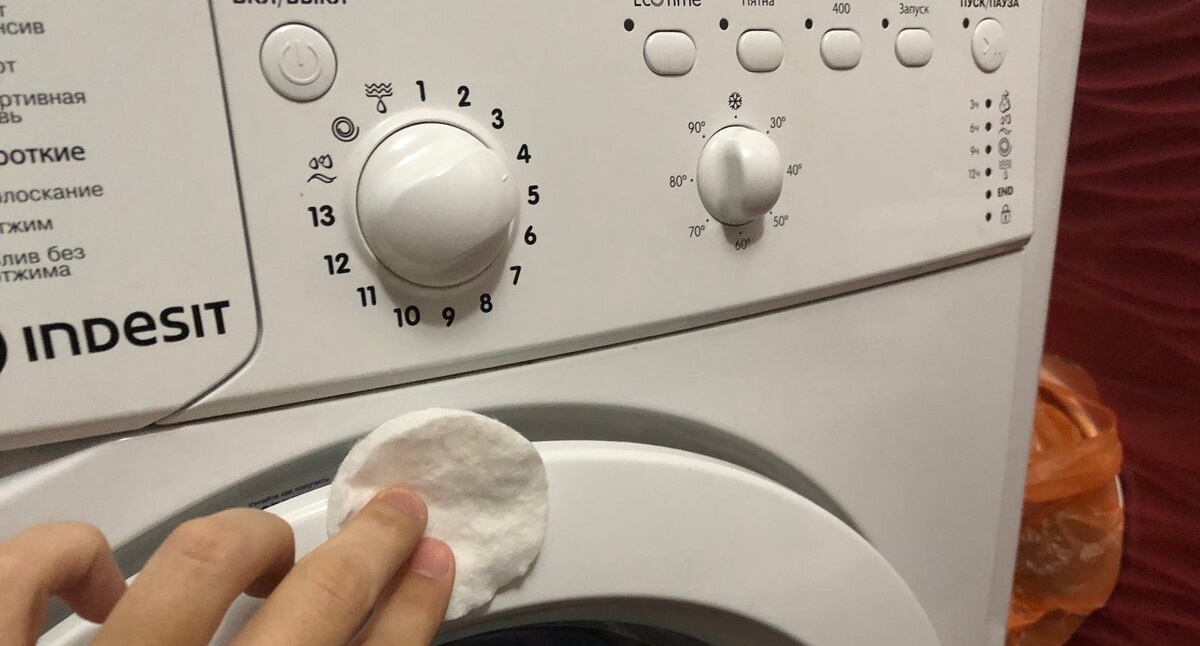
wet a cloth with the product;
We wipe all the yellowed areas of the body.
A single cleaning isn't enough—repeat the procedure at least 3-5 times. If the yellowness persists, increase the solution by adding a teaspoon of hair bleach to a liter of water and a teaspoon of hydrogen peroxide. Apply the resulting solution to the surface and evaluate the results. Gloves are a must!
Other household chemicals
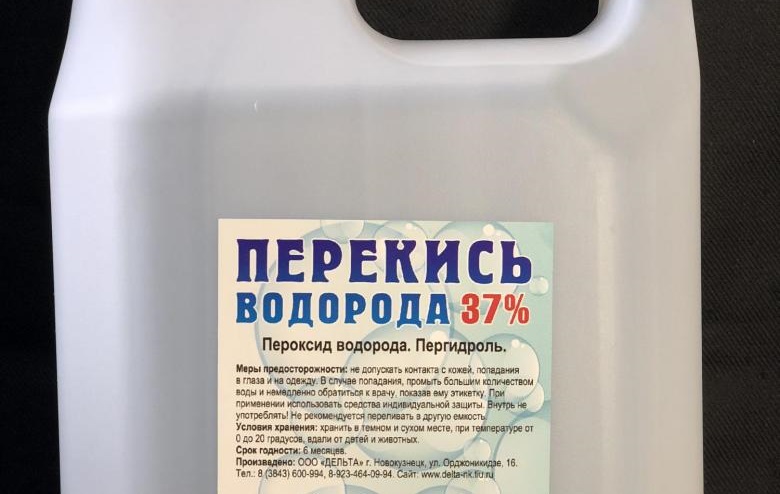
Perhydrol, a hydrogen peroxide with a concentration of 30% or higher, has proven effective at removing yellowing. It's available in pharmacies as tablets or a ready-to-use solution. For the former, dilute it with water first, according to the instructions, while for the latter, you can begin cleaning immediately. In either case, remember safety precautions: work in a ventilated area, wear gloves, and avoid contact with eyes and mucous membranes. It's easy to use: just soak a sponge in the solution, apply it to the stain, and rinse with water.
Perhydrol must not be heated – the liquid is explosive and toxic!
Hydrogen peroxide can be strengthened by adding bleach or stain remover to two tablespoons of 30% hydrogen peroxide per liter of water. The cleaning process is the same: apply to a cloth, then apply to the affected areas of the plastic, rinse, and dry. Just remember to take safety precautions and wear thick rubber gloves.
Acetone is a very effective cleaner, but it is harmful to some plastics. It is better to first test the reaction on an inconspicuous area of the body, and if everything works out, proceed to a comprehensive cleaning. We work vigorously, working from top to bottom, and then rinse. Safety is also important here: protective goggles, ventilation, and thick gloves.
Factory-made drugs
Instead of risking alkalis and acids, opt for a safer alternative: industrial plastic cleaners. These come in pastes, creams, foams, and sprays, promising both high-quality cleaning and subsequent surface protection. Some products can even create a thin protective film on the case that repels dust and water.
Expensive compounds have a polishing effect, removing minor scratches, roughness, and unevenness. It's important to read the instructions carefully before use. They specify the correct dosage and cleaning instructions.

 Over time, a white washing machine can turn yellow due to high humidity, temperature fluctuations, irregular cleaning, and low-quality materials. If the machine is built-in and hidden behind a cabinet, this isn't a problem; with freestanding machines, cleaning is essential. We'll explain how to whiten yellowed plastic on a washing machine and how safe it is. We'll describe the best methods.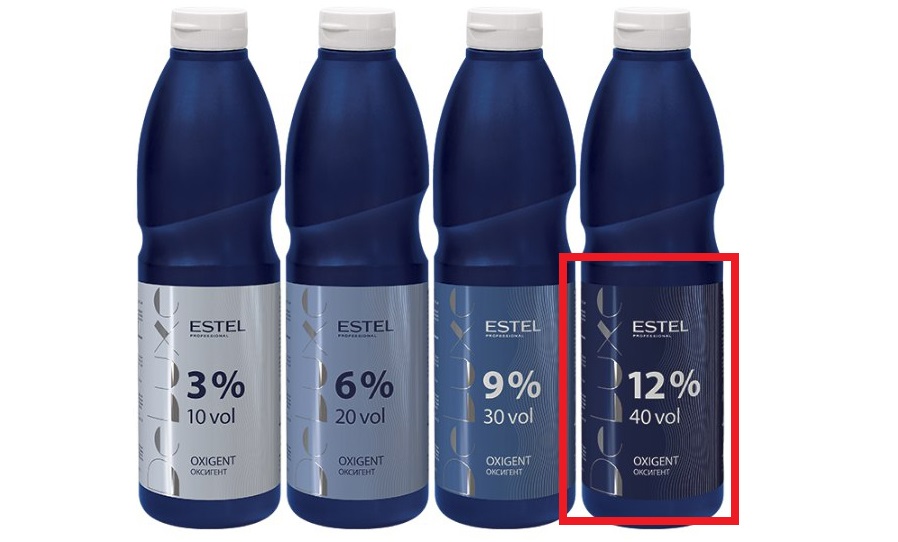















Add a comment