
Bleaching bed linen in an automatic washing machine
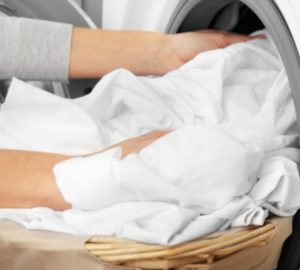 Bedding needs to be washed quite frequently. While the appearance of a set may remain unchanged after 5-10 washes, the crisp white sheets eventually fade and take on a gray tint. Even high-quality, expensive fabrics are susceptible to this "washout" effect. To restore sparkling clean sheets, homemakers resort to a few tricks. We'll show you how to easily whiten bedding in the washing machine and what products can help combat the grayness of your set.
Cheap household chemicals will help
White bedding looks chic, but in real life it's quite impractical. It gets dirty quite quickly, and even the smallest stains are clearly visible. Furthermore, after a dozen washes, the linens take on a gray tint.
Don't give up on a grayed-out set. Restoring its whiteness is easy at home. You can buy special household chemicals for bleaching at the store or resort to inexpensive “folk” remedies. We'll tell you which methods are considered the most effective and what you'll need in the process.
- Boric acid. Sachets are available at any pharmacy. For maximum effect, soak the set in the washing machine. Almost all modern washing machines have this feature. Place the bedding in the drum, add two tablespoons of boric acid powder, and select the "Pre-Soak" mode. Then, run the wash cycle at 60°C. It's a good idea to select the "Extra Rinse" cycle to ensure the substance is completely washed out of the fabric.
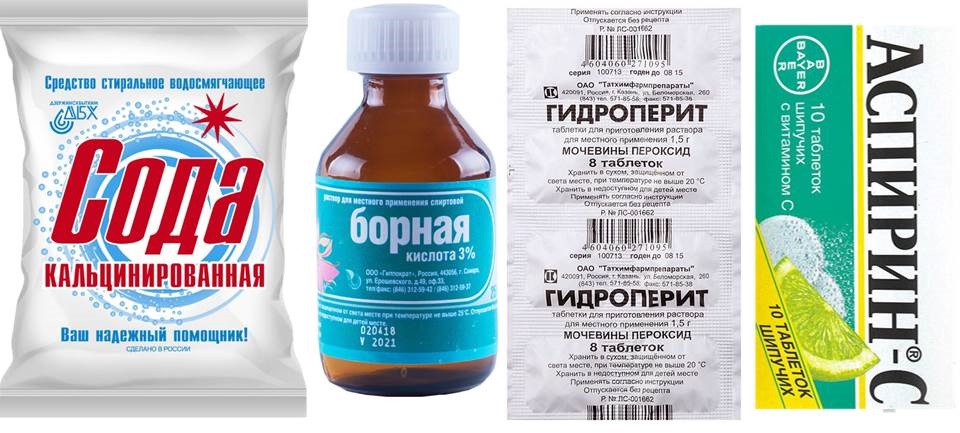
- Baking soda is a multi-purpose product. It will refresh sheets, duvet covers, and pillowcases, and also clean the inside of your washing machine of dirt and limescale. It's easy to use: pour 100 grams of sodium bicarbonate into the dispenser along with your usual laundry detergent. Run the "Cotton" cycle, heating the water to 60°C. This bleaching method is completely safe, so it can even be used to refresh children's sets. Your laundry will be as good as new when you take it out of the drum.
You can find special washing soda in stores; it's more expensive than baking soda, but they work on the same principle.
- Hydroperite tablets. An antiseptic consisting of a combination of hydrogen peroxide and urea. Two tablets are placed in the drum along with a set of laundry, laundry detergent is added to the dispenser, and the cycle is started. Choose a long program with water heated to 60°C. It's best to use the "Extra Rinse" function to ensure the substance is completely washed out of the bedding.
- Aspirin. This medication is found in almost every medicine cabinet. Crush 10 tablets and throw the resulting powder into the washing machine along with your sheets and pillowcases. Then, set the cycle appropriate for your fabric type.
If you don't want to bleach your bedding, but want to add a little brightness, you can use blueing. Dilute the solution with water in a 1:1 ratio. Pour the resulting solution into the fabric softener compartment and run the washing machine on the desired setting. At the end of the cycle, your bedding will acquire a beautiful, soft blue hue.
Let's create a white effect
Chlorine bleaches are quite harsh on fabrics. Of course, even after a single use, your bed linens will remain sparkling white. But the downside is that they will become thinner, the fibers will become more brittle, and the weave will weaken. To prevent this, it's best to choose household chemicals that are safe for the fabric.
You can safely refresh your bed linen set using optical brightener.
The ingredients in these bleaches reflect light. They contain dyes that don't wash out during rinsing, but remain in the fabric fibers. When sunlight hits sheets or duvet covers, it reflects a pleasant blue hue, leaving your laundry looking sparkling and snow-white.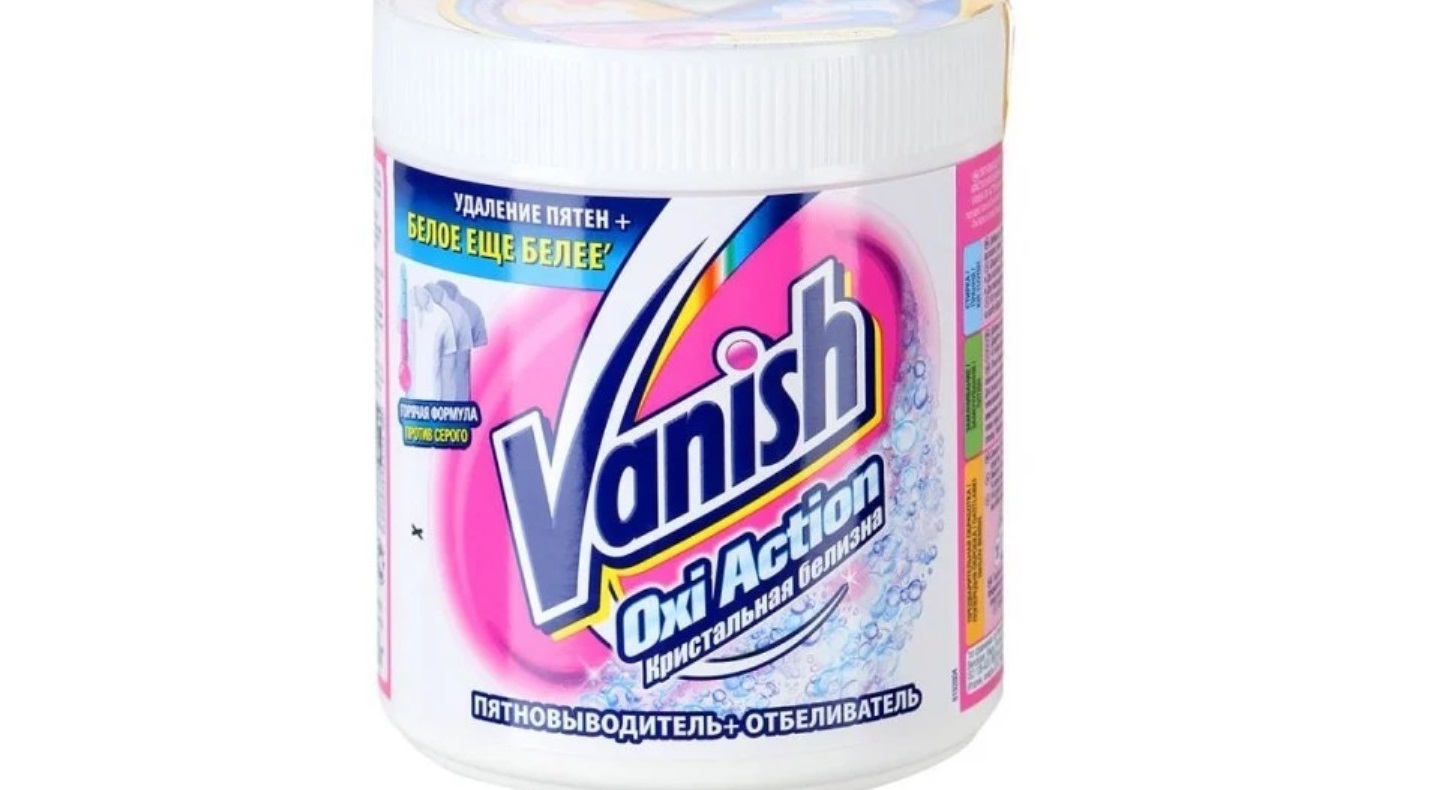
The main drawback of optical brighteners is their potential to cause allergic reactions. Therefore, it is not recommended to use this product on children's clothing or on the underwear of adults prone to allergies.
The power of oxygen
There is another way to restore the whiteness of a greyed-out bed linen set at home. Oxygen bleaches are effective, safe, do not cause allergic reactions, and are suitable for cotton, synthetics, and delicate fabrics.. Available in two forms: liquid and powder.
Oxygen bleaches are made from carbonate or carbonate peroxyhydrate. During the cycle, the active ingredient breaks down into sodium carbonate, which has a bleaching effect, and hydrogen peroxide, which releases oxygen. By saturating the water with bubbles, stains are much more effectively washed out of fabric fibers.
Today, housewives prefer the following bleaches with active oxygen:
- Eco-Way Oxygen;
- Sarma Active;
- LionClean Plus;
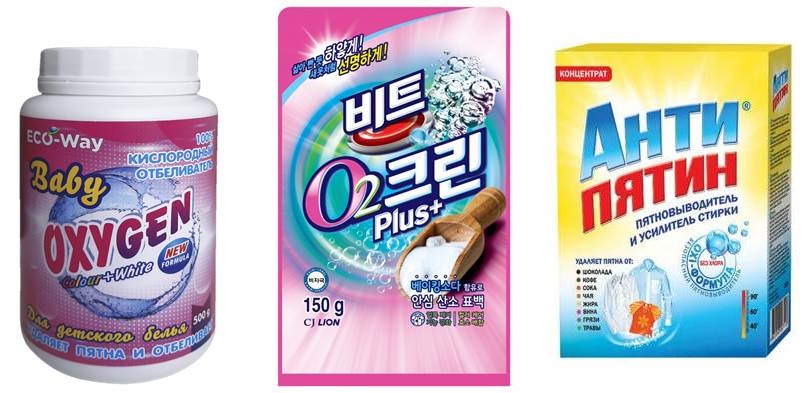
- Antipyatin Oxi-formula;
- SpivakЪ;
- Vanish Oxy;
- Greenfield Oxy Crystal;
- Persol Extra.
The main advantages of oxygen bleach:
- does not harm delicate fabrics;
- works even in lukewarm water;
- removes old, ingrained dirt;
- rinses out completely;
- extremely rarely causes allergic reactions.
As for the downsides, it's quite expensive and requires a fair amount of cleaning. However, oxygen bleaches can be found in affordable packages. For example, Antipyatin with active oxygen costs around $0.65, while Persol costs only $0.30.
Let's bleach it with a machine
Almost all modern automatic washing machines are equipped with an additional bleach compartment. Therefore, refreshing your bedding in the washing machine is easy. The procedure is as follows:
- Sort the laundry, dividing it into batches by fabric type and color;
- Pour laundry detergent and bleach into the detergent drawer, placing them in the appropriate compartments. Follow the dosage instructions carefully.
- plug the machine into the power supply;
- select a washing program according to the fabric type;
- start the cycle.
If your washing machine doesn't have a separate bleach compartment, you'll have to do this manually. After the main wash, remove the laundry from the drum, add oxygen bleach to the basin according to the instructions, and soak the kit in the solution.
When choosing a bleach, pay attention to the temperature at which it begins to work. For example, good products with active oxygen are activated at 40°C, while some manufacturers recommend washing at 60°C.
Let's restore whiteness to your laundry the traditional way
There are several other methods you can use at home to refresh your sheets, pillowcases, and duvet covers. If you don't have any special bleach on hand, don't worry. You can restore the whiteness of your bed linen set using ordinary hydrogen peroxide, potassium permanganate, mustard, ammonia, vinegar, and even laundry soap. Let's look at each method in more detail.
- Hydrogen peroxide. How does it work? Fill a deep basin or bathtub with 20 liters of water at least 40°C. Add 330 ml of the solution and soak the bedding in the solution for 2 hours. Stir the bedding every 15-20 minutes to ensure even cleaning. Then, fill a large saucepan or enamel bucket with clean water, add some bleaching detergent, and add the sheets and pillowcases. Place the container on the stove and simmer for an hour. After the solution has boiled, rinse the bedding and dry it as usual.
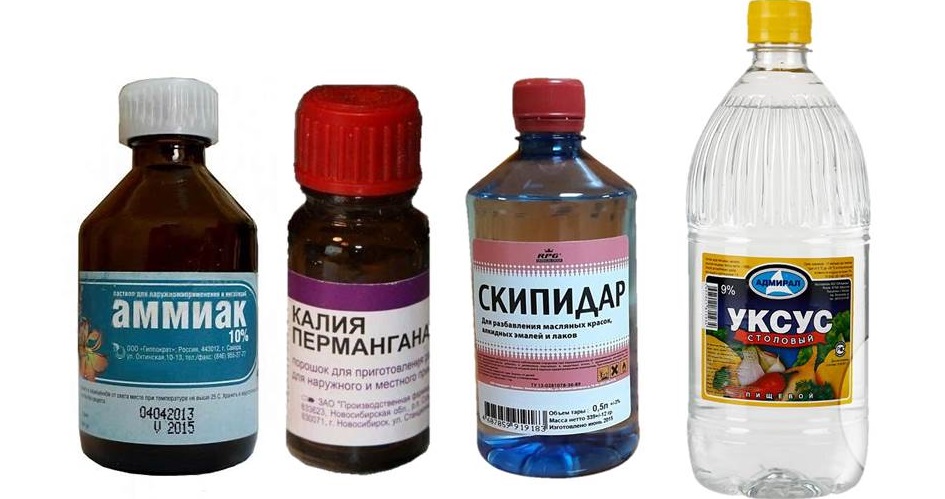
- Potassium permanganate. Because of the color of potassium permanganate, these crystals may seem incongruous with bleaching. In reality, it's a very effective remedy. First, wash your linens as usual. Then, pour warm water into a basin and add potassium permanganate. The liquid should turn a bright pink. Soak your bedding in the prepared solution for 6 hours. Afterward, rinse and dry the set several times. This method will not only leave your pillowcases sparkling clean, but will also completely treat the fabric with antimicrobial agents.
- Bleach. This is a very inexpensive product, sold in virtually every hardware store. This bleaching method was used by our great-grandmothers, and it remains popular today. A chlorine-containing solution is suitable for heavy cotton, but delicate fabrics may be damaged after treatment. When using bleach, observe all personal protective measures—wear gloves when washing, and make sure the room is well-ventilated. The method is simple: dilute bleach in warm water at a ratio of one teaspoon per 6 liters. Immerse the linen in the solution and let it sit for 2-3 hours. Then rinse the linen several times and hang it to dry on the balcony.
It is important to use chlorine-containing compounds very carefully to avoid damaging the fabric.
- Ammonia and turpentine. This mixture is suitable for washing cotton or linen. Dissolve 30 ml of ammonia and three tablespoons of turpentine in thirty liters of warm water. Soak the bedding set in the resulting solution for 2-3 hours. Then wash the sheets and pillowcases with your regular detergent.
- Vinegar. It also has a bleaching effect. To make a working solution, dissolve 150 ml of acetic acid, 30 grams of fine salt, and 20 ml of hydrogen peroxide in a basin of warm water. Soak the bedding in this solution for a couple of hours. Then rinse the fabric thoroughly.
- Mustard. Add 50 grams of mustard powder to a liter of warm water and let it steep for 30 minutes. Then strain the liquid through cheesecloth and pour the homemade bleach into the basin with the soaked sheets. Wait a couple of hours, then wash the set and dry.
- Vegetable oil. This method is quite labor-intensive, but the results will surprise any homemaker. Add 100 grams of oil, laundry detergent, and bleach at the manufacturer's recommended dosage to a large enamel saucepan filled with water. Place the pan on the stove, immerse the sheets and pillowcases, and bring the solution to a boil. Then, reduce the heat and simmer the bedding, covered, for 1.5 hours. Finally, wash as usual.
- Laundry soap can also help restore whiteness to fabric. Grate a bar of soap, dissolve 150 grams of soap shavings in the liquid, then add 150 grams of baking soda and the same amount of borax. Pour this solution into a container of hot water, submerge the bedding, and leave it overnight to soak. Rinse the set thoroughly in the morning.
Restoring the color of grayed bed linens yourself is easy. There are plenty of methods; you just need to choose your favorite one and get started. Hand washing isn't necessary; there are many methods for bleaching fabric in a washing machine.
Interesting:

Readers' comments
Headings
Washing machine repair




For buyers




For users


Dishwasher




Add a comment