
Do I need a separate outlet for my washing machine?
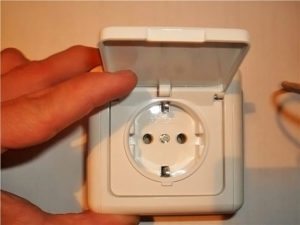 Proper installation of a newly purchased washing machine, as well as its proper connection to all utilities, is essential for its long, trouble-free operation. The connection to the water, sewer, and power lines must be reliable, so it's crucial to pay close attention to this process. In this article, we'll answer a common question: does a washing machine need a separate outlet or can it use a multiple-outlet outlet?
Will a "regular outlet" do?
One of the most frequently asked questions about connecting a washing machine to the power supply is whether to replace the standard outlet with a new one. However, there are no standard or special outlets for washing machines, so determining the need for a new outlet requires a different approach. Consider a number of factors.
- The most important thing is that the home appliance's plug must fit the outlet. This means that all holes in the outlet must match the pins on the plug, so no special adapter is needed.
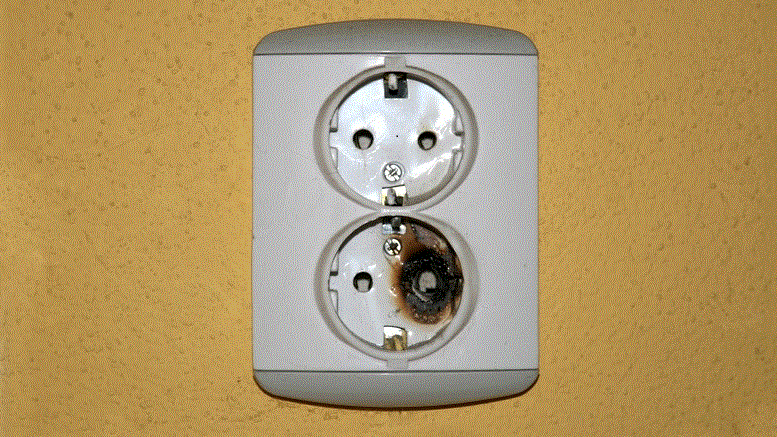
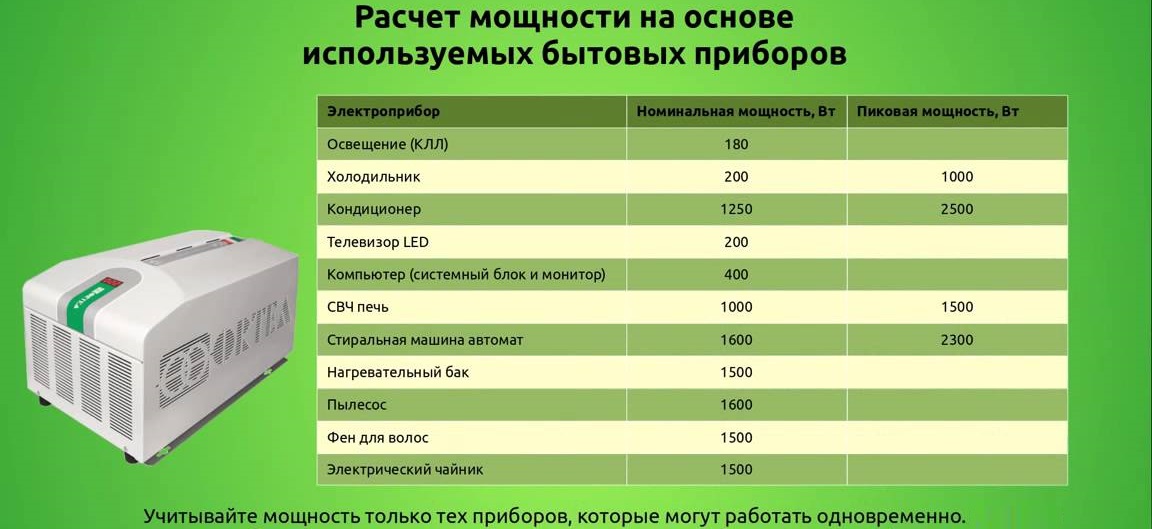
- It's also important to consider that this line may be used by other powerful electrical appliances, such as an electric kettle, microwave, meat grinder, and so on. This could place excessive strain on the wiring if a washing machine is connected to the line along with other powerful appliances.
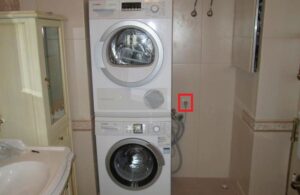
It's best to run a separate line from the electrical panel directly to the machine and install a single-slot outlet specifically for it, so as not to overload the line.
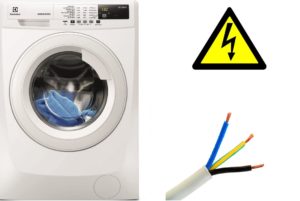
- Washing machines have a three-wire cord and a grounding plug, so the outlet, whether indoors or outdoors, must also be grounded. Therefore, if the old outlet wasn't grounded, it needs to be replaced.
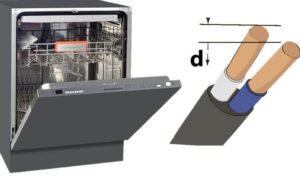
- Check the appliance's power rating in the instructions, product data sheet, or on the label on the back. This information is necessary to determine the appropriate outlet. For example, many washing machines have a power rating of 2 kilowatts, so they are typically equipped with 10-amp outlets, which can handle up to 2.2 kilowatts. If the appliance's power rating is higher, it's better to purchase a 16-amp outlet with a three-core copper wire and a cross-section of 2.5 square meters.
These are the main parameters that determine whether to install a new outlet or not. Humidity can be considered as a secondary parameter; if the appliance is to be installed in the bathroom, it would be better to install a socket there with a moisture-proof housing, a cover, and curtains.
Selecting the right wire
A separate outlet for the washing machine will be necessary if the electrical wiring is not calculated to withstand the heavy load from the washing machine. To understand this in advance, it's necessary to carefully calculate the cable cross-section. When installing a new electrical line, specialists are required to use only intact, defect-free wire, meticulously wrapping all joints with electrical tape.
There is also a requirement that junction boxes for connecting electrical appliances are not allowed in bathrooms. Such boxes must be installed outside the bathroom and any other wet areas.
To determine the cable cross-section, specialists perform the following steps: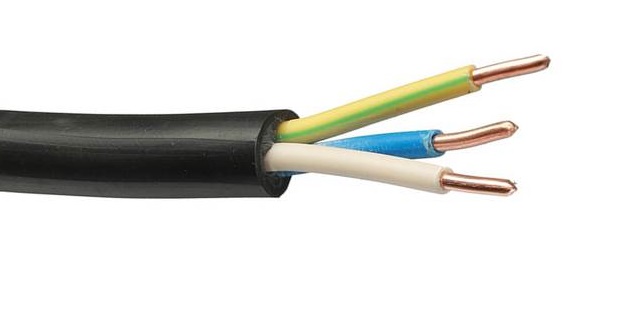
- First, you need to determine the power of the household appliance that will be connected. Typically, a washing machine's power is less than 3 kilowatts;
- Having received the exact figure, you can select the cable cross-section using reference tables;
- When connecting a power strip, you need to roughly estimate the maximum total power of all electrical devices connected to it simultaneously. This will help determine the permissible cable cross-section.
Experts advise always leaving a power reserve, even if your washing machine doesn't require a lot of kilowatts. This will help avoid having to replace outlets in the future when it's time to replace the washing machine or connect a more powerful device.
Once the cross-section has been selected, installation can begin. Experts recommend using only copper wires for this type of work. They have superior electrical conductivity compared to aluminum wires.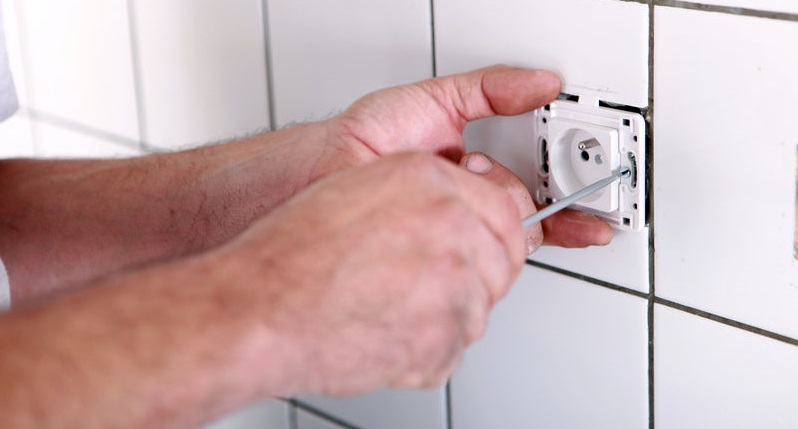
For example, a copper wire with a smaller cross-section can handle more voltage – as much as 2 kilowatts of load per 1 millimeter of cross-section. Because of this, copper wire takes up half the space in the grooves and will also last longer – about 30 years, according to the service life and claims of oxidation resistance.
Protect the socket with a circuit breaker
The wire that runs the dedicated washing machine line to the bathroom or other wet room must be connected to the in-house distribution board using a residual current device (RCD).
The bathroom is considered a room with a high degree of danger.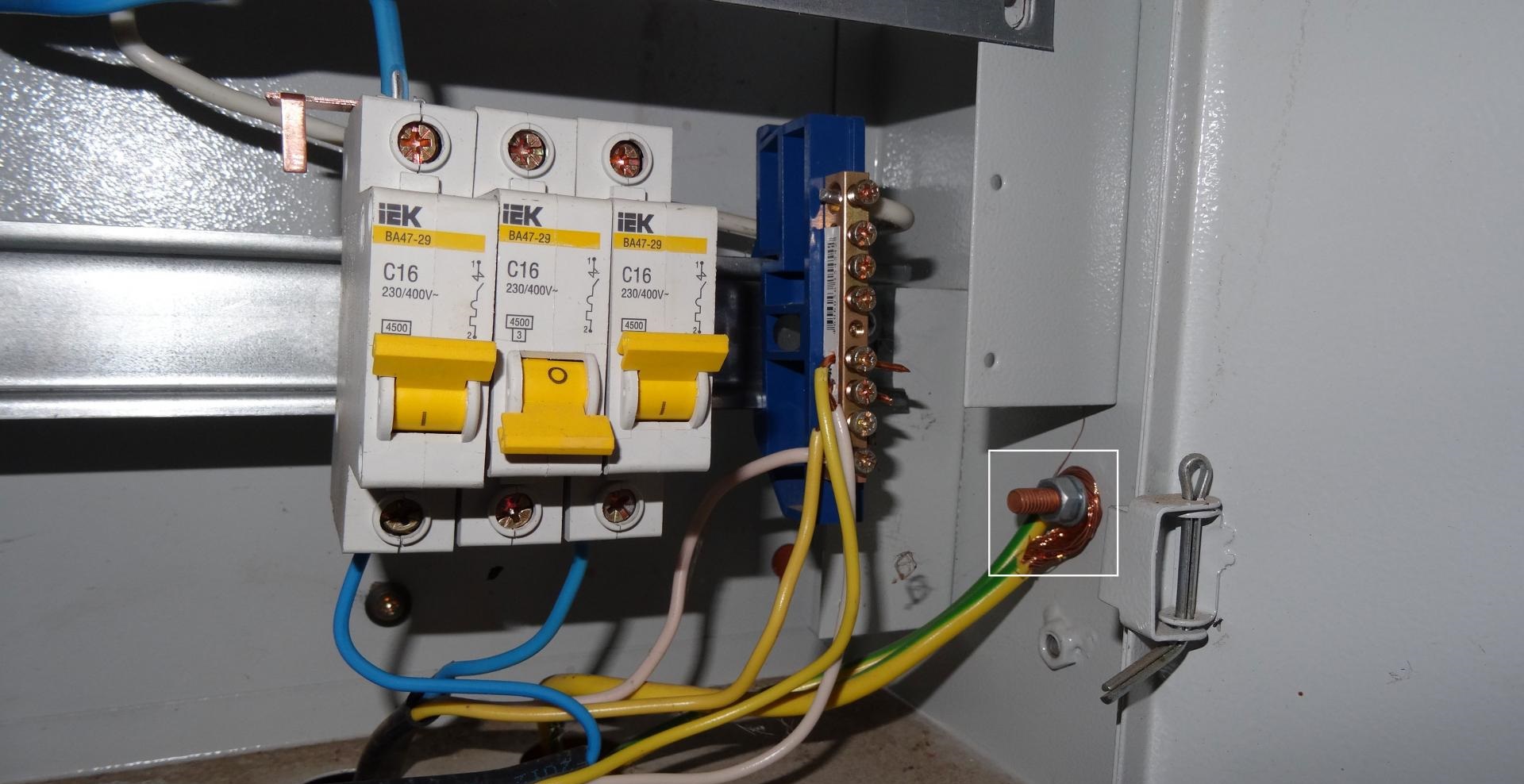 and due to high humidity, the leakage current of the protective device for connecting the lines must be 10 milliamps or more.
A person can feel the negative impact of alternating current already at values of 5-7 milliamps, which is why it is so important to connect an RCD in the bathroom and other damp rooms.
If you don't have a separate outlet for the washing machine, and therefore have a shared power line in the bathroom, the leakage current for that line should be 30 milliamps. The downside is that this type of protection may be cheaper than the 10 milliamps, but it takes longer to trigger.
For private homes and apartments, models are typically purchased that also include a circuit breaker—a residual-current circuit breaker—to protect the wiring. These devices can protect against network overloads, exceeding permissible leakage current levels, and short circuits.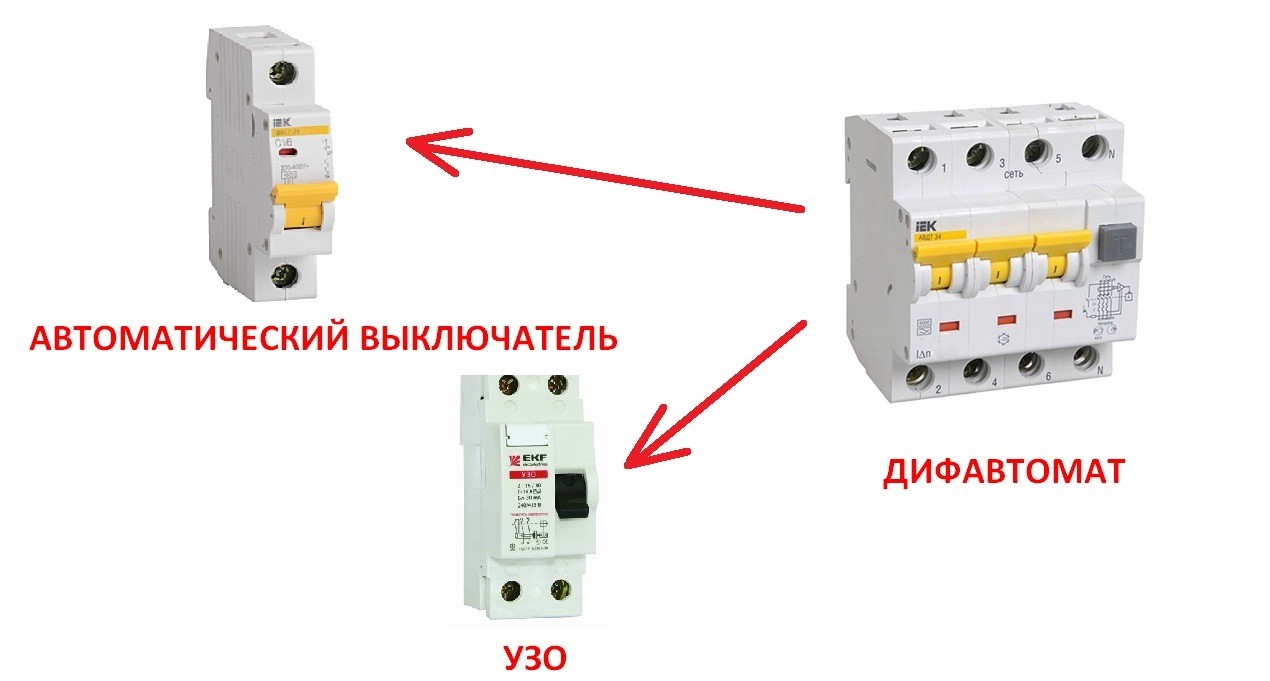
If an apartment building doesn't have a permanently installed circuit breaker in the distribution board, a portable RCD will have to be installed. This device should be connected to an existing outlet, and then the washing machine should be connected.
It's important to remember that a residual-current device (RCD) isn't a panacea for preventing damaged wiring or a short-circuited washing machine. For complete protection, you should purchase a separate residual-current device (RCD). A 16-amp device is usually suitable for this purpose. However, if your home's input circuit breaker has a rated current higher than 16 amps, the rated current of the RCD should also be higher.
Interesting:

Readers' comments
Headings
Washing machine repair




For buyers




For users


Dishwasher




Add a comment