
Should I spin my clothes before putting them in the dryer?
 Should you spin your laundry before putting it in the dryer? Every homemaker has probably asked themselves this question at least once. How wet can clothes get before putting them in the dryer?
It's obvious that you shouldn't put dripping laundry in the dryer drum. And there's a perfectly logical explanation for this. Let's look at how very wet items can damage the dryer and ruin the drying experience.
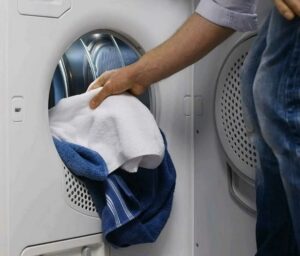
Place slightly damp items in the dryer.
As already mentioned, it is not recommended to load dripping items into the dryer. Drying very wet laundry will take much longer. During the standard cycle the fabric will not dry and the program will have to be repeated twice.
If your washing machine has a residual moisture sensor, it will automatically extend the cycle. Drying can last 5 or 7 hours. Even if you don't mind the time, consider how much energy the appliance will waste. This can be avoided by manually spinning your clothes first.
What other nuances are there? If you load the dryer with very wet laundry, the heating element will operate under increased load. It's no big deal if this happens once, or even 15 times. However, if this happens repeatedly, the heating element will fail much faster. You'll have to either replace the element or buy a new "home helper."
Items placed in the dryer should be damp, but not so damp that water drips off them.
However, it's not a good idea to be overly fanatical about this issue. Some housewives regularly use a spin cycle of 1400-1600 rpm. Of course, they end up with slightly damp items, which then dry very quickly in the machine. But what happens to clothes subjected to such intense treatment?
Items that are constantly subjected to increased mechanical stress lose their appearance faster. Those who use high-speed spin cycles tend to update their wardrobes more frequently. After just 5-7 spin cycles, clothes can be damaged.
Therefore, when washing and drying clothes, it is necessary to maintain a “golden mean”. It is recommended to spin items at 800-1000 rpm and then place them in the dryer. For delicate fabrics, 600 rpm is sufficient. This is optimal – the clothes won't be too wet to dry, while also minimizing the negative mechanical impact on the fabric.
If you're hand washing your items, it's still recommended to spin them before loading them into the dryer. All modern washing machines have a dedicated "Spin" setting. Alternatively, you can shake out excess moisture.
Avoid high-speed spin cycles at 1400-1600 rpm, even for very heavy fabrics. This is harmful not only to your clothes but also to the washing machine itself. The motor and other mechanisms will be under maximum load. A one-time intensive spin cycle is fine, but the less often, the better.
Preparing laundry for drying
One of the steps in washing and drying is sorting items. It's necessary to separate the laundry into batches based on specific criteria. The first is color. Light/dark/colored clothes are dried separately.
It's important to follow this rule if you don't want to ruin your favorite blouse or shirt. If you put dark and light colors in the dryer, the latter may take on an unsightly hue. Therefore, it's essential to maintain color cohesion. What other criteria are used for sorting?
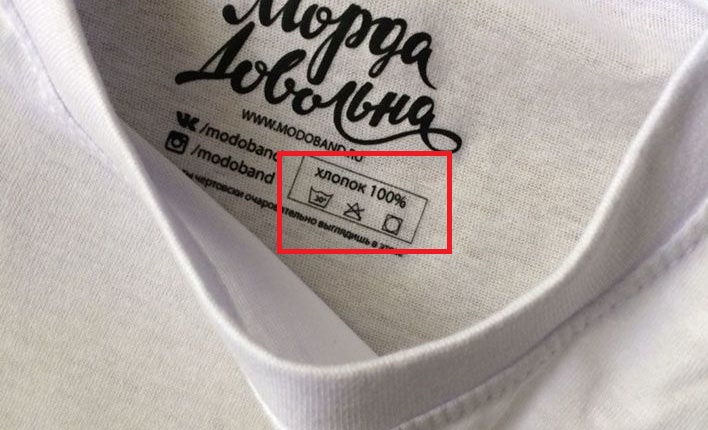
- Fabric composition. It's crucial to dry heavy and light fabrics separately. Drying time depends on this. If you load them together, some items will remain damp, while others will become overheated. The recommended drying temperature for cotton is 60 degrees Celsius, while for wool, it's 30 degrees Celsius. This is important to consider.
- Seam strength. Items with light stitching may unravel when rubbed against heavy jeans. Therefore, these items should also be dried separately.
- Size of items. It's best to load both small and large items into the drum. This will prevent clumping and ensure thorough drying.
- Type of items. For example, outerwear and regular T-shirts are dried separately. Items with padding dry more slowly.
Sorting is an essential step. It determines the outcome of the entire process. By properly separating items by color, material density, and type, you can achieve the most efficient and high-quality drying.
In addition to sorting, it is necessary:
- Make sure there are no unnecessary items in your pockets: receipts, bank cards, keys, etc. You need to remove all small items that could get inside the dryer and clog the filters or damage other clothes;
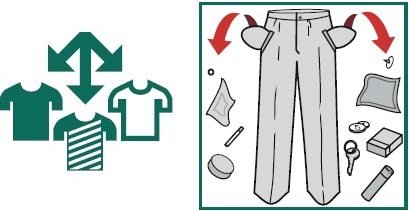
- Fasten zippers, buttons, and snaps on items. If you're loading bras, be sure to secure the hooks. This is necessary to avoid snagging other underwear.
- Turn the garment inside out to prevent decorative elements from touching the front of other items;
- Shake and straighten the laundry before loading it into the dryer to prevent creasing;
- wring out clothes that are too wet (from which water is dripping);
- Place the items evenly in the drum, alternating small and large items.
A specific drying mode is selected for each sorted "batch." Modern machines have several programs. If the dryer has a residual moisture sensor, it will automatically determine the optimal cycle time.
Use these life hacks when using a tumble dryer
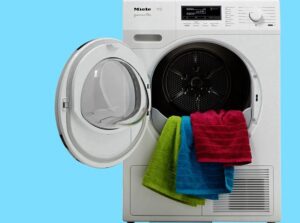
Today, tumble dryers are as indispensable in the home as washing machines. It's much more convenient to dry clothes immediately without cluttering the balcony with wet laundry. Using a tumble dryer is much easier than it might seem at first glance. All operating instructions are provided in the equipment's manual.
When planning your dryer purchase, consider your washing machine's load capacity. This is crucial. Ideally, all your laundry should fit in the dryer drum.
It is better to buy a dryer with a permissible load weight of 2-3 kilograms more than that of a washing machine.
A washing machine's maximum load is determined by the weight of the dry laundry. So, a 6 kg load of laundry may weigh 7-8 kg after washing. Therefore, a dryer drum should be larger. This will allow you to dry the entire load at once.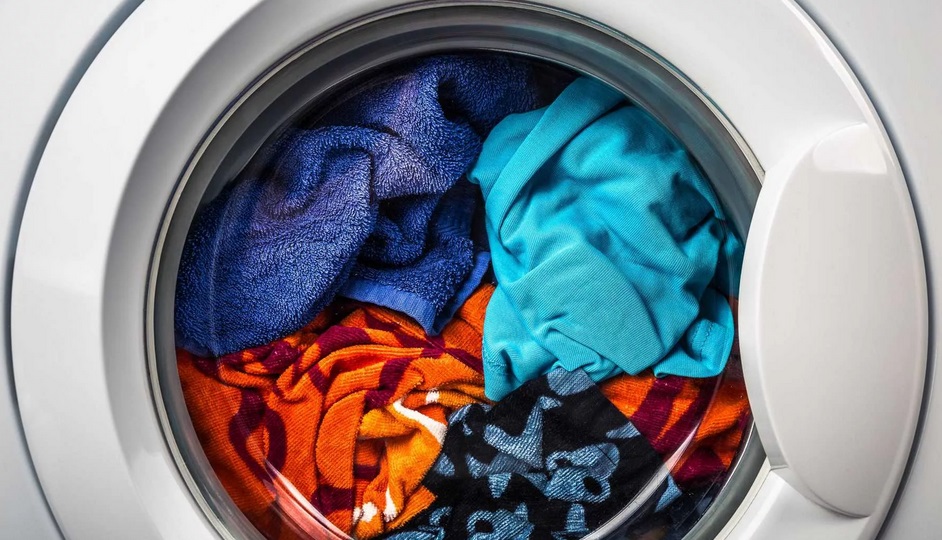
What other recommendations should you consider when using your tumble dryer? Let's look at the main ones.
- It's best to clean the lint filter after each use. If it remains clogged, air circulation inside the machine will be disrupted. This means less effective drying and clothes may develop an unpleasant odor.
- You can add special dryer balls to the washing machine drum along with your laundry. They will agitate the items and absorb excess moisture. Clothes will dry much faster and become softer. Fragrance balls are also available, which impart a pleasant scent to fabrics.
- Always spin clothes before placing them in the dryer. Avoid loading dripping clothes into the drum. This is harmful to the dryer itself, and will also take much longer to complete the cycle.
- Many modern dryers have a "Steam" option. When drying children's clothes or items for allergy sufferers, it's best to use this feature. It removes up to 99% of bacteria and allergens from items. It also removes detergent residue from the fabric fibers.
- You can use a special fabric softener sheet. It will impart a delicate scent and have an anti-static effect. Your clothes will feel softer and more pleasant to the touch.
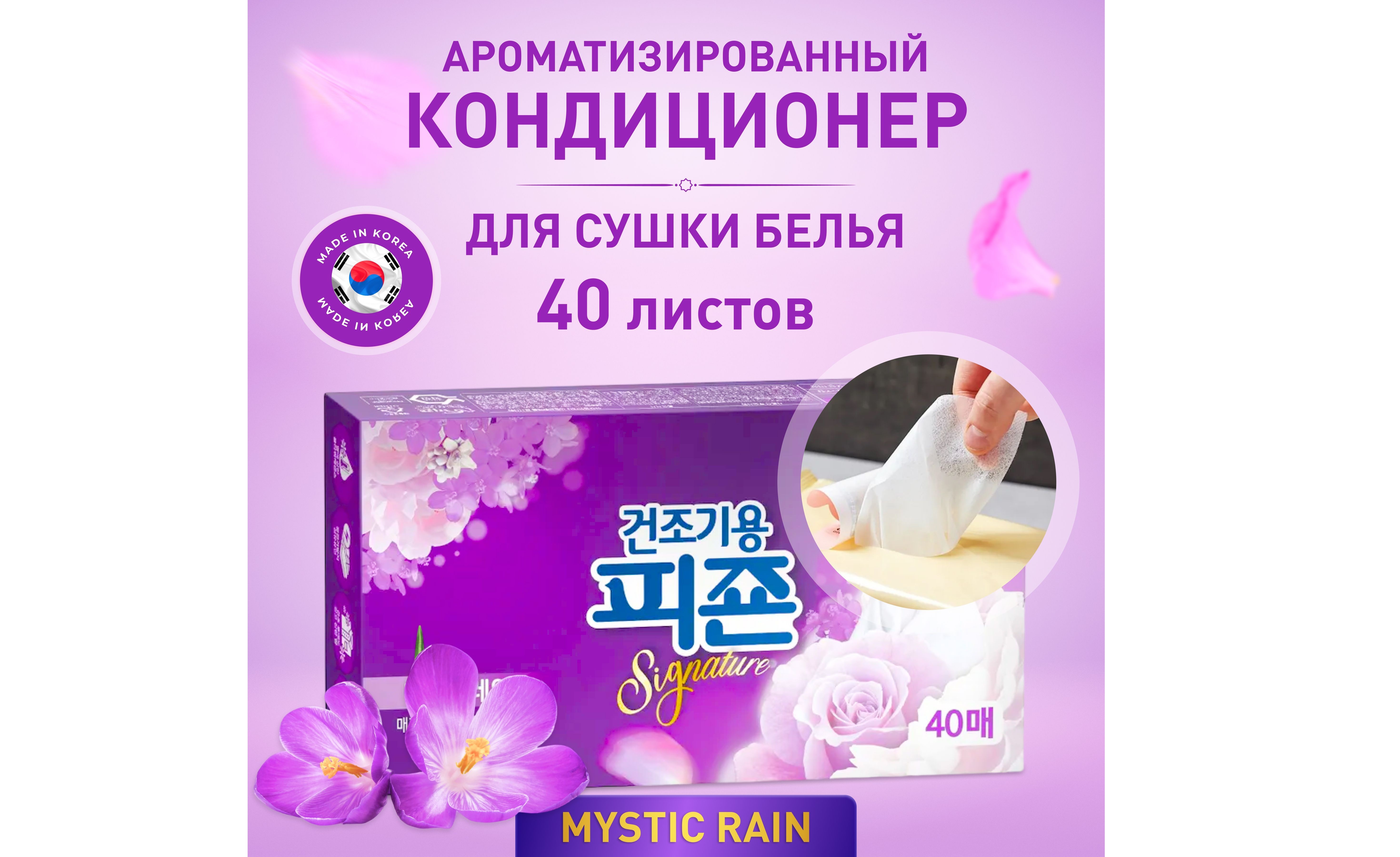
- Avoid using scented dryer sheets when drying sportswear. This can impair the fabric's breathability. The dryer sheet's anti-static properties will impair moisture wicking, and the garment's shape will be compromised.
- A useful life hack for adding a pleasant scent to your laundry is to place a cloth with a few drops of your favorite essential oil onto it in the dryer drum along with your laundry.
When not in use, the dryer should be left slightly open. This will prevent mold from forming inside the unit. Also, don't forget about basic cleaning. This applies not only to the filters but also to the inside of the drum—wipe it with a damp cloth to remove lint, threads, and other debris.
Interesting:

Readers' comments
Headings
Washing machine repair




For buyers




For users


Dishwasher




Add a comment