
Can you spin wool items in a washing machine?
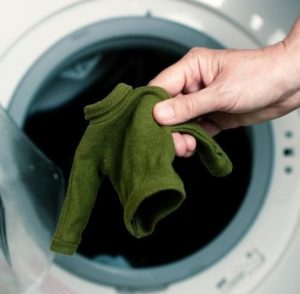 Everyone knows that wool is difficult to care for and requires the most delicate washing possible. The higher the percentage of natural wool, the lower the water temperature, and the more gentle the cleaning process. But the question of whether it's safe to spin-dry wool remains open—some say yes, others say no, and still others insist on "sometimes." Let's figure out who's right and the safest way to spin-dry knitted sweaters, hats, and cardigans.
Is automatic spinning acceptable?
Everyone agrees that high-speed spinning is harmful to woolen items, causing deformation and knitting problems. Opinions differ further: some insist that 800 rpm is the maximum for wool, and no higher. Housewives set the optimal setting at 400, claiming that it removes moisture from the fibers without damaging the sweater or hat.
However, wool manufacturers have a different opinion: washing wool in a washing machine and by hand should exclude wringing and twisting. Even spinning in a drum at up to 400 rpm can be destructive to natural materials. Water-saturated fibers are very fragile and easily damaged by even minimal friction. The faster the washing machine spins, the higher the risk of damaging the sweater. The catch is that the damage will only become apparent after 3-4 washes, so the homeowner will be confident in their chosen strategy for a long time.
Woolen items should not be wrung out – the spin intensity must be set to “0”.
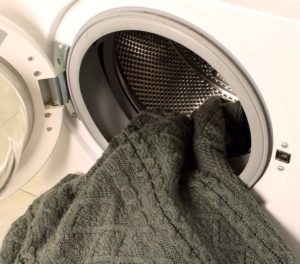
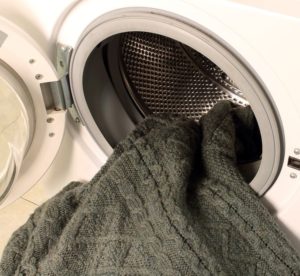
If your garment is precious and beloved, it's best to skip the spin cycle. It's much safer to leave the item in the drum after rinsing, let the water drain freely, and then remove the sweater from the washing machine, transfer it to a basin or bathtub, and gently wring it out by hand. This will ensure the garment lasts a long time without losing its original appearance, warmth, and softness.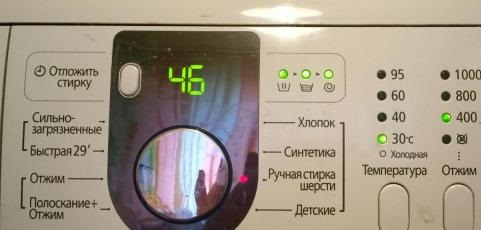
A few more prohibitions
The ban on spinning wool is not absolute—manufacturers often deviate from the general rule, offering relaxed care instructions. Therefore, it's important to carefully read the sewn-on care label before washing and check the recommended cleaning instructions. However, these restrictions are rarely lifted, as all natural woolen materials are delicate and require careful handling.
In addition to the prohibition on high-speed spinning, woolen items are subject to other "no" restrictions. These include:
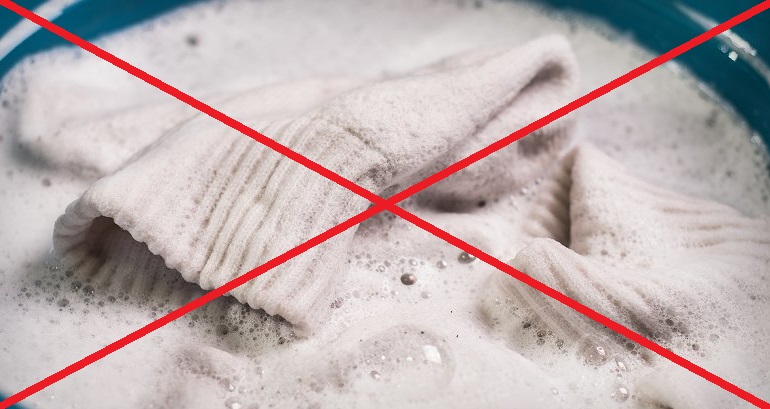
- You cannot soak sweaters and hats, as the fibers stretch when in prolonged contact with water;
- It is forbidden to wash wool with other types of fabric, especially contrasting colors (firstly, the clothes will fade, and secondly, they will become covered in lint);
- It is strongly recommended not to use bleaches, as aggressive substances will ruin the knitting, even leading to wear and tear of the material;
- It is prohibited to wash without a protective bag, which reduces friction of the material against the metal of the drum;
- temperature fluctuations should not be allowed, as sudden changes in temperature will damage the wool;
- It is not recommended to immediately remove woolen items from the machine - you need to let the water drain freely;
- You cannot put items into the drum that are not turned inside out (the front side will rub and become covered in pilling and snags).
There are also plenty of "don'ts" regarding drying. For example, knitted items should not be hung, dried on radiators, or exposed to direct UV light. This will ruin the sweater, leaving it stiff, rigid, and discolored. It's better to lay the washed items flat, wrapped in a dry terry towel.
Helpful tips from experts
If washing wool in a washing machine is unsuccessful, this is not a reason to part with it forever. There are several helpful tips that can help you restore your item to its original softness, size, and color. So, potato broth will help soften a sweater that's become rough after a machine gun. What should you do?
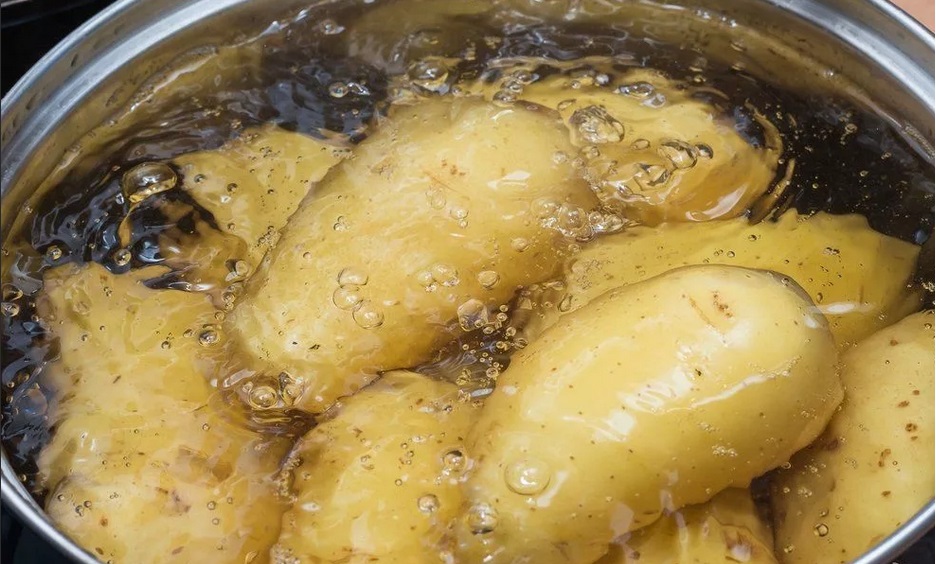
- Peel and wash 1 kg of potatoes with a brush.
- Throw the potatoes into a 10-liter bucket of water and put it on the fire.
- After boiling, drain the water and cool to 45 degrees.
- Place the rough sweater into the cooled broth and rinse;
- Dry naturally at room temperature in a horizontal position;
- Comb the item with a soft brush, fluffing up the pile.
It's much easier to prevent a problem than to look for solutions. Avoiding damage to your fur is easy—just follow a few simple rules:
Before washing, turn the knitted item inside out!
- remove all detachable decorations before washing;
- sew up the button holes to prevent stretching;
- limit the washing duration to 40 minutes;
- conduct a wool dye test (cut a thread, wet it and wrap it in a white napkin);
- Cashmere, angora, and mohair items should not be machine cleaned – hand or dry cleaning is recommended.
To ensure your knitted sweater remains warm and soft, it needs to be cared for properly. There are a few basic rules: do not wring, wash in cold water, hang to dry flat, and avoid exposure to UV rays.
Interesting:

Readers' comments
Headings
Washing machine repair




For buyers




For users


Dishwasher




Add a comment