
Foam started coming out of the washing machine
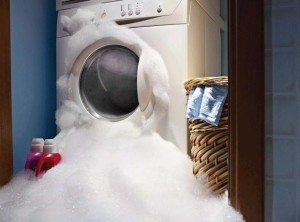 If your washing machine is producing a lot of foam, don't ignore it. Bubbles can build up all over the machine in just a few minutes, potentially damaging electronics and causing a short circuit. To prevent the worst, act immediately: unplug the machine, drain the water, remove the items from the drum, wipe away the bubbles, and run a couple of rinse cycles. The source of the problem must be identified and corrected. Step-by-step instructions are below.
Initial actions
Most modern washing machines are protected against excessive foaming—special sensors detect it and automatically stop the wash. But sometimes the system doesn't notice the foam buildup and continues to spin the drum, increasing the foaming. Then, intervention is necessary.
Foam on the dashboard may cause a short circuit!
If you notice foam leaking from a hatch or powder container, you must act immediately. First, assess the extent of the problem. If there is too much mass and it has “stuck” onto the dashboard, you should first de-energize and dry the machine, and then do the washing. In other cases, it is recommended to follow other instructions:
- pause the cycle by pressing the "Pause" button;
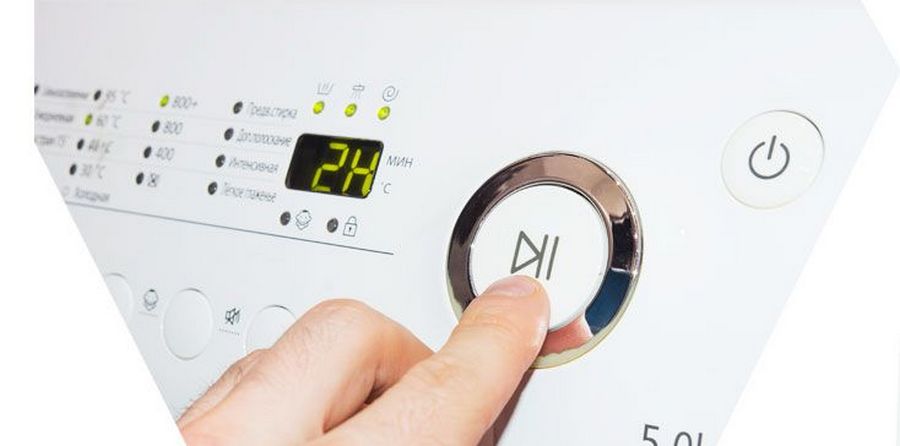
- move the programmer to the “Drain” position;
- wait until the drum is empty and the door is unlocked;
- open the hatch;
- remove items from the machine;
- wipe the foam off the machine body;
- Close the hatch and run the rinse cycle to clean the machine.
Rinse the washing machine until all the foam has drained. Then you can begin troubleshooting.
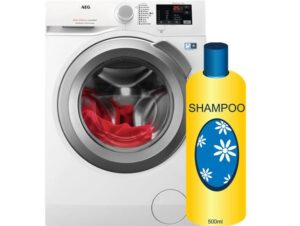
They went overboard with the product
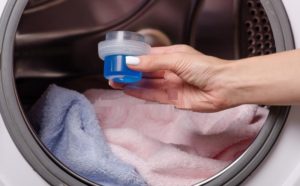
Most often, excessive foaming is caused by the detergent used. Typically, the problem lies in the quantity or quality of the detergent. Foaming occurs through the tray if:
- the concentrate is of poor quality (it does not contain enough antifoaming agents);
- The powder is intended for hand washing (it is prohibited to pour such products into the washing machine!);
- the user has exceeded the dosage of the product (if there is too much powder, there will be excessive foaming);
- The tap water is not hard enough.
Do not use detergents intended for hand washing in an automatic washing machine!
The type of items being washed also matters. Bulky and lightweight items, curtains, blankets, and down jackets generate additional foam during washing. As a result, even with a standard detergent dosage, excessive bubbles can form. To avoid this, such as soap oozing out, reduce the amount of detergent or add defoamers to the drum.
The drain hose is clogged
Foam also leaks out when there are drainage issues. The drain hose is often the culprit, as it becomes clogged with debris during the washing machine's operation, preventing the liquid from draining into the sewer. Due to clogging, soapy water remains in the drum longer than usual, which leads to increased foaming. To fix the situation, you need to clear the drain. Here are the instructions: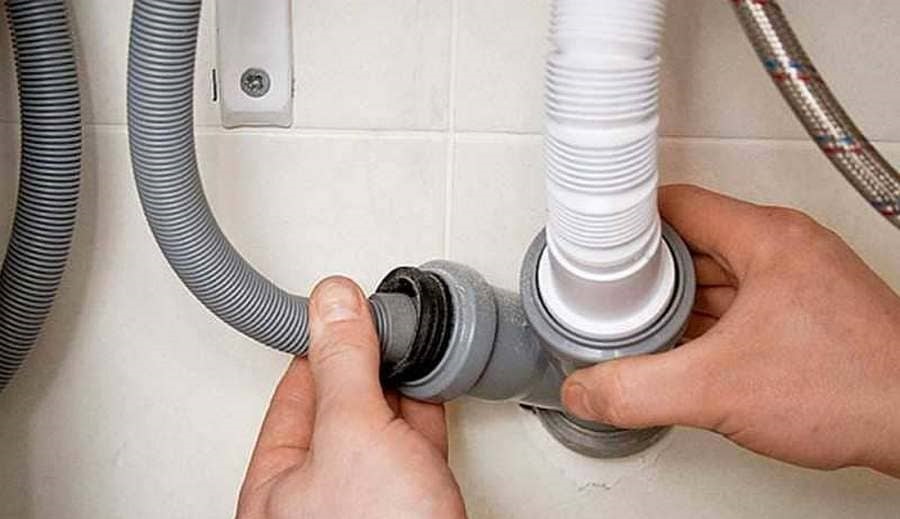
- loosen the clamps on the drain hose;
- disconnect the hose from the sewer riser;
- clean the sleeve.
To clean the corrugated hose, use a standard brush. It's best to attach a fishing line to it and insert it into the hose at both ends. Afterwards, thoroughly rinse the hose under the tap. If the layer of scale and deposits doesn't come off manually, soak the hose in a warm lemon solution. Immerse the corrugated hose in the cleaner for at least 1-3 hours, then rinse and return it to its original position. Finally, run a test wash with the drum empty.
You just need to clean the filter
Not only the hose but also the debris filter in the drainage system can become clogged. Water also doesn't leave the tank, and there's not enough space for the foam in the drum. To fix the problem, you need to clear the nozzle of accumulated debris. Follow these steps:
- pry open the service hatch door with a flat-head screwdriver;
- unhook the hatch from the body by pressing the latches;
- place a container under the filter plug to collect water;
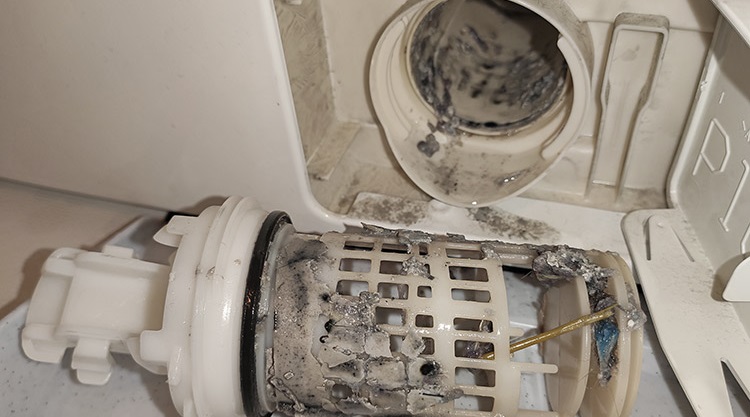
- unscrew the trash filter;
- wait until all the soapy water has drained into the basin;
- Remove the nozzle completely, inspect it and clean it from plaque and debris.
First, the "trash can" is cleaned of hair, threads, and caked-on dirt. Next, scrub with soap and a brush. If the residue is stubborn, soak the part in a warm lemon solution for 20-60 minutes. Do not use boiling water, as plastic will deform at high temperatures.
The filter housing must also be cleaned. The condition of the drain pump, volute, and impeller is also assessed. If necessary, everything is washed with soap and a sponge. The clean filter is returned and screwed tightly into the housing. Then, a test wash is run. If no foam comes out, the problem has been resolved.
Interesting:

Readers' comments
Headings
Washing machine repair




For buyers




For users


Dishwasher




Add a comment