Adapters for washing machines with sewer and water
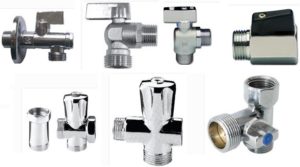
When we refer to a water or sewer adapter for an automatic washing machine, we're referring to one of many plumbing components with a ¾-inch diameter that can potentially be connected to the drain or inlet hose of a washing machine. These plumbing components may not have anything to do with the washing machine; they're just one of a few possible uses.
The standardized thread diameter of the washing machine inlet and drain hose fittings—¾ inches—gives us the freedom to choose from dozens of different options and select the one that best suits our specific situation. This, of course, doesn't mean that the manufacturer makes these adapters specifically for connecting washing machines. Nevertheless, to master the various connection options for our "home helper," we need to explore the different types of adapters, which is what we'll do in this article.
Simple transition elements ¾
There's a lot to discuss about the different types of adapters suitable for connecting a washing machine. It's best to start with simple adapters that allow you to connect the washing machine's drain and inlet hoses to pipes, faucets, and other hoses. However, the thread diameter of these adapters may not match on both ends. Here are some examples.
A water adapter for an automatic washing machine is designed to connect two inlet hoses together. Why is this necessary? Well, first of all, it's necessary if you have two short hoses from your washing machines, but neither one reaches the connection to the utility lines. In this case, it's more cost-effective to buy an inexpensive adapter and connect the two hoses together than to buy another, longer hose at an exorbitant price. Not suitable for drainage.
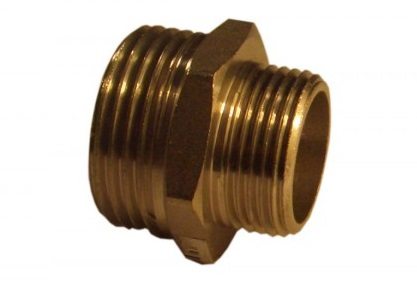
A water adapter for an automatic washing machine, designed to connect the inlet hose to the water pipe. This is a simple adapter that has both internal (female) and external (male) threads. One thread is for connecting the inlet hose, the other is for screwing the adapter into a pre-cut branch of the water pipe.
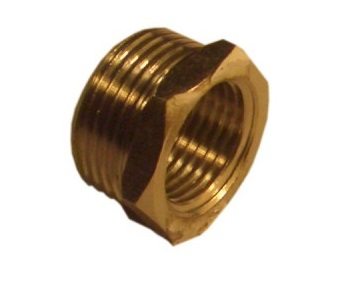
An adapter for an automatic washing machine, designed to connect the drain or inlet hose to a pipe outlet with an internal thread. Diameter ¾ by 1. Material: nickel-plated brass.
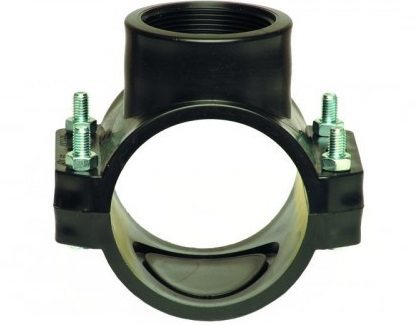
Saddle adapter ¾ for automatic washing machine to water. It is needed to organize a quick connection to a water supply branch without dismantling it or even the slightest alteration. The saddle allows you to connect the inlet hose to the water pipe almost anywhere, which is very convenient, especially if you've recently renovated and don't want to redo anything else. The saddle is attached to the pipe with bolts, and the included rubber seal is installed at the connection point.
Important! It may seem like a saddle is a flimsy adapter. In fact, saddles can withstand quite a lot of pressure, especially metal ones. In some cases, up to 10 atmospheres.
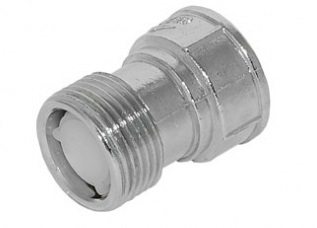
A simple ¾-inch adapter with a water filter. This filter adapter is useful for mounting on the inlet hose of a washing machine to connect it to the water pipe. The threads are internal on one side and external on the other.The beauty of this adapter is that it has a flow-through filter, This adapter pre-filters tap water before it enters the inlet hose and then the washing machine. This adapter is not suitable for draining wastewater.
These are just a few examples that could be given regarding such adapters, but we will not abuse your attention and overload the article with information, especially since the above examples are most often used in practice when connecting automatic washing machines.
Complex transition elements ¾
Now let's talk about complex adapters. In our classification, by complex adapters we mean transition elements that have 3 or more outputs and, accordingly, 3 or more threaded connections. In addition, complex adapters often include taps, filters, valves, and other elements that allow for additional connection solutions. Here are some examples.
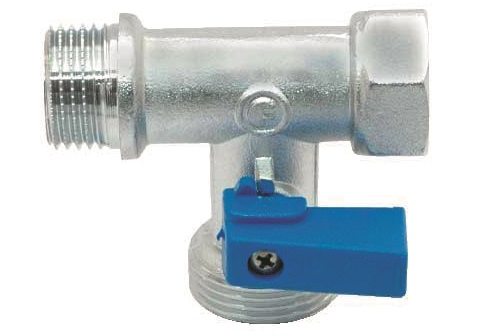
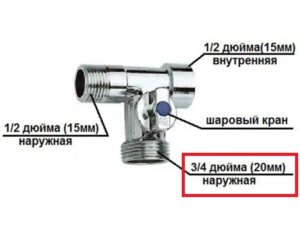
Checkpoint tee tap for a washing machineOne of the most popular complex adapters, widely used by plumbers and DIYers. It's necessary for connecting water to the inlet hose through the faucet. It's not suitable for draining.
An angled adapter with a water tap. Designed to connect a washing machine to the water supply in areas where the inlet hose must be installed at an angle to minimize space for plumbing. This adapter is not designed for draining wastewater into the sewer, but it does provide a secure and aesthetically pleasing connection between the washing machine's inlet hose and the water supply.
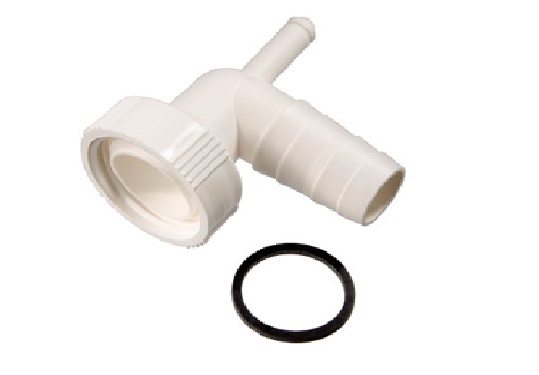
A triple plastic adapter for the washer-dryer drain hose. This rather unusual adapter is used to drain water into the sewer system of a washing machine with a dryer function. One end is used to connect the drain hose, the second end is used to connect it to the trap, and the third, thin end, is used to connect to the hose that drains condensation that forms during drying.
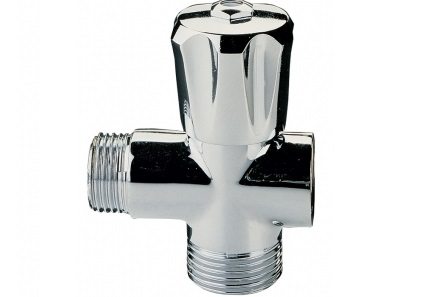
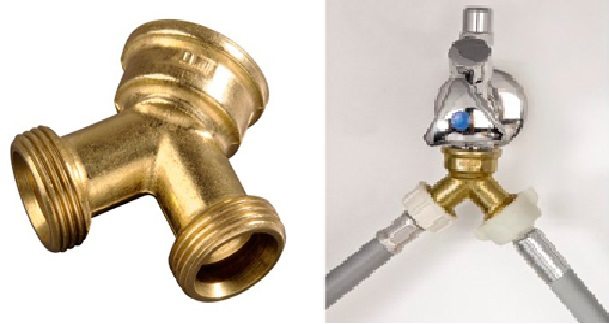
A splitter adapter designed for connecting two inlet hoses simultaneously. Its advantage is that it allows two appliances—that is, two inlet hoses—to be connected to a single water pipe outlet. For example, a washing machine and a dishwasher. The picture on the right shows an example of a connection using this splitter. This adapter is not suitable for draining.
Unusual connection options
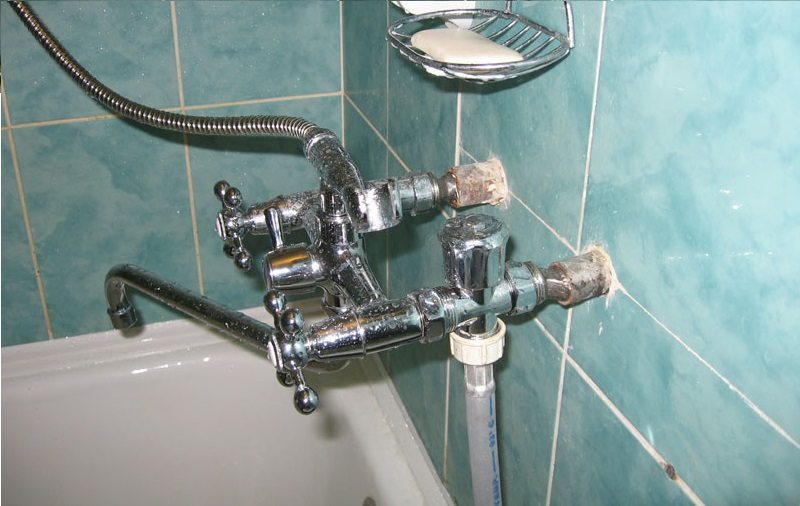
Finally, we will give a couple of examples of how adapters can be used to connect to a water supply in places where, at first glance, this seems difficult. The first example may not be the most aesthetically pleasing, but it allows you to connect a washing machine to a bathroom faucet without installing any additional wiring.
The idea is to install a tee fitting on one of the bathroom faucet outlets. One outlet connects to the faucet outlet, the second outlet connects to a pipe (or more precisely, a simple adapter), and the third connects to the inlet hose—cheap and effective.
By the way, in this case, the cut-in can be done more neatly if you select a more suitable mixer and a more compact tee tap.
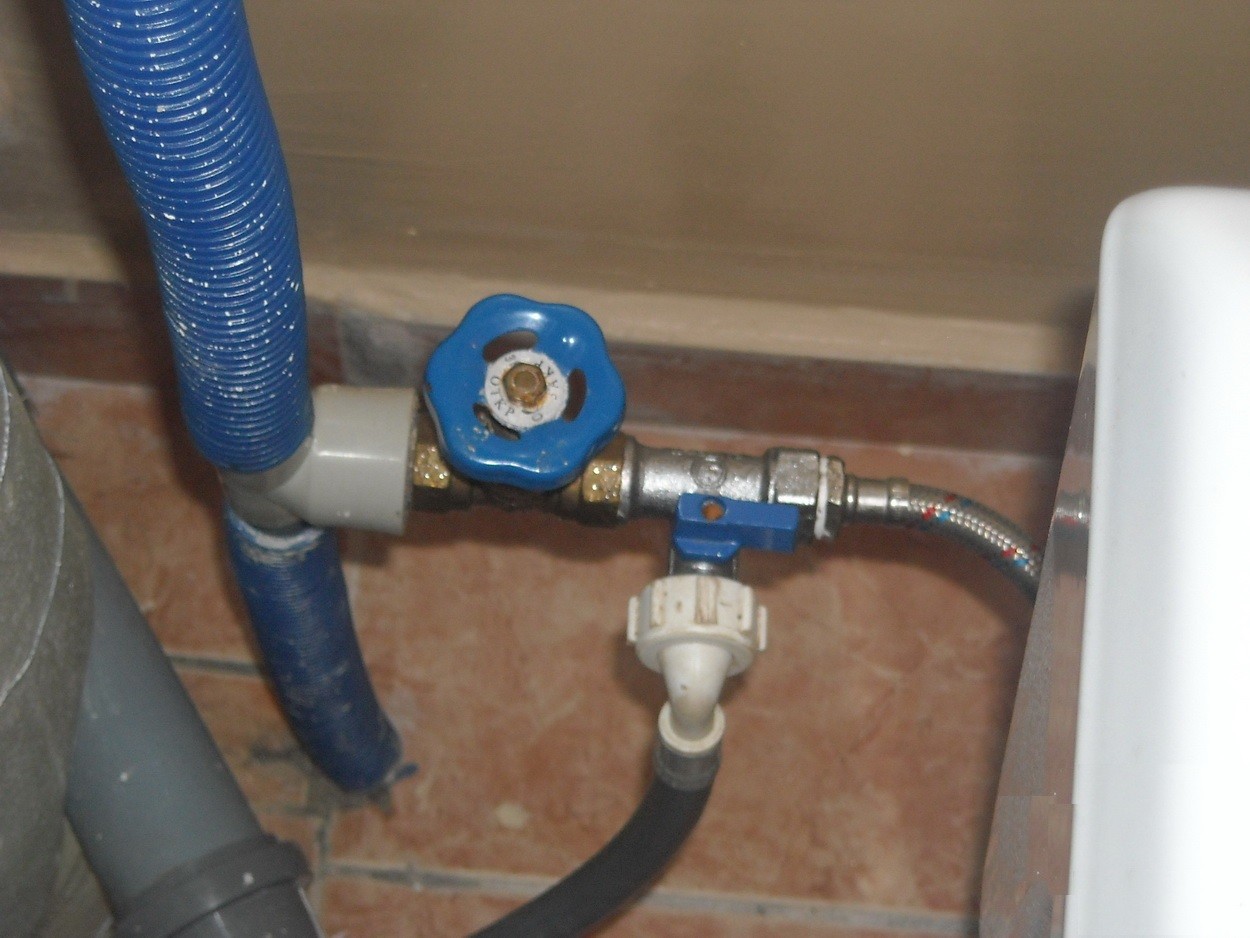
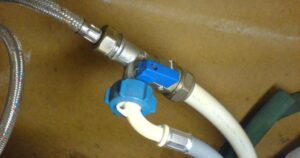
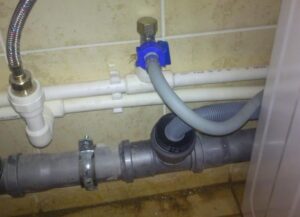
In the second case, the technician used a tee valve to connect the washing machine's inlet hose and the toilet cistern to a single outlet on the water supply pipe. The wastewater drainage system was also carefully planned and routed directly to the sewer outlet. As you can see in the image below, the connection was made using two valves—a double valve and a tee—although in some cases, a tee alone may be sufficient.
To summarize, connecting a washing machine to the water supply and sewer system is a plumbing job, and like any plumbing job, it requires standard plumbing supplies: adapters of both simple and complex designs. If you plan to connect the washing machine yourself, you should learn about the different types of adapters available to help you choose the most suitable connection option. Good luck!
Thanks for the article! I'm just hooking up my washing machine and I'm puzzled over the wiring. The information about the tee was really helpful; I didn't know about those.
I encountered a plumbing problem for the first time and learned there's a splitter adapter for both the dishwasher and washing machine. Thanks for the helpful information!

 When we refer to a water or sewer adapter for an automatic washing machine, we're referring to one of many plumbing components with a ¾-inch diameter that can potentially be connected to the drain or inlet hose of a washing machine. These plumbing components may not have anything to do with the washing machine; they're just one of a few possible uses.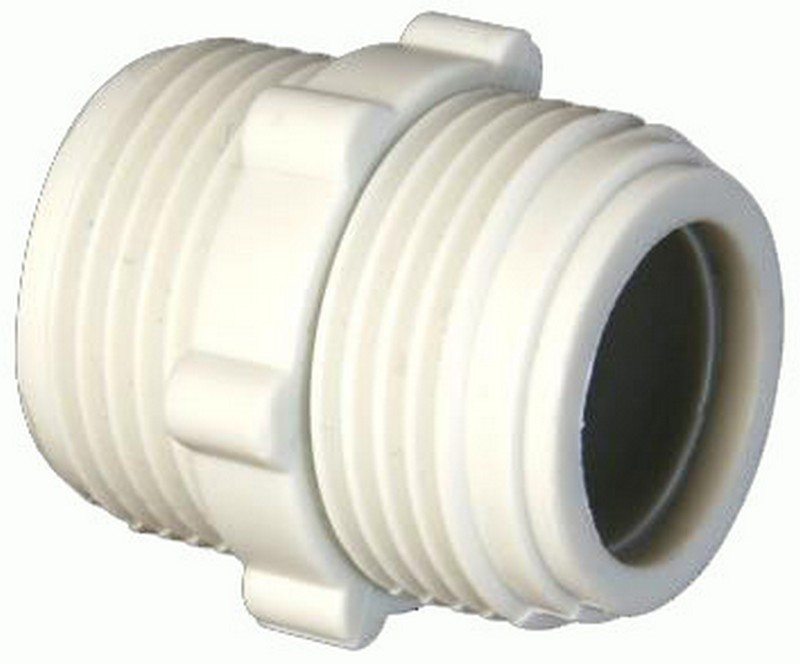














Thanks for the article! I'm just hooking up my washing machine and I'm puzzled over the wiring. The information about the tee was really helpful; I didn't know about those.
I encountered a plumbing problem for the first time and learned there's a splitter adapter for both the dishwasher and washing machine. Thanks for the helpful information!