
Do I need to turn off the water in my dishwasher?
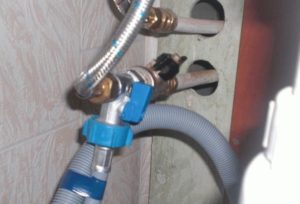 If you carefully read the experts' recommendations, you'll see that they all unanimously recommend shutting off the water after the dishwasher has finished running. But it's no wonder that most people ignore this advice, unaware of the potential consequences of such negligence. So why is it necessary to shut off the water supply to the dishwasher?
Why do the instructions require closing the tap?
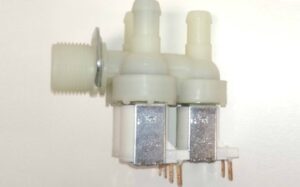
Any washing machine manual will tell you to turn off the water after finishing washing dishes. This is because the inlet/outlet valve, through which water passes and exits, is under pressure during operation. Pressure creates stress, while the part isn't designed for continuous, uninterrupted operation. If the valve wears out, trouble will occur.
- The locking spring will weaken significantly, which will affect the elasticity of the membrane.
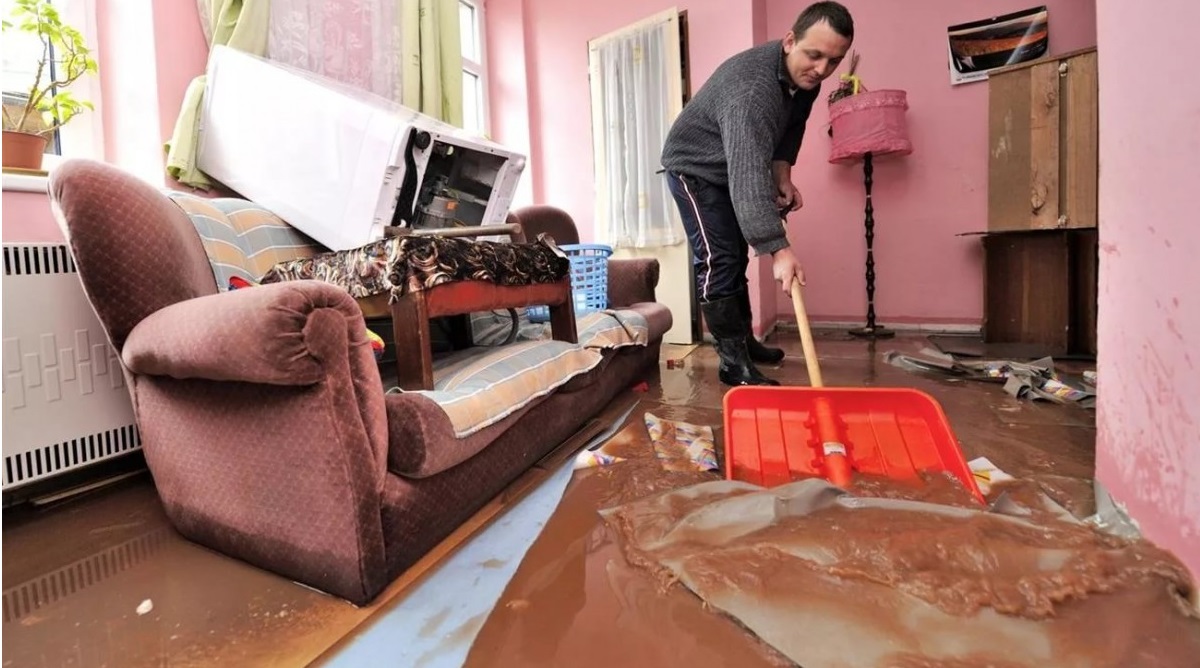
A shutoff spring is a device that measures the pressure in the pipe and reacts to changes. Typically, failures occur at night, as the pressure is especially high at this time of day. An unexpected flood at night is an unpleasant experience, so try to shut off the supply at least before going to bed.
- The rubber valve seal will constantly stretch, deteriorating and eventually bursting. Then, flooding is inevitable.
Please note! Even with an uninterrupted water supply, the valve may fail even before the warranty period expires. However, the customer will not be reimbursed for repairs, as the manufacturer is not responsible for valve failure during water supply.
The problem is complicated by the fact that in small apartments all household appliances and furnishings are practically “stuck” on top of each other. It is not always possible to reach the faucet without moving furniture and pulling the unit out of the niche each time (and this is costly in both effort and time). To avoid such difficulties, it's best to keep faucets and wires within easy reach. While no one is forcing you to put them on display, it's perfectly acceptable to place the machine slightly away from the utility lines so that the necessary components are out of sight but still easily accessible.
In any case, luck is essential. Cases of valves operating for decades without shutting off the water are indeed common and true. As are stories of people experiencing accidents even after following all safety precautions. However, following the operating instructions is not difficult, and if something happens, you can at least be sure you did everything correctly.
If you're too lazy to turn off the water
In today's fast-paced lifestyle, turning on and off the water supply several times a day can be truly stressful. For those who prefer lazy tasks, there's a special product: the Aquastop leak protection system.
Important! The system must protect not only the dishwasher body itself, but also the water supply hose.
The safety mechanism is a special hose, built-in or purchased separately, which takes on the pressure from the water supply. By the way, the Aquastop hose can withstand pressure 7 times greater than that of a regular hose.The tube contains a special electromagnetic valve that reacts quickly to leaks and immediately shuts off the water supply in the event of a malfunction.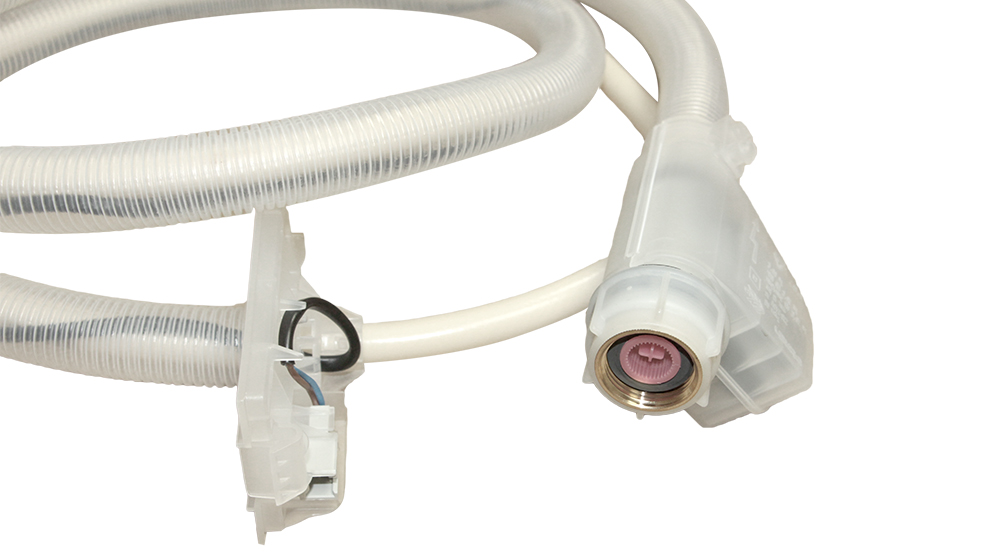
The system is good because it works even in washing mode, so you won't have to urgently shut off the supply; Aquastop will do it automatically.
The protection system also includes a special tray located deep within the PPM. It is also equipped with a water level sensor. As soon as too much liquid accumulates in the tank, the system is triggered and the water supply is stopped.
Caution! Avoid overdoing it with detergent. The sensor in the tray detects not only water but also foam, so if there's too much, the machine will stop working.
Is it necessary to shut off the water supply if Aquastop is installed? It's recommended, as the program's protective functions will be much more effective.
Interesting:




Readers' comments
Headings
Washing machine repair




For buyers




For users


Dishwasher




Add a comment