To avoid damage immediately after purchase, it's important to transport your new washing machine properly. It's also important to follow all shipping guidelines for used washing machines. Ignoring these basic recommendations can quickly damage your equipment. Let's explore the specific regulations for transporting equipment.
Preparatory procedures
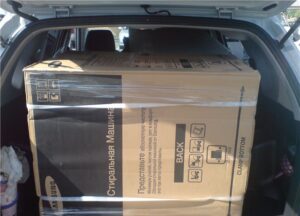
Transporting a new automatic washing machine is quite simple. The first rule is to pack the washing machine and install transport bolts. Store-bought equipment fully complies with these requirements; it will always be in its original packaging, sealed with foam sheets, and with a secured tank.
When receiving your new washing machine from the courier, don't rush to sign the delivery receipt. Remove the packaging from the washing machine, carefully inspect the housing, and ensure the shipping bolts are in place. If there are no defects, the delivery was completed according to all regulations.
Transporting a used washing machine is more difficult. The original packaging is often lost, forcing owners to improvise, protecting the machine's body with a blanket, throw, or foam pad. It's important to figure out how to protect the machine from mechanical damage. A used washing machine should be prepared for transport. It's necessary:
de-energize the machine;
disconnect the equipment from the water supply and sewerage system;
drain the remaining water from the system by unscrewing the waste filter plug;
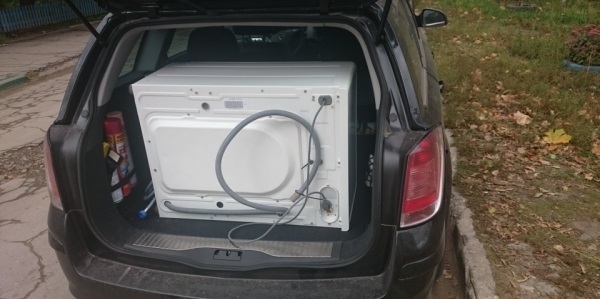
secure the hoses to the body so that they do not swing when carried;
take out the detergent drawer, wipe its walls dry and put the tray back;
seal the corners of the case with several layers of tape;
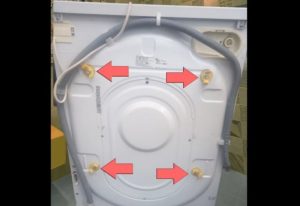
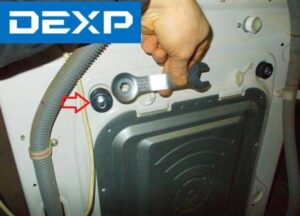
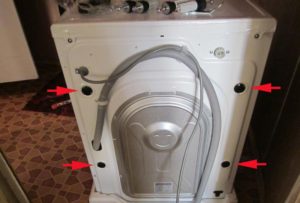
Secure the drum with the designated transport bolts. Screws are always included with the equipment.
Be sure to secure the drum, otherwise it will wobble during transportation, damaging nearby parts of the washing machine.
If the original packaging has long been lost, there are several ways to protect the washing machine's body. Wrap the machine in whatever you have on hand: fabric, corrugated cardboard, stretch film, or foam. Then tie the machine with rope—this will help secure the homemade "shell."
We load and transport
You can transport the washing machine in a car, but it must be a station wagon. Carry the appliance to the vehicle carefully; do not twist it, turn it upside down, or hit it against railings or walls. A slight tilt backwards when carrying is acceptable, but never turn the appliance upside down.
What is the best way to position the machine? The optimal option is to transport the equipment vertically, placing it sideways in the direction of vehicle movement. The device needs to be supported with something so that it does not fall when driving on an uneven road.
Obviously, transporting a washing machine standing up in a car is impossible. Therefore, it's acceptable to lay the machine on its side, placing a soft blanket underneath it. It's best to secure the machine on all sides with something to protect the shock absorbers, hoses, sensors, and wiring.
Transportation is carried out standing or on its side; placing the machine on the front wall is prohibited.
In any case, some water will remain in the washing machine. If the washing machine is placed on its front wall, drops may drip onto the control panel. This will short-circuit the electronics, and repairs will be costly. Furthermore, the heavy tank will inevitably damage the seal and the door. Therefore, it is crucial not to turn the machine upside down during handling and transportation.
If the machine is laid on its side and there are no transport bolts, the drum should be secured with foam. This will prevent damage to the internal components. It's best to remove the detergent drawer from the housing and transport it separately. Water will also remain in the drawer, and even a few drops of liquid can be damaging to the electronic module. Otherwise, at least wipe the detergent drawer dry and reinsert it.
If there's no other option, you can transport the machine by laying it on its back. However, this method of transport is strictly prohibited for Zanussi appliances. The counterweight units in this brand's washing machines are positioned in such a way that they can crush the inlet valve.
Breakdowns associated with incorrect movement of the SMA
Users who neglect the proper transportation procedures for their washing machines sacrifice the functionality of their appliances. Even a single, brief trip of 10-20 minutes, if basic recommendations are not followed, can be fatal for an automatic washing machine. The damage can be so severe that the appliance will be rendered unusable or require significant repairs.
Most often, with improper transportation, the following is observed:
breakage of the power cord of the automatic washing machine;
scratching or deformation of the case;
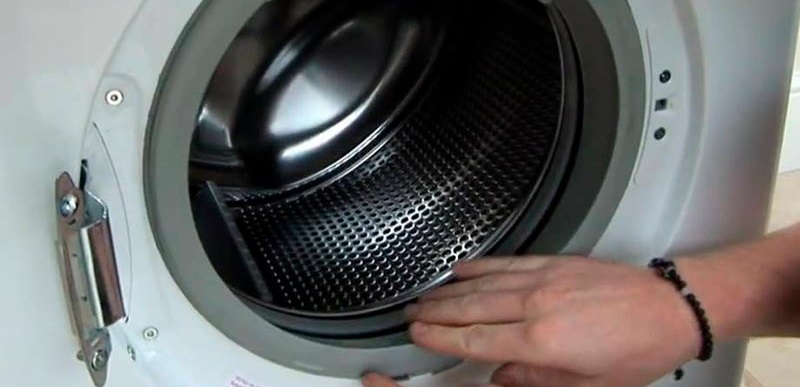
rupture of the drum sealing cuff;
breakage of hatch door hinges or latches;
failure of shock absorbing elements;
damage to rubber tubes and hoses;
failure of sensors and valves;
oxidation of wires, short-circuiting of contacts;
failure of the programmer (the knob for switching modes on the dashboard);
damage to the drain pump;
powder receptacle failure;
failure of the main electronic module.
To avoid many problems, simply prepare your automatic washing machine properly for transport. Handle the machine carefully from the moment it's packed until it's installed in its new location. Follow basic transportation guidelines, and your "home assistant" won't even notice the move and will continue to function as before.

 To avoid damage immediately after purchase, it's important to transport your new washing machine properly. It's also important to follow all shipping guidelines for used washing machines. Ignoring these basic recommendations can quickly damage your equipment. Let's explore the specific regulations for transporting equipment.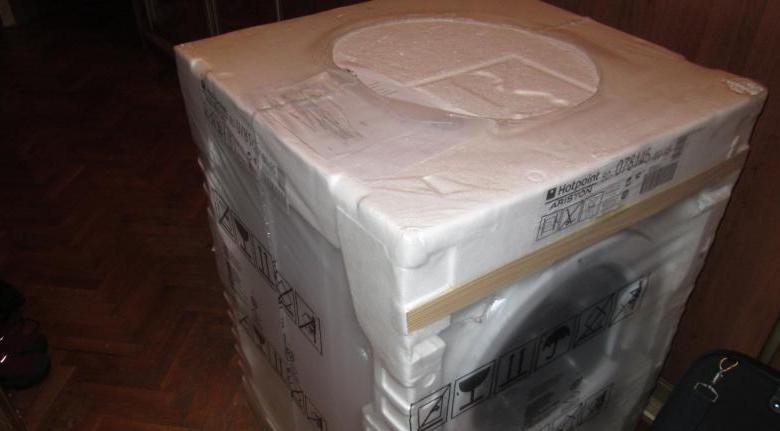
















Add a comment