
First use of the Ariston dishwasher
 After connecting a new dishwasher to the power grid, users are eager to try out their "home helper." However, there's no need to rush. The first run of an Ariston dishwasher must be performed according to specific rules—without dishes in the chamber, but with detergent. Let's take a look at the specifics of the test cycle.
Why run the Ariston dishwasher without any dishes?
The dishwasher manual states that the first time you run the appliance, it should be empty, meaning without any dishes in the hopper. Why is this necessary? During the test cycle, the dishwasher is washed from the inside to remove factory dirt. Grease and dust accumulate on the internal parts of the dishwasher. This must be washed off before loading the cutlery into the dishwasher.
A test run will help ensure that the dishwasher is working properly.
A full check of the appliance's functionality is impossible in a store. There, the machine isn't connected to water or sewerage. The manager will show that the dishwasher starts and responds to the buttons, but that's all. The dishwasher could also be damaged during transportation.
During the test run, the user will be able to ensure the machine is properly connected to the utilities, has no leaks, is heating the water, and is draining waste from the chamber. During the empty cycle, the user can learn how to operate the dishwasher and select the desired mode. It's important to remember that before using the dishwasher for the first time, you need to load special detergents into it; we'll explain which ones.
Add all the products to the Ariston dishwasher
Before using your Ariston dishwasher for the first time, you need to purchase special household cleaning products. These products are added to the appliance immediately before the test cycle. You'll need to purchase: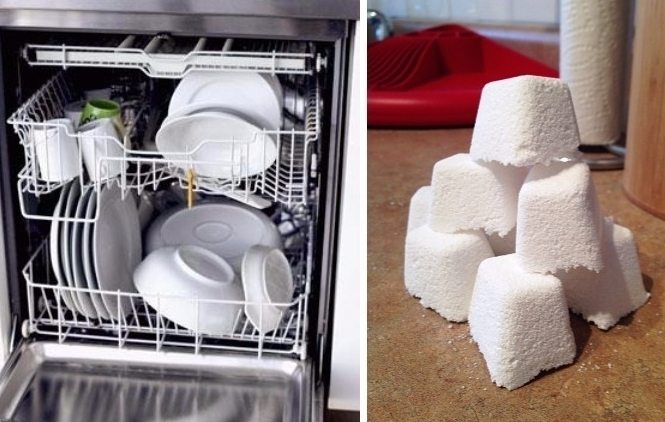
- regenerating salt;
- dishwashing detergent;
- rinse aid for cutlery.
All products must be designed specifically for dishwashers.
Detergent is essential for cleaning dishes. Its ingredients help remove grease, carbon deposits, and other stains. Detergents are available in three forms:
- liquid (gels, dishwashing balms);
- powder;
- tableted.
It's up to you to decide which form of the product to choose. Tablets are easy to dose, and a capsule lasts for one cycle. However, if you're using half a dose, dividing it can be problematic.
Powders are cheaper than tablets, but they're not as convenient to store once opened. The dosage of granules is easily adjusted depending on the dishwasher's load. The same applies to dishwasher gels. The detergent dispenser is located on the dishwasher door.
Rinse aid prevents streaks on dishes. Glass and crystal items will sparkle after washing. It also helps cutlery dry faster. The rinse aid is poured into a separate compartment located next to the detergent dispenser.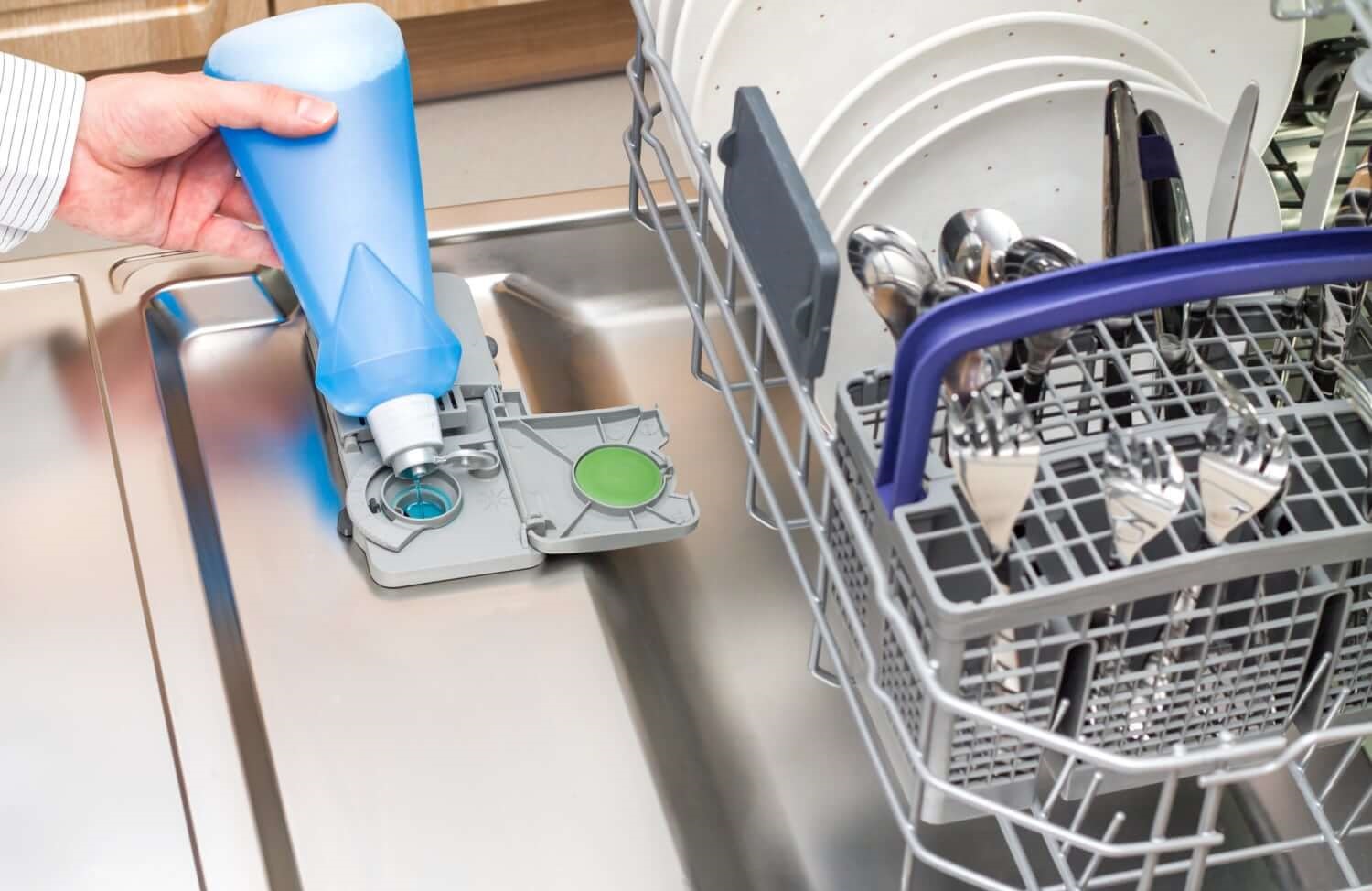
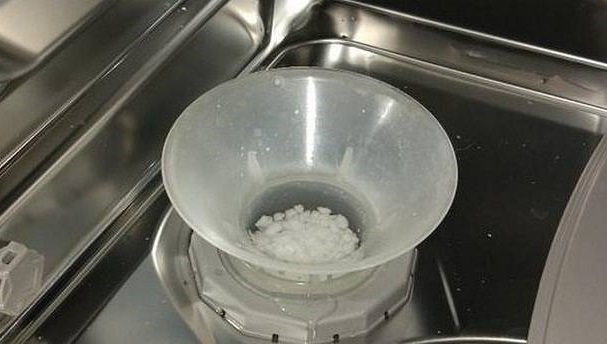
Salt crystals soften hard tap water by regenerating the resin in the PMM ion exchanger. Regenerating salt prevents the formation of scale and limescale on the internal parts of the dishwasher. The granules are loaded into a special tank at the bottom of the washing chamber.
Some users, wanting to save money, substitute table salt for regenerating salt. This is not recommended. Despite the obvious similarities, the two compositions have significant differences:
- the degree of purification of table salt is significantly lower;
- ordinary salt contains microelements that are harmful to dishwasher parts;
- The special regenerating salt is larger, so it dissolves slowly, as it should.
Dishwasher salt is inexpensive, so it's best not to skimp on it. To add salt crystals to your dishwasher:
- open the dishwasher and remove the lower basket;
- unscrew the cap of the salt reservoir (the compartment is located at the bottom of the washing chamber);
- pour 1 liter of cold water into the container;
- load salt into the container (approximately 800-1000 grams, depending on the Ariston dishwasher model);
- Wipe away any salt water that has leaked from the tank from the bottom of the washing chamber.
Water is added to the salt compartment only before using the machine for the first time. Afterward, simply add crystals to the reservoir. A special indicator on the control panel indicates the compartment's full state—it lights up when the granules are low.
Next, you need to adjust the Ariston dishwasher's water softener. The instructions for doing this are detailed in the dishwasher's manual. The adjustment depends on the water hardness in the area where the dishwasher is used. You can find out the hardness using special test strips or by calling your local water utility.
Idle cycle
After loading all the detergents into the dishwasher, you can run it for the first time. Check that the dishwasher is level and that the inlet and drain hoses are not kinked or pinched. Ensure the water supply valve to your "home helper" is open.
The first time you turn on the machine, do the following:
- open the door and check that the sprayer moves freely by turning it by hand;
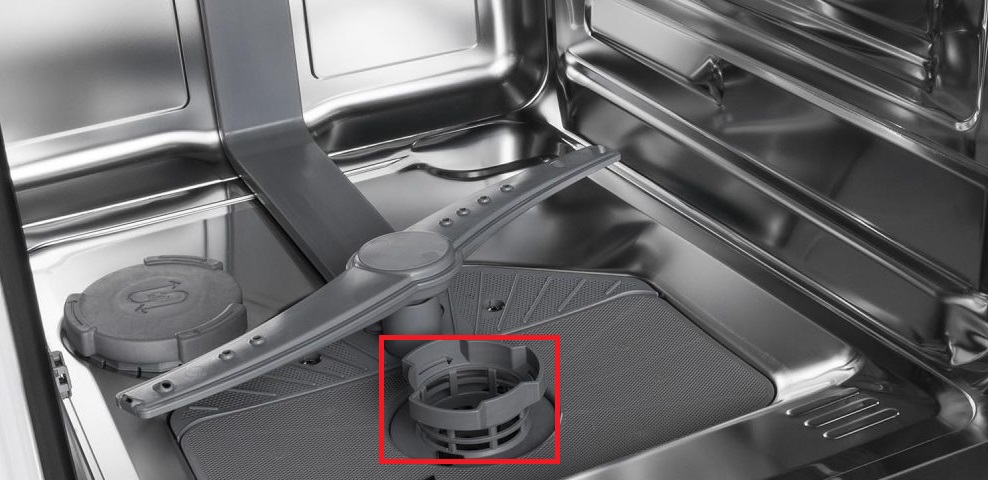
- remove the dishwasher's waste filter, rinse it and put it back in place;
- Plug the dishwasher's power cord into the socket;
- press the "On" button;
- select a washing program (it is recommended to run the longest mode, with water heating to at least 60 degrees);
- Close the machine door and start the cycle.
While the dishwasher is running in test mode, it is important for the user to check that:
- water flows into the chamber without interruption;
- PMM does not stop its work;
- the dishwasher does not leak;
- The heating element heats the water to a set temperature;
- the liquid does not linger in the washing chamber, but circulates in the system;
- At the end of the cycle, there is no water left inside the machine.
If any malfunction occurs during the test run, disconnect the machine and troubleshoot the issue. If a more serious problem is detected, take the dishwasher to a service center for diagnostics.
If the first run goes well, simply let the machine dry for an hour before running a full wash. Load the dishes into the baskets, add detergent, and start the cycle. The program is selected based on the type of dishes and how dirty they are.
Interesting:




Readers' comments
Headings
Washing machine repair




For buyers




For users


Dishwasher




Add a comment