
First time use of the Beko dishwasher
 Surprisingly, the first time you use a Beko dishwasher, it can often damage your expensive appliance. This is because initial activation always requires specific instructions, so ignoring them can damage not only your dishes but also the dishwasher itself. To prevent this from happening to you, read our instructions for using your Beko appliance for the first time.
Why is the first activation taken seriously?
Impatience and excitement over the purchase are two factors that often prevent new users from starting their dishwasher correctly for the first time. The most important things to remember during the first start-up are the absence of dishes and the correct loading of household chemicals. What will be the benefits of such a first use?
- A test cycle will allow the machine to be cleaned of oil, dust, and dirt that may have remained during assembly at the factory, storage in a warehouse, or sale in a store where sellers and buyers may have touched the equipment with dirty and greasy hands;
- An empty wash will also allow you to evaluate the appliance's performance. Is the water filling and heating up properly, how quickly is it draining, how well does the heating element heat the water, and is there any residual water after the wash?
- Finally, this is an opportunity to check the connection to all communications and make sure that nothing is leaking and the machine is installed correctly.
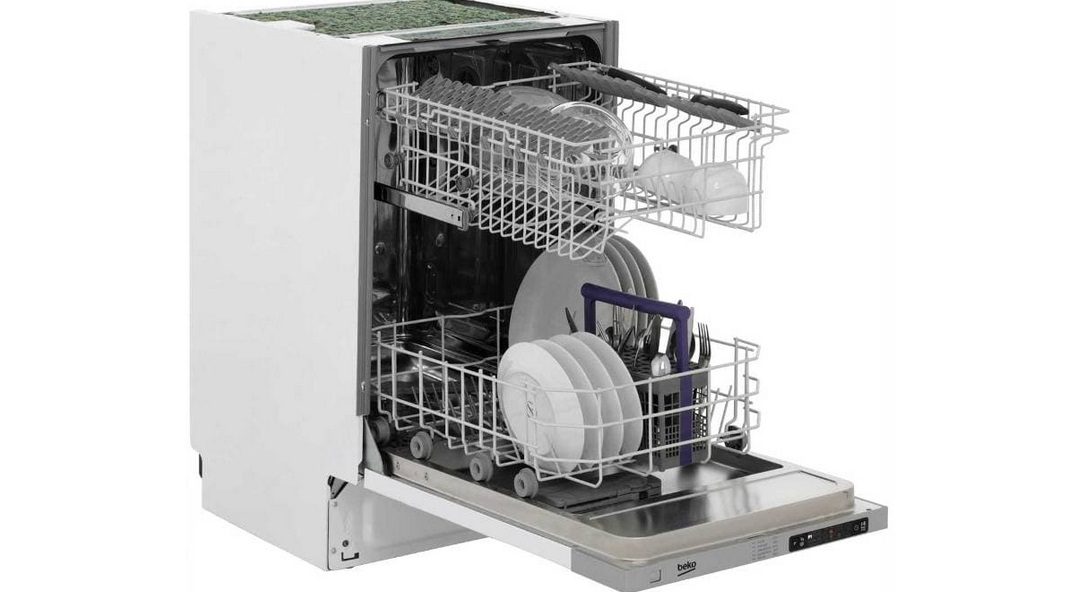
Thus, the test will answer several important questions at once. Once these are answered, the dishwasher can be integrated into the furniture. If you discover a leak during the inspection, you can fix it in a timely manner without any problems. And if a problem is discovered with the device itself, there will be no problem quickly taking it back to the store for an exchange or warranty repair.
Preparing for the first launch of the Beko PMM
Before you start the wash, first make sure there's no packaging material, stickers, or other debris, such as foam balls, left in the wash chamber. In addition to debris, you can also wipe away other contaminants, such as dust and dirt, with a cloth.
Even though the first cycle is done without dirty dishes, this doesn't mean you can skimp on household cleaning products. All three types of cleaning products must be loaded into the machine: detergent, rinse aid, and softening salt. Detergents can come in gel, powder, tablet, or capsule form. All of these are needed to remove all types of stains from dishes. Rinse aid helps complete the washing process and leave your dishes sparkling clean.
As for salt granules, they deserve a separate discussion. Dishwasher salt is needed to restore the resin in the ion exchanger, a special unit that softens hard tap water. How do I fill the salt tank for the first time?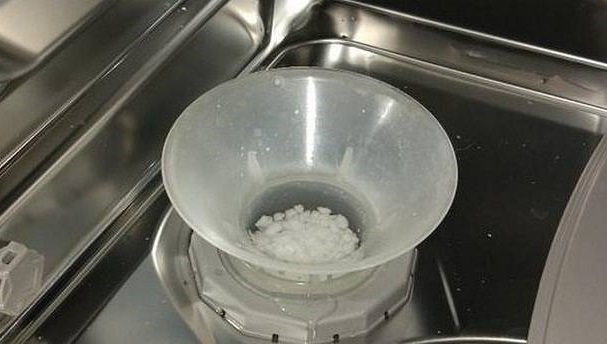
- Locate the salt reservoir at the bottom of the washing chamber and unscrew its lid.
- Pour about a liter of water inside.
- Add about a kilogram of salt.
Never use regular table salt, as it is much finer than specialized industrial salt, and is not purified as thoroughly, so it runs out faster and is not able to effectively regenerate the softening functions of the ion exchanger.
- Close the lid tightly.
- Set the salt consumption according to the hardness of your tap water.
You can determine the water hardness level at home using special water quality test strips, which are often included with your dishwasher. If you don't have these, you can purchase them at any hardware store or check the website of your local water utility, which should publish updated tap water data monthly.
If you wish, you can also purchase special detergents specifically for the first use of the dishwasher, which will clean the inside of the machine even more effectively. However, you can do without this, limiting yourself to standard household dishwasher chemicals. After loading the detergents, remember to level the machine and check that nothing inside the chamber is obstructing the movement of the spray arms.
Activating the Beko dishwasher without any dishes
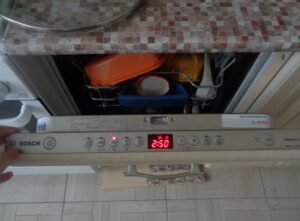
Now all that's left is the long-awaited power-on. If the machine is level and the cleaning chemicals are added, simply open the water supply valve to the Beko dishwasher and turn it on.
- Open the dishwasher door and press the power button.
- Set the salt consumption and select the type of detergent to use, if you have not already done so.
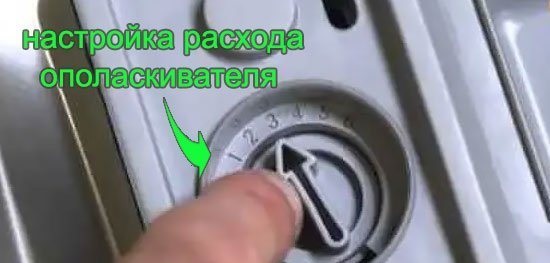
- Turn the rinse aid flow rate down to the minimum for empty washes to avoid wasting chemicals.
- Choose the appropriate wash program. The longest cycle using the hottest water is best for testing. This is usually the intensive cycle.
- Close the door to start the wash.
You don't have to stand by the machine for two and a half hours, monitoring its operation—just check periodically to make sure it's filling and heating water properly, draining waste water properly, and that it's not stalling during operation. After the cycle, inspect the wash chamber to ensure there's no residual water left after drying. If all is well, let the machine cool and dry with the door open for a few hours before you can begin using your "home helper."
Interesting:




Readers' comments
Headings
Washing machine repair




For buyers




For users


Dishwasher




Add a comment