
First time use of the Bosch dishwasher
 The long-awaited first use of a Bosch dishwasher is always a joy for any housewife, as it means washing dishes by hand is a thing of the past. This is why new owners of smart appliances often forget all safety precautions and begin using the device incorrectly. To avoid accidentally damaging your brand-new "home assistant," you should first read our article today, in which we'll cover all the important nuances of the first use.
Why should the first activation of PMM be unusual?
Most often, dishwasher owners are in such a rush to start their dishwasher for the first time that they forget about the basic start-up preparations. The point is that the first time the equipment should always be started without any dishes. This empty cycle is necessary to thoroughly clean the inside of the machine before normal use. It might seem like the inside of a brand-new appliance is so dirty that you can't even wash dishes right after purchasing it, but in reality, it could contain:
- oil residues after assembly of the device at the factory;
- dust and other types of contaminants formed during storage of goods in a warehouse;
- microscopic particles of packaging material.
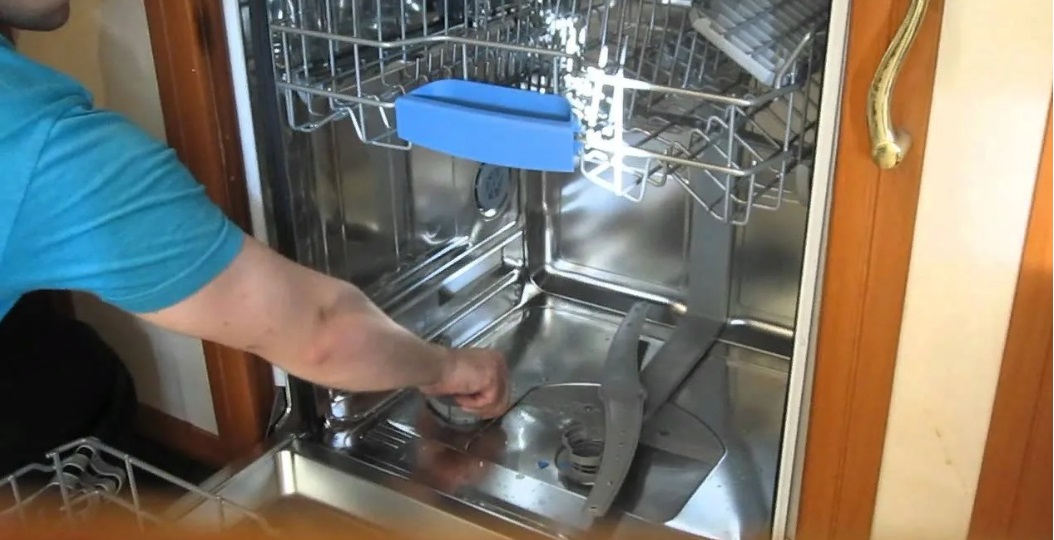
A test run is also necessary to check the dishwasher's functionality and ensure it's securely connected to all utilities. It's best to monitor these processes without any unnecessary objects inside the wash chamber—this way, you'll be able to better observe the water intake process, the spray arm, the cycle changes, the drying process, and the draining process. Therefore, if you notice something wrong during the idle run, you'll have an excellent opportunity to correct it promptly.
Do I need to add powders and gels?
It's worth noting that the absence of dishes in the wash chamber during the test does not exempt the user from adding detergent, which is essential for a dry run. Household chemicals will help clean the internal components of the Bosch machine and check the functionality of all important functions.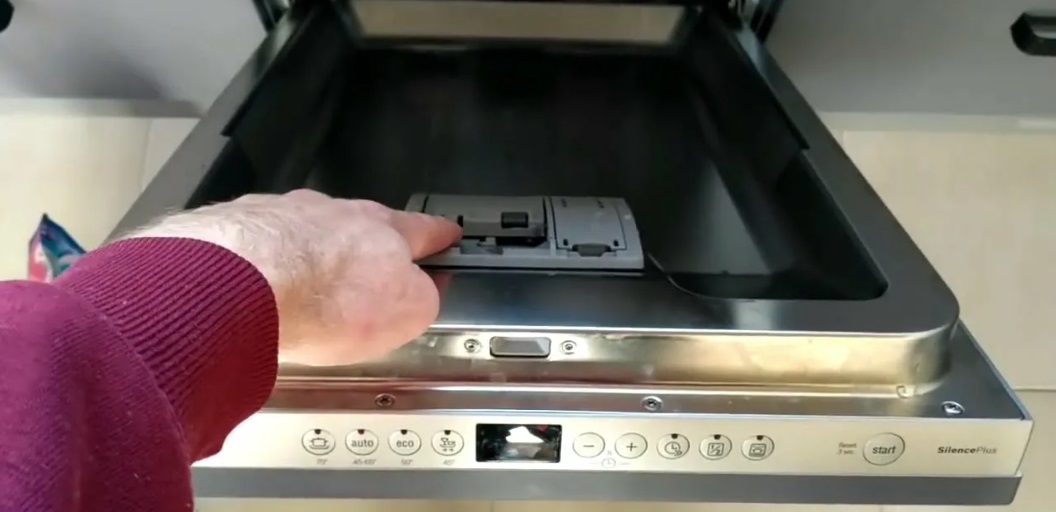
First, you should load the most important item: special dishwasher salt, which helps soften hard tap water. The chemicals must be specifically designed for dishwashers, as ordinary table salt can damage this complex device. The salt granule reservoir is located at the bottom of the wash chamber, with the opening opening directly into the tray. Before turning on the machine for the first time, you need to fill the tank with water up to the brim, add about a kilogram of salt, and then adjust the flow rate in accordance with the hardness of the tap water.
You can obtain water quality data yourself using test strips, which are often included with the device, or by checking the website of your local water utility, which should publish official information on water hardness and other parameters monthly.
After removing the salt granules, pay attention to the detergent drawer located on the dishwasher door. In Bosch appliances, it's usually equipped with a convenient hatch with a hinged lid. This is where you add detergent, which can be in gel, powder, or tablet form, as well as a special rinse aid that gives dishes a nice shine. The detergent should be loaded up to the indicated mark, but if you're using tablets or capsules, use one for each cycle.
We select the appropriate mode and start the equipment
Dishwashers are generally very similar in both controls and feature sets, with different wash modes. Bosch dishwashers typically feature the following five classic modes:
- Intensive. The icon looks like a saucepan, indicating maximum water heating of 70 degrees Celsius. This program is designed for the toughest stains, for cleaning pots, baking sheets, and other cutlery. The machine uses the maximum amount of water and energy, so it's best to use this mode once a week, after accumulating a sufficient load of dirty dishes.
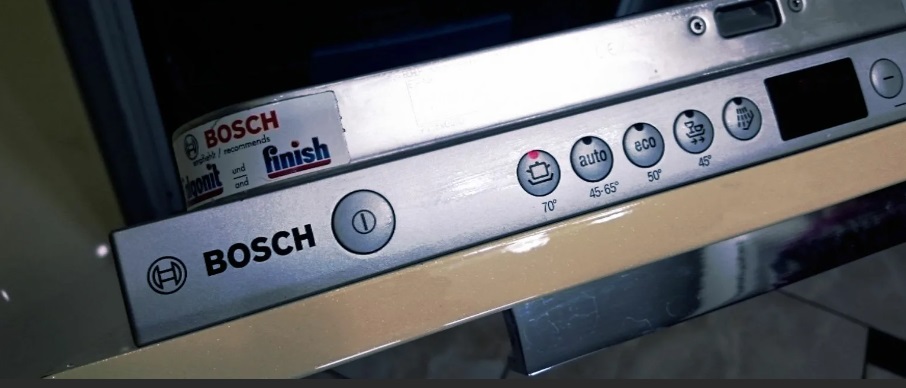
- Automatic. The most popular program, it automatically selects the intensity depending on the load, then washes the dishes at a temperature of 45-65 degrees Celsius;
- Eco. The most gentle option, using minimal water and electricity. Heats up to 50 degrees Celsius only;
- Gentle. The icon resembles delicate glasses – it indicates a mode designed for the most delicate glass and crystal dishes, which require gentle care;
- Pre-wash. This mode allows you to pre-soak dishes to partially clean them before the main wash cycle begins.
Bosch specialists recommend using the "Eco" or "Automatic" wash program when first starting the machine. These modes are ideal for testing the heating element, water supply, and drainage, and will also thoroughly clean the machine of all dirt remaining from factory assembly and storage.
Interesting:





Readers' comments
Headings
Washing machine repair




For buyers




For users


Dishwasher




Add a comment