
First time use of the Electrolux dishwasher
 For many housewives, purchasing a dishwasher is a significant event. After all, they no longer have to wash dishes by hand every day. Once you've acquired the appliance, don't rush to put it into operation. First, you need to figure out how to connect it and start it up for the first time, what modes it has, how to load the baskets, and so on. Let's explore these nuances.
Test your new dishwasher
After unpacking your new dishwasher, you're tempted to turn it on. But don't rush – the first time you use your Electrolux dishwasher, you need to follow certain rules. Read the dishwasher's instructions—the user manual contains detailed information on all the details related to operating the appliance.
After removing the packaging from the dishwasher, carefully inspect its body for damage. Check that the complete set was delivered from the store. If everything is in order, you can proceed with installation. Connect the dishwasher to the water supply and sewer system, and provide a dedicated outlet for it.
The first cycle is performed empty, that is, without dishes in the washing chamber.
During the test run:
- all factory dirt and dust that has gotten onto the internal parts is washed out of the machine;
- The functionality of the dishwasher is checked (the test program allows you to find possible malfunctions in the operation of the equipment);
- You can make sure that the device is connected correctly to the water supply and sewerage system, and that there are no leaks at the joints.
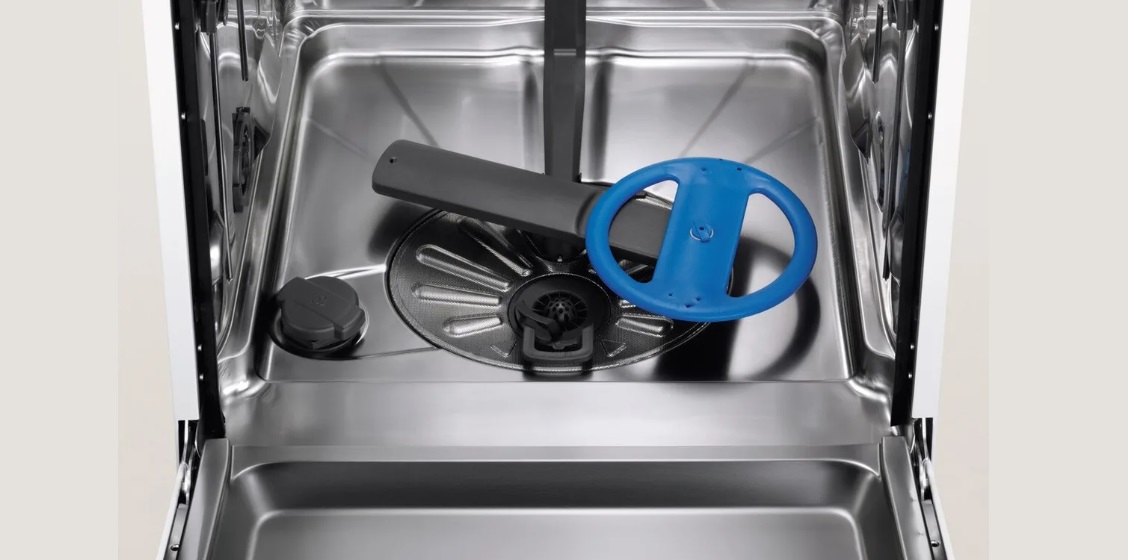
After turning on the machine for the first time, observe its operation. Make sure water is flowing continuously into the tank. Check the operation of the dishwasher's heating element and spray arms. Observe how quickly the liquid drains into the drain and whether it is stagnating in the wash chamber.
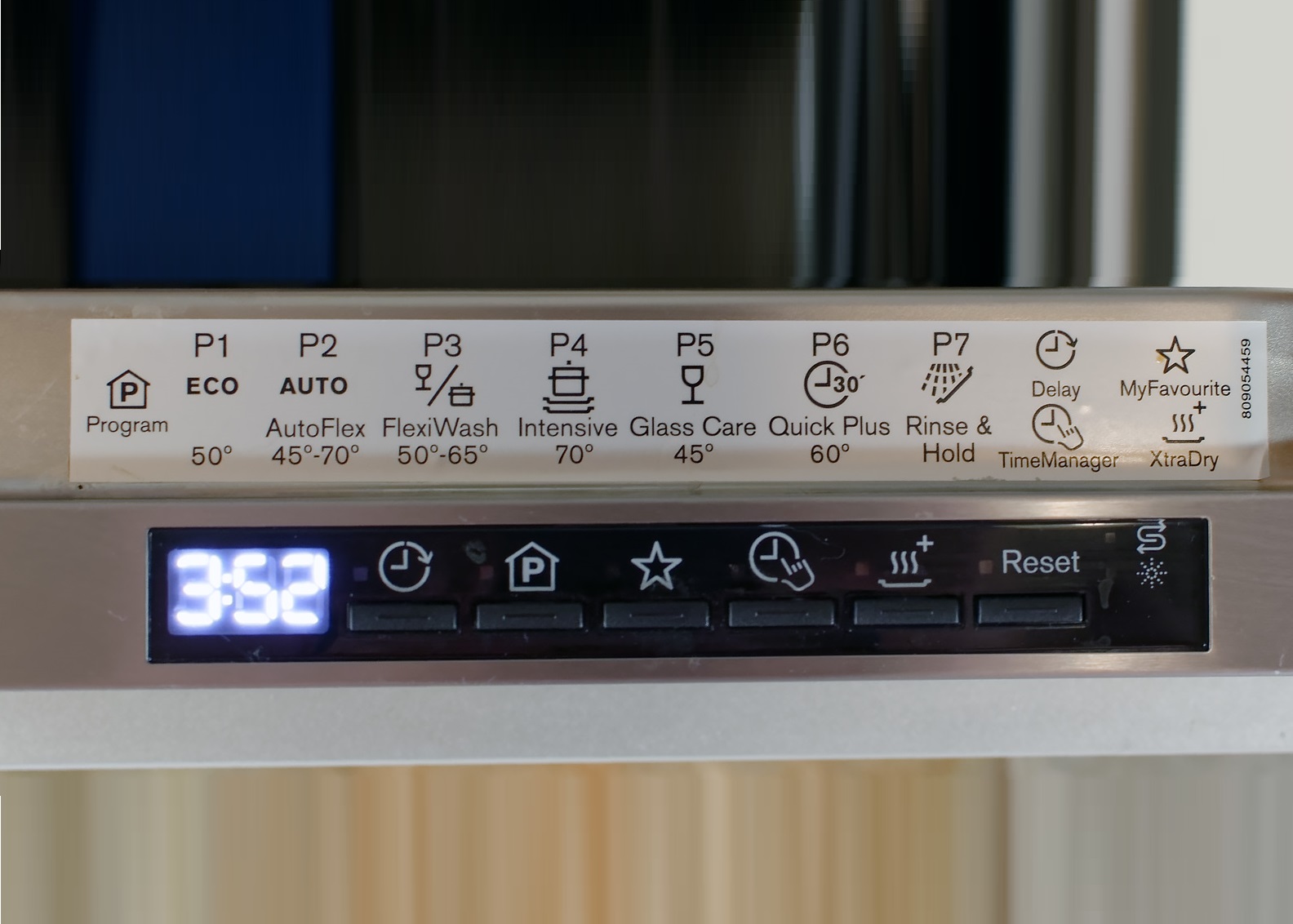
During the first run, you'll also have the opportunity to practice selecting programs and familiarize yourself with the buttons on the Electrolux dishwasher's control panel. The test cycle should be run on the intensive, high-temperature setting.
Even if you do not load dishes during the first cycle, be sure to load the machine with regenerating salt and detergent beforehand. The container for the salt crystals is located at the bottom of the bin, and the container for the detergent is on the dishwasher door.
Operation of the Electrolux dishwasher
Many users have trouble starting their dishwasher for the first time with loaded baskets. That's why it's so important to read the Electrolux manual first. It describes how to load dishes, select a wash cycle, and more. Let's review the key steps for using a dishwasher that's already been tested.
- Load special products into the appropriate dispensers. These include detergent (tablets, powders, or gels), rinse aid, and salt (if you added crystals during a test run, you won't need to refill this compartment).
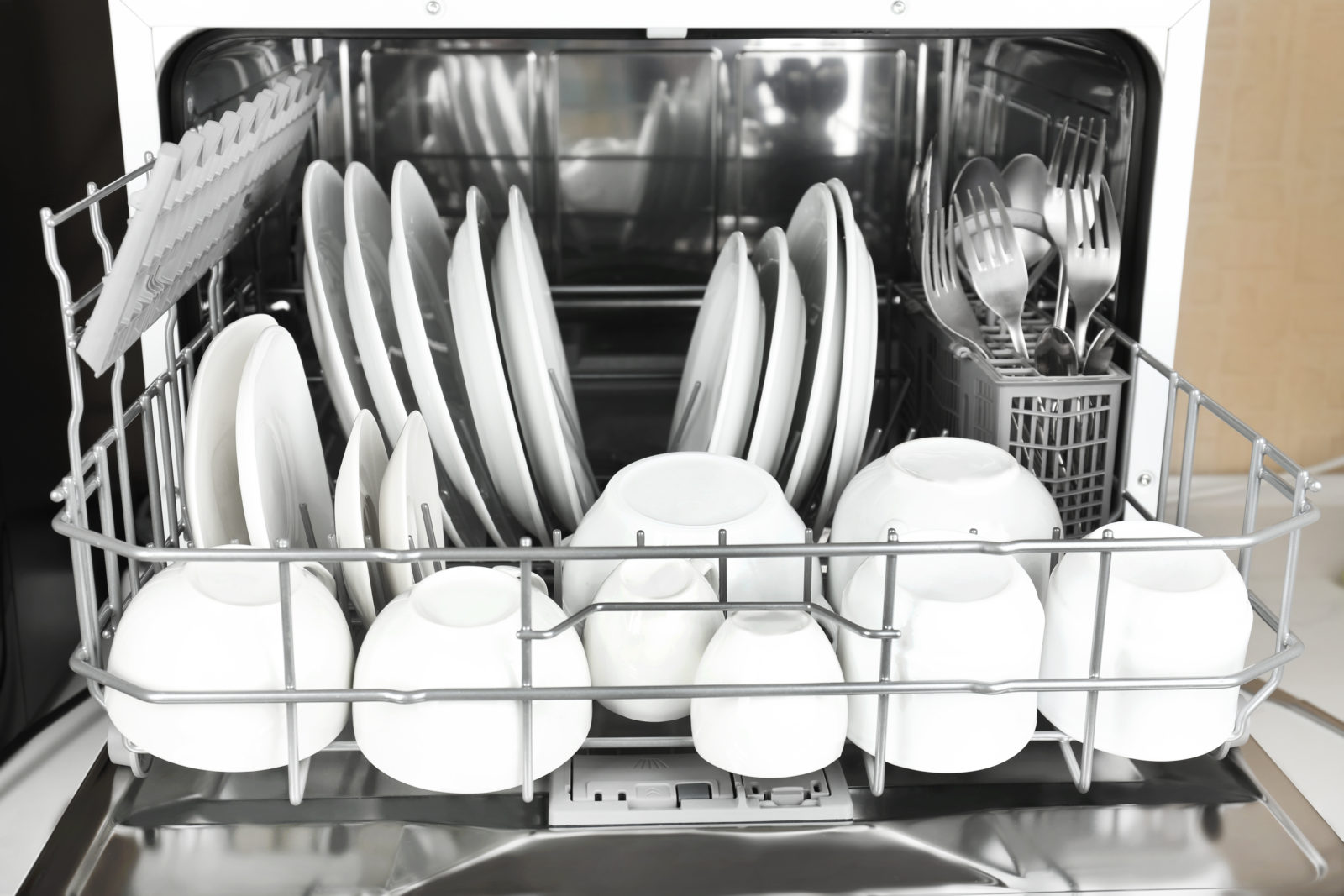
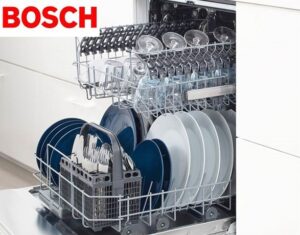
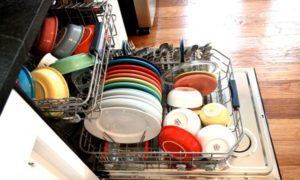
- Arranging dishes in baskets. There are rules here too. Items should be placed so they don't touch each other or interfere with the rotation of the nozzles. Deep items should be placed upside down. Overloading the dishwasher is not recommended, as this can not only damage the dishwasher but also result in poor cleaning results and increased power consumption.
- Selecting an Algorithm. It's important to analyze how dirty the dishes loaded into the chamber are and whether the bin contains items requiring delicate care. Based on this, a program is selected. Most Electrolux models offer the following modes: "Eco," "Intensive," "Soak," "Quick 30," "Delicate," and "Everyday Wash."
- Starting the machine. To do this, press the "Start" button. The dishwasher will sound a signal when the cycle is complete. Some Electrolux models are equipped with a "Floor Beam" feature, so a light strip will indicate the end of the program.
Detergent and rinse aid are added to the dishwasher each time before switching it on, and salt is added as needed.
At the end of the cycle, open the dishwasher door slightly. Don't rush to unload it—wait 5-10 minutes for the dishes to cool. Then, remove the dishes from the baskets, wipe the walls of the dishwasher dry, and clean the dishwasher's filter assembly.
Stock up on dishwashing detergent
When purchasing an Electrolux dishwasher, it's best to also purchase special household chemicals for the machine. For the dishwasher to perform its functions efficiently, you need detergent, rinse aid, and salt. How to choose the optimal compositions?
When purchasing household chemicals for your dishwasher, you should consider a number of criteria:
- manufacturer;
- Ingredients (be sure to read the ingredients of each product). It's best to buy eco-friendly powders, gels, and capsules containing enzymes. They effectively remove heavy, dried-on stains and work even at low temperatures;
- Product type. Decide which form you'll prefer: dishwasher tablets, powder, or gel. Each option has its own advantages and disadvantages.
The range of specialized household cleaning products for dishwashers is vast, and settling on a specific brand can be difficult. Opinions from homeowners who have used certain products can help you make a decision. Therefore, you can consult forums or look at ratings based on consumer reviews.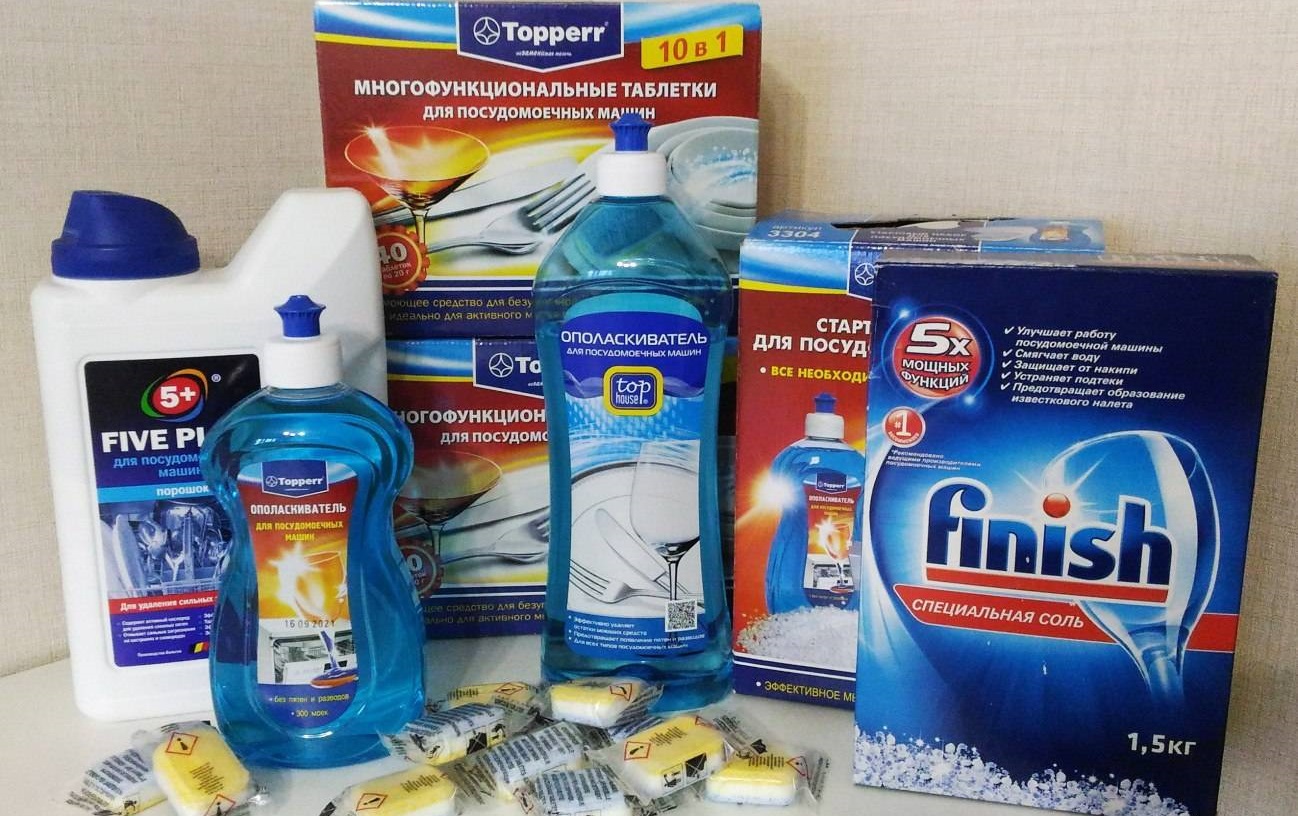
Today, the top ranking of dishwasher products includes:
- Claro brand powder;
- Frosch Soda multifunctional tablets;
- Calgonit Finish gel;
- Finish capsules
Rinse aid is more aesthetic than practical. It's needed to add shine, speed up drying, and prevent streaks. If you use 3-in-1 dishwasher tablets, you don't need to add rinse aid.
Some manufacturers also offer eco-friendly detergents free of dyes, fragrances, and chemicals. These products are designed specifically for washing dishes for children and those with allergies.
Selecting a washing algorithm
A description of all the washing programs available for a specific Electrolux model is provided in the dishwasher's manual. It also explains how to start each program, pause the cycle if necessary, and more. It is important to choose the right mode, based on the type of dishes and the degree of their contamination.
Most often, homeowners use the standard wash cycle. It's suitable for dishes with a moderate degree of soiling. However, there are times when a program with different characteristics is required. We'll describe the basic algorithms found on Electrolux dishwashers.
- The intensive mode is designed for "heavy-duty" situations. It's used for washing heavily soiled plates, baking sheets, and pots. This is the longest program, heating the water to the maximum temperature. It's not suitable for cleaning fragile items.
- The Quick Cycle is designed for washing lightly soiled cutlery. The program lasts no more than 45 minutes.
- Pre-soaking may be necessary if a lot of burnt-on food has accumulated.
- The ECO mode is designed for lightly soiled dishes. This program uses minimal water, electricity, and detergent.
- The delicate program is designed for glass, crystal, and items with delicate coatings. It's washed in cool water and lasts approximately 90 minutes.
Modern dishwashers may have special features, such as "Thermal Disinfection" or a self-cleaning function. All information about the software features is available in the instructions for your specific Electrolux model. So, don't be lazy and study the user manual.
Interesting:



Readers' comments
Headings
Washing machine repair




For buyers




For users


Dishwasher




Add a comment