
First use of the Hansa dishwasher
 The first thing you want to do after purchasing a new appliance is try it out. However, with dishwashers, there's no rush, as the first use of a Hansa dishwasher should be special. This is because the appliance requires a test wash to check it and prepare it for long-term use, which is what we'll cover in this article.
Why activate an empty PMM?
If you run the dishwasher for the first time with dirty dishes inside, you can not only ruin the dishes, but also damage the machine itself. The point is that the first switch-on should be idle in order to thoroughly clean the insides of the household appliance from contaminants that may have accumulated during assembly at the Hansa plant. This list includes dirt, oil, dust, and other debris that have no place inside a complex "home assistant" that must be exceptionally clean to effectively wash dishes.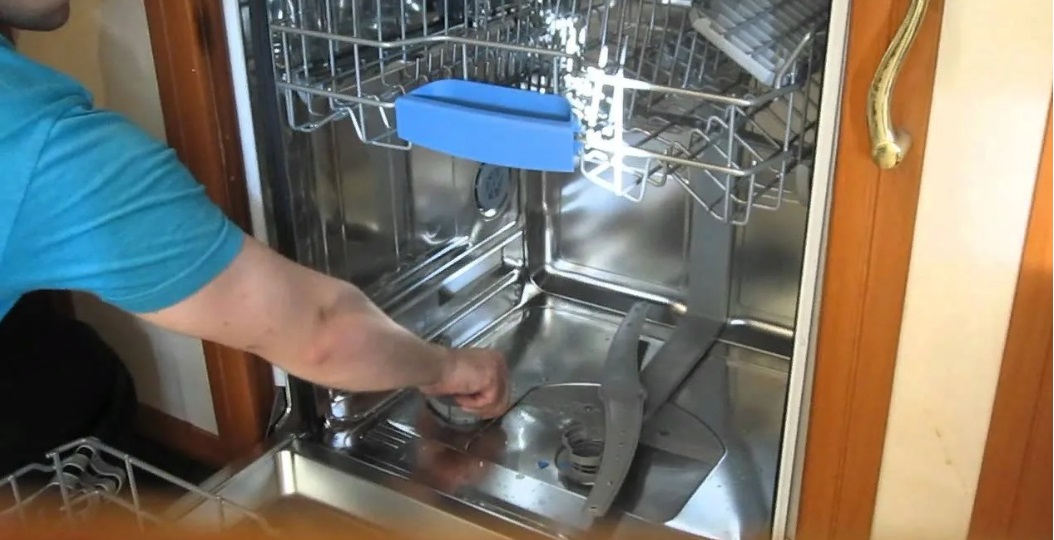
This is also an excellent opportunity to test the dishwasher's functionality in real-world conditions. This will clearly demonstrate the presence or absence of manufacturing defects or any other damage caused by improper transportation. Finally, it allows you to check the correct connections to the utilities and ensure that the machine does not leak, heats water properly, and does not stall during the cycle.
Add the necessary funds
First and foremost, it's important to fully stock your dishwasher with the necessary cleaning products and other household chemicals. The standard set for any dishwasher includes:
- A detergent in powder, gel, tablet, or capsule form. It helps break down grease, dirt, and other stains that the machine is designed to remove;
- regenerating salt, which helps the device's ion exchanger restore the resin that is used to soften excessively hard tap water;
- Finally, a rinse aid, which is necessary to ensure that dishes dry faster after washing and acquire a pleasant shine.
Experts recommend always using only specialized chemicals designed exclusively for dishwashers, as simple salt and regular detergents can damage the machine.
Finding high-quality dishwasher detergent isn't difficult, as it's widely available in any store in the 21st century. The key is choosing the right one for your needs and then adding it to your machine to improve dishwashing performance and prevent limescale buildup on the heating element and other key components. How do you add the detergent?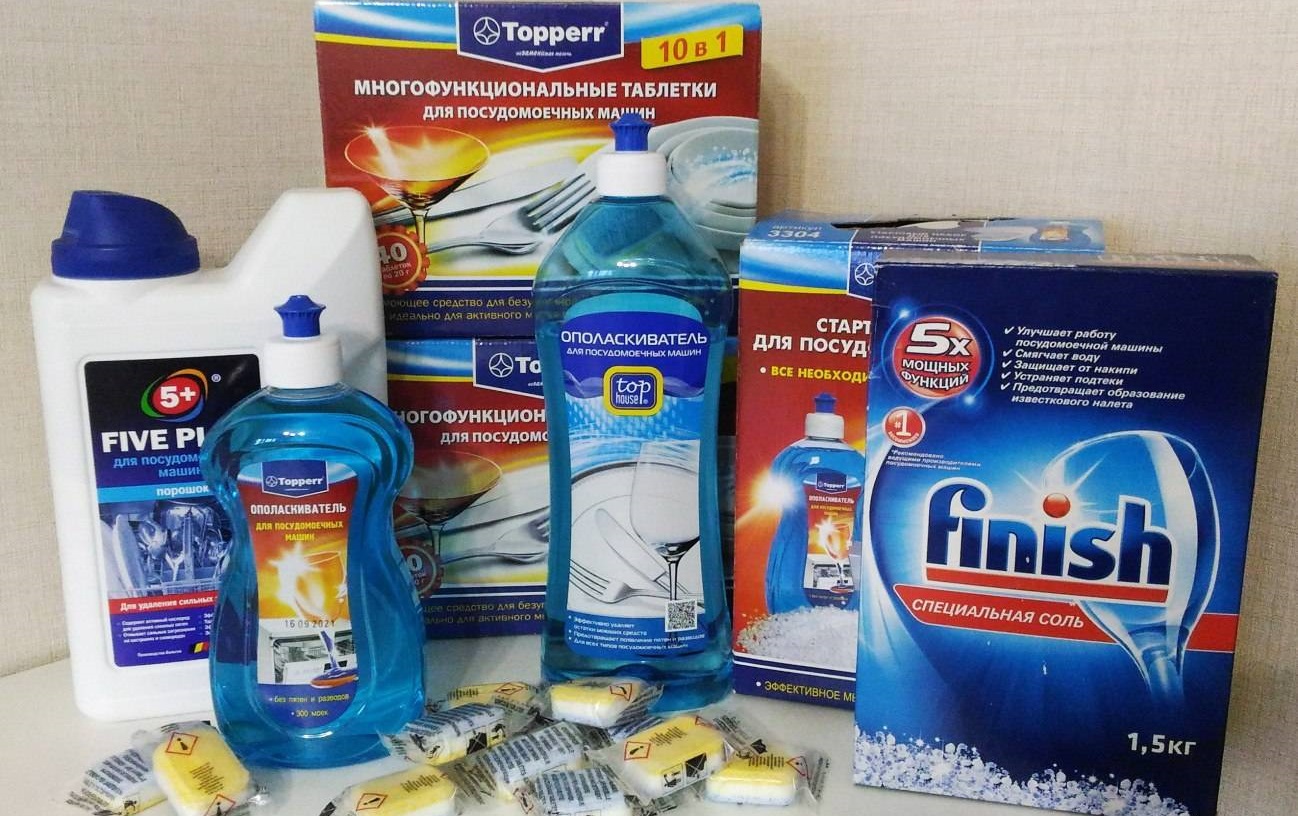
- We open the car door wide.
- We look for the salt bin lid at the bottom of the washing chamber and unscrew it.
- If you are about to turn on the machine for the first time, then first of all you should fill the reservoir to the brim with water.
- Afterwards, you need to add about a kilogram of salt granules, for which you can use a special funnel for loading salt.
- If you spill salt solution on the bottom of the washing chamber, you need to remove it by running any kind of wash or simply using a rag.
- Close the lid of the salt reservoir.
- On the dishwasher control panel, select the desired hardness level to adjust the consumption of salt granules.
To determine the quality of your tap water, you can use special test strips, which are often included with your dishwasher. These strips will help you determine the water hardness yourself, but if they weren't included with your appliance, there are other ways to check. For example, by accessing the website of the local water utility, which should regularly publish up-to-date indicators of tap water quality.
Using this data, you need to set the salt consumption and then monitor the system's messages, which will automatically notify you when it's time to refill the salt reservoir. On average, this can occur every month to a year, which directly depends on the quality of the water entering the dishwasher.
Salt is not needed in the dishwasher only if the water utility provides your community with high-quality soft water that does not require softening with special agents.
After adding salt, you need to add the remaining household chemicals, namely rinse aid and detergent. These are stored in separate compartments on the dishwasher door. If you have a budget dishwasher, add the gel or powder to the appropriate reservoir up to the fill line.
Modern, expensive devices can automatically determine the optimal amount of household chemicals, so you can fill the compartment to the brim without worrying about your dishwasher using it all at once. If you plan to use capsules or tablets for washing, you won't need any special salt or rinse aid for the cycle.
How is the first switch-on carried out?
Now let's move on to the initial startup, which should only occur after you've properly loaded all the household chemicals. After adding the detergents, make sure the machine is level on the floor, doesn't wobble or pinch any cords or hoses, and is properly connected to the water supply and electrical outlet. If there are no issues with the initial setup, you can turn on the machine.
- We open the water supply shut-off valve.
- We check that there are no dishes in the baskets and that the spray arms can move freely around the washing chamber.
- Remove the drain filter, which must be manually washed to remove any storage and factory contaminants.
- On the control panel, activate the exact product that you loaded for a specific test wash.
- Choose a wash mode for idle start, for example, intensive, since it is the longest, which means it will be able to clean the internal components of the household appliance more effectively.
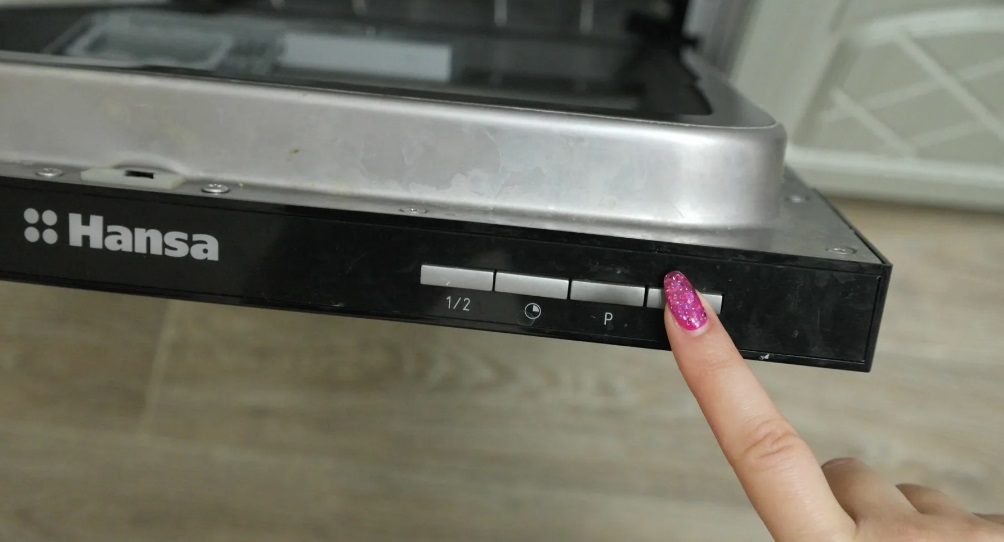
- Be sure to select the most powerful water heating – this is guaranteed to help remove all contaminants.
- Close the machine door tightly to begin the test wash.
Experts recommend checking your dishwasher periodically to ensure it is working properly, does not leak, does not stop washing, and drains water completely after the cycle is complete.
- The last step is a final check to ensure there is no liquid inside the device.
Leave the door of the machine open for at least an hour, not just after a simple run, but after each wash. This will allow the inside of the machine to dry and cool down faster. This simple step also prevents mold and odors from forming. Once the machine has cooled completely, you can begin the long-awaited automatic wash and wash the first pile of dirty dishes.
Interesting:





Readers' comments
Headings
Washing machine repair




For buyers




For users


Dishwasher




Add a comment