
First time use of the Indesit dishwasher
 Immediately after purchasing a piece of equipment, you always want to test its features and qualities. However, this isn't the case with a dishwasher, as the first run of an Indesit dishwasher should be done without any dishes. We'll explain in detail why this is necessary, how to properly test it, and what to look for during a dry run.
Why run the Indesit dishwasher without dishes?
The first time you start the dishwasher, you need to do it in a special way, not only to check the functionality of your “home assistant”, but also to clean the household appliance from dirt. The fact is that during assembly at the factory and storage in the warehouse, dirt, dust, and various foreign debris may remain in the device, which is what the test work cycle will remove.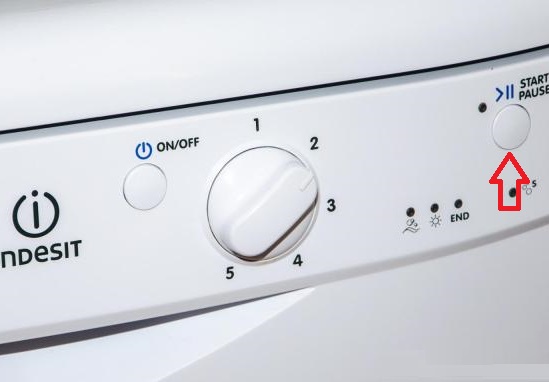
Of course, this is also a great way to ensure the dishwasher is in good working order. You can never rule out the possibility of a manufacturing defect or damage during transport from the store. Furthermore, a dry run will allow you to check the connections to all utilities. A test run will reveal how well the dishwasher draws and heats water, whether it drains waste water, and whether there are any leaks during operation. Finally, a dry run will allow you to get a feel for the controls.
We charge the Indesit dishwasher with products
It's not enough to simply run the dishwasher for the first time without dishes—it needs to be stocked with the necessary household chemicals first. These include:
- A detergent that can come in powder, gel, tablet, or capsule form. It's essential for removing grease, dirt, and other stains from dishes;
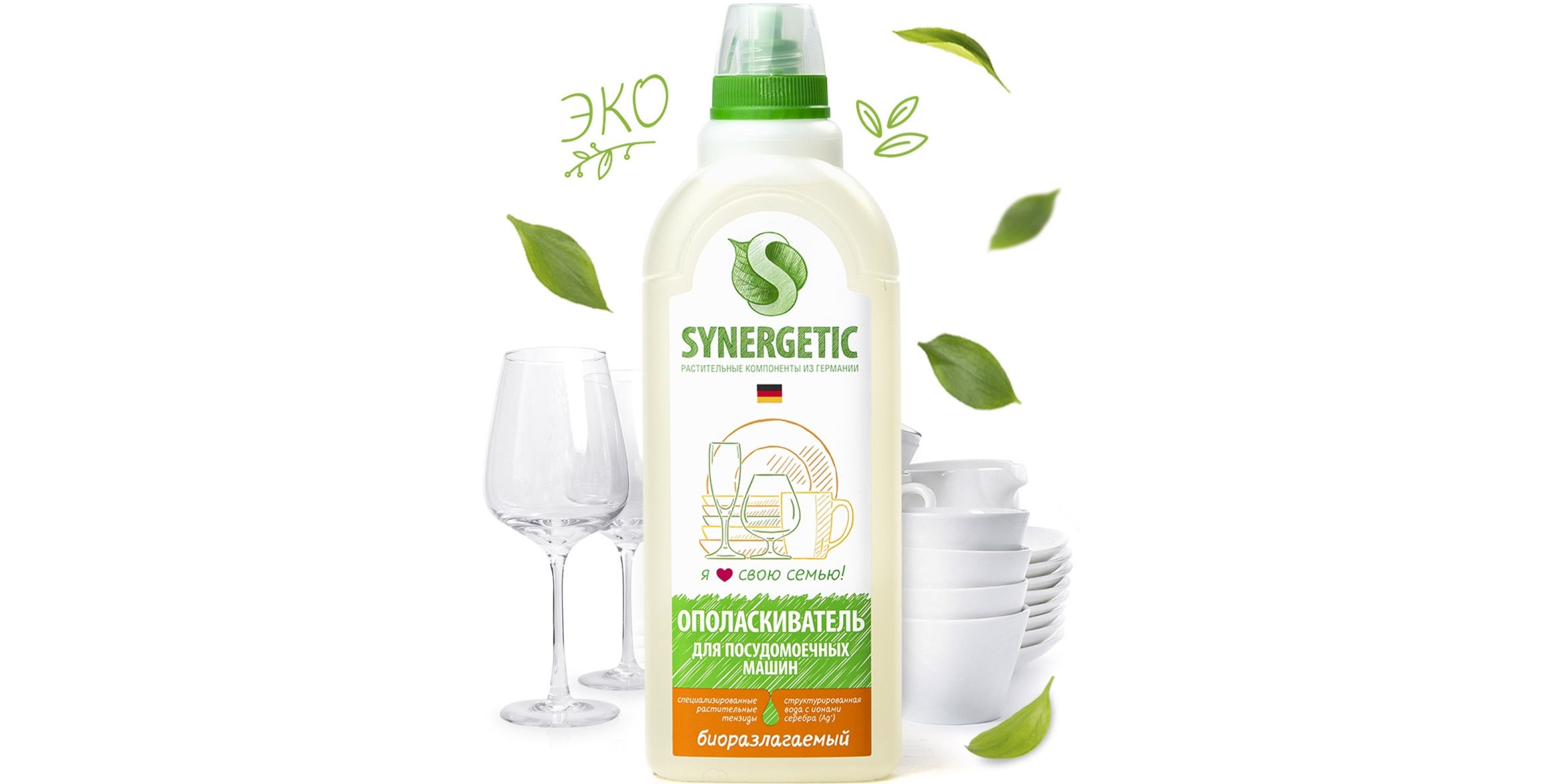
- a rinse aid that completely removes any remaining dirt and gives dishes a bright shine;
- A special salt for regenerating the restorative functions of the PMM ion exchanger, which softens hard tap water.
Use only detergents designed for dishwashers, as regular hand-washing detergents foam too much and can damage complex equipment, and regular table salt is not as effective at restoring the ion exchanger as special dishwasher salt.
Today, it's easy to find specialized detergents for Indesit dishwashers in stores. Each one performs its job effectively, either preventing limescale deposits on the appliance's heating element or improving the cleaning results. Let's start with adding salt, which you shouldn't even start a dishwasher without:
- open the door of the washing chamber;
- we find the large lid of the salt reservoir at the bottom and unscrew it;
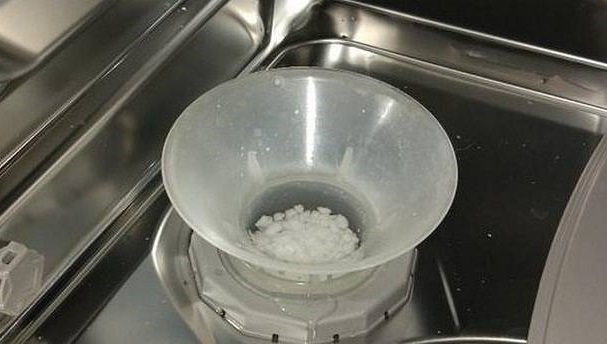
- If this is the first time you are loading the saline solution, first pour about a liter of water into the compartment;
- add about a kilogram of salt using the special funnel that comes with the device;
At this stage, some of the salt solution may spill onto the bottom, so if this happens, you should either wipe it off thoroughly with a cloth or run the cycle to ensure all of the solution is washed out during operation.
- close the lid of the salt bunker tightly;
- On the machine's control panel, we set the required salt consumption level, which directly depends on the hardness of the tap water.
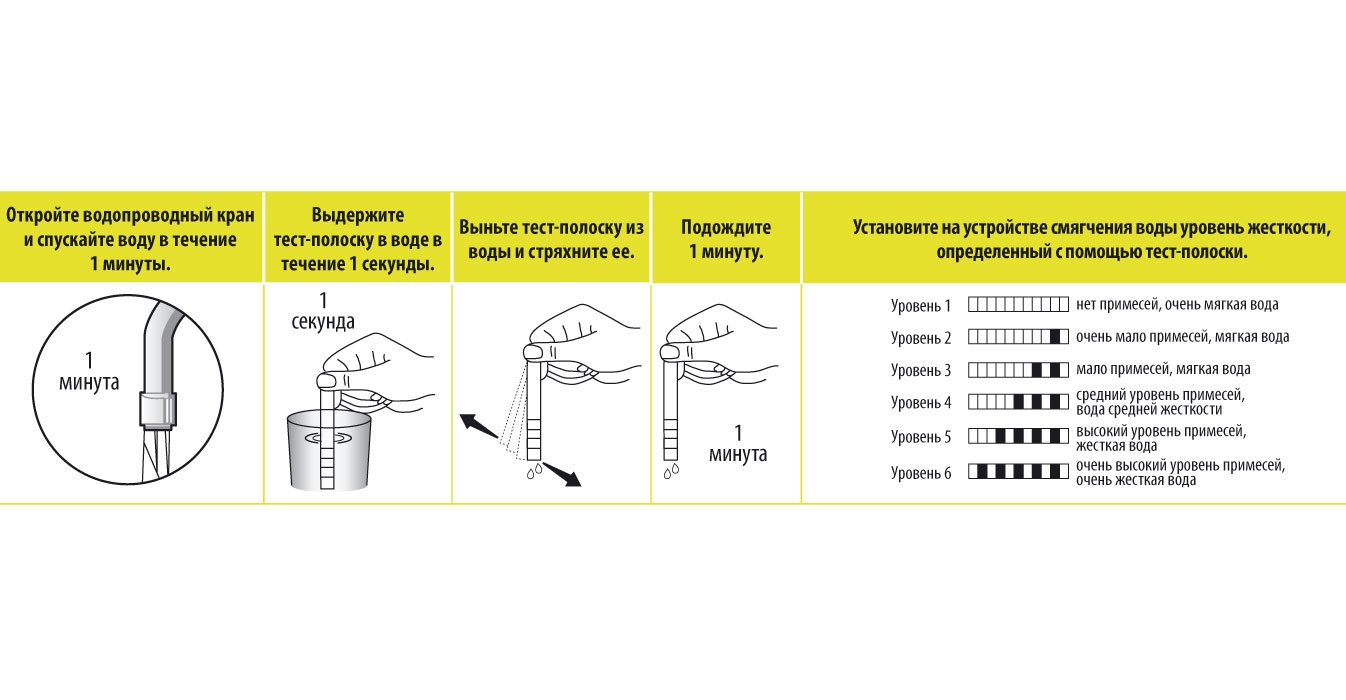
To determine the water hardness level, many dishwashers come with test strips that can be used to test the water hardness at home. If you don't have special strips, you can always find up-to-date water information on the official website of the city water utility. Based on this information, you should set the salt consumption level. The machine will then automatically monitor the salt level using special sensors, alerting the user when it's time to refill the salt granules. Depending on the water hardness and salt consumption, this may happen every few months or even once a year.
The only situation when you don't need dishwasher salt at all is if you have very soft water in your city.
Now that we've dealt with the salt, all that's left is the detergent. All of these should be added to the special compartments located on the inside of the machine door. If you're using tablets or capsules, you don't need to add any additional salt or rinse aid.
When using gel or powder detergent, these products should be loaded into the compartments in a specific amount, which depends on the dishwasher model. More expensive dishwashers can automatically determine the dosage of household chemicals, so you can load larger quantities of powder, gel, and rinse aid into the detergent compartments, which will be used depending on the selected cycle. Cheap dishwasher models use all the chemicals loaded into the dispenser, so in this case, you will have to add chemicals strictly in the amount specified in the manufacturer's instructions.
Activating the dishwasher without dishes
The machine should only be turned on for the first time after adding detergent. Be sure to check that the machine is level, doesn't pinch any wires or hoses, and is securely connected to all utilities. If everything is in order, you can turn on the machine.
- Open the water supply shut-off valve.
- Look into the wash chamber and make sure the spray arms can move freely inside the unit.
- Unscrew the drain filter and rinse it under a powerful stream of hot water to further clean the element from factory contaminants.
- On the control panel, select the detergent you want to use for this cycle.
- Activate the appropriate operating mode. For idle running, the manufacturer recommends selecting the longest mode, which is usually the intensive mode.
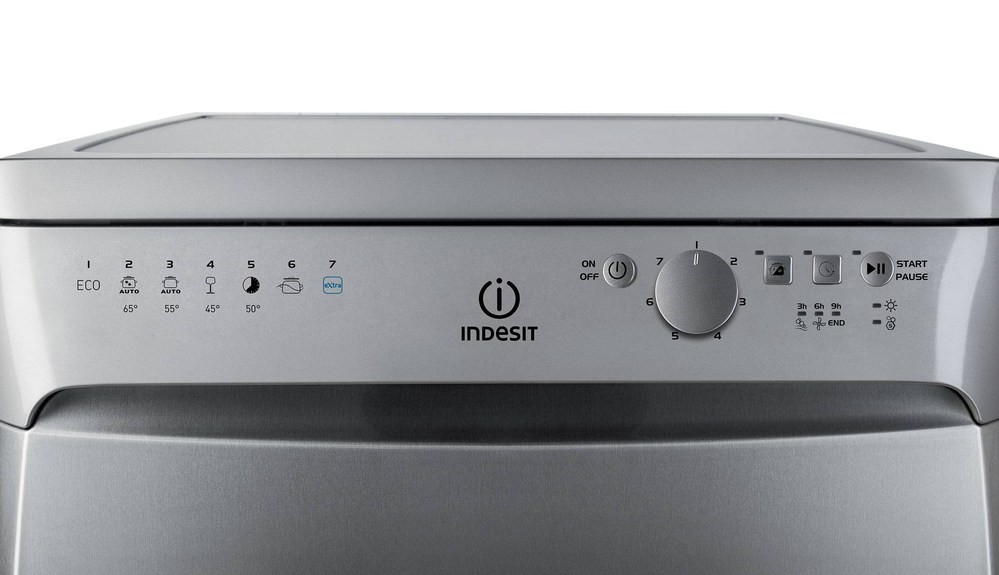
- Set the water temperature to maximum to ensure that all dirt, dust and other contaminants are washed away.
- Now you can close the washing chamber door, which will start the wash.
- Do not go far while the appliance is operating, as you need to ensure that the dishwasher operates smoothly and without interruptions, that water is supplied to the machine without interruption, that it heats up reliably to the selected temperature, and that it then drains normally into the sewer.
- When the working cycle is complete, make sure there is no water inside.
After the test cycle and any other cycle, leave the machine with the door open for a few hours to allow it to cool and dry inside. This will prevent mold and odors from forming in the future. Once the machine has cooled, you can load the dishes and begin a full wash.
Interesting:




Readers' comments
Headings
Washing machine repair




For buyers




For users


Dishwasher




Add a comment