
First launch of the Midea dishwasher
 After connecting a new dishwasher to the water supply, sewerage system, and electricity, owners are eager to try it out. There's no need to rush – it's important to properly start up your Midea dishwasher for the first time. We'll explain how to properly commission your dishwasher and what users need to know.
What does the test program provide?
When purchasing a dishwasher, be sure to read the instructions for the machine. The user manual covers all the details: from the rules for connecting the device to utilities to an overview of the modes and functions programmed into the device's memory. It also says that the first start of the Midea dishwasher is carried out idle - the washing chamber must be empty.
It's best to entrust the installation of a Midea dishwasher to a professional. A technician will connect the appliance to the utility lines and level the housing.
When running a test, the dishwasher should be empty for a number of reasons: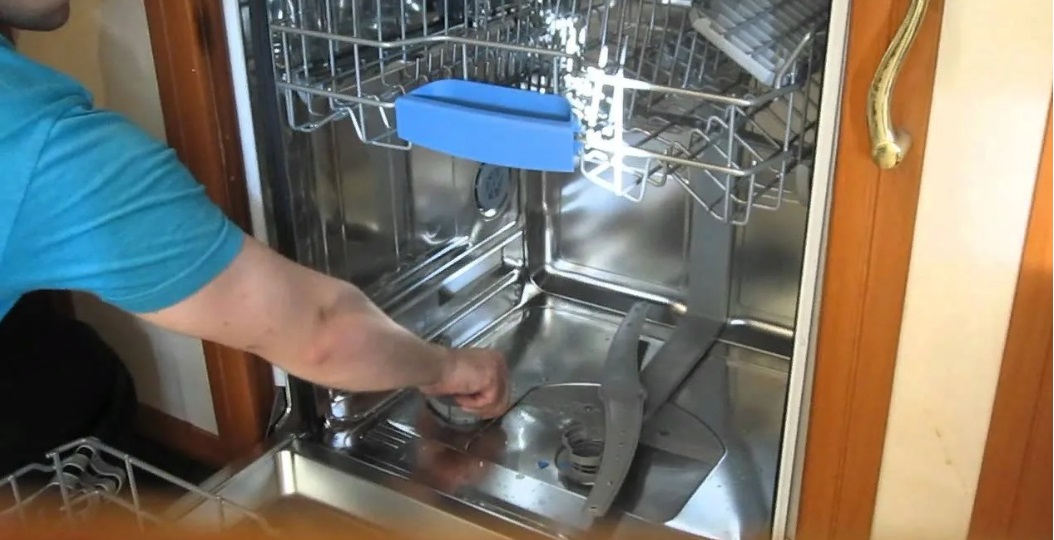
- During factory assembly and subsequent sale, dust and dirt accumulate in the dishwasher - all of this is washed out of the machine during the first start-up;
- It will be easier for the user to identify the fault and fix it if the dishwasher is empty;
- The owner will acquire basic skills in operating the dishwasher, which will help him avoid mistakes during further use of the appliance with dishes.
During the first start-up, the dishwasher is washed from the inside and all its components are tested for proper operation.
During the test cycle, the user should observe the dishwasher's operation. They should observe how water is being filled and whether the liquid is heating up promptly. The hose connections should be checked for leaks. If a leak is detected, it should be repaired immediately.
It's not recommended to install the dishwasher in cabinetry before using it for the first time. It's best to leave it outside to allow access to potential leaks. If the test cycle runs smoothly, the dishwasher is ready for further use.
Getting ready for a test launch
Before using your dishwasher for the first time, make sure the wash chamber is free of packaging material and information stickers. Pay particular attention to the foam balls, which are common inside Midea appliances. It is also recommended to wipe the walls of the bin with a damp cloth to remove any visible dirt.
The test run is carried out without dishes, but the cleaning agent and special salt must be loaded into the appropriate dispensers.
A salt container is located at the bottom of the dishwasher. The crystals are essential for softening hard tap water and preventing limescale buildup inside the dishwasher. The instructions for loading the granules are provided in the dishwasher's manual.
First, you need to purchase special regenerating salt for your dishwasher. Regular table salt won't work—it can damage the appliance. Next, you need to:
- remove the lower loading basket from the hopper;
- find the tank cap and unscrew it;
- pour about 1 liter of clean water into the container;
- pour 500-700 grams of salt into the compartment;
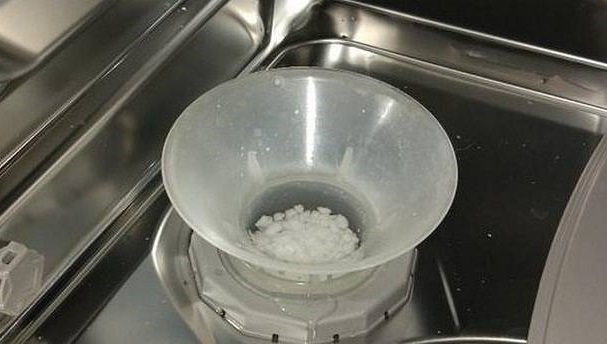
- screw the lid on;
- wipe up any salt water that has spilled onto the bottom of the bunker.
The next step is setting up the softener. The amount of salt the machine will "eat" is determined by the water hardness level in your region. Find out the level (using special
indicator strips or by calling your local water utility) and adjust the dishwasher sensor.
The detergent dispenser is located on the dishwasher door. You can use a special powder, dishwashing gel, or universal 3-in-1 tablets for dishwashers. Fill the dispenser according to the recommended dosage on the product packaging.
You can purchase a product specifically designed for first-time dishwasher use. These formulations have more powerful cleaning and disinfecting properties. They easily remove oil, grease, and other industrial fluids that may have gotten inside the machine during the factory installation. This product is only suitable for a test empty cycle; it should not be used for washing dishes.
Before using the dishwasher for the first time, it's also recommended to remove the dishwasher filter, rinse it in warm water, and replace it. Check that the spray arms are rotating by hand. After this, you can turn on the machine.
We are launching PMM for the first time
After loading the dishwasher with salt and dishwashing liquid and checking the connections for leaks, you can begin a test cycle. Ensure the valve on the water supply tee is open. Next, plug the dishwasher into a power outlet.
The next step is choosing a program. A long, high-temperature cycle is ideal for the first wash. Therefore, choose the longest and hottest cycle available on your Midea dishwasher.
Close the dishwasher door tightly, activate the program, and observe the dishwasher operation. If everything is working properly, then: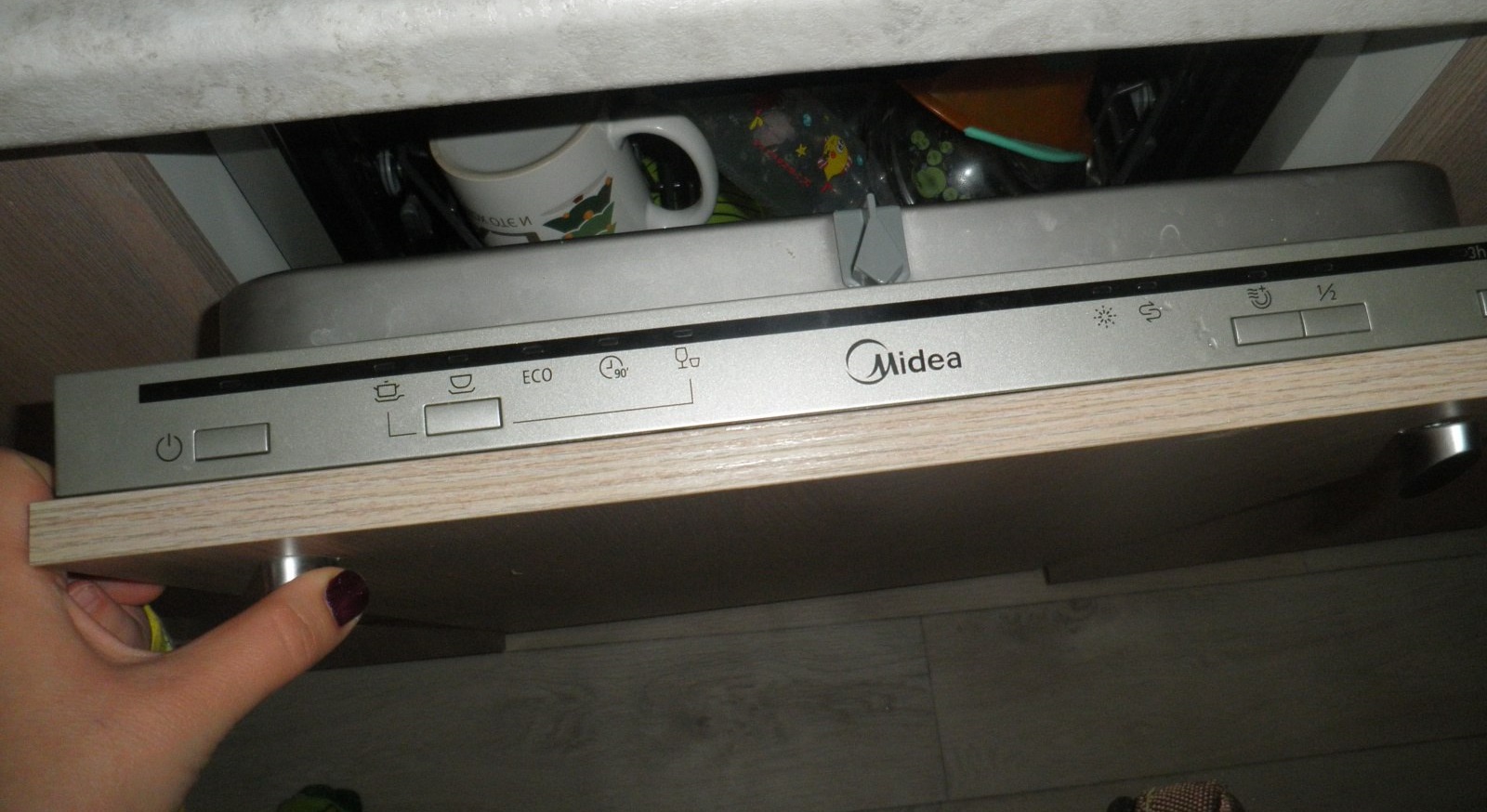
- water will flow continuously into the washing chamber;
- The PMM will not stop the program;
- the water will warm up to the required temperature within the allotted time (no more than 10-15 minutes);
- the waste liquid will be drained into the sewer without any problems;
- Once drying is complete, there will be no moisture left in the washing chamber.
The machine will beep when the cycle is complete. Open the door slightly and wait 5 minutes to allow the baskets to cool. After this, you can load the dishwasher and run a regular wash.
Full wash
After a successful test cycle, you can load the dishwasher with dishes. Kitchenware is arranged inside the dishwasher according to specific guidelines. Basic recommendations are described in the equipment manual.
Large dishes are placed in the lower basket:
- serving plates;
- soup bowls;
- pots;
- frying pans;
- lids;
- cutting boards;
- saucepans;
- baking sheets.
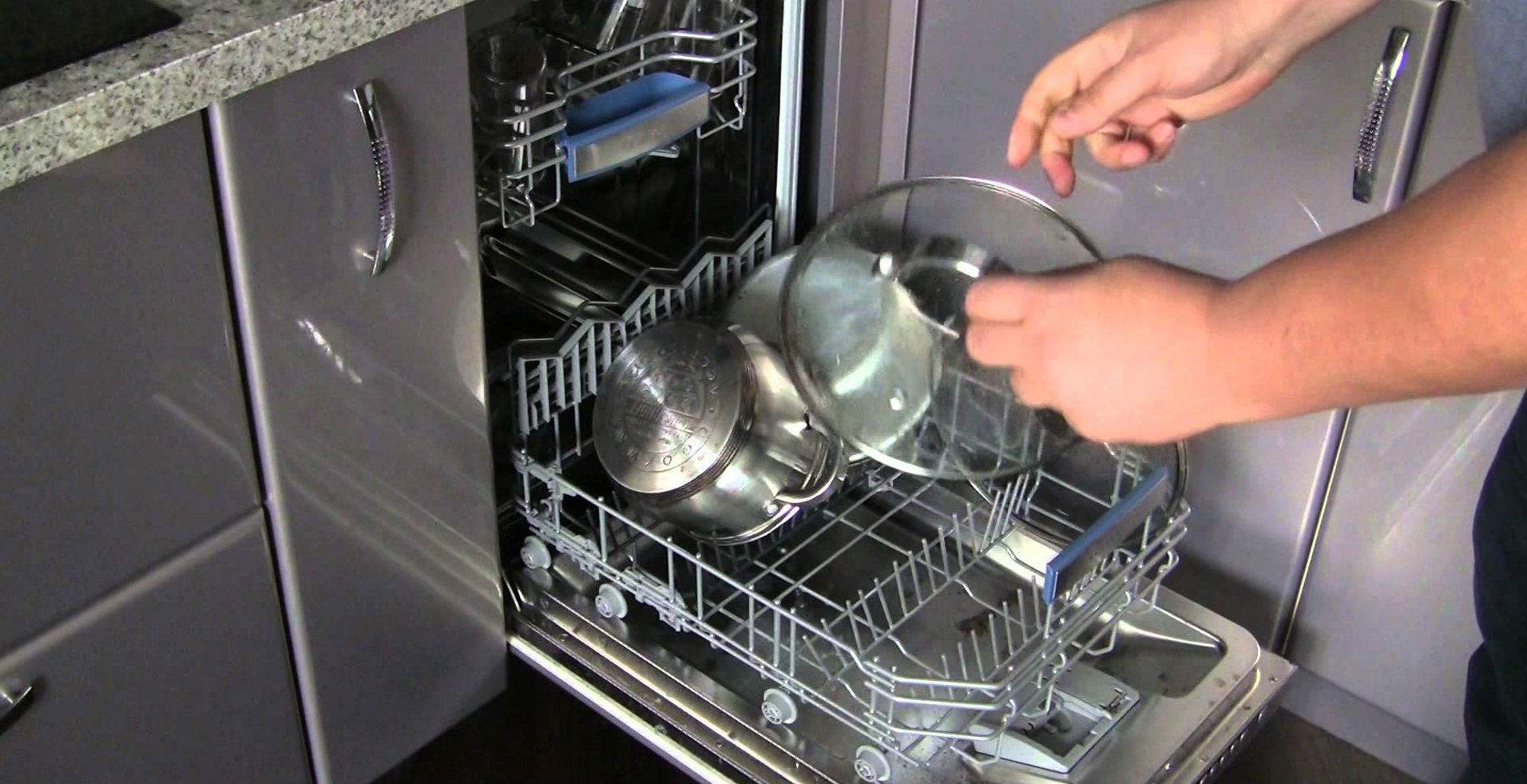
The top tray is designed for:
- mugs, glasses, goblets;
- saucers;
- gravy boats;
- coffee cups;
- ladles, etc.
Deep dishes, including mugs and cups, should be placed upside down. This will prevent water from pooling inside the dishes. Leave a small gap between plates to ensure they are washed from all sides. It's important to ensure that the utensils don't interfere with the dishwasher's spray arms.
Do not overload the dishwasher; each Midea model is designed for a certain number of place settings.
Overloading the dishwasher can cause more than just damage. It can also lead to poor cleaning results. Another drawback is increased power consumption. Therefore, it's crucial to follow the manufacturer's recommendations and avoid overloading the dishwasher with too many utensils.
Don't neglect the choice of washing mode
It is very important to understand the programs that are in the device's memory. A description of all washing modes is provided in the equipment instructions. The set of algorithms may vary depending on the Midea model, but the basic cycles are provided on all machines.
The wash program should be selected based on the type of dishes and how dirty they are. Let's look at the main modes found on Midea machines.
- Soak cycle. This cycle consists of two stages: first, dishes are soaked, then the main wash begins. This mode is suitable for burnt-on pots, pans, or items with stuck-on food.
- Intensive mode. This is a high-temperature program for heavily soiled cutlery. Do not use this program for plastic, crystal, or items with delicate coatings.
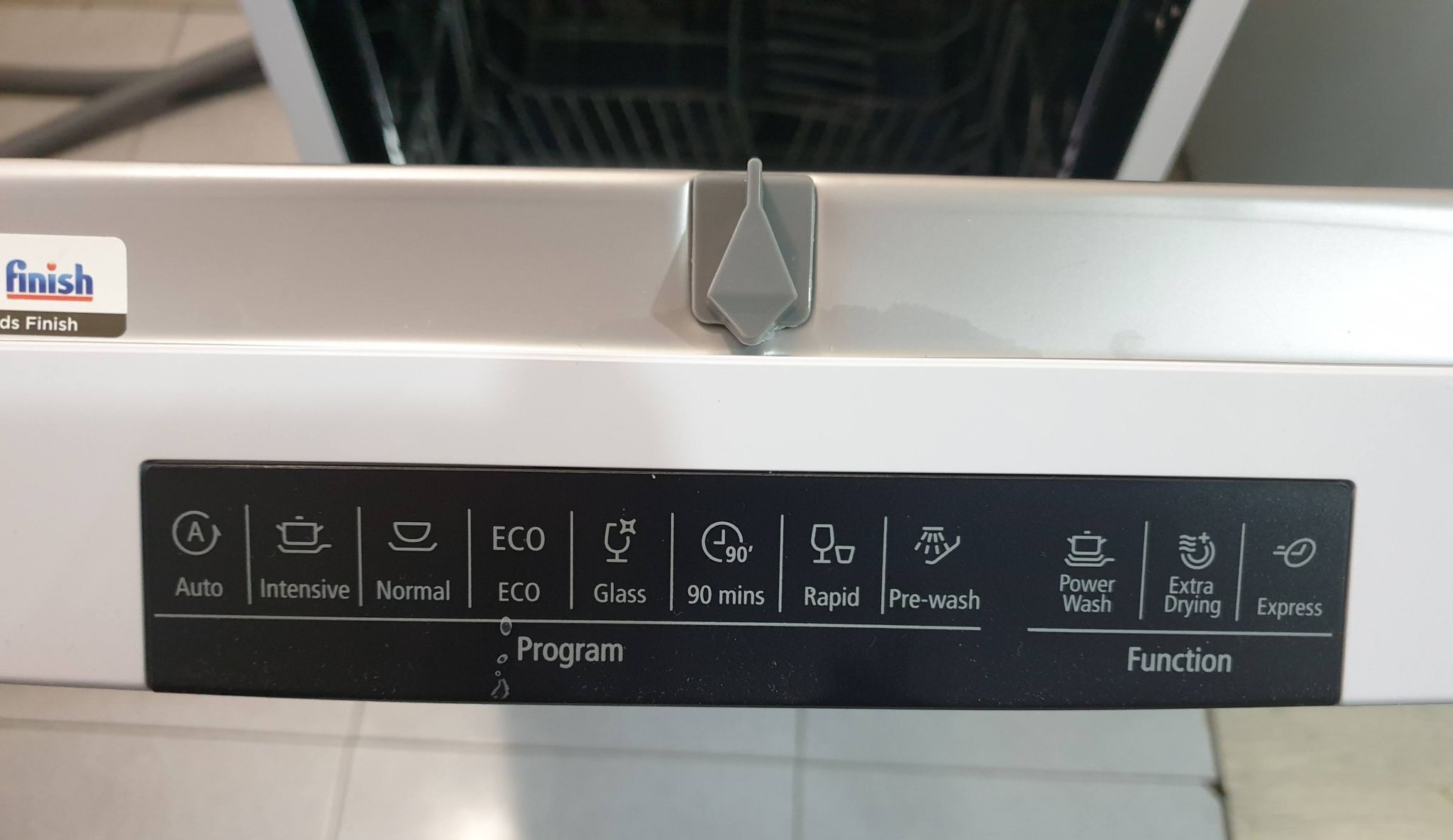
- Standard. This mode is for cleaning lightly soiled dishes in medium-temperature water.
- Eco. This program maximizes water, kilowatt-hour, and detergent savings. Suitable only for lightly soiled items.
- Delicate mode. Designed for cleaning fragile dishes such as plastic, porcelain, crystal, etc.
- Quick program. Suitable for rinsing saucers, mugs, and glasses.
The quality of your wash and the safety of your dishes depend on choosing the right program. Therefore, be sure to familiarize yourself with the specifications of each program stored in your Midea dishwasher's memory.
Interesting:





Readers' comments
Headings
Washing machine repair




For buyers




For users


Dishwasher




Add a comment